Understanding Induction Cooking Basics
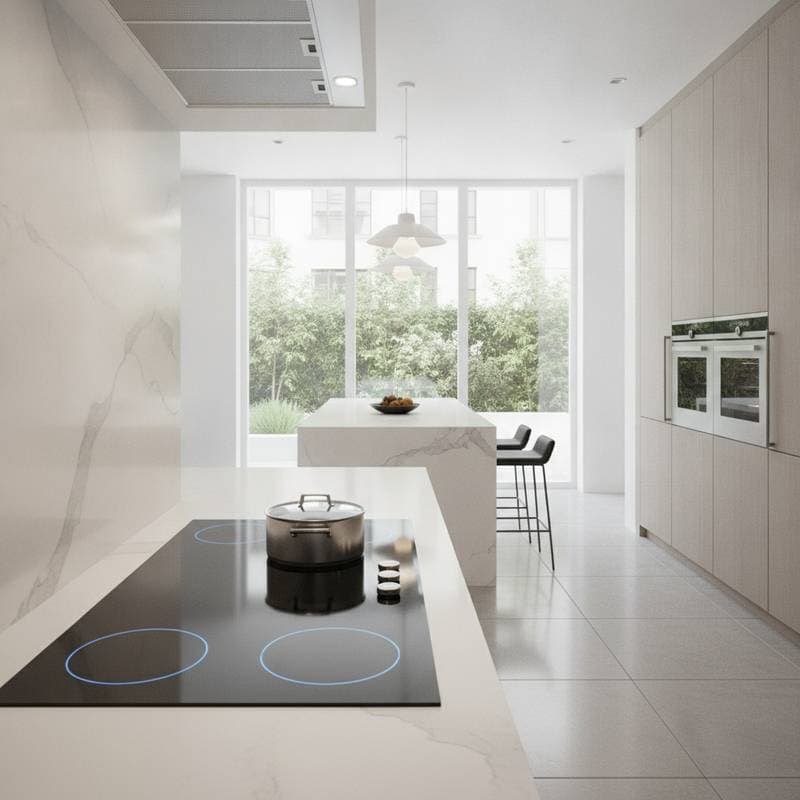
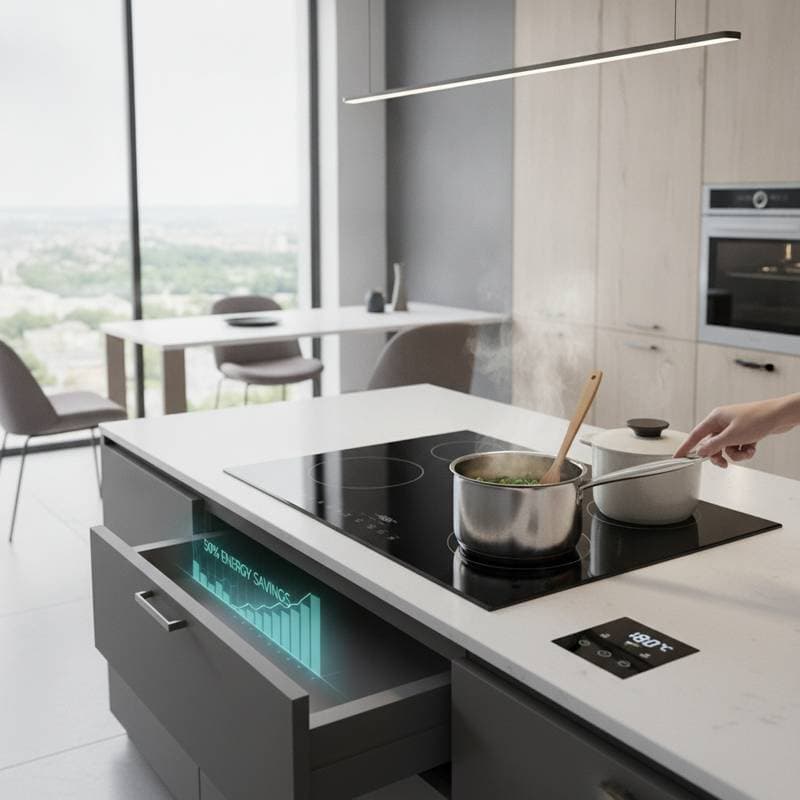
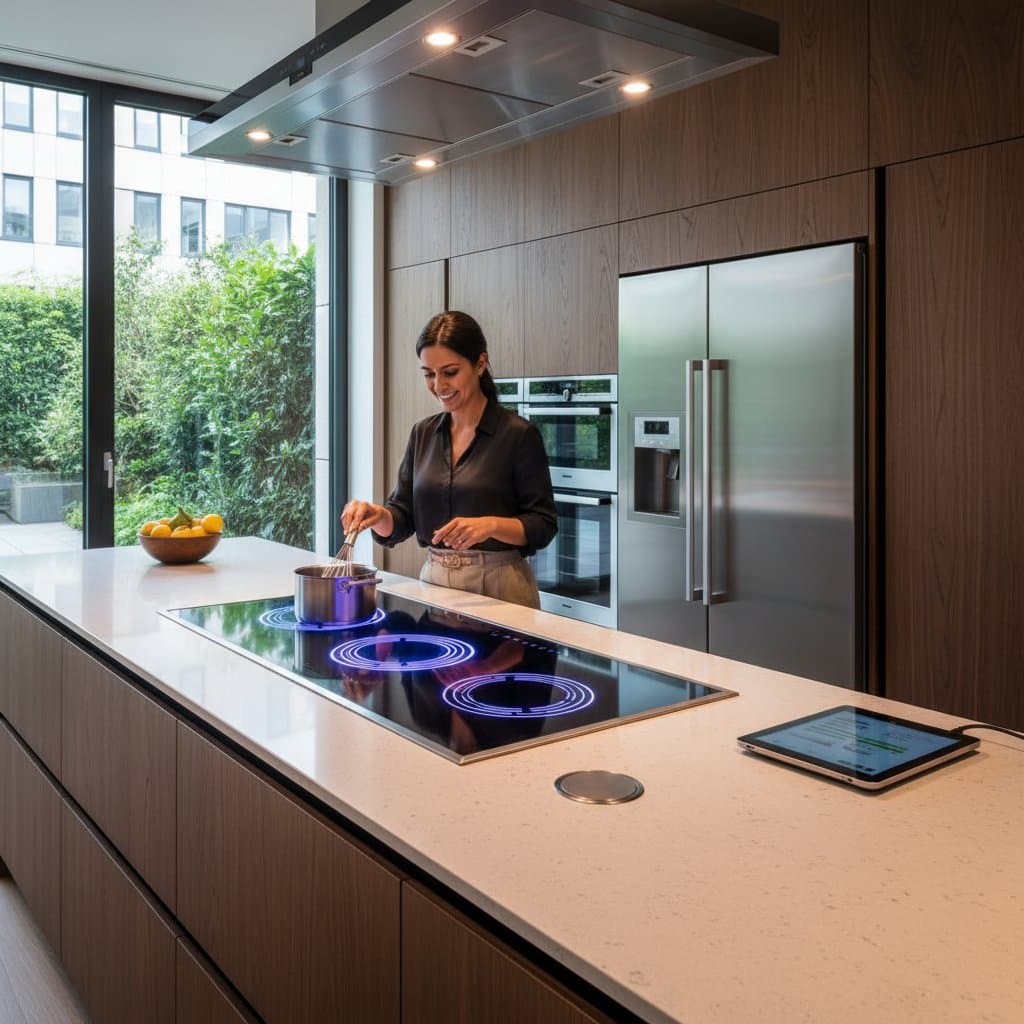
Induction cooking utilizes electromagnetic fields to heat cookware directly, bypassing the need for an open flame or surface burner. A coil beneath the cooktop generates a magnetic field that induces heat in compatible pots and pans made of ferrous materials. This method contrasts sharply with gas cooking, where heat transfers from a flame to the cookware, often resulting in slower response times and uneven heating.
The technology requires a standard electrical outlet, typically 240 volts for full-sized units, and works best with flat-bottomed, magnetic cookware. Homeowners appreciate its seamless integration into contemporary kitchen aesthetics, as the smooth glass surface remains cool to the touch except where the pan sits. This foundational difference sets the stage for induction's advantages in performance and user experience.
Speed Advantages Over Gas Stoves
One of the most compelling benefits of induction cooking lies in its unparalleled speed. Water boils in half the time compared to gas, often reaching a rolling boil in under two minutes on high settings. This efficiency stems from the direct energy transfer, which eliminates the lag associated with preheating gas burners or waiting for flames to stabilize.
Professional chefs favor induction for its instant responsiveness; adjusting the heat level produces immediate changes, allowing for precise simmering or searing without overshooting temperatures. In contrast, gas stoves require manual flame adjustments that can lead to fluctuations, potentially overcooking delicate sauces or under-searing meats. Everyday tasks like frying eggs or preparing pasta become quicker and more reliable, freeing up time for other kitchen activities.
Real-world tests demonstrate that induction cooktops achieve up to 90 percent energy efficiency, directing nearly all power to the food rather than wasting it in the air. Gas systems, by comparison, lose about 40 percent of energy to the surrounding environment. This speed not only enhances cooking outcomes but also aligns with busy lifestyles demanding efficient meal preparation.
Practical Speed Comparisons
Consider boiling four quarts of water: an induction setup accomplishes this in approximately 4 minutes, while a gas stove takes 8 to 10 minutes under similar conditions. Searing a steak reaches the ideal 400 degrees Fahrenheit surface temperature in seconds on induction, versus over a minute on gas. These metrics highlight why induction dominates in high-volume kitchens, from home diners to commercial spaces.
Safety Features That Set Induction Apart
Safety represents another area where induction excels beyond gas alternatives. Without an open flame, the risk of burns from accidental contact diminishes significantly; the cooktop surface stays below 150 degrees Fahrenheit even during intense cooking sessions. This feature proves invaluable in households with children or elderly members, reducing the likelihood of unintended injuries.
Gas stoves pose hazards such as gas leaks, which can lead to explosions or carbon monoxide poisoning if ventilation fails. Induction eliminates these concerns entirely, as it produces no combustion byproducts. Automatic shut-off mechanisms activate if no cookware detects or if a pan is removed, preventing unattended heating that could ignite nearby materials.
Furthermore, induction zones offer built-in overflow protection and child-lock functions on many models, enhancing overall kitchen security. Studies indicate that induction-related incidents occur at rates far lower than those involving gas, contributing to its appeal in safety-conscious designs. Homeowners report greater peace of mind, knowing their cooking environment prioritizes prevention over reaction.
Key Safety Enhancements
- Cool surface temperatures minimize burn risks.
- No flame reduces fire ignition sources.
- Sensor-based auto-shutoff ensures unattended pots cool quickly.
- Absence of gas lines avoids leak-related dangers.
Energy Efficiency and Environmental Impact
Induction cooking conserves energy by focusing heat precisely where needed, leading to lower utility bills over time. A typical household might save 20 to 30 percent on electricity costs compared to gas usage, especially with rising energy prices. The system's efficiency also translates to reduced strain on power grids, supporting broader sustainability goals.
Environmentally, induction avoids the emissions associated with natural gas combustion, such as nitrogen oxides and particulate matter that contribute to indoor air pollution. As cities implement gas bans in new constructions by 2026, induction aligns with these regulations, promoting cleaner air quality both inside homes and across communities. Pairing it with renewable energy sources like solar panels amplifies these benefits, creating a low-carbon cooking footprint.
Long-term, the durability of induction cooktops—often lasting 10 to 15 years with minimal maintenance—offsets initial costs. Cleaning involves simply wiping the glass surface, unlike gas grates that require scrubbing and replacement. This practicality encourages widespread adoption among eco-aware consumers.
Installation and Compatibility Considerations
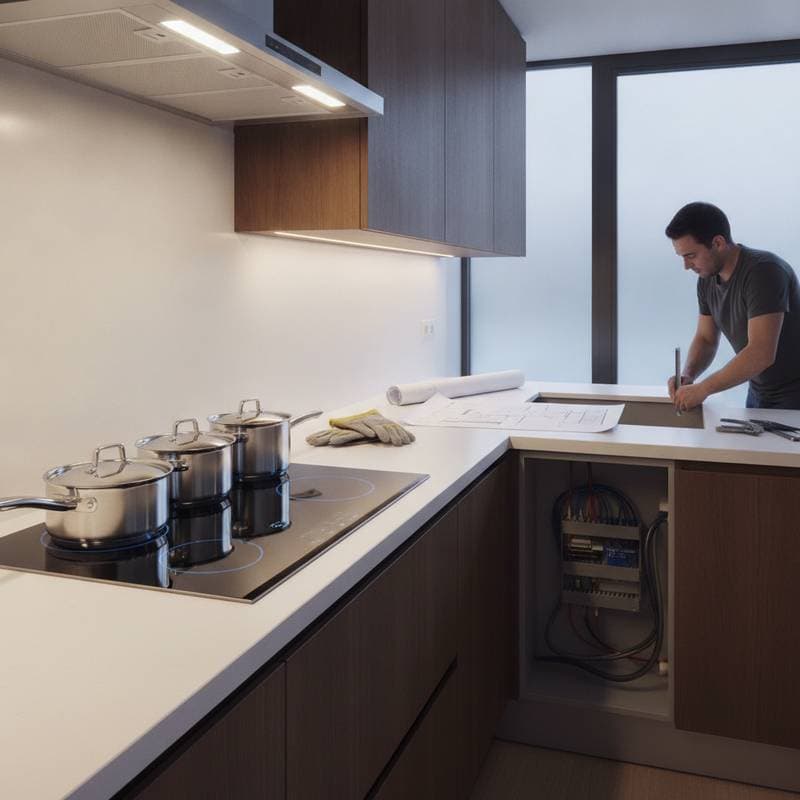
Transitioning to induction involves assessing your kitchen's electrical capacity and cookware collection. Most installations require professional wiring to handle the amperage, costing between 500 and 2000 dollars depending on existing setup. Portable single-burner units serve as affordable entry points, ideal for renters or those testing the technology.
Ensure cookware compatibility by using a magnet test: if it sticks to the pan's base, it works with induction. Stainless steel, cast iron, and enameled options perform best, while aluminum or glass may need adapters. Manufacturers offer conversion kits to upgrade non-compatible sets, making the switch accessible.
For full renovations, integrated induction ranges combine cooktops with ovens, providing a cohesive look. Consult local codes, as some areas mandate energy-efficient appliances in updates. This preparation ensures a smooth integration that maximizes the technology's potential.
Steps for a Successful Induction Upgrade
- Evaluate your home's electrical panel for sufficient capacity.
- Test and replace incompatible cookware as needed.
- Hire a certified electrician for safe installation.
- Select models with features like power boost for high-speed tasks.
- Explore rebates for energy-efficient appliances in your region.
Embracing the 2026 Kitchen Evolution
By 2026, induction cooking emerges as the cornerstone of efficient, safe kitchens amid global shifts toward electrification. Homeowners who adopt it early gain from enhanced performance, health protections, and financial incentives. The combination of speed, safety, and sustainability positions induction not merely as an alternative but as the superior choice for forward-thinking culinary spaces.
Investing in this technology yields immediate improvements in daily routines while contributing to a greener future. Whether outfitting a new home or retrofitting an existing one, induction delivers reliable results that elevate cooking to a more precise and enjoyable art form.