Can AI Tools Truly Replace Designers in Color Matching?
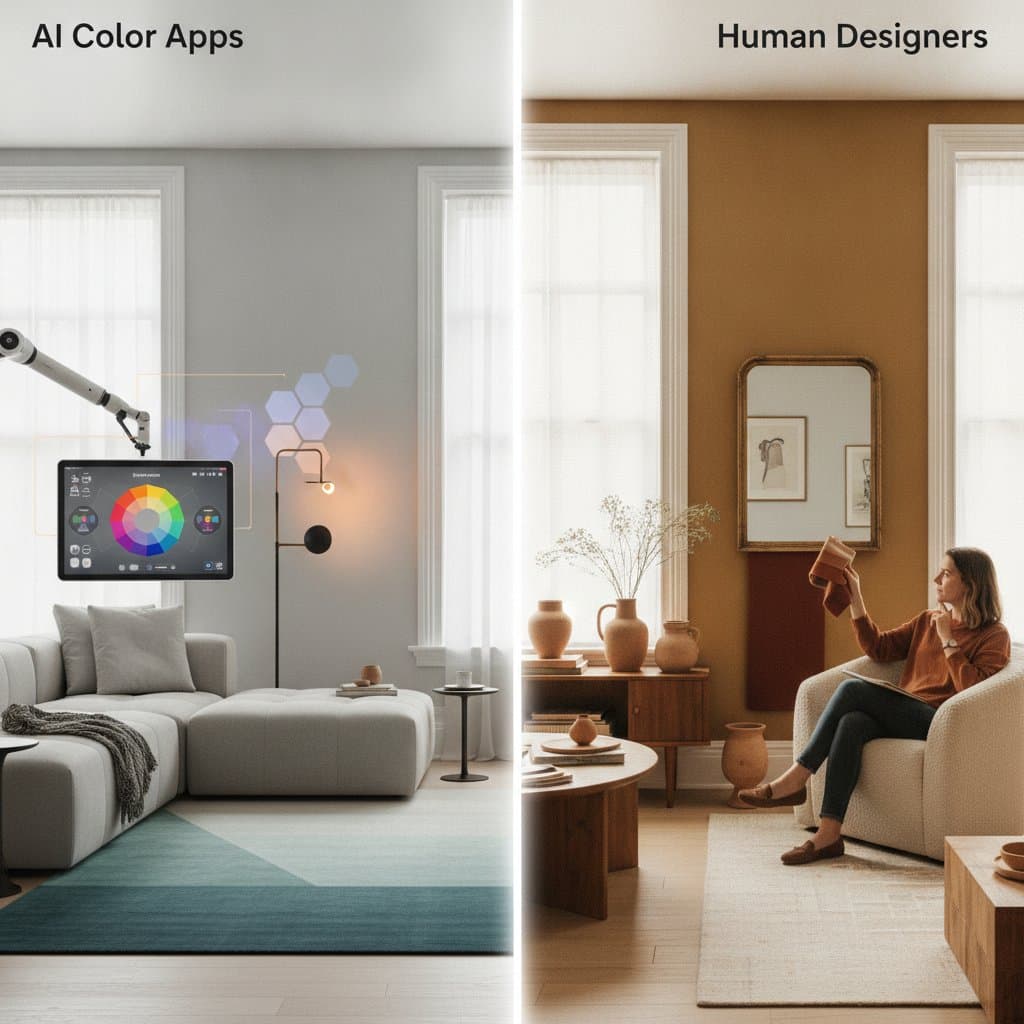
In the evolving world of interior design, artificial intelligence tools have emerged as powerful allies for color selection. These applications analyze images, suggest harmonious palettes, and democratize access to professional-level advice. However, the question remains whether they can fully supplant the nuanced expertise of human designers.
Homeowners and professionals alike turn to AI for quick solutions, but true design success often requires more than algorithms. This article explores the capabilities and shortcomings of AI color matching, highlighting how to integrate it effectively with human insight for optimal results.
Understanding AI Color Matching Tools
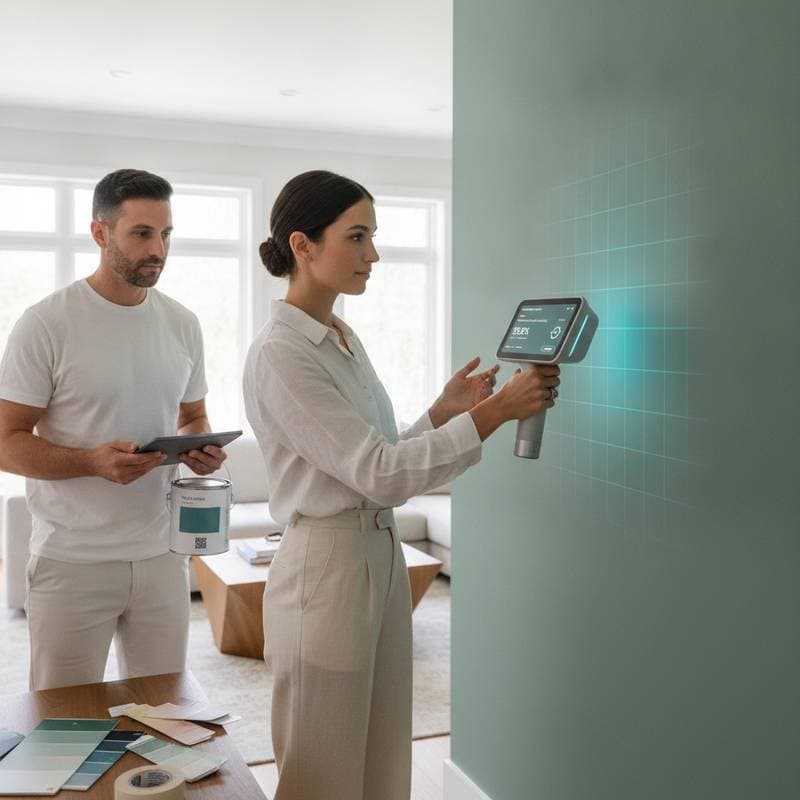
AI color matching tools function by processing visual inputs through machine learning algorithms. Users upload photographs of spaces, fabrics, or objects, and the software identifies dominant colors while proposing complementary schemes based on color theory principles. Popular applications draw from vast databases of design trends and psychological associations to generate suggestions.
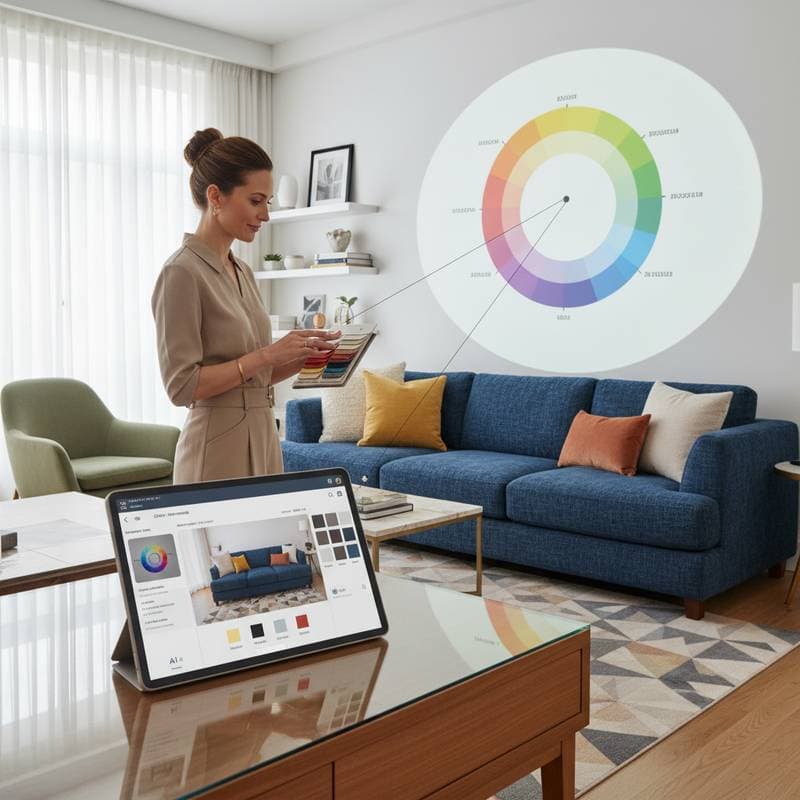
These tools excel in providing instant feedback. For instance, a homeowner photographing a living room sofa receives palette options that align with modern neutrals or bold accents within seconds. This efficiency appeals to those seeking affordable entry points into design without consulting experts immediately.
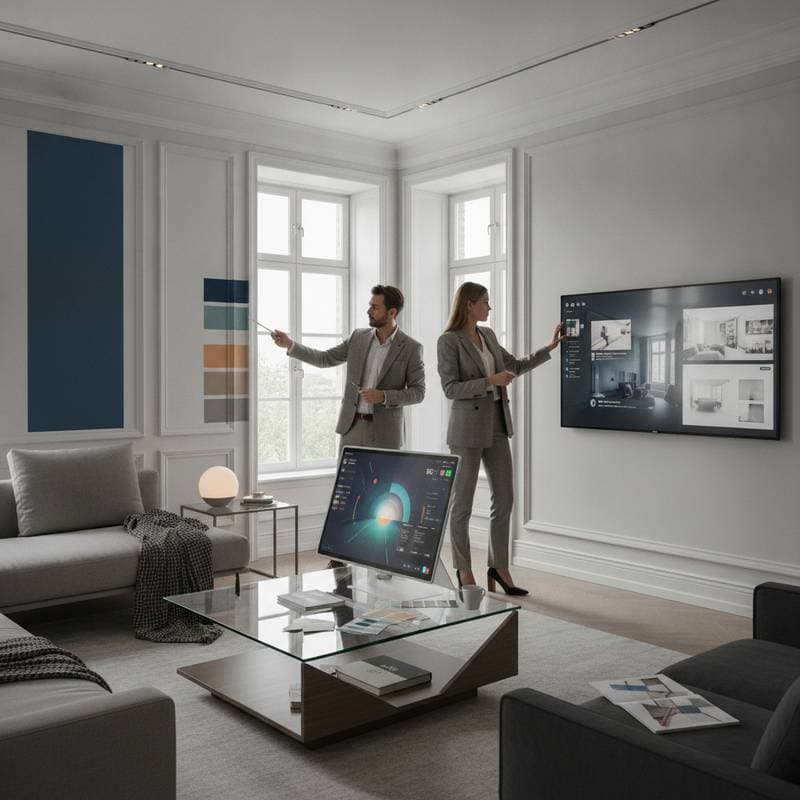
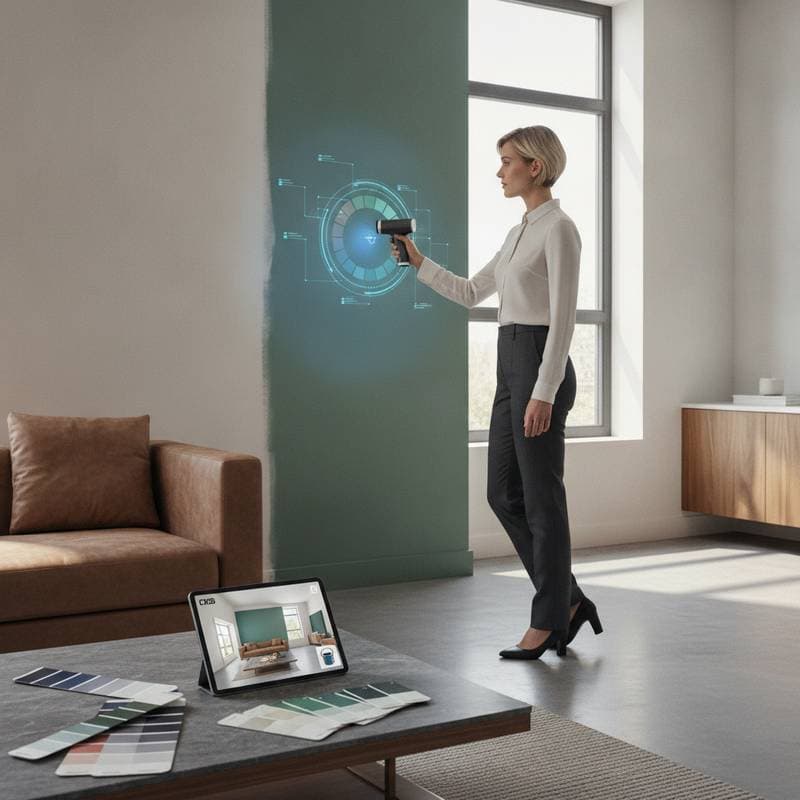
Beyond basic extraction, advanced features simulate how colors interact under different conditions. Some platforms even incorporate virtual staging, allowing users to preview palettes in rendered environments. Such capabilities make AI an indispensable starting point for ideation.
The Advantages of AI in Color Selection
One primary benefit of AI tools lies in their accessibility. Anyone with a smartphone can experiment with color schemes, eliminating barriers posed by cost or location. This inclusivity empowers novice designers to build confidence through trial and error.
AI delivers consistent, data-driven recommendations grounded in established theories like the color wheel or analogous schemes. Unlike subjective human opinions, these outputs remain reproducible, ensuring reliability across projects. Professionals use them to accelerate initial brainstorming, saving time for creative refinement.
Cost savings represent another key advantage. Traditional designer consultations often involve hourly fees, whereas AI subscriptions cost a fraction. For small-scale renovations or personal projects, this approach maximizes value without compromising basic quality.
Limitations That AI Cannot Overcome
Despite their strengths, AI tools fall short in capturing contextual subtleties. Colors do not exist in isolation; they shift dramatically under varying lighting, from natural daylight to warm incandescent bulbs. Algorithms struggle to predict these real-world dynamics accurately.
Emotional and cultural nuances also evade AI's grasp. A palette evoking calm in one setting might feel oppressive in another, depending on personal experiences or regional preferences. Designers draw from years of observing client reactions to tailor choices that resonate deeply.
Technical inaccuracies arise too. Uploaded images may suffer from poor quality or color distortion, leading to flawed analyses. Without hands-on material swatches or site visits, AI cannot account for texture interactions, such as how velvet absorbs light differently from matte paint.
The Indispensable Expertise of Professional Designers
Human designers bring irreplaceable intuition honed through extensive practice. They assess entire spaces holistically, considering architecture, furniture, and lifestyle factors that influence color harmony. This comprehensive view ensures cohesive outcomes beyond mere palette generation.
Experience enables designers to navigate challenges like color fading over time or compatibility with existing elements. They recommend specific shades from trusted brands, factoring in durability and environmental impact. Such details elevate designs from functional to transformative.
Collaboration with clients fosters personalized solutions. Designers interpret verbal cues and moods to refine selections, creating spaces that reflect individual identities. AI lacks this empathetic dialogue, often resulting in generic proposals.
Integrating AI with Designer Expertise: Actionable Strategies
To harness AI effectively, start by using it for preliminary exploration. Upload multiple room angles to generate diverse palettes, then narrow options based on personal preferences. This step identifies viable directions without overwhelming choices.
-
Gather References: Collect images of inspiring spaces and run them through AI to extract underlying schemes. Note recurring themes to inform discussions with designers.
-
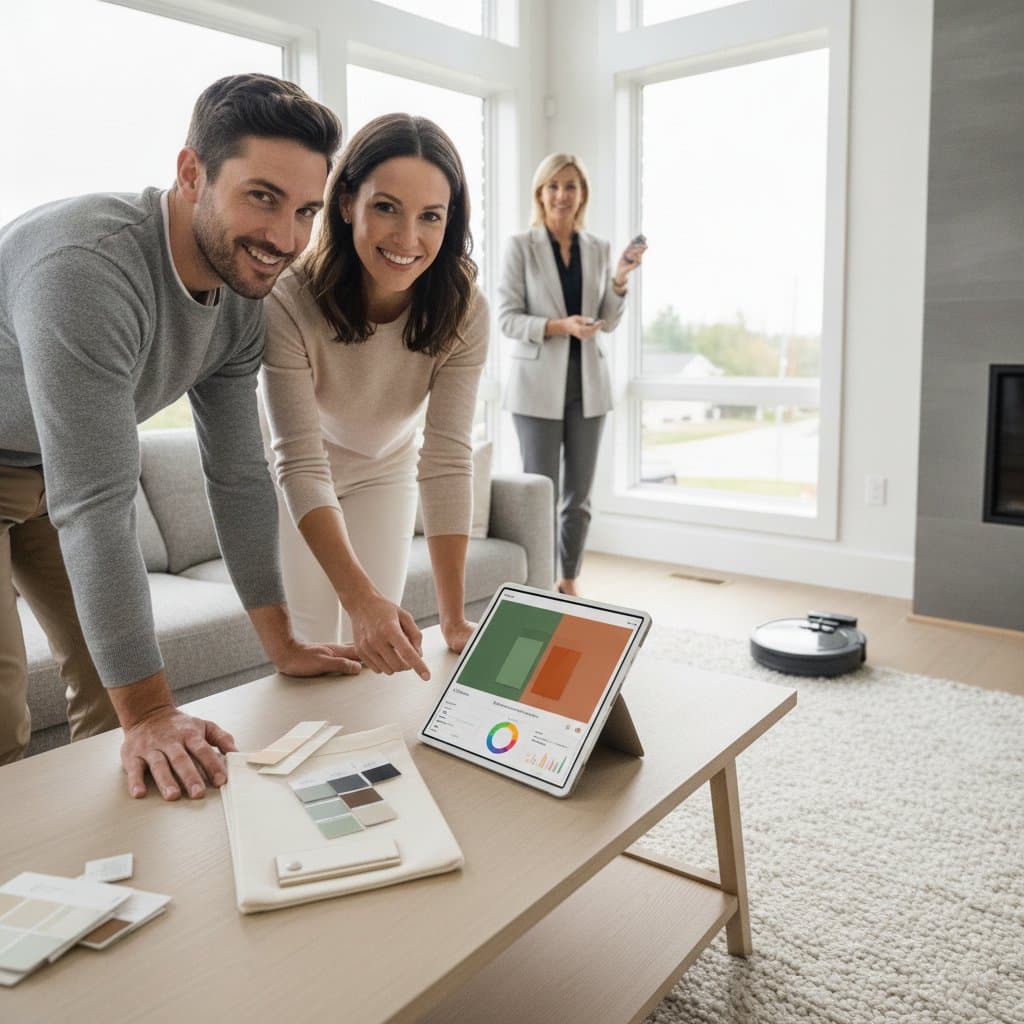
Test in Context: Apply AI suggestions to digital mockups, but validate with physical samples under actual lighting. Designers can then adjust for precision.
-
Iterate Collaboratively: Share AI outputs with professionals early. They refine algorithms' ideas, incorporating bespoke elements like custom millwork colors.
-
Monitor Trends: Use AI to track evolving styles, such as sustainable earth tones, and pair with designer's knowledge of timeless principles.
-
Evaluate Outcomes: After implementation, assess how the hybrid approach performs. Adjust future workflows based on what enhances satisfaction.
These steps blend technology's efficiency with human creativity, streamlining projects while preserving quality.
Achieving Lasting Impact Through Balanced Color Design
The synergy of AI and designers unlocks superior home environments. Homeowners gain tools for informed decisions, while professionals amplify their efficiency. This partnership not only resolves color challenges but also inspires innovative aesthetics.
Ultimately, color matching transcends technical matching; it shapes emotional experiences. By leveraging both AI's precision and designer's artistry, individuals create spaces that endure and delight. Embrace this integrated method to transform ordinary rooms into personalized sanctuaries.