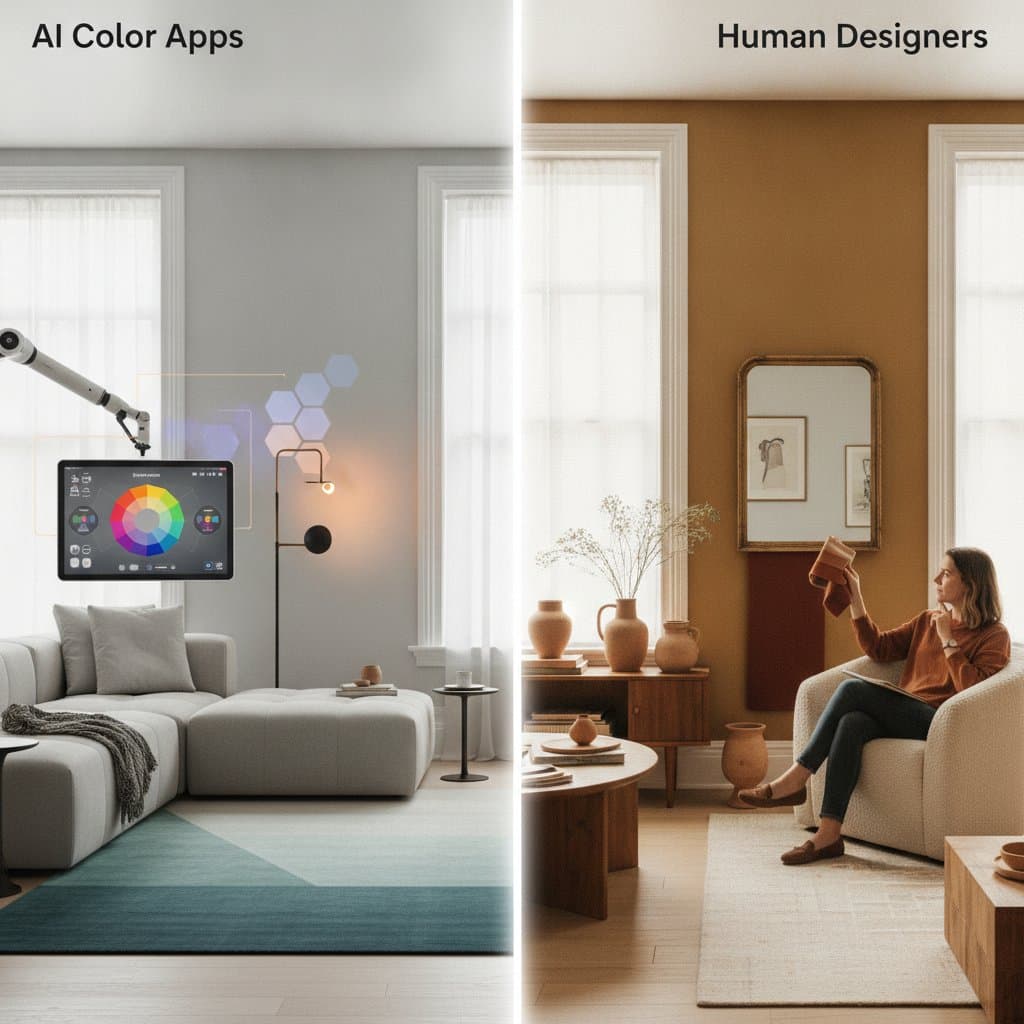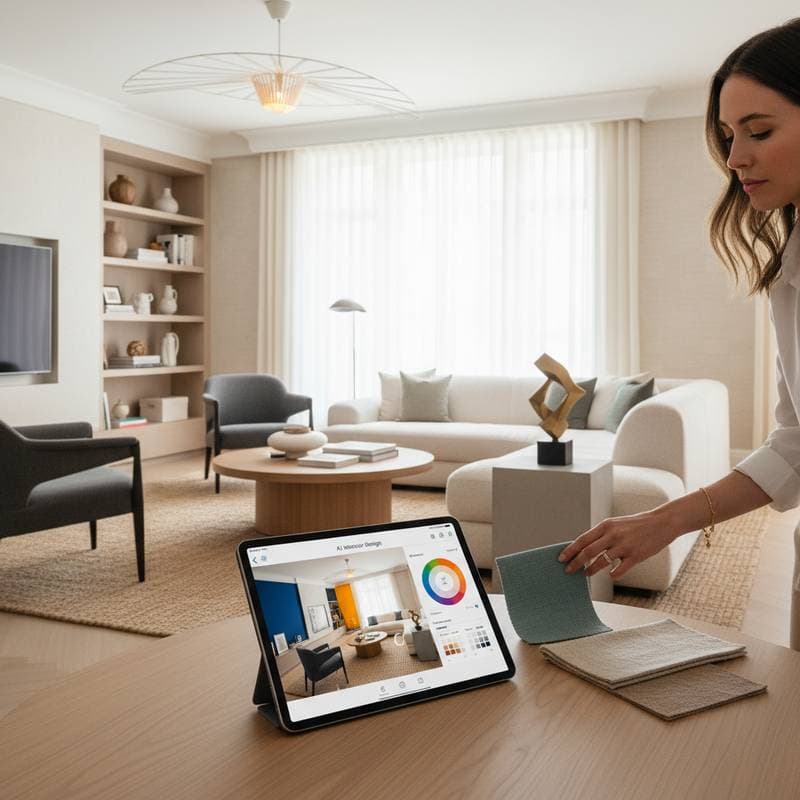
Are AI Tools Replacing Designers for Perfect Home Colors?
Choosing paint colors remains one of the most challenging aspects of home design. A shade that appears ideal on a sample card often disappoints when applied to walls. Homeowners frequently invest significant amounts in test samples, only to repaint rooms multiple times. With the rise of artificial intelligence tools and color-matching applications, questions arise about whether these innovations can supplant professional designers in selecting ideal home colors.
As a remodeling contractor who has observed color errors disrupt numerous projects, I recognize both the potential and the risks of overdependence on digital solutions. The technology impresses with its capabilities, yet it demands a trained eye and practical assessment to translate suggestions into real-world success.
The Problems That Still Need Human Eyes
Professionals in contracting and design understand that color behaves dynamically. It shifts based on lighting, surface sheen, texture, and room orientation. AI tools generate predictions from data sets, but they lack the ability to observe a space physically and evaluate how natural or artificial light alters appearances. This gap frequently results in expensive revisions.
1. Lighting Conditions Are Often Misread
Advanced AI applications sometimes err in assessing illumination. A hue that simulates well under virtual daylight might seem muted under actual fixtures or window orientations. Homeowners have repainted full rooms after discovering discrepancies between digital previews and physical outcomes.
2. Texture and Finish Influence
Paint shades interact variably with different finishes, such as matte, satin, or gloss. AI platforms seldom factor in how sheen alters visual perception. For instance, a deep tone in matte finish conveys subtlety and elegance, whereas the same tone in gloss appears stark or overly reflective.
3. Emotional and Personal Reactions
Algorithms cannot predict individual emotional responses to environments. A digitally designated "calming" color might evoke chilliness or sterility for a particular occupant. Designers and contractors develop skills in interpreting client feedback to recommend selections that resonate personally, beyond mere aesthetics.
4. Integration with the Whole Home
AI focuses on isolated areas, yet color decisions must harmonize across the residence. Experts evaluate transitions between rooms, visual pathways, and the overall impact on atmosphere and equilibrium. Applications typically overlook these broader considerations.
How to Use AI Color Tools Wisely
When applied thoughtfully, AI color tools serve as valuable resources. Success depends on acknowledging their constraints and incorporating them into established design processes. Below are recommendations for leveraging them effectively with clients.
1. Start With AI, Then Verify in Person
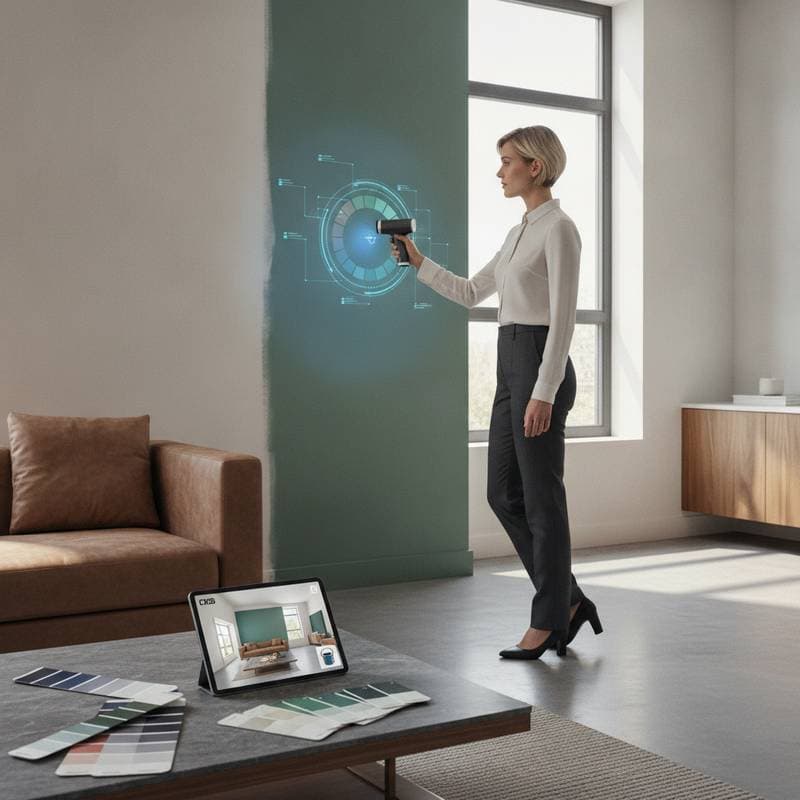
Employ the application to brainstorm preliminary options, but procure small paint samples for on-site testing. Examine the colors under varying daily light conditions prior to purchasing larger quantities.
2. Use Apps as Communication Tools
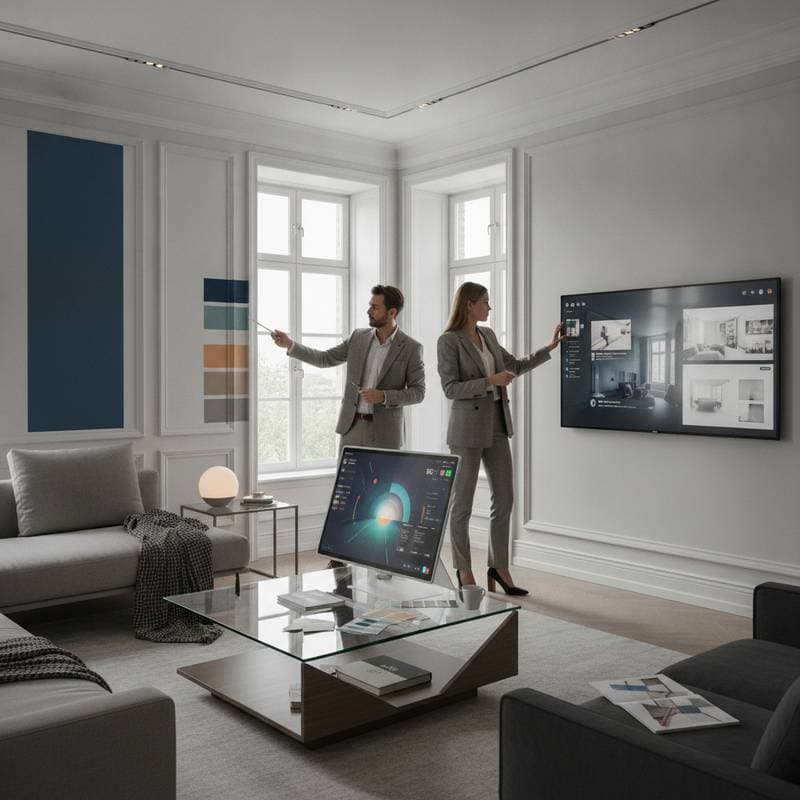
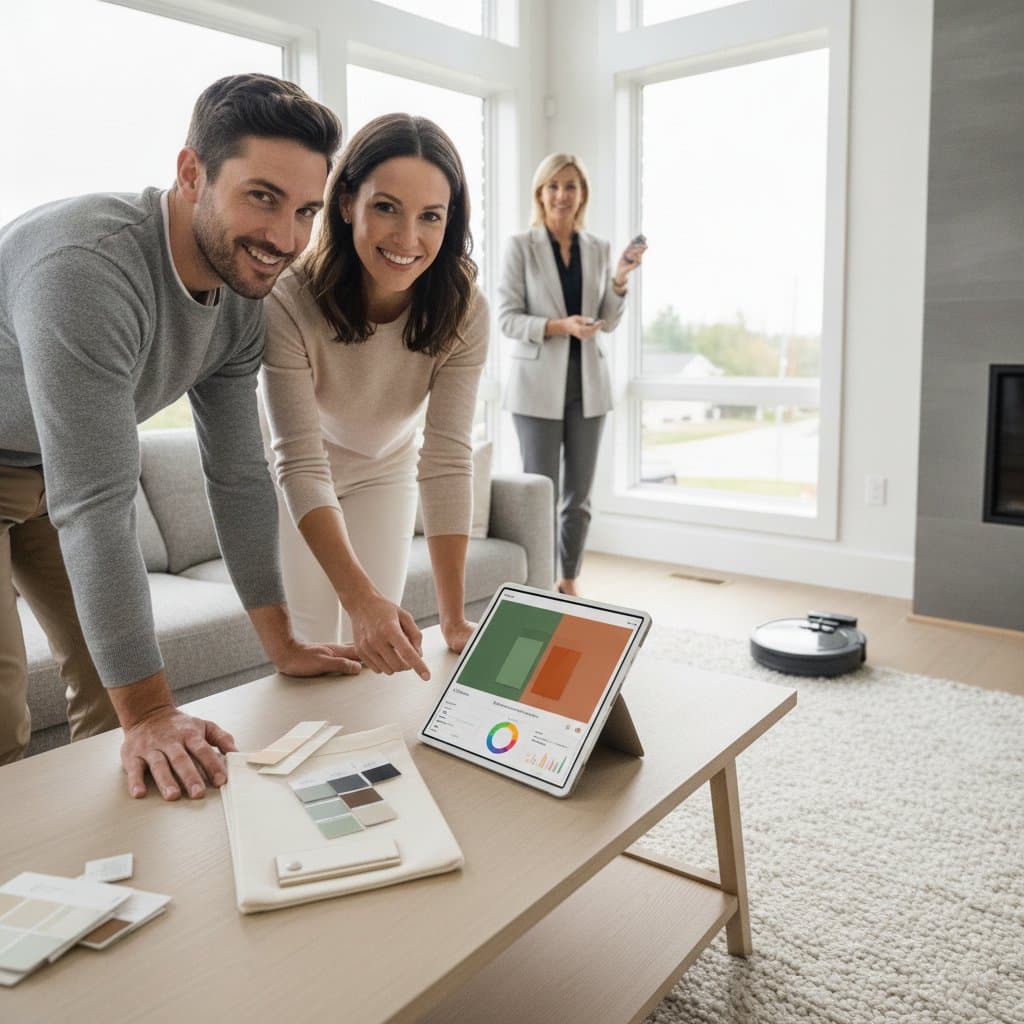
Color-matching features enable homeowners to articulate preferences clearly to professionals. Such visuals minimize misunderstandings and accelerate consensus.
3. Compare Against Fixed Elements
Prior to confirmation, juxtapose the selected color with permanent features like flooring, tiles, and cabinetry. Photographs may not capture these accurately for AI analysis, necessitating hands-on checks.
4. Keep the Finish in Mind
Alignvisuals with the intended paint sheen. Request physical samples in the specified finish from suppliers to validate the appearance.
5. Stay Realistic About Monitors and Screens
Display devices render colors inconsistently. Professionals calibrate monitors to minimize variances. Avoid sole dependence on mobile or tablet views.
The Designer’s Continuing Role
While AI streamlines aspects of color selection, it cannot duplicate human discernment. Designers provide irreplaceable expertise through several key functions.
- Understanding Human Behavior: They interpret subtle emotional signals, assisting clients in pinpointing why specific colors evoke comfort or discomfort.
- Managing Cohesion Across Spaces: Professionals orchestrate color continuity in open layouts, corridors, and adjacent exteriors.
- Balancing Trends and Timelessness: Seasoned experts balance contemporary appeal with enduring suitability.
- Problem Solving in Real Time: In cases of unforeseen interactions with light or surfaces, designers adapt strategies promptly.
In practice, digital inputs from color tools initiate ideation and refine options. However, ultimate decisions stem from on-site evaluation of light dynamics and reliance on accumulated expertise.
Integrating Technology for Lasting Home Results
AI innovations reshape color selection for homeowners, offering accessible professional-grade guidance without initial consultations. Prudent application enhances efficiency without supplanting expertise. View applications as foundational aids, not definitive solutions. Conduct physical trials under site-specific conditions and materials. Seek professional input for uncertainties to avoid substantial investments in revisions.