AI Tools Revolutionizing Home Color Choices
Standing in a paint aisle, you face dozens of color chips that blend together under harsh fluorescent lights. One shade appears too cool, another too warm, yet none matches the vision for your living room. Snapping a phone photo seems helpful, but the color shifts dramatically once home. Selecting paint colors often proves more challenging than expected.
Traditional methods depended on trial and error, expensive sample pots, and endless second-guessing. Artificial intelligence now alters this landscape. These tools examine your space, forecast color performance under actual lighting, and propose pairings that complement furniture and floors. Homeowners benefit from quicker choices, reduced errors, and greater assurance in their designs.
This article explores the ways AI reshapes home color selection, available applications and platforms, operational mechanics, and practical expectations regarding expenses and outcomes.
How AI Enhances Color Selection Accuracy
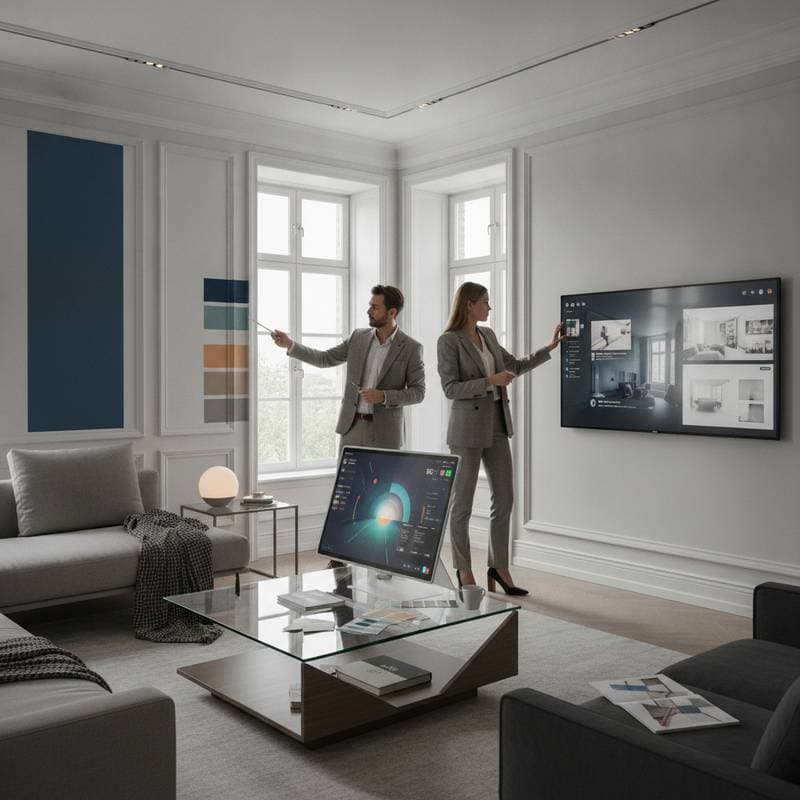
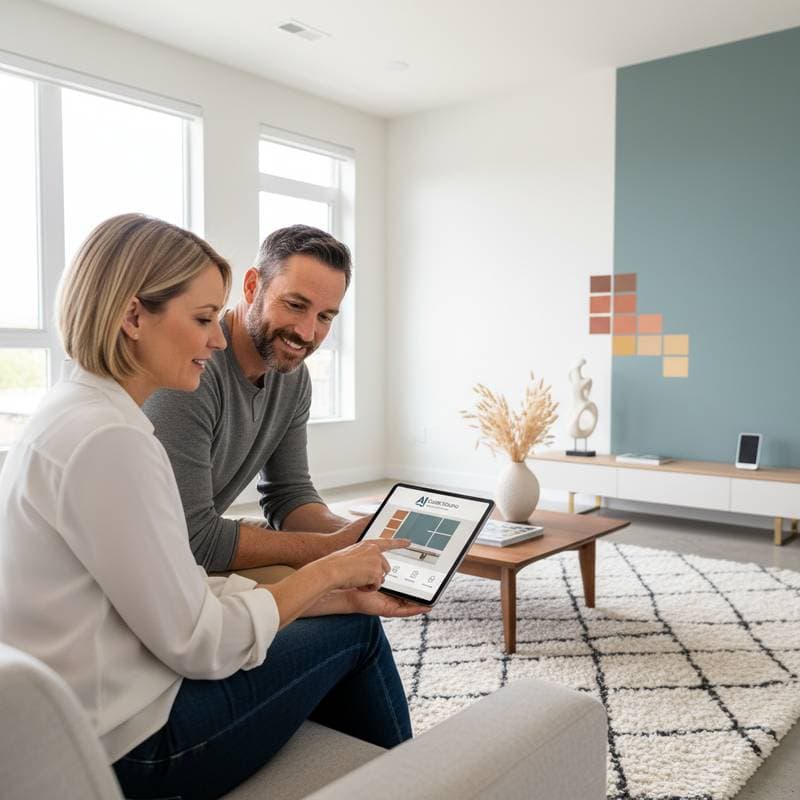
AI-driven color tools leverage machine learning to assess room images and align potential paints or finishes with data-driven patterns. The system detects subtle undertones, contrast degrees, and saturation levels that escape casual observation. Consider the process in these stages:
- Upload a photo or video of your room or an inspirational scene.
- The AI examines the image for lighting conditions, wall textures, and current hues.
- It generates color combinations aligned with your style, from warm neutrals to striking contrasts or serene coastal schemes.
- Preview the options through virtual simulations showing effects on walls, trim, or cabinetry.
Certain platforms refine digital visuals according to your home's light patterns, yielding lifelike projections. This approach removes uncertainty prior to purchasing any paint.
Step-by-Step Guide: Using AI for Your Next Paint Project
Integrate AI tools to secure decisions without committing to paint application. These steps yield dependable outcomes.
1. Gather Clear Reference Photos
Capture images in ample natural light from various perspectives. Incorporate furniture, flooring, and trim to allow the AI to assess light-material interactions. Steer clear of flash, which alters color fidelity.
2. Upload and Input Preferences
Platforms typically accommodate specifications for color families, desired atmospheres, or reference visuals. Provide detailed inputs for precision. Greater detail enhances recommendation quality.
3. Compare Virtual Renderings
Examine color applications on your walls through previews. Advanced apps enable adjustments for finishes or light shifts, from midday sun to lamplight. Such features reveal daily color variations.
4. Order Paint Samples or Swatches
Digital tools offer strong guidance, yet they cannot duplicate dried paint adhesion. Apply actual samples in sizable areas, at least two feet across, to evaluate under ambient conditions.
5. Confirm Paint Sheen and Finish
AI primarily addresses hue rather than texture. Experiment with sheens like matte, eggshell, or semi-gloss, as each alters perceived depth and light reflection. Select based on room function, such as durable satin for high-traffic zones.
What Makes AI-Driven Color Selection Reliable
AI thrives in recognizing patterns. It evaluates color interplay, anticipates shifts across lighting scenarios, and uncovers undertones beyond typical perception. Many systems employ deep learning from vast datasets of actual interiors.
Key technical benefits, simplified:
- Color calibration: Algorithms adjust for photographic inaccuracies, ensuring wall tones reflect true appearances.
- Lighting analysis: The tool quantifies light intensity and shadows to mimic both daylight and indoor illumination.
- Palette harmony: Computations draw from design theory to suggest complementary or analogous schemes.
AI supports informed choices grounded in data, complementing individual preferences without overriding them.
Return on Investment and Long-Term Value
Updating colors ranks among the simplest home refresh tactics. A thoughtful palette expands perceived space, enhances brightness, and fosters unity. AI minimizes experimentation, curbing excess purchases like multiple sample jars or rework coats, which translates to tangible economies.
Users of AI matching frequently express elevated contentment with outcomes. Virtual previews diminish second thoughts and build certainty. For market preparation, AI identifies appealing neutrals or locale-specific trends through data review, potentially elevating property attractiveness.
Common Mistakes and How to Avoid Them
Technology aids greatly, yet pitfalls persist. Address these to safeguard your efforts:
- Depending solely on digital previews. Validate with physical samples every time.
- Overlooking finish variations. Identical hues transform dramatically between matte and glossy applications.
- Capturing photos in suboptimal light. Overcast or tinted bulbs skew AI interpretations.
- Excessive personalization. Vibrant or fleeting trends may hinder future sales.
- Neglecting surface preparation. Superior color fails against flawed substrates; prime and repair as needed.
Sidestepping these ensures AI yields results rivaling expert work within budget constraints.
Pro Tips for Maximizing AI Color Tools
Select platforms like Benjamin Moore's Color Capture or Sherwin-Williams' ColorSnap for brand-aligned suggestions. Integrate tools with smart home apps to factor in seasonal light changes. Collaborate with interior apps such as Havenly for holistic room redesigns incorporating AI palettes. Track evolving trends via AI-updated databases to maintain timeless appeal. Finally, document your process with before-and-after visuals to refine future projects.