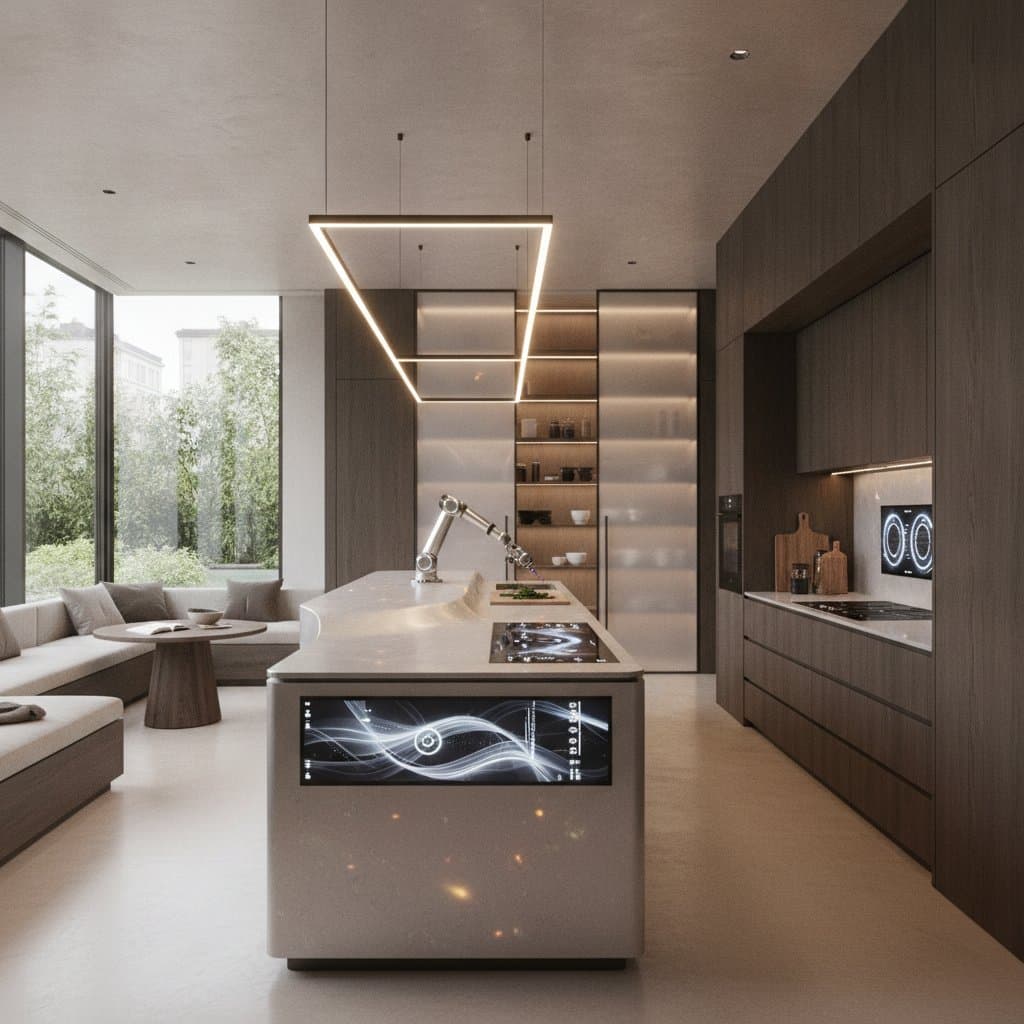
Experience AI Kitchen Layouts That Truly Adapt to You
Every home tells its story through the kitchen. It is the space where design meets daily life. Thoughtful planning affects how people cook, gather, and connect.
The new generation of adaptive kitchen layouts, powered by intelligent design software, brings a higher level of personalization. These are not static blueprints. They are flexible systems that respond to how you live, move, and create.
1. Intelligent Space Planning
Adaptive kitchen design begins with data, but it ends with intuition. Systems like SketchUp Pro AI Layout Assistant and Autodesk Forma analyze how users interact with their environment. They then generate configurations that improve flow and comfort.
Imagine a layout that learns your cooking rhythm. It adjusts counter heights and appliance placement to reduce unnecessary steps. Designers refine these suggestions to blend precision with aesthetic sensitivity.
2. Material Intelligence
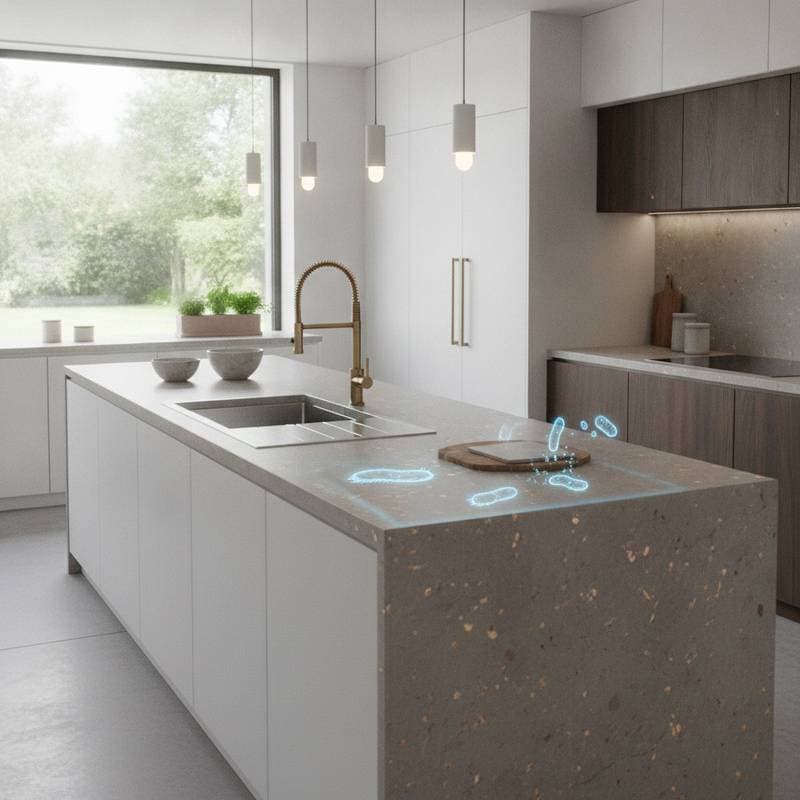
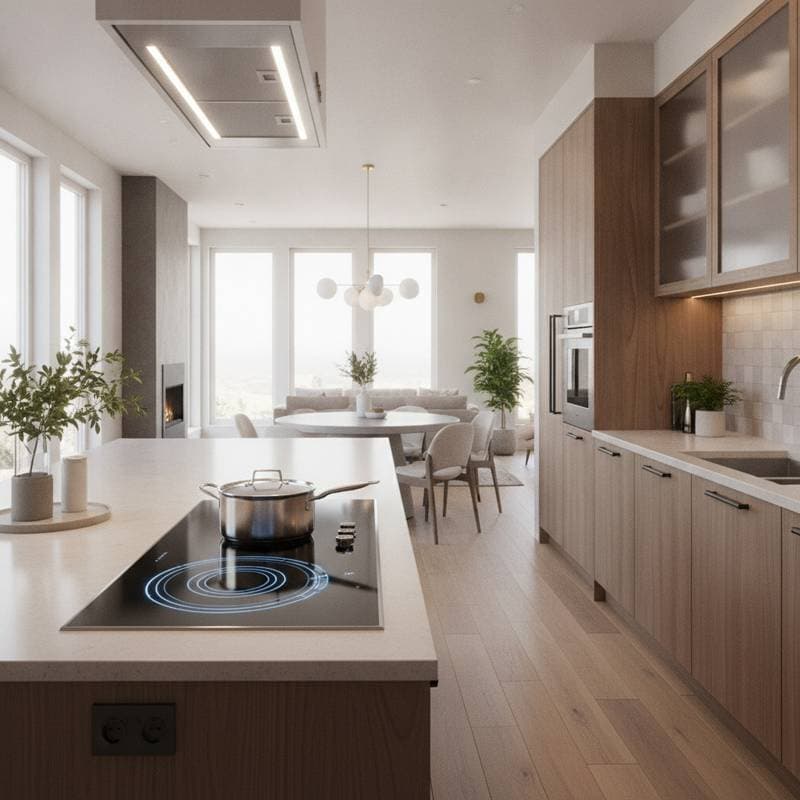
Beyond layout, adaptive tools now predict material performance. A kitchen finished in European oak cabinetry by Henrybuilt or matte Fenix NTM surfaces can be virtually tested for light absorption and wear over time. The result is a design that looks beautiful on day one and continues to function efficiently years later.
These systems consider humidity levels, cleaning habits, and natural light exposure before finalizing material recommendations. Technology understands patina and aging as part of design longevity.
3. Lighting That Learns
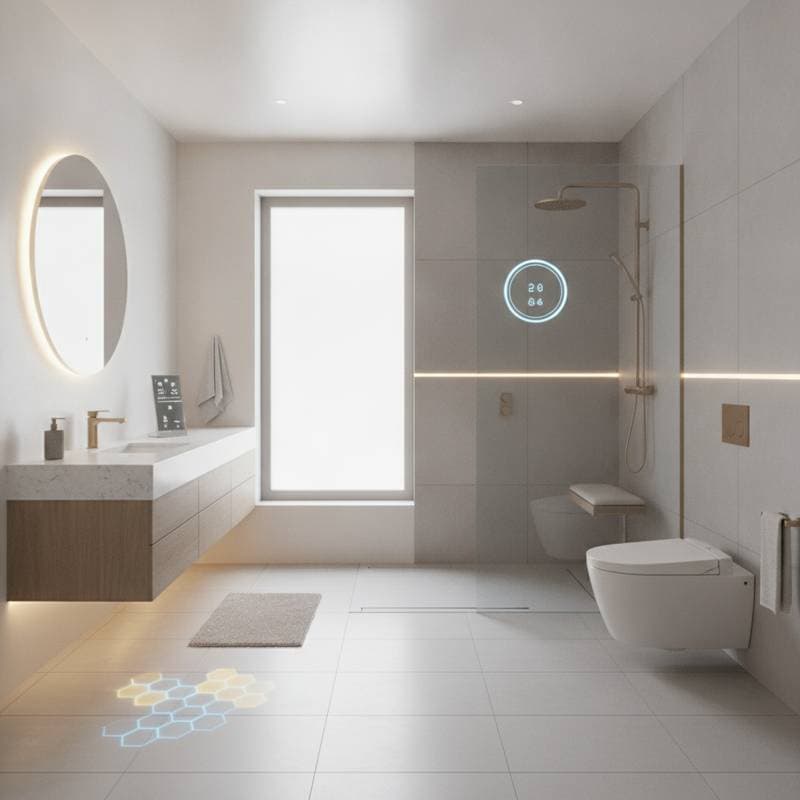
Lighting has always shaped the emotional atmosphere of a kitchen. With adaptive systems like Lutron Athena or Philips Hue Bridge Pro, lighting scenes can shift based on activity. Morning brightness for breakfast preparation transitions to a dimmer warmth for evening dining.
These systems read ambient light and occupancy. They create an environment that feels naturally responsive. Designers use this intelligence to sculpt the visual rhythm of cabinetry, backsplashes, and countertops.
4. The Human-Centered Interface
The most successful adaptive kitchens balance automation with control. Through interfaces like Control4 Smart Kitchen Hub, users can adjust settings manually while the system refines its predictive model in the background. The software learns your preferred temperature for baking or the brightness you favor while entertaining.
Over time, it creates a tactile relationship between user and environment that feels almost conversational.
5. Aesthetic Integration
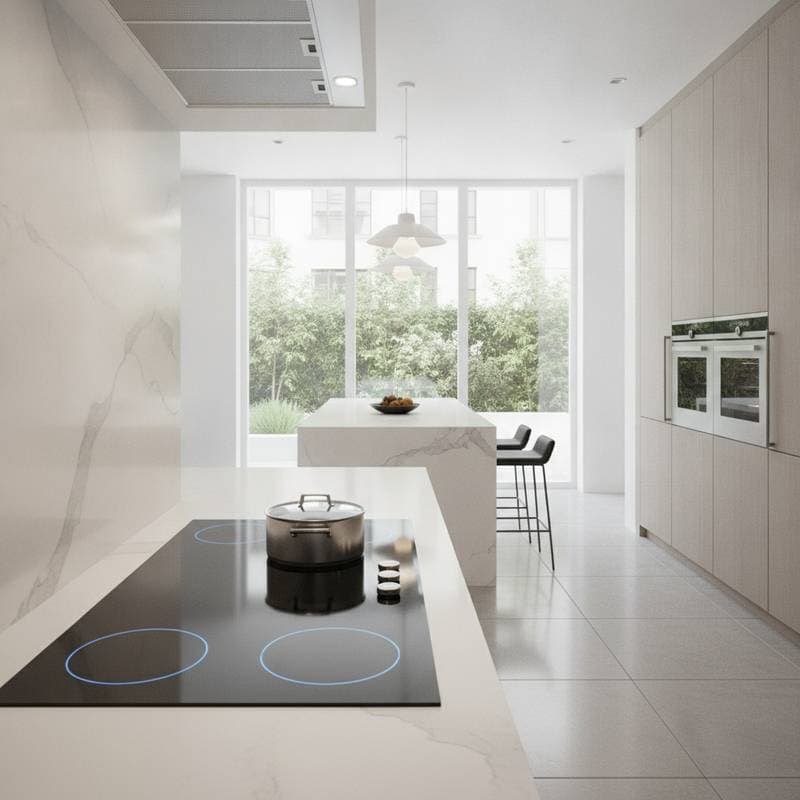
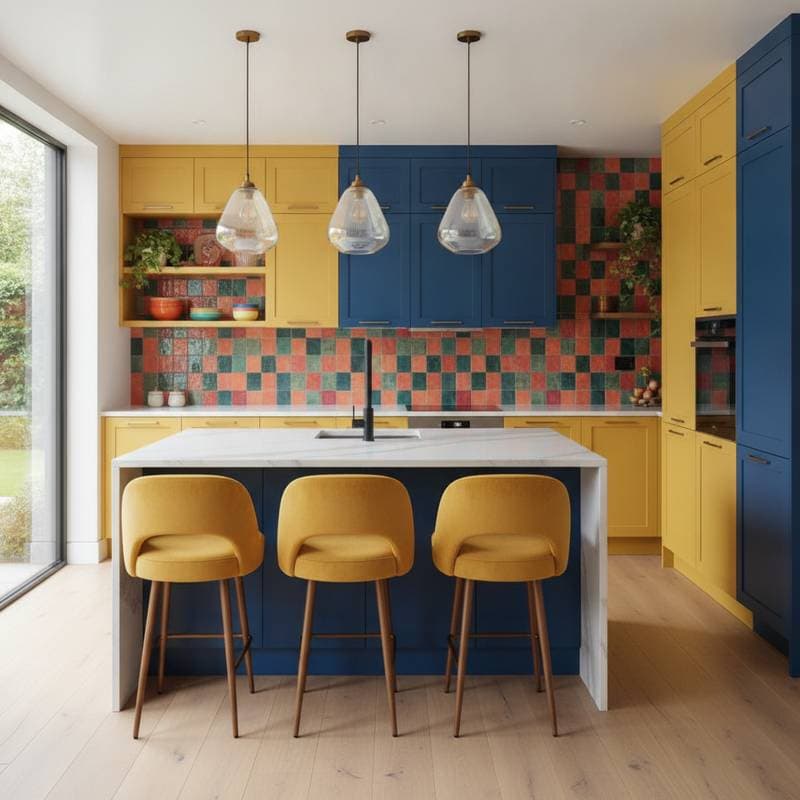
Adaptive design does not compromise beauty for function. A kitchen by Studio McGee or deVOL Kitchens still holds its crafted soul, even when guided by AI-assisted planning. Cabinetry in soft Benjamin Moore Revere Pewter, paired with honed Calacatta marble, gains coherence when lighting, ventilation, and workflow are mapped intelligently.
Technology becomes an invisible collaborator, not an intrusive presence.
Adapting Your Kitchen Over Time
An adaptive kitchen grows with its users. It learns from every gesture and choice. As lifestyles shift, the system recalibrates.
A growing family might see counter space reconfigured for shared cooking. A passionate baker might find storage optimized for new tools. The design remains responsive to change.
Adaptive kitchen layouts amplify human creativity. Architects and designers gain a new lens for understanding behavior, materials, and light. Homeowners gain a kitchen that feels deeply personal, shaped by both code and craftsmanship.