AI's Precision: Achieving Flawless Paint Matches in 2026 Homes
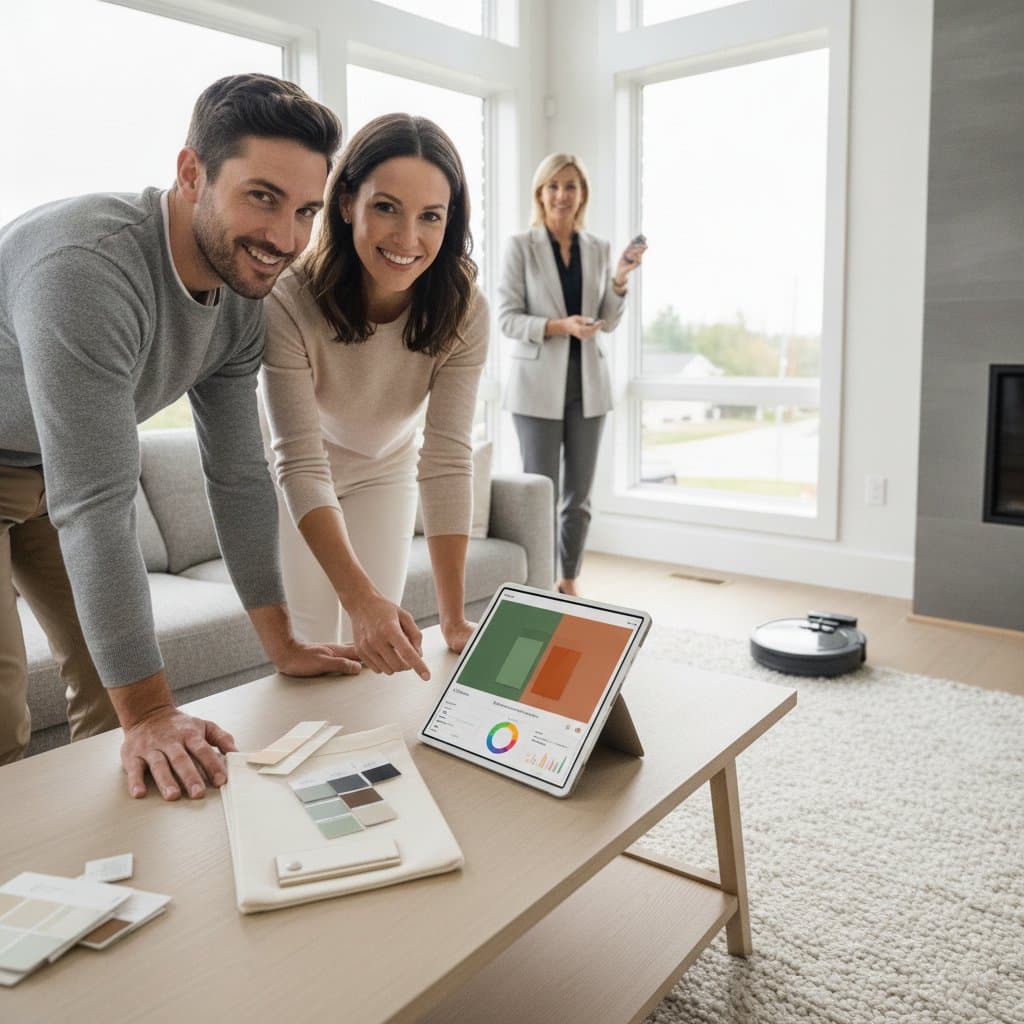
Homeowners invest considerable time in selecting paint colors, and the effort proves worthwhile. A well-chosen shade elevates a ceiling, widens a wall, or unifies a design scheme. An ill-suited color, however, transforms a promising renovation into a discordant space. Traditional paint selection blends artistry and science, yet advanced color-matching technology now redefines the process with unprecedented precision.
Experts in renovation and design recognize this evolution as essential. Clients often endure weeks of swatch comparisons under varying lights, only to face disappointment after application. AI-driven color matching delivers accuracy once unattainable, provided users apply it with informed intent to realize optimal outcomes.
Challenges in Conventional Paint Selection
To appreciate AI's contributions, consider the persistent issues in traditional methods.
-
Lighting Variations
Paint samples shift appearance between store displays and actual walls. Fluorescent lights, natural sunlight, and incandescent bulbs alter color perception. A serene gray may appear blue in morning light or beige by evening. -
Surface Textures
Drywall, plaster, and wood panels interact with light in distinct ways. Failure to account for texture leads to visual discrepancies, even with precise formulas. -
Batch Inconsistencies
Identical brand and color names yield subtle differences across batches. These variations emerge during touch-ups or partial repaints. -
Perceptual Differences
Individual factors such as age, vision, and emotional state influence color interpretation. One person's ideal tone may unsettle another.
AI addresses these variables through integrated analysis of light, materials, and human perception.
Mechanics of AI Color Matching
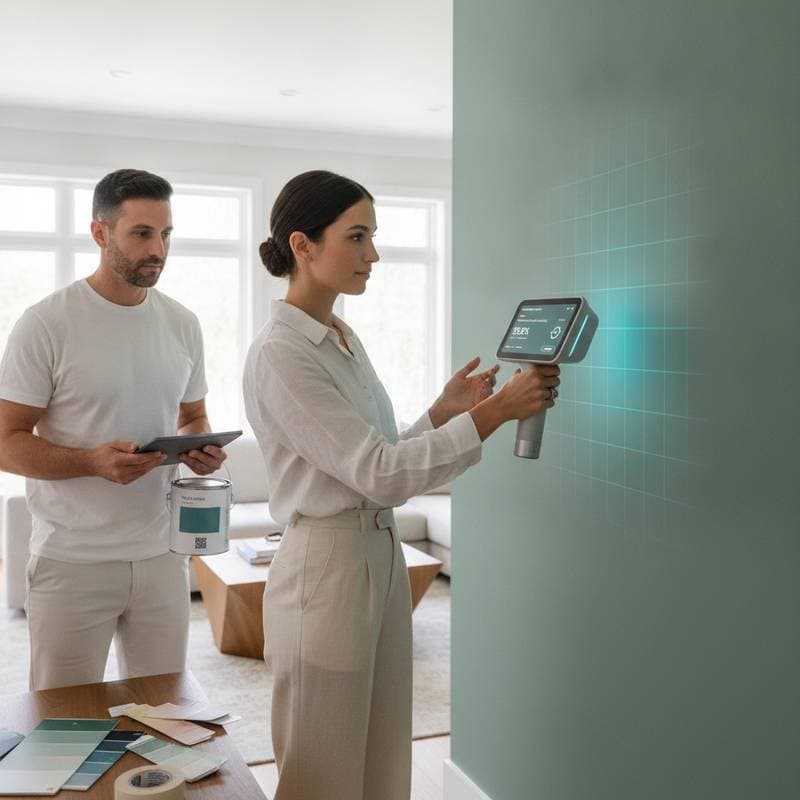
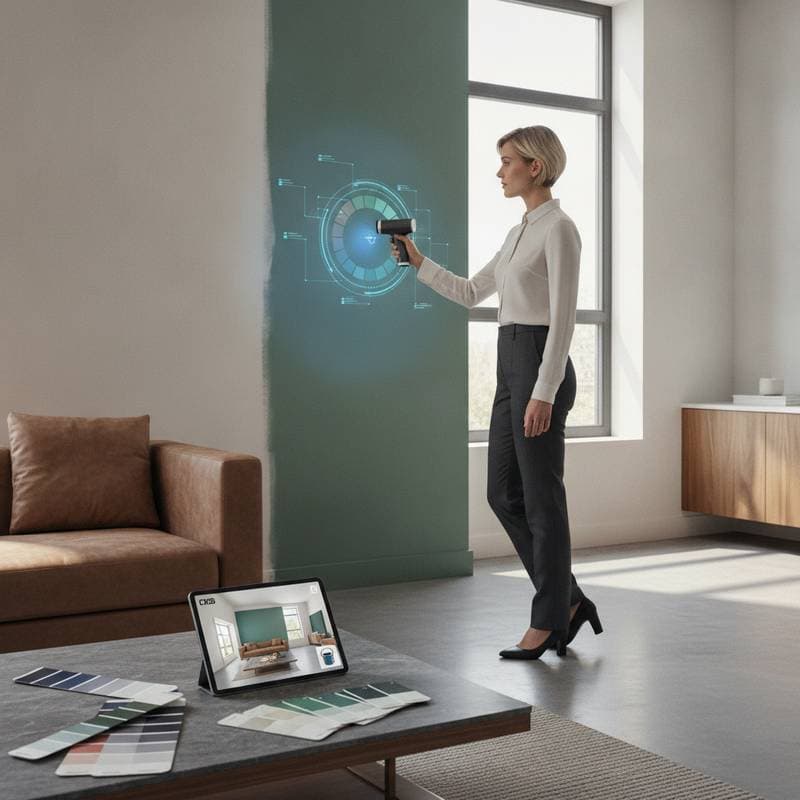
AI color matching extends beyond basic scanning; it employs image recognition, environmental assessment, and predictive algorithms for superior replication.
The process unfolds as follows:
-
Environmental Capture
Tools record room images across lighting scenarios. This data reveals how daylight and artificial sources affect color throughout the day. -
Material Evaluation
Software assesses surface texture and light reflection. Matte finishes absorb light differently from glossy ones, prompting formula adjustments for consistency. -
Database Cross-Reference
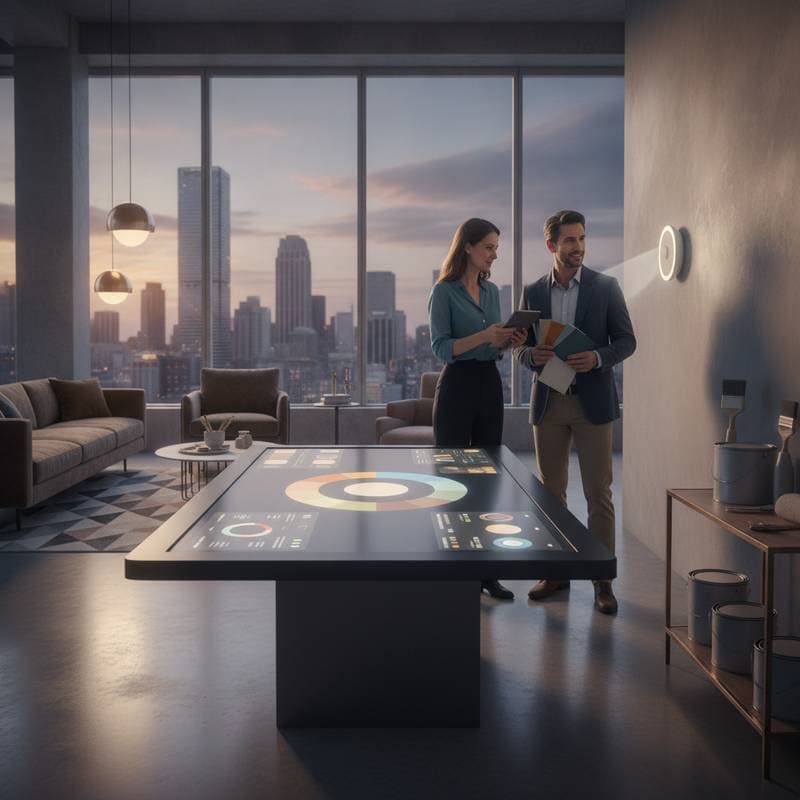
Systems consult extensive libraries of paint formulations, finishes, and design palettes. Matches extend to complementary shades that harmonize with adjacent elements like fabrics or fixtures. -
Harmony Prediction
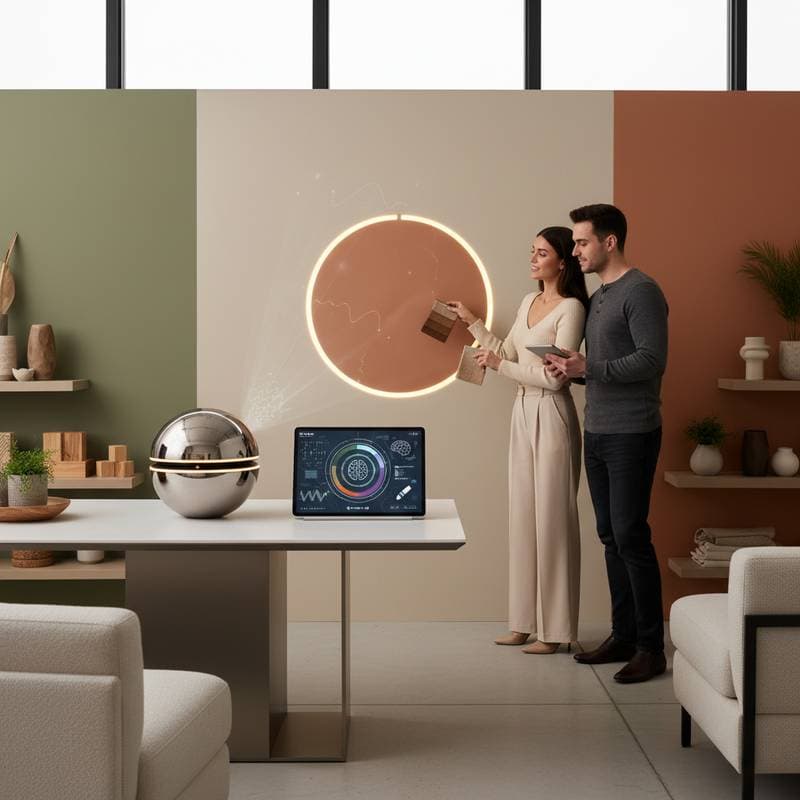
Sophisticated models incorporate color psychology and spatial balance. Recommendations align with user objectives, fostering tranquility in rest areas or vitality in active spaces.
These capabilities minimize costly revisions from undertone mismatches or lighting surprises, benefiting contractors and clients alike.
Advantages for Homeowners
This technology serves as a safeguard, not merely a novelty, empowering homeowners with dependable outcomes.
-
Minimized Errors
Previews simulate color performance across times of day, surfaces, and materials such as stone or upholstery. Homeowners visualize results without physical trials. -
Efficiency Gains
Reduced errors cut repaint needs, lowering labor expenses, material waste, and project delays. -
Enhanced Teamwork
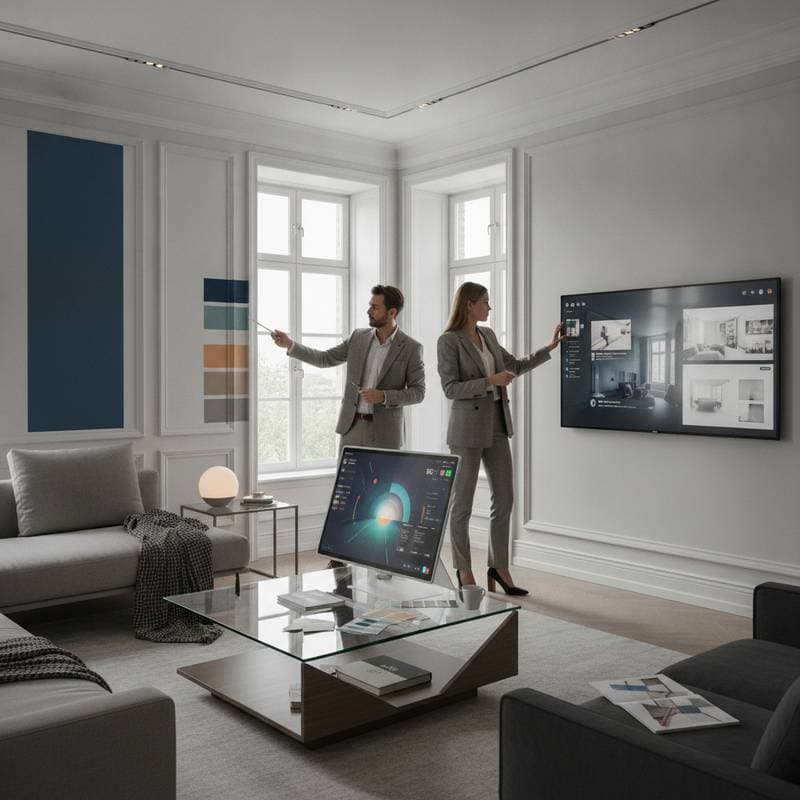
Shared digital visualizations align homeowners, designers, and painters on exact shades, preventing misunderstandings. -
Long-Term Durability
Certain systems forecast color shifts from sun exposure or moisture. Selections favor resilient options that preserve vibrancy over years.
Contractors value how such previews build client confidence, streamlining approvals and reducing conflicts.
Psychological Dimensions of Color Choices
Colors shape emotions, focus, and daily experiences beyond aesthetics. Modern AI tools integrate psychological insights to propose shades that support intended atmospheres.
In a home office, algorithms favor cool blues or gentle greens to enhance concentration and serenity. Kitchens benefit from warm neutrals or subdued yellows that invite comfort without excess energy.
Homeowners often err by prioritizing fleeting trends over enduring impact. AI balances aesthetics with science, evaluating hue interactions with surroundings and cognition. The outcome yields colors that satisfy visually and emotionally over time.
Pitfalls to Sidestep in AI Implementation
Despite its strengths, AI demands careful use to avoid setbacks. Common errors include overreliance without verification.
-
Overlooking Authentic Lighting
Digital simulations guide but do not substitute real tests. Apply sample patches to walls and monitor them across several days in natural conditions. -
Uncalibrated Equipment
Standard phone cameras or screens skew readings without calibration. Opt for supplier-endorsed professional devices or applications. -
Neglecting Preparation
Subpar wall conditions undermine matches. Clean, prime, and even surfaces ensure paint adheres and appears as intended. -
Dismissing Expert Guidance
AI supplies data; professionals provide context. Integrate outputs with contractor knowledge of real-world paint dynamics.
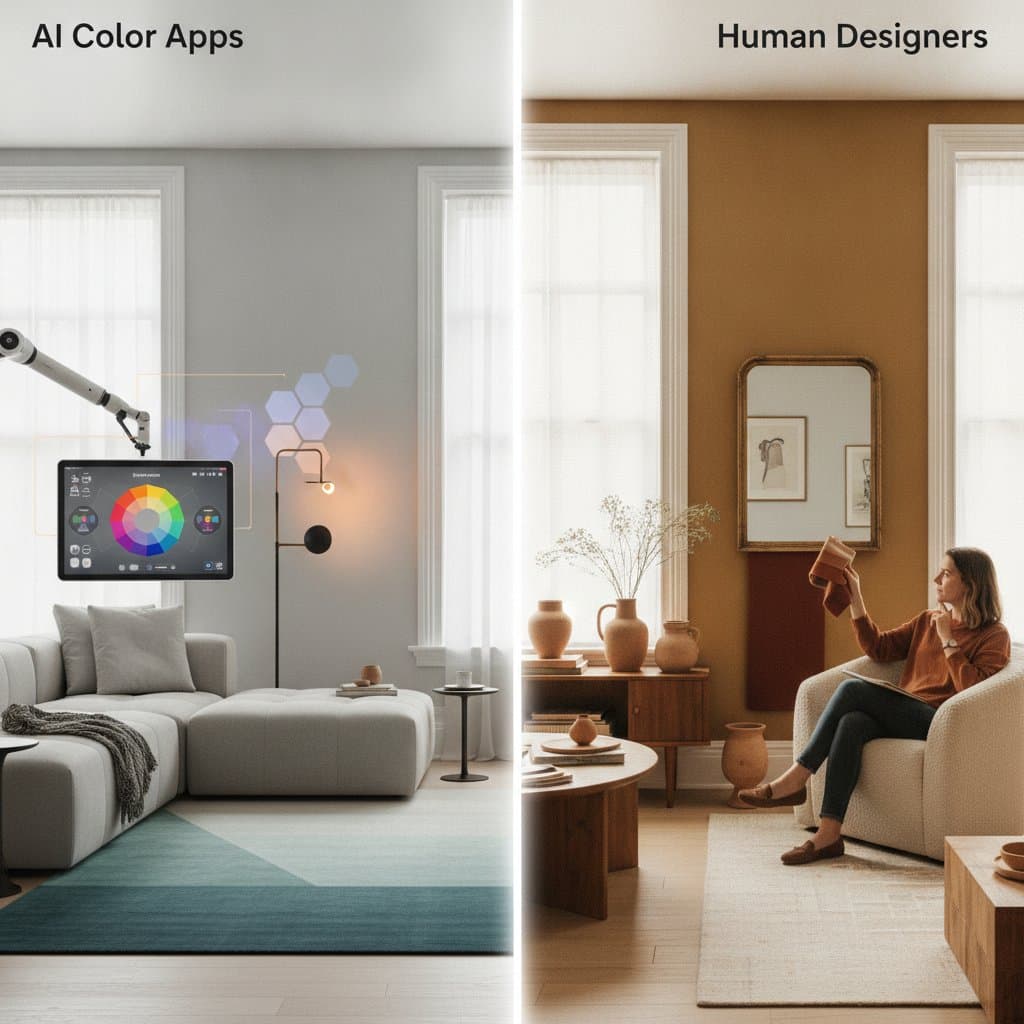
Position AI as a collaborative aid alongside human skill for superior precision and artistry.
Insights from Industry Professionals
Contractors embrace AI tools with enthusiasm, as suppliers embed scanners into workflows for on-demand matching.
In a recent endeavor, a client sought to echo the subtle blue of antique tile. Conventional approaches necessitated repeated trials; AI delivered precision on the initial attempt. The integration proved seamless, sparing additional sampling fees and effort.
Beyond speed, professionals highlight trust-building. Tangible accuracy proofs reassure clients during decisions, fostering clear dialogue and favorable resolutions.
Emerging Horizons in Paint Technology
AI color matching heralds broader innovations, soon merging with smart home ecosystems. Lighting could adapt dynamically to accentuate palettes, while sensors alert to fading for proactive upkeep.
Manufacturers explore responsive coatings that modulate tones with ambient light. Paired with AI, these ensure consistent aesthetics across daily and seasonal shifts.
For upcoming projects, this advancement promises assured, customized transformations over speculative choices.
Steps to Integrate AI in Your Project
Consult your contractor or supplier on AI tool availability before starting. Supply physical samples or photos, then review generated previews under diverse lights. Confirm with test applications on-site to finalize selections with certainty.