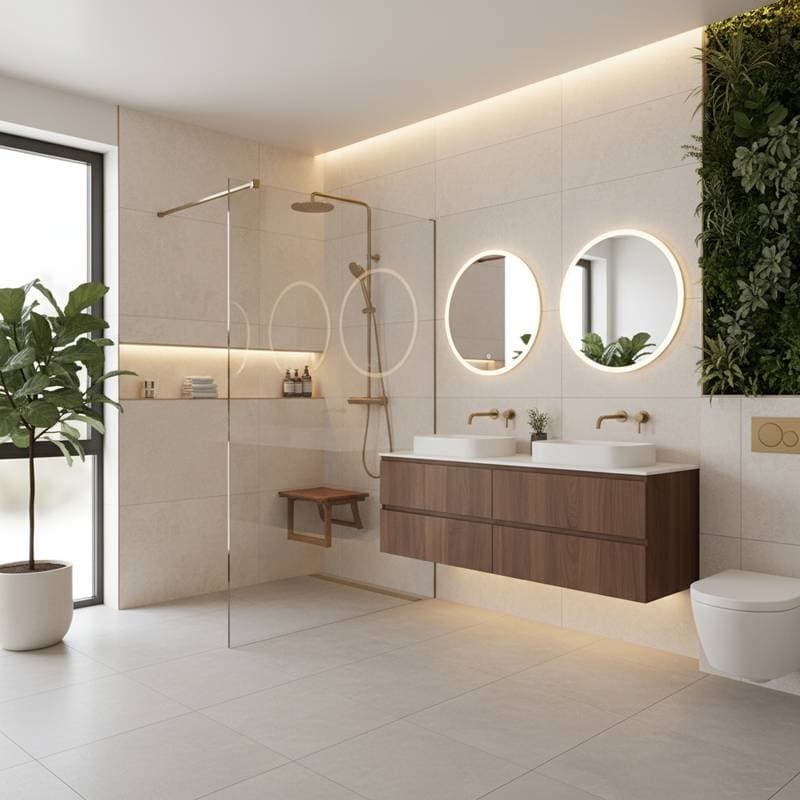
2025 Trends in Universal Design for Aging-in-Place Bathrooms
Bathroom design that adapts to changing needs requires careful integration of aesthetics and functionality. Universal design principles create spaces that support independence while maintaining an inviting atmosphere. In 2025, these bathrooms emphasize subtle innovations that prioritize safety without sacrificing elegance.
10. Seamless Entry Showers
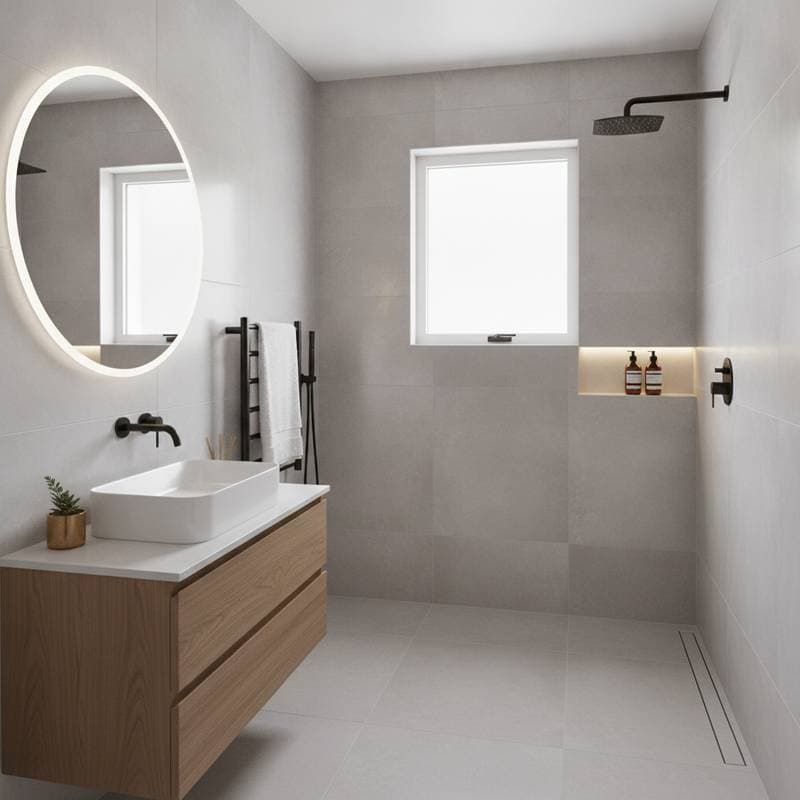
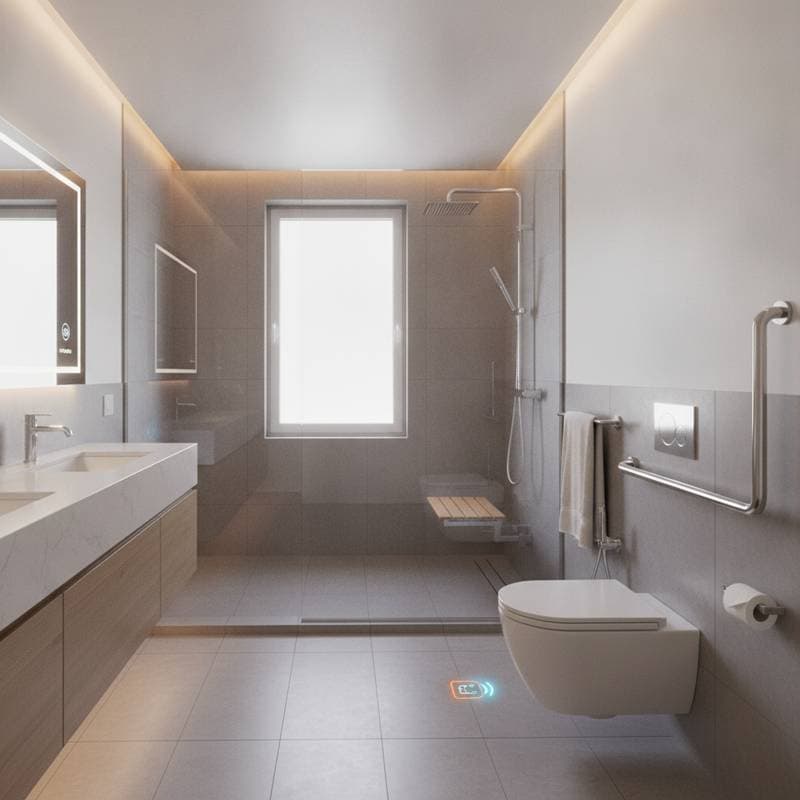
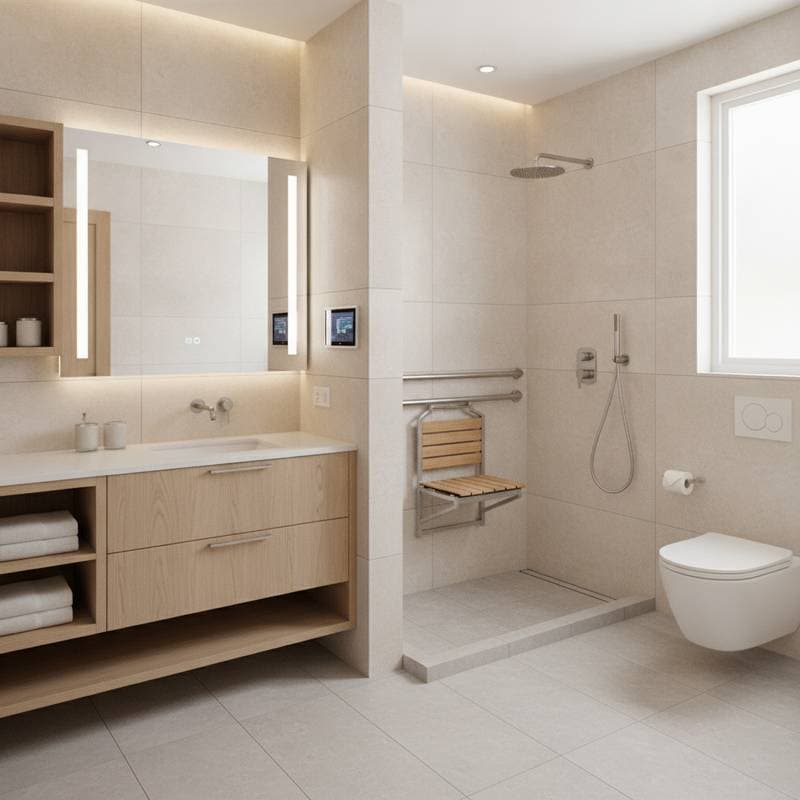
Zero-threshold showers remove barriers and reduce fall risks by creating a level floor surface. Large-format porcelain tiles paired with linear drains offer a modern, spa-inspired appearance. To implement this, select tiles with a matte finish for better grip and pair them with drains that handle water flow efficiently.
9. Integrated Lighting Layers
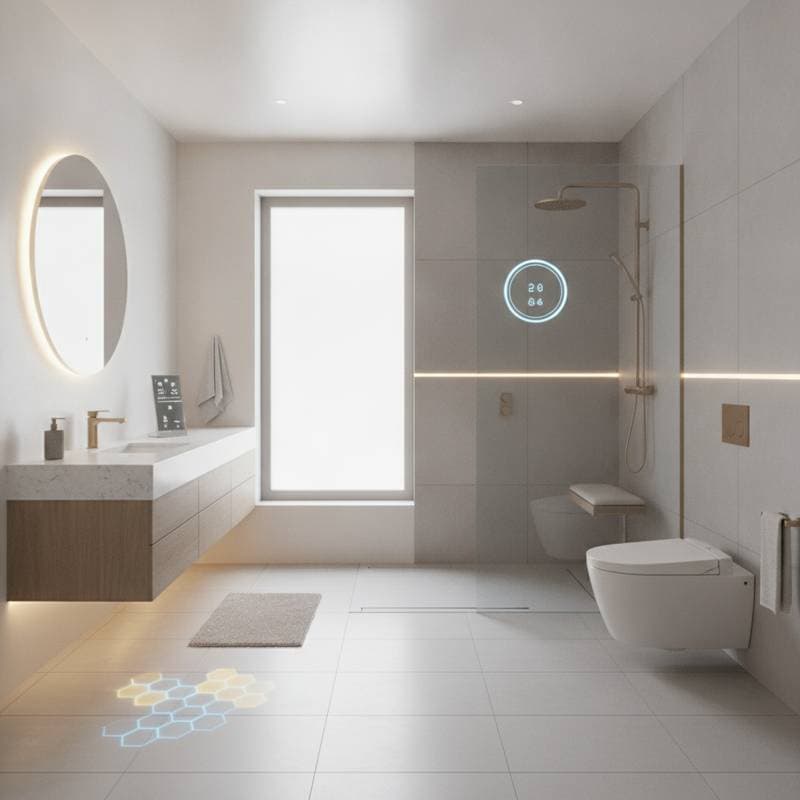
Effective lighting goes beyond basic illumination to guide movement and reduce shadows. Combine cove lighting along walls with motion-sensor strips on the floor and adjustable ceiling fixtures. Opt for warm-toned LEDs at 2700K to provide gentle visibility that flatters the space and supports visual comfort.
8. Comfort-Height Fixtures
Fixtures at standard heights often prove challenging for those with mobility limitations. Elevate toilets and vanities to 34 inches for easier access during daily routines. Choose materials like matte nickel that resist wear and contribute to a refined, durable look.
7. Grip Without the Grab Bar Look
Traditional grab bars can disrupt visual harmony, but modern alternatives integrate seamlessly. Select rails in finishes that match surrounding hardware, such as brushed brass or coated steel. Position these elements to serve dual purposes, like supporting towels or providing shower seating, for practical versatility.
6. Textural Flooring
Flooring must balance traction with visual appeal to prevent slips in wet areas. Materials like honed limestone or textured porcelain tiles deliver subtle grip through natural patterns. Pair these with warm-toned cabinetry to foster a cohesive, grounded environment that feels luxurious.
5. Smart Water Controls
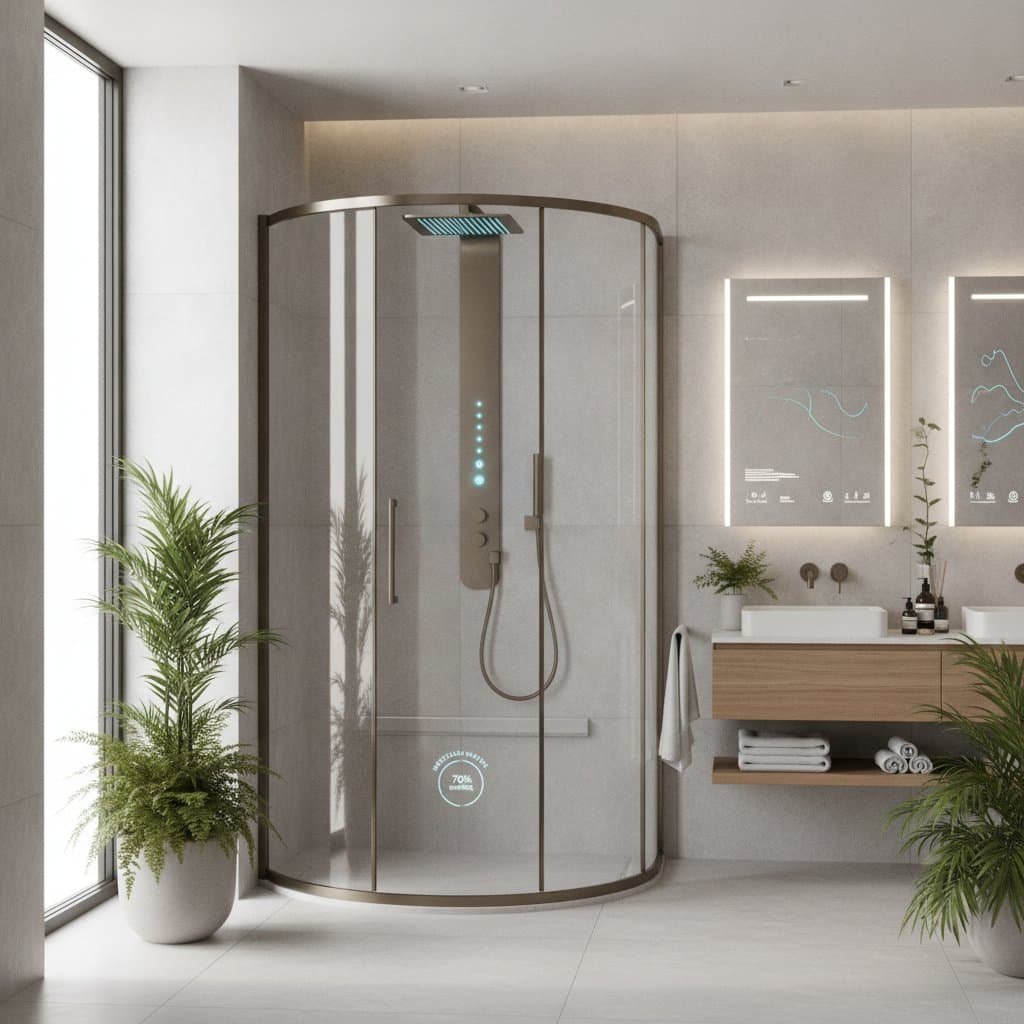
Advanced controls simplify temperature management and promote energy efficiency. Systems with voice activation or touchless interfaces allow precise adjustments without physical strain. Install presets for favorite settings to streamline routines and minimize risks associated with hot water.
4. Color Psychology and Contrast
Color choices influence perception and navigation, especially as vision changes over time. Use mid-tone grays on walls contrasted with crisp white accents to highlight edges and pathways. This approach maintains a calm, home-like feel while aiding spatial awareness.
3. Adaptable Storage Solutions
Storage that adjusts to user needs ensures items remain reachable without effort. Incorporate pull-out shelves and lighted compartments within vanities for customized organization. Design these elements to accommodate seated access, allowing easy modifications as requirements evolve.
2. Natural Materials and Biophilic Touches
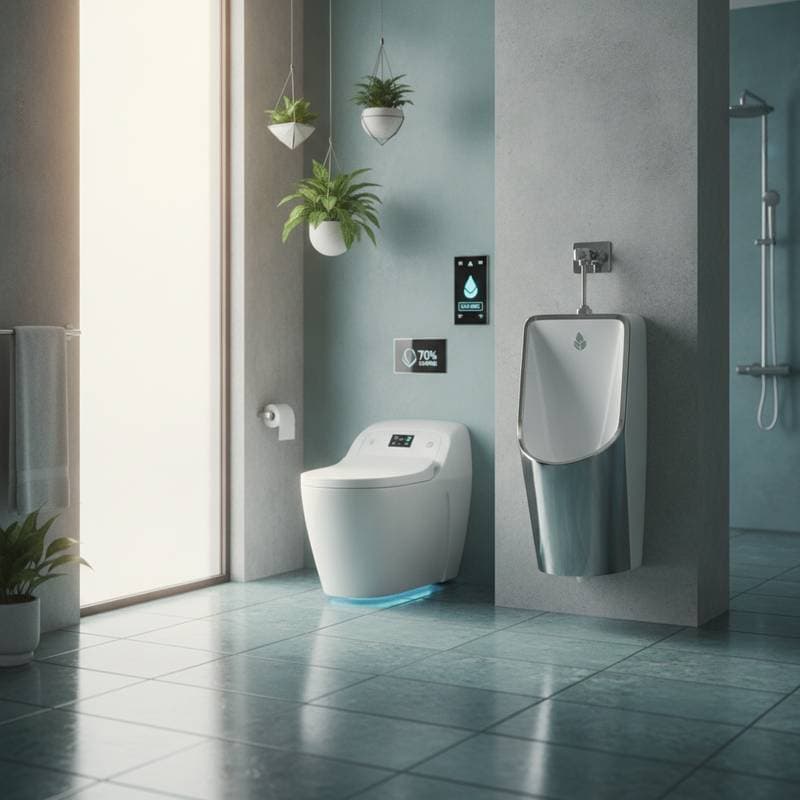
Incorporating organic elements connects the space to nature and enhances sensory comfort. Select woods like oak for vanities and add plants such as ferns to improve air quality and acoustics. These features create a nurturing atmosphere that supports daily well-being.
1. Curbless Design as a Philosophy
Curbless layouts extend beyond functionality to embody inclusive principles. Fluid transitions between surfaces promote ease of movement and an open spatial flow. Apply this mindset across the entire room to reinforce confidence and harmony in use.
Integrating Design for Enduring Comfort
Universal design elevates bathrooms into supportive environments that adapt over time. Homeowners benefit from spaces that blend innovation with personal style, fostering independence. Consult professionals to tailor these elements, ensuring the result aligns with individual lifestyles and long-term needs.