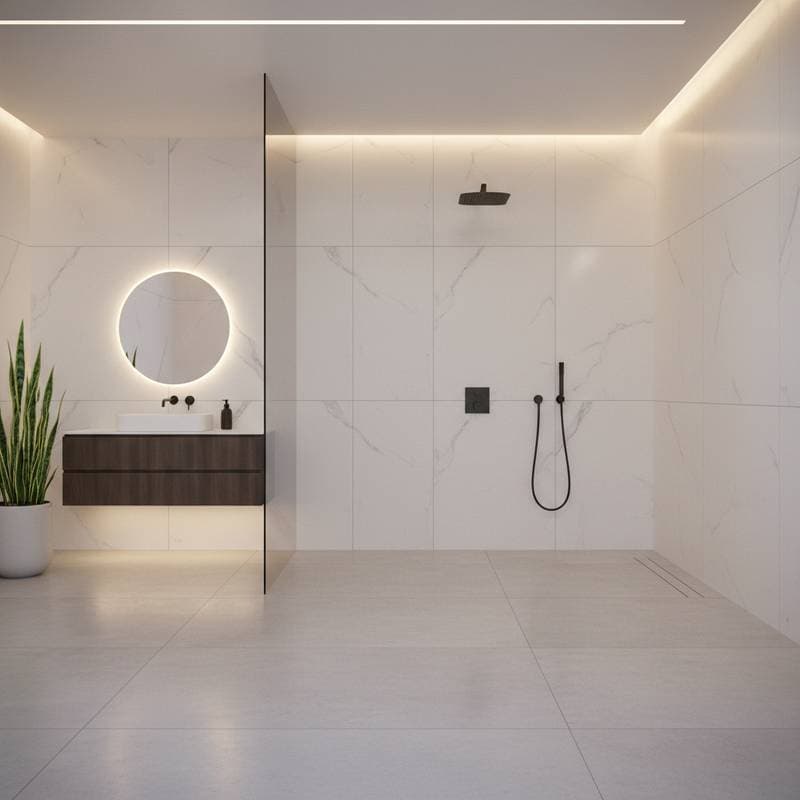
Why Wet Rooms Will Replace Traditional Showers by 2026
Homeowners increasingly seek bathrooms that prioritize functionality alongside aesthetics. Wet rooms represent this evolution, transforming enclosed shower areas into seamless, open spaces. By 2026, these designs will dominate due to their superior accessibility, durability, and ease of upkeep.
Contractors observe a clear trend: clients favor layouts that eliminate barriers and simplify daily routines. This shift addresses longstanding issues with traditional showers, such as leaks and confined spaces. Understanding the mechanics behind wet rooms reveals why they offer a practical upgrade for modern living.
Defining a Wet Room
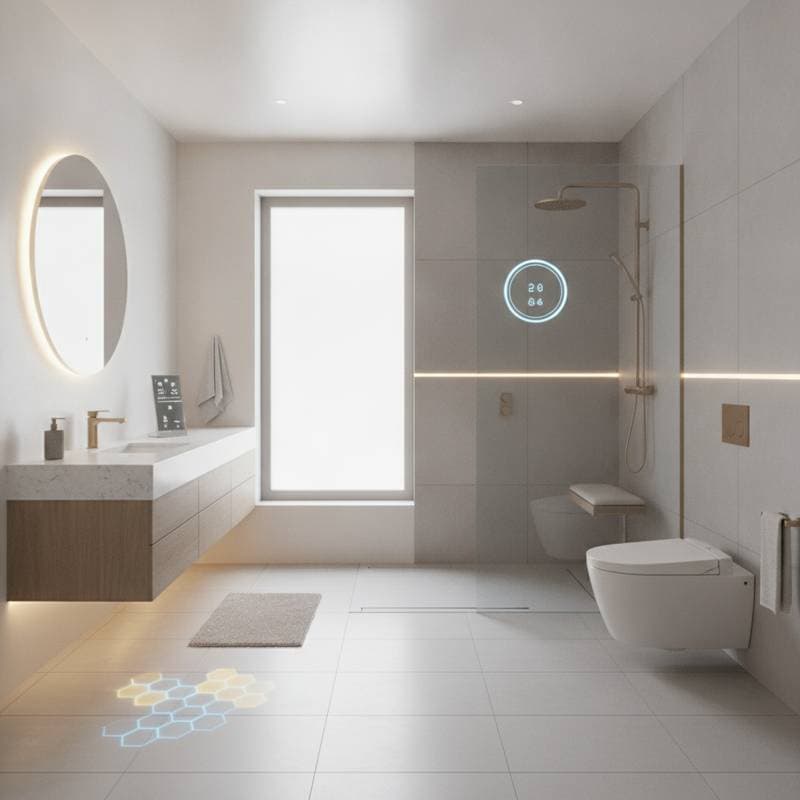
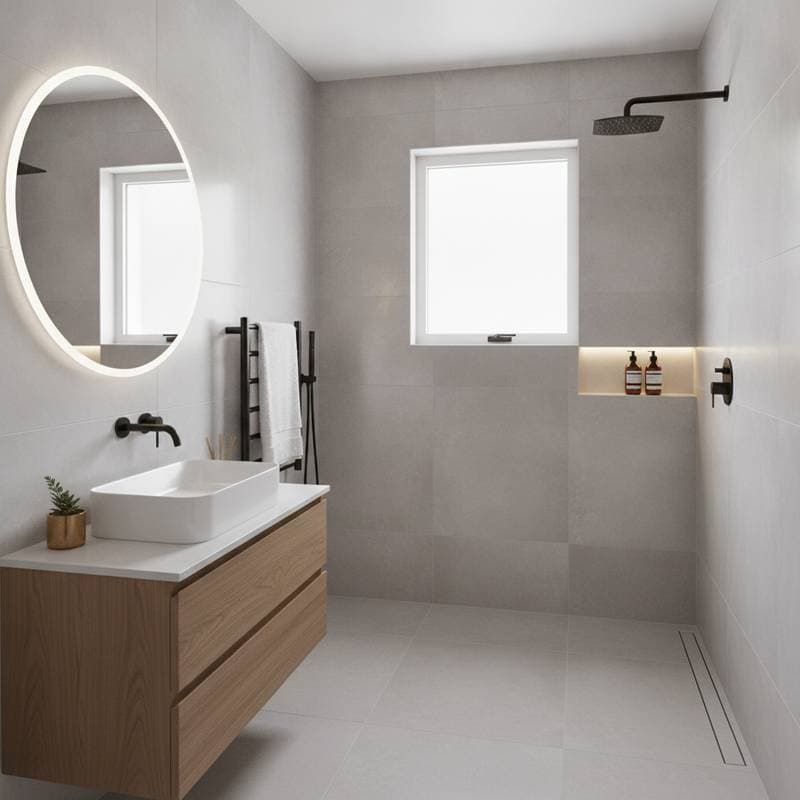
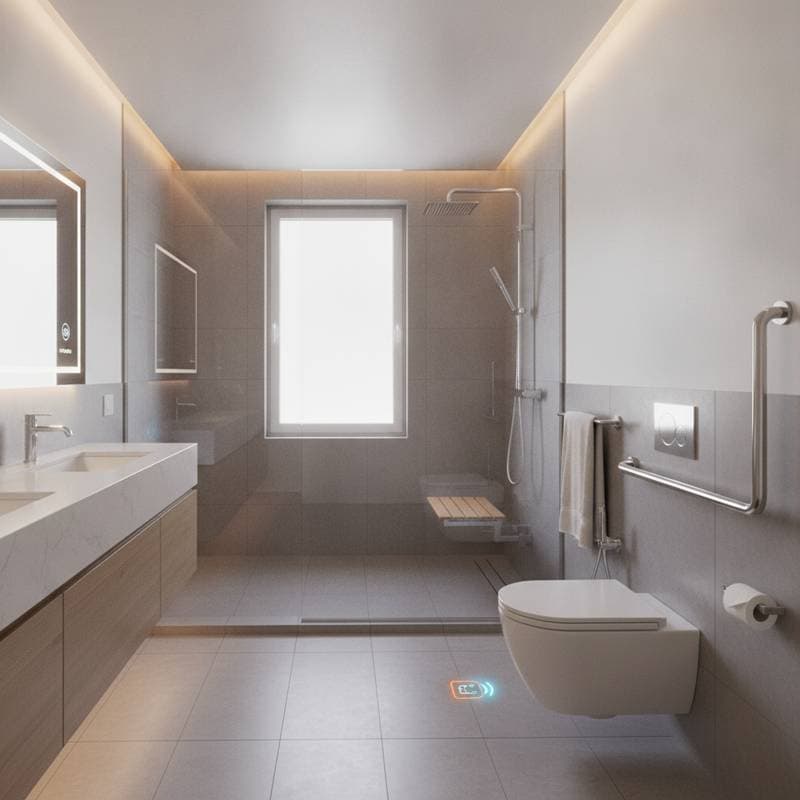
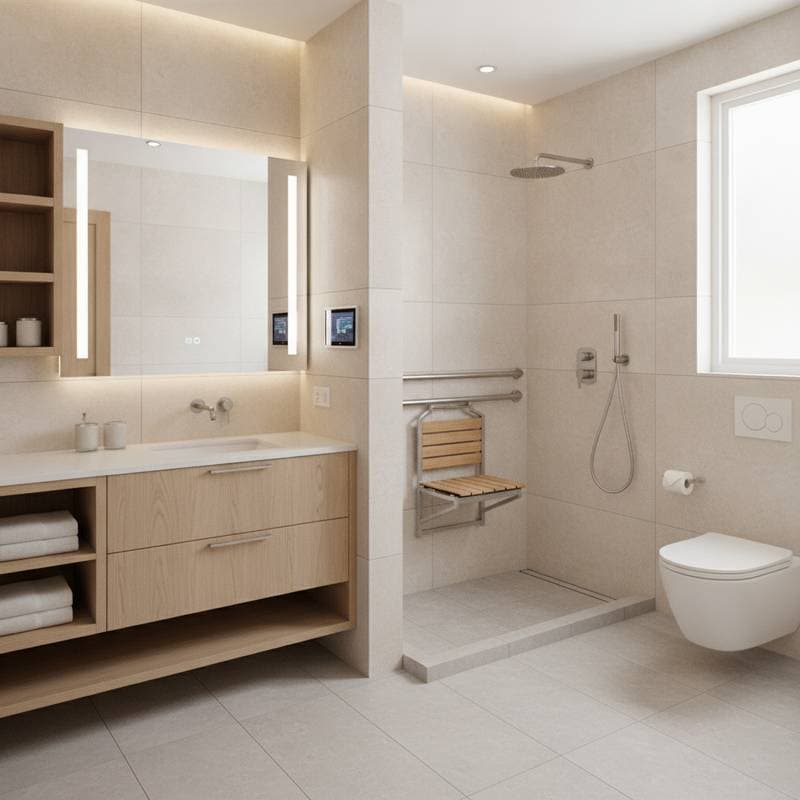
A wet room integrates the shower directly into the bathroom floor without curbs or enclosures. The entire area features a gentle slope toward a central or linear drain, ensuring efficient water runoff. Waterproof membranes cover all surfaces, from floors to walls, creating a fully sealed environment.
This design allows water to flow freely across the space while preventing moisture damage. Installation begins with meticulous subfloor preparation to achieve the ideal pitch. Homeowners often note the expansive feel and simplified cleaning process once they adapt to this setup.
Essential Construction Elements
Proper execution demands attention to detail in every phase. Contractors emphasize the importance of certified materials and tested techniques to avoid future complications. Below are the core components for a reliable wet room build.
Floor Slope and Drainage
Achieve a uniform slope of one-quarter inch per foot leading to the drain. This prevents water accumulation and promotes quick drying. Select drains that integrate seamlessly with the waterproofing layer, such as slim linear models along walls for unobstructed aesthetics.
Waterproofing Systems
Apply a continuous liquid or sheet membrane across all wet areas, ensuring overlaps exceed manufacturer guidelines. Reinforce junctions, corners, and fixture penetrations with additional sealing. These measures safeguard against water intrusion over decades of use.
Surface Materials
Opt for dense porcelain tiles with minimal water absorption. Pair them with epoxy grout to resist staining and cracking. While natural stone adds elegance, it requires rigorous sealing to match the longevity of ceramic options.
Ventilation Integration
Incorporate high-capacity exhaust fans connected to exterior ducts. This setup controls humidity levels and maintains fresh air circulation. Even in sealed environments, effective venting prevents mold growth and preserves comfort.
These elements require specialized skills, yet they yield bathrooms that demand less maintenance and fewer repairs. Professionals value the reduced liability and enhanced client satisfaction that result from such installations.
Advantages for Homeowners
Wet rooms extend bathroom lifespan by minimizing leak-prone seams and joints. They accommodate aging-in-place modifications, like grab bars, without altering the core layout. As regulations emphasize universal design, these features boost resale appeal and comply with emerging standards.
Financially, the upfront investment pays dividends through lower repair costs and increased property value. Owners report a sense of luxury from the open layout, coupled with practical benefits like effortless wheelchair access. This combination positions wet rooms as a forward-thinking choice.
Steps to Implement a Wet Room
Begin by consulting certified contractors experienced in membrane technologies. Review portfolios of completed projects to verify quality standards. Specify details on drainage types and material warranties during planning.
Budget for professional assessments to evaluate your space's suitability. Factor in potential plumbing adjustments for optimal drain placement. With expert guidance, the transition from traditional shower to wet room becomes straightforward and rewarding.
Homeowners who adopt wet rooms discover bathrooms that align with contemporary lifestyles. These spaces deliver enduring performance, blending style with substance for years ahead.