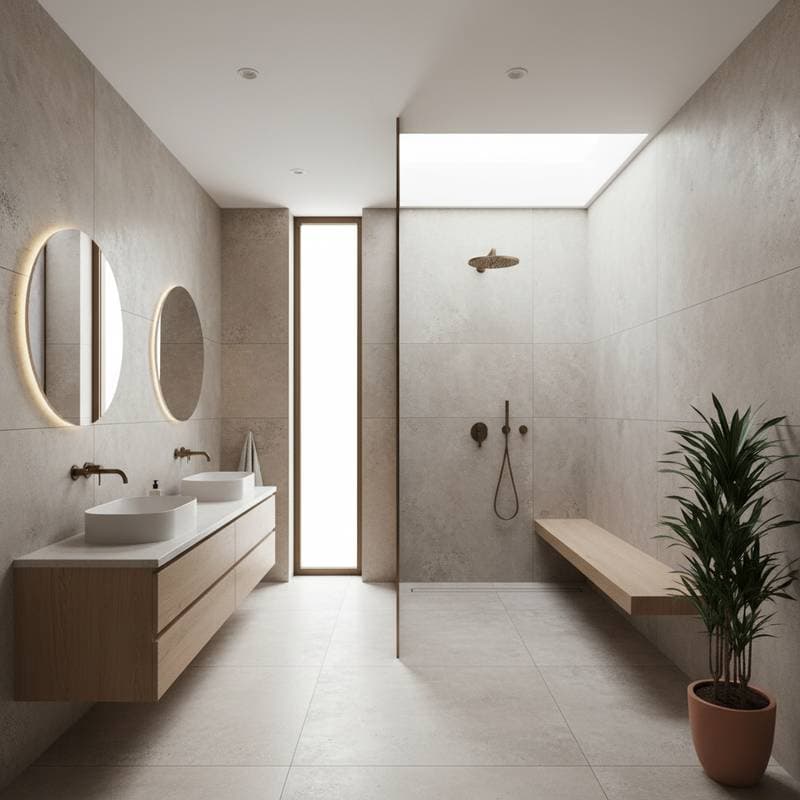
Why Wet Rooms Are Replacing Traditional Tubs in 2025
Bathrooms serve as sanctuaries that mirror evolving preferences for comfort and renewal. The classic bathtub, long associated with relaxation, yields to the wet room's fluid design. This shift emphasizes spatial openness and material harmony, transforming routine hygiene into an intentional ritual of calm and efficiency.
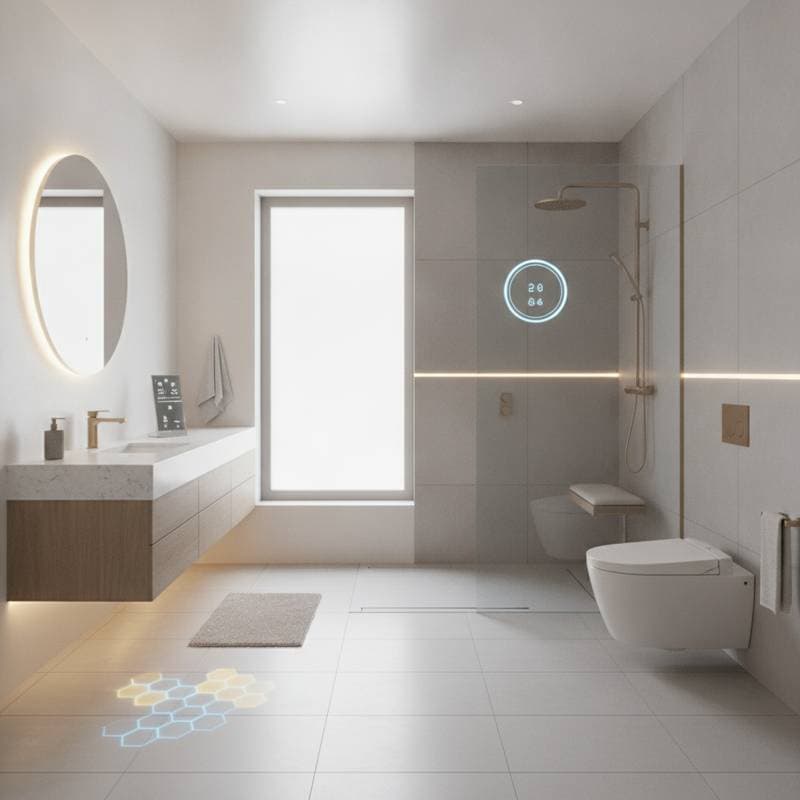
Wet rooms feature a fully waterproofed area where the shower integrates without barriers, allowing water to flow across a sloped floor to a central drain. Homeowners appreciate this approach for its ability to blend functionality with aesthetic appeal. Designers craft these spaces to feel expansive, even in modest footprints, by selecting durable surfaces that withstand daily use while inviting tactile interaction.
Embracing Architectural Simplicity
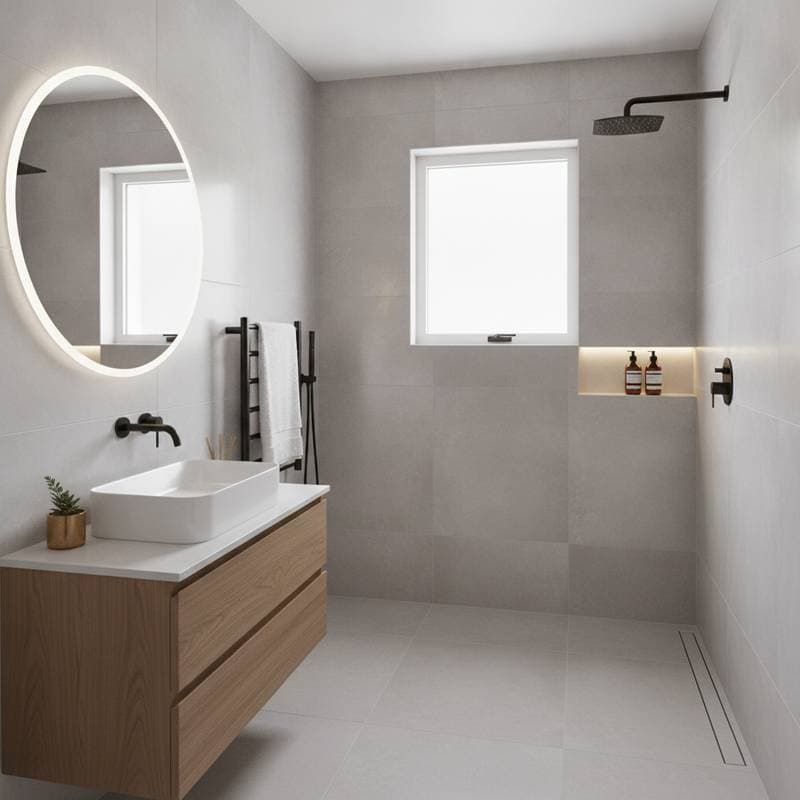
Wet rooms prioritize clean lines and uncluttered visuals to foster tranquility. Large-format porcelain tiles in neutral tones, such as soft graphite, cover floors and walls without interruptions. A linear drain positioned beneath the shower area maintains the illusion of a single plane, enhancing the room's sense of proportion.
This simplicity extends to fixture selection, where wall-mounted rain heads and recessed shelves minimize visual weight. Studio McGee exemplifies this in projects that pair matte finishes with subtle hardware, creating environments that feel ordered yet inviting. Such designs encourage users to focus on the space's inherent calm rather than decorative excess.
Achieving Seamless Zone Integration
Traditional bathrooms often divide functions with distinct enclosures, but wet rooms unify elements into a cohesive whole. Honed limestone, like Pietra Grigio, extends across floors and walls to form a monolithic backdrop. This continuity allows light to diffuse evenly, softening shadows and promoting a spa-inspired atmosphere.
Norm Architects demonstrates this technique by incorporating subtle color variations in the stone, which add depth without overwhelming the palette. The result invites prolonged stays, as the absence of partitions eliminates psychological barriers between washing and grooming areas. Practical benefits include easier cleaning, since water residues spread minimally across unified surfaces.
Optimizing Space in Compact Homes
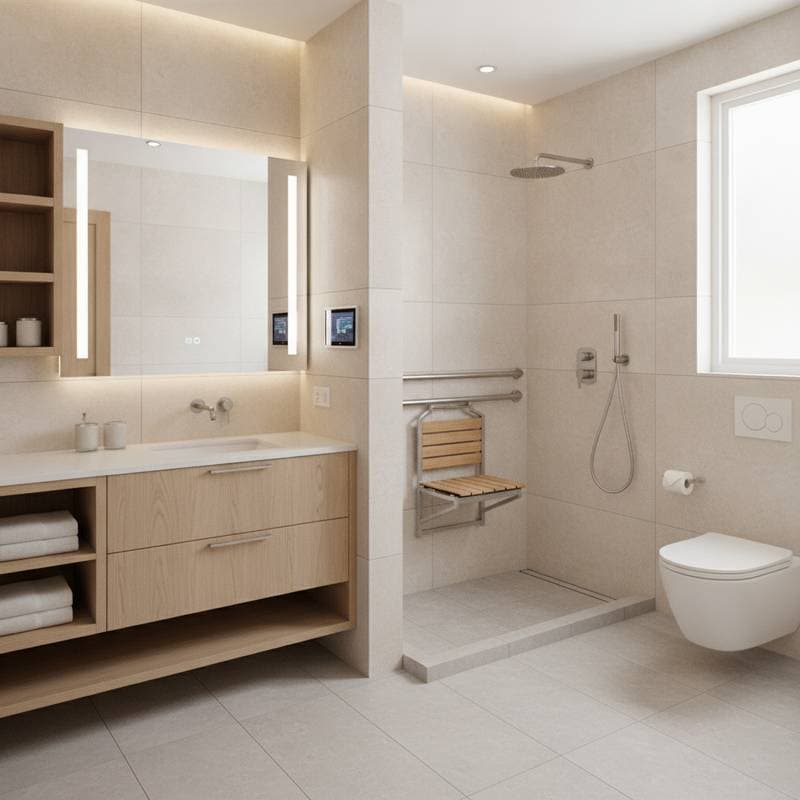
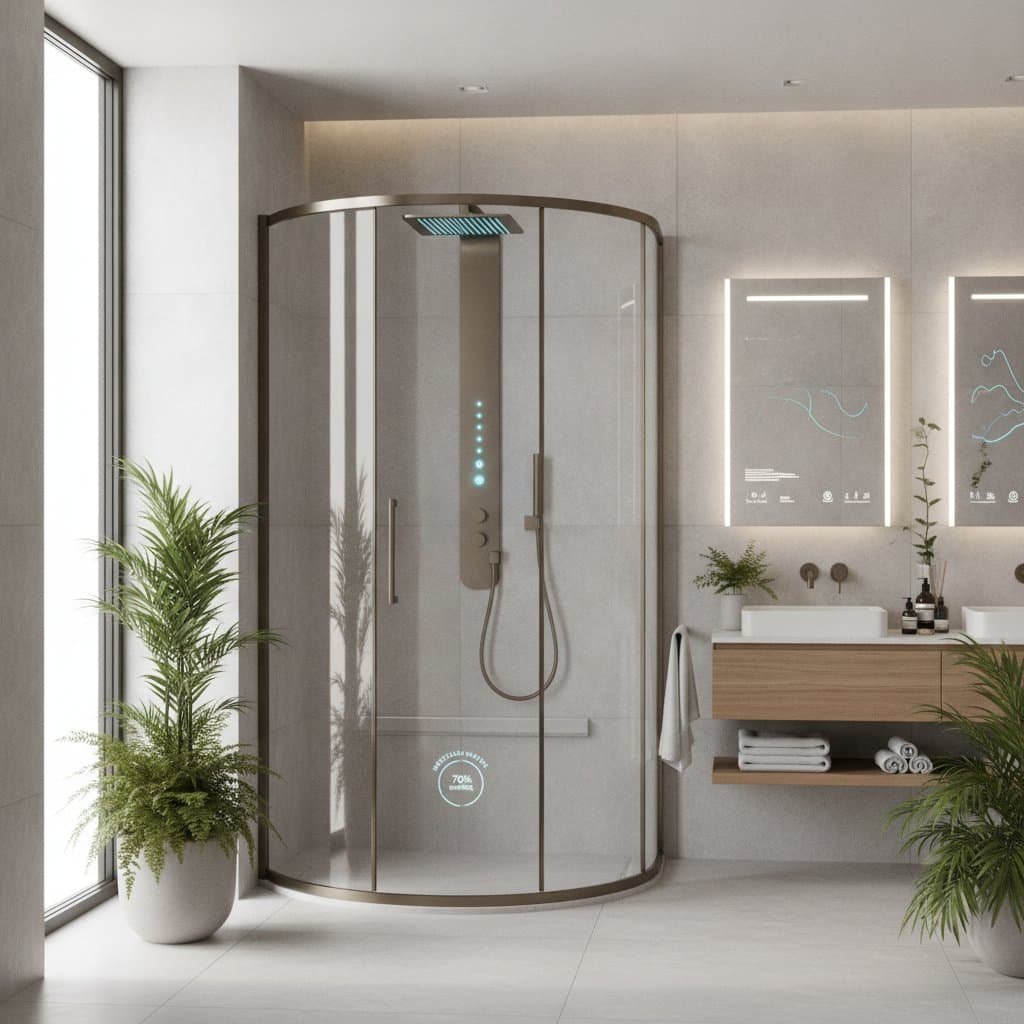
Urban dwellers face challenges with limited square footage, making wet rooms an ideal solution. Removing the bathtub frees up floor area for multifunctional vanities or storage. Frameless glass panels can separate zones while preserving visual flow, as seen in Hacin + Associates' apartment renovations.
Microcement finishes provide a seamless, waterproof layer that mimics plaster's softness but endures high moisture. This material applies directly over substrates, reducing installation time and costs. Homeowners gain flexibility to incorporate fold-down benches or mirrored cabinets, turning constrained spaces into versatile retreats.
Enhancing Accessibility Without Compromise
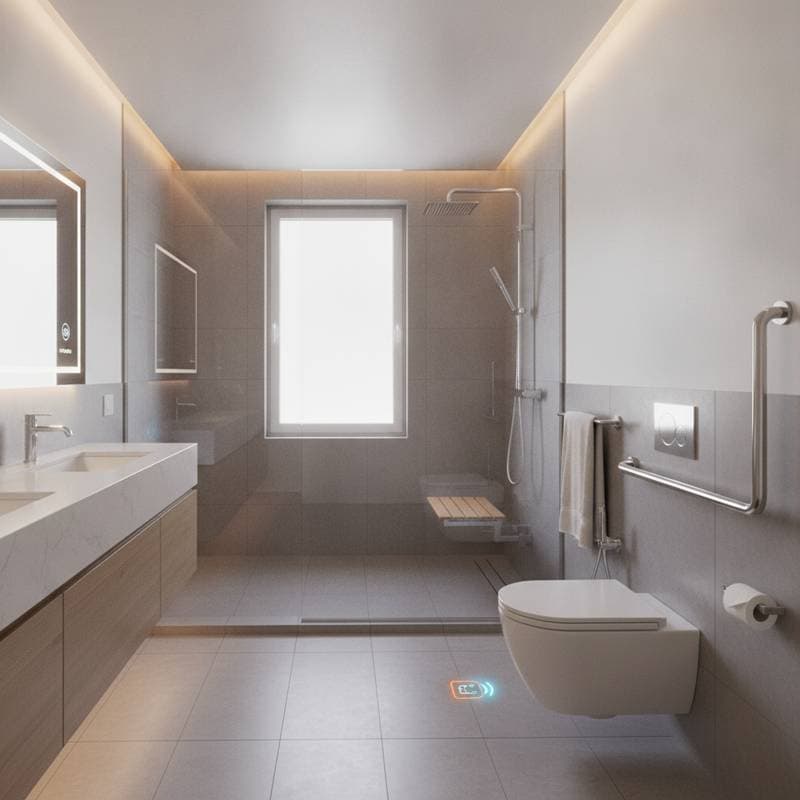
Level-entry designs in wet rooms support aging in place by eliminating steps or curbs. Gentle floor slopes direct water toward drains, ensuring safe footing even when wet. Hollander Design incorporates these gradients with matte ceramic tiles that offer traction and pair well with brushed nickel accents.
Such features extend beyond utility to elevate aesthetics, avoiding the institutional feel of standard accessible bathrooms. Grab bars integrate flush into walls, disguised as towel rails, while adjustable shower heights accommodate varied users. This thoughtful engineering promotes independence while maintaining a sophisticated profile.
Incorporating Doorless Shower Configurations
The doorless shower defines modern wet rooms by promoting airflow and openness. A half-wall enclosure, clad in handcrafted zellige tiles, provides privacy without enclosing the space fully. Amber Interiors uses these tiles' irregular glazes to introduce organic warmth against cooler neutrals.
This setup reduces maintenance, as there are no tracks or seals to clean. Strategic placement of the drain prevents water from escaping the intended area, ensuring the surrounding floor remains dry. Users experience a liberating sense of expansion, ideal for morning routines or evening unwinds.
Advancing Material and Waterproofing Techniques
Precision in construction underpins wet room durability. Advanced systems from Schluter Systems create impermeable barriers beneath finishes, preventing leaks over decades. These allow experimentation with terrazzo for patterned floors or lime plaster for breathable walls.
Natural stone requires sealing to resist stains, but innovations in sealants extend its lifespan in humid conditions. Designers collaborate with specialists to calibrate slopes at one-quarter inch per foot, optimizing drainage without noticeable inclines. This technical foundation supports bold material choices that enhance both form and function.
Harnessing Light and Texture for Sensory Depth
Natural and artificial light shape the wet room's ambiance, highlighting surface textures. Skylights or clerestory windows flood the space, while sconces cast grazing illumination on mosaic accents. Studio Lowsheen applies a soft paint like Benjamin Moore's Balboa Mist to ceilings, reflecting light downward for even distribution.
Matte tiles absorb glare, contrasting with glossy niches that draw the eye. This balance creates dynamic shadows that evolve with the time of day, enriching the sensory profile. Textural elements, such as ribbed glass partitions, add privacy while diffusing light softly.
Promoting Sustainability via Durable Choices
Wet rooms embody eco-conscious design through selections that prioritize longevity. Sealed concrete floors and porcelain slabs demand minimal upkeep, curtailing replacement cycles. This approach conserves resources by favoring quality over disposability.
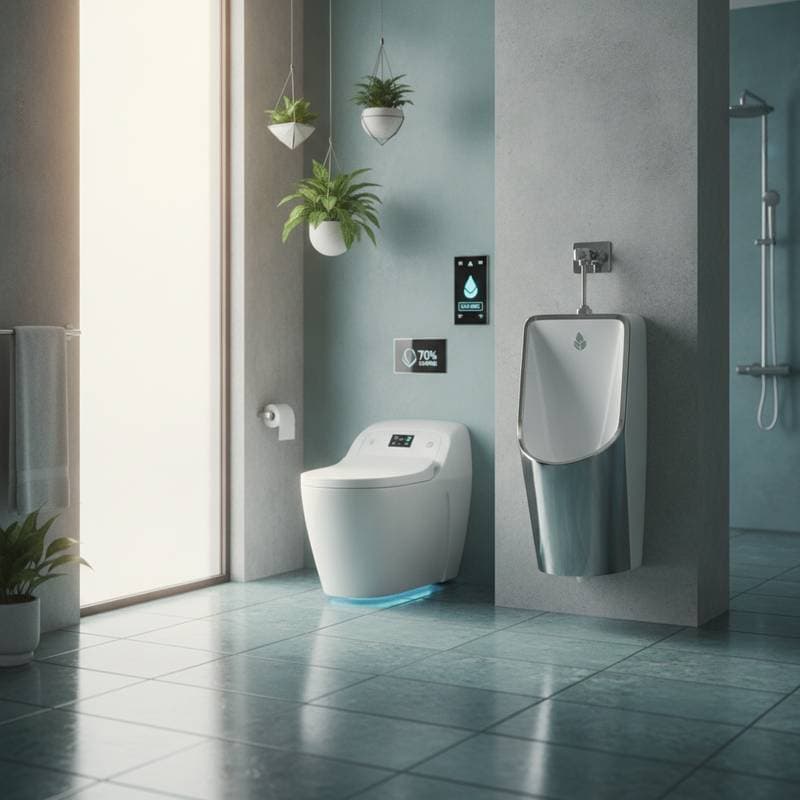
Low-flow fixtures integrate seamlessly, reducing water usage without sacrificing pressure. Recycled content in tiles and plasters further minimizes environmental impact. Homeowners invest in these elements for enduring value, aligning personal comfort with planetary responsibility.
Customizing for Authentic Luxury
Personalization elevates the wet room from standard to sanctuary. Illuminated niches showcase favorite soaps or plants, while rainfall heads deliver customizable streams. Mosaic flooring in varied scales adds subtle pattern underfoot, enhancing the tactile ritual of bathing.
Select fixtures in finishes like aged brass for warmth, or opt for thermostatic controls to maintain ideal temperatures. These choices reflect individual tastes without cluttering the minimalist framework. The outcome is a tailored space that nurtures daily well-being.
Aligning with Evolving Lifestyles
Wet rooms resonate with contemporary priorities of efficiency and mindfulness. They streamline routines by combining functions efficiently, freeing time for other pursuits. The poetic integration of architecture and emotion fosters moments of pause amid fast-paced lives.
This design philosophy adapts to diverse households, from families to solo professionals. Its versatility ensures relevance as needs change, offering a foundation for future adaptations.
Integrating Wet Rooms into Your Home
Transitioning to a wet room begins with assessing your bathroom's layout and plumbing. Consult professionals to evaluate waterproofing needs and material compatibility. The investment yields a space that enhances daily life, blending practicality with profound serenity.