Doorless Bathrooms: Wet Rooms Go Mainstream
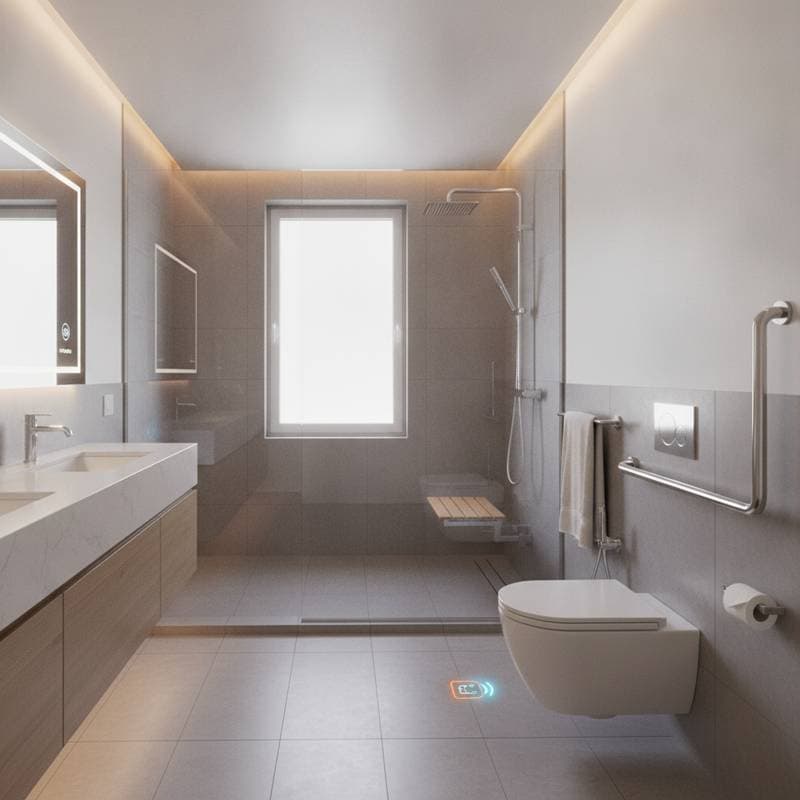
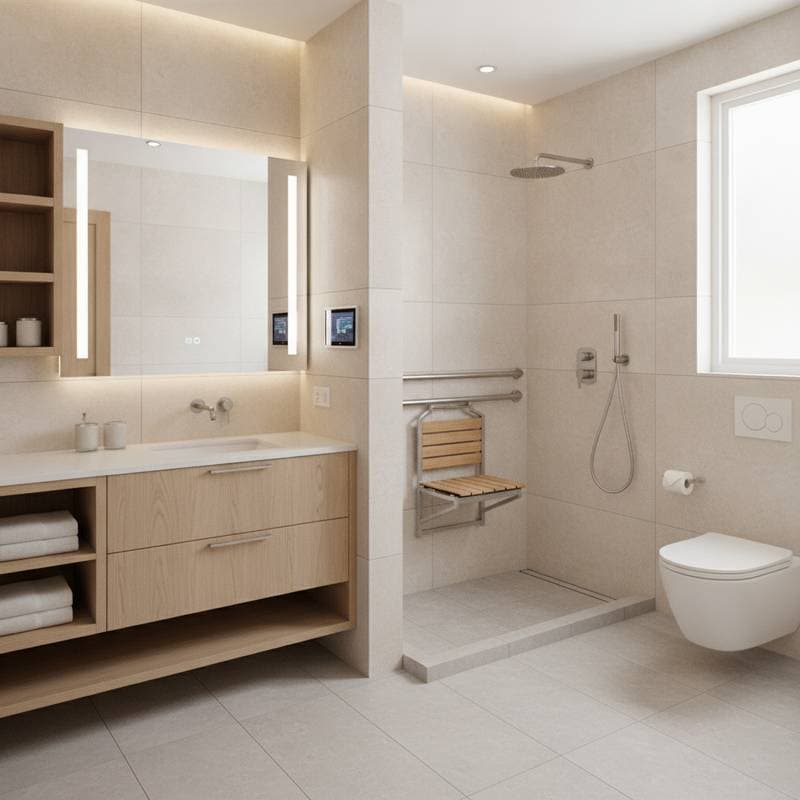
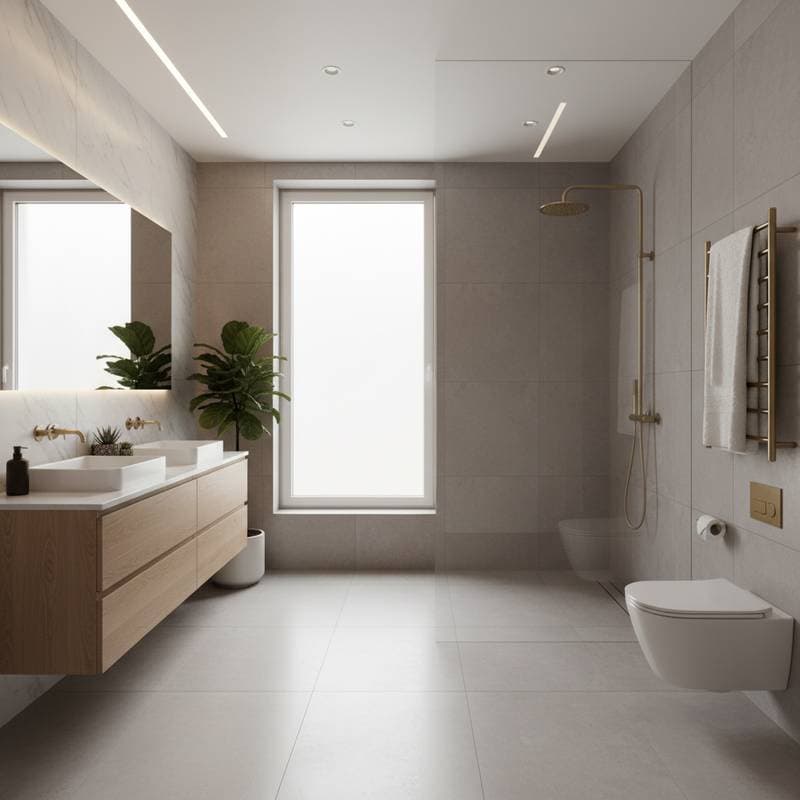
As a remodeling contractor, I have observed numerous trends in home design over the years. The rise of doorless bathrooms, commonly known as wet rooms, stands out as a lasting advancement. This approach integrates accessibility, contemporary style, and efficient space utilization. Homeowners increasingly recognize that eliminating barriers within the bathroom yields a streamlined appearance and fosters a more inviting atmosphere. Executed with care, a doorless bathroom delivers both visual appeal and practical benefits, including simplified upkeep.
Reasons Homeowners Opt for Doorless Bathrooms
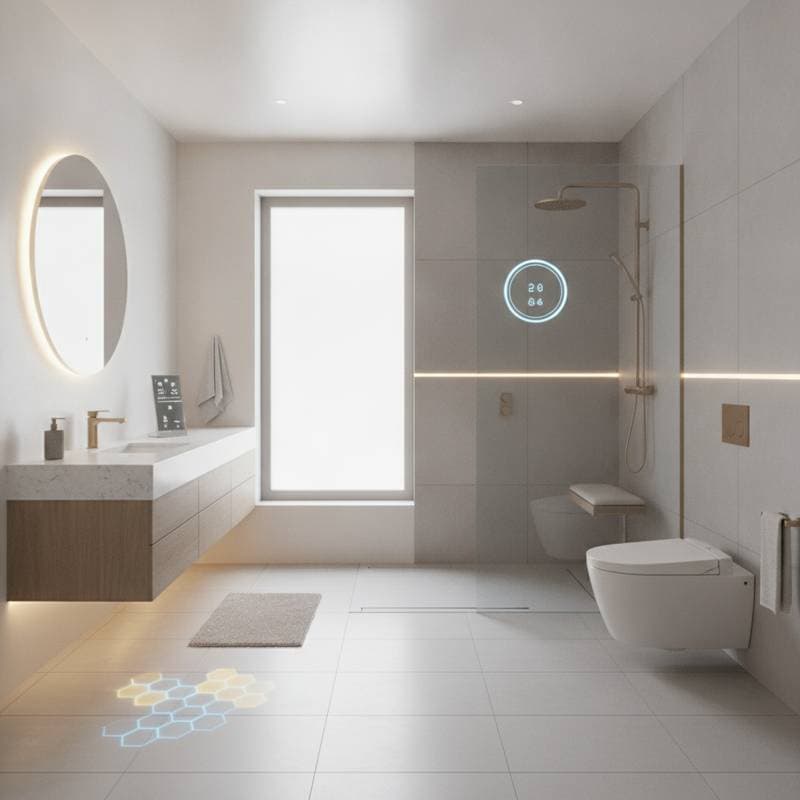
The attraction of a doorless bathroom extends far beyond its visual charm. Numerous homeowners value its straightforward design and enhanced accessibility features. A thoughtfully constructed wet room removes thresholds and shower enclosures, resulting in a seamless floor surface that spans the entire space. This configuration simplifies cleaning tasks and heightens safety for individuals with mobility challenges. Additionally, it imparts a sense of expansiveness to compact areas.
From my experience as a contractor, three primary factors drive homeowners to pursue this remodel.
-
Accessibility and Safety: The absence of barriers facilitates effortless entry for bathing, which proves invaluable in residences focused on aging in place. Without curbs or doors, the risk of stumbling decreases significantly, and mobility aids such as wheelchairs navigate the space with ease.
-
Design Flexibility: Wet rooms adapt to diverse configurations. Installers position the shower zone flexibly, provided that robust waterproofing and effective drainage systems support the layout.
-
Low Maintenance: With reduced seams, gaskets, and components subject to wear, opportunities for mold growth or breakdowns diminish. Tiled expanses and unobstructed designs dry quickly and require minimal effort to maintain.
Frequent Errors That Compromise Wet Room Installations
Despite their seemingly uncomplicated appearance, wet rooms demand meticulous technical execution among bathroom renovations. I have encountered multiple projects marred by amateur attempts or cost-cutting measures that escalated into substantial issues. Problems often stem from deficiencies in waterproofing, drainage, and airflow management.
-
Inadequate Waterproofing: A comprehensive waterproof membrane must encase the full floor assembly and ascend the lower walls by several inches. Omitting this layer or relying on ordinary drywall beneath tiles invites catastrophe. Moisture infiltrates subfloors and structural elements, causing decay, unpleasant smells, and compromised integrity.
-
Faulty Floor Sloping: The shower zone requires a precise gradient toward the drain, generally one-quarter inch per linear foot. I have inspected installations that appeared flat yet directed water toward cabinets or neighboring areas. Once past the tile seams, liquid inflicts irreversible harm to underlying materials.
-
Inadequate Ventilation: Wet rooms produce elevated humidity levels compared to enclosed showers. An undersized exhaust fan fails to mitigate this, allowing vapor to accumulate on surfaces like mirrors, walls, and ceilings, which fosters mildew proliferation.
-
Unsuitable Material Selections: Exposure to perpetual dampness demands resilient options. Opt for epoxy-based grout and porcelain tiles, which resist absorption. Natural stone varieties may stain or degrade without frequent sealing applications.
Essential Steps for Successful Construction
Prospective owners should engage contractors versed in waterproofing techniques and barrier-free principles to safeguard their investment. Wet rooms tolerate no shortcuts. Precision governs every phase, beginning with the subfloor preparation.
Critical installation procedures encompass the following:
-
Application of Waterproof Membrane: Extend coverage across the complete floor and upward on walls by at least six inches. Select sheet membranes or liquid coatings validated for prolonged submersion.
-
Installation of Reinforced Substrate: Substitute standard drywall with cement backer board or equivalent moisture-barrier underlayment to fortify the base.
-
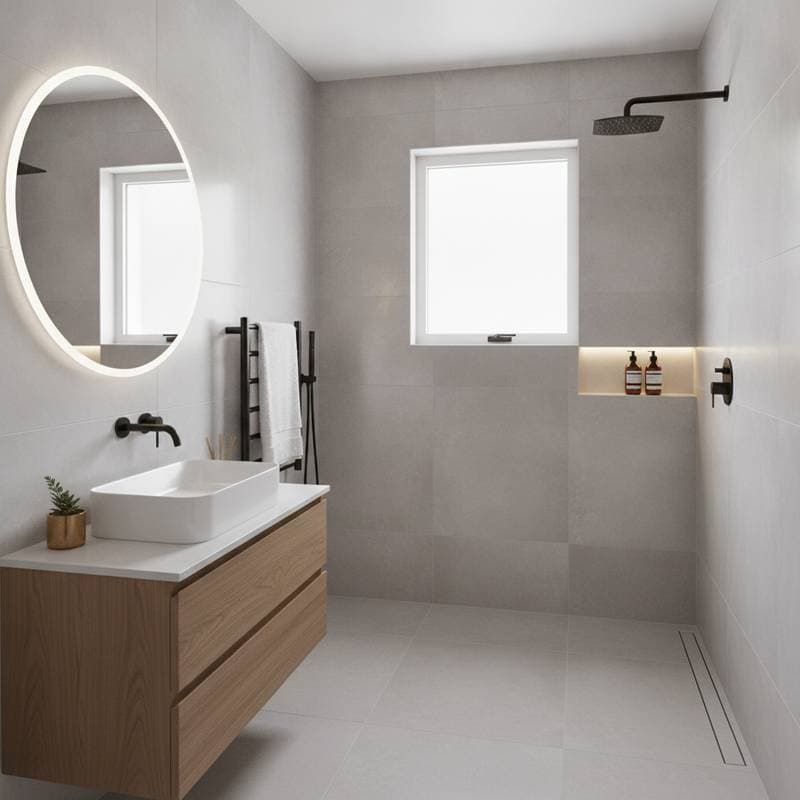
Strategic Drain Placement: Linear drains excel in open layouts by capturing runoff along a boundary. Determine positioning prior to tiling to ensure optimal flow.
-
Meticulous Tile Arrangement: Align tiles to channel water toward the drain both aesthetically and functionally. Employ large-format pieces to minimize grout lines, though they necessitate accurate cuts and slope adherence.
-
Integration of Ventilation and Heating Elements: Equip the space with a high-capacity exhaust fan alongside underfloor radiant heating. The warmth accelerates evaporation, curbing excess humidity.
Assessing Costs and Enduring Benefits
Inquiries about expenses frequently arise: does a wet room exceed the price of a conventional setup? Affirmative, though the premium remains modest with astute planning. Expenditures arise from specialized waterproofing supplies and skilled workmanship.
A proficiently executed doorless bathroom endures for decades with scant intervention. Contrast this with traditional enclosures demanding periodic resealing of joints or hardware replacements. Durability, ease of care, and elevated market desirability justify the outlay.
Secure detailed bids specifying waterproofing methods, drain types, and tile details. Request product brands and guarantee information from your contractor. Established experts readily furnish such particulars.
Ensuring Effective Collaboration During the Project
Success in any renovation hinges on robust dialogue between client and specialist. Doorless bathrooms necessitate synchronized efforts across plumbing, tiling, and finishing trades. Ambiguities invite expensive corrections.
Homeowners benefit from requesting routine updates and photographic records, particularly during membrane application. Post-tiling repairs prove arduous and disruptive. Hesitation from a contractor to detail their waterproofing strategy signals potential concerns; superior practitioners elucidate each component upfront.
Adapting Wet Rooms to Compact Areas
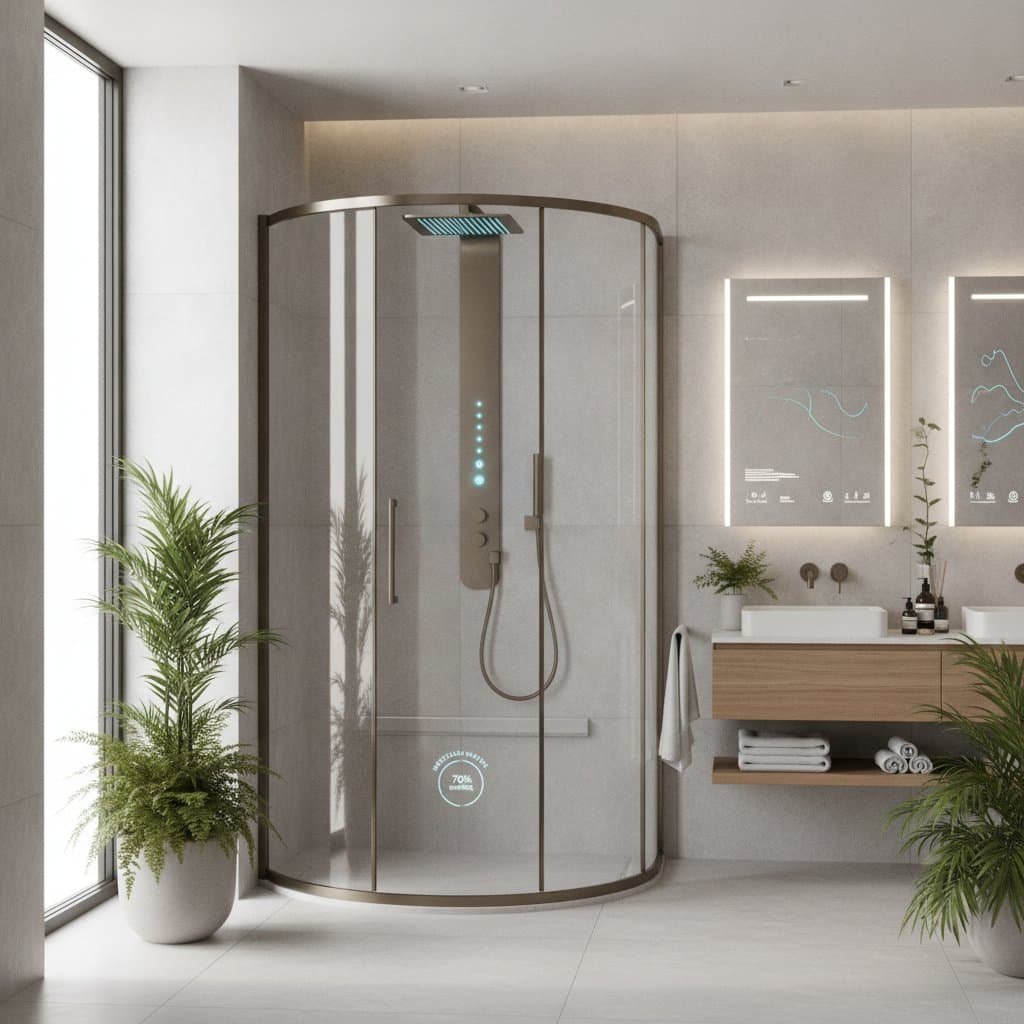
A common misconception holds that doorless designs suit only spacious bathrooms. In reality, I have delivered effective solutions in modest footprints through targeted water containment. Low-profile glass screens or abbreviated tile dividers curb splatter while preserving openness.
Uniform materials and harmonious hues enhance perceived scale in smaller wet rooms. Cohesive floor and wall tiling promotes continuity, amplifying roominess. Built-in niches accommodate essentials without cluttering the floor plane.
Preserving Your Wet Room Over Time
Post-completion, vigilant checks sustain peak performance. Inspect grout seams, drain guards, and ventilation filters quarterly. Reapply sealant to tiles exhibiting wear or fissures.
A meticulously crafted doorless bathroom elevates routine hygiene into a refined ritual, while bolstering property worth. Through deliberate design, quality components, and expert execution, it harmonizes aesthetics with utility for enduring satisfaction.