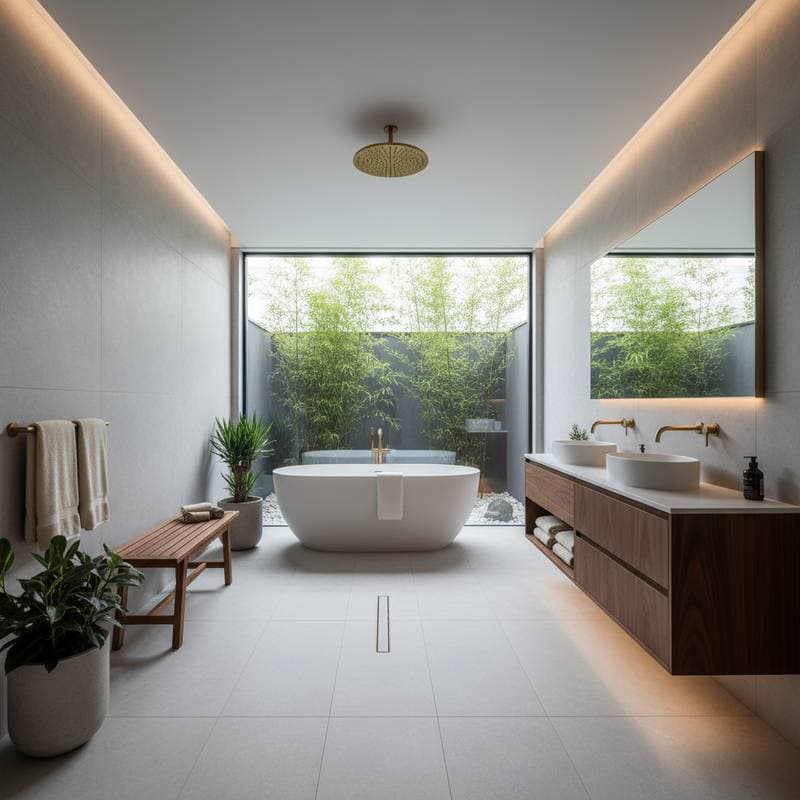
Why Wet Rooms Are Replacing Traditional Showers
Bathrooms mirror changes in lifestyle, technology, and design preferences. The rise of wet room design goes beyond temporary fashion. It signals a fundamental shift in how individuals interact with personal spaces. A wet room eliminates the confines of conventional shower enclosures, introducing an open layout that delivers both elegance and utility. As residences prioritize sleek profiles and seamless transitions, wet rooms emerge as the optimal solution for today's homes.
The Appeal of Openness
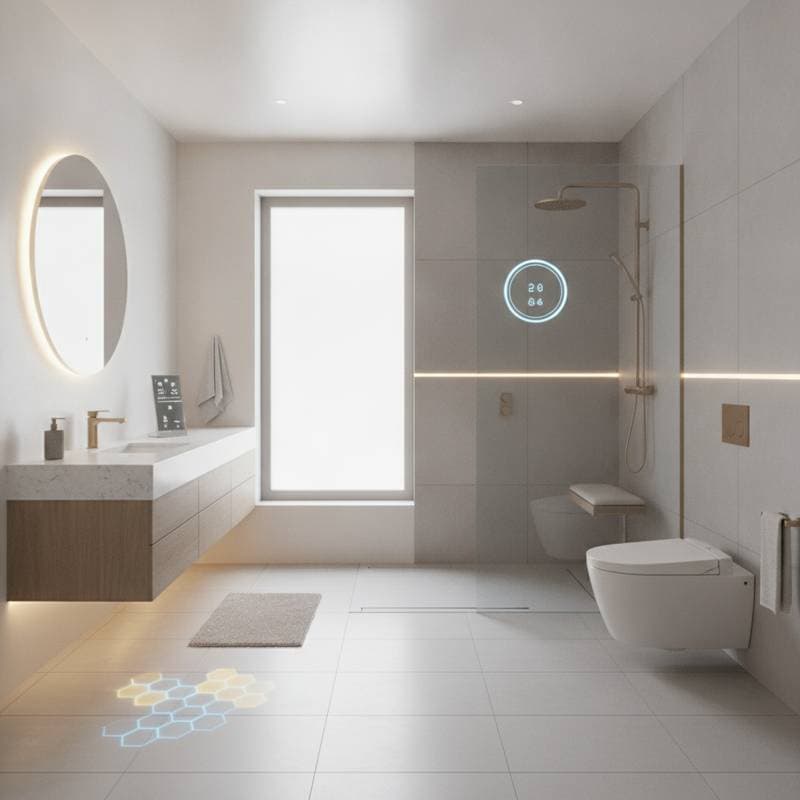
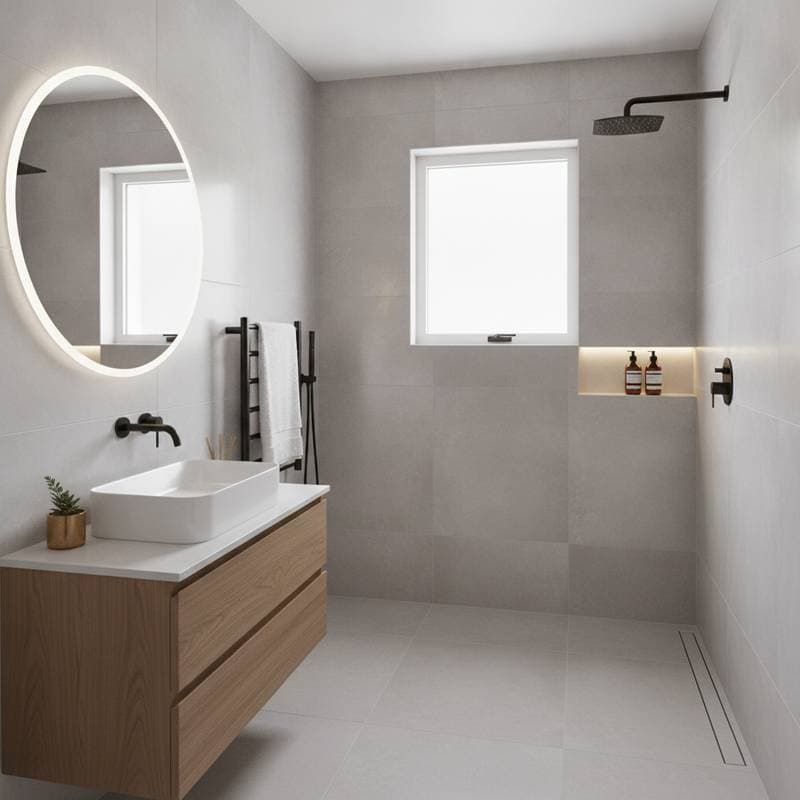
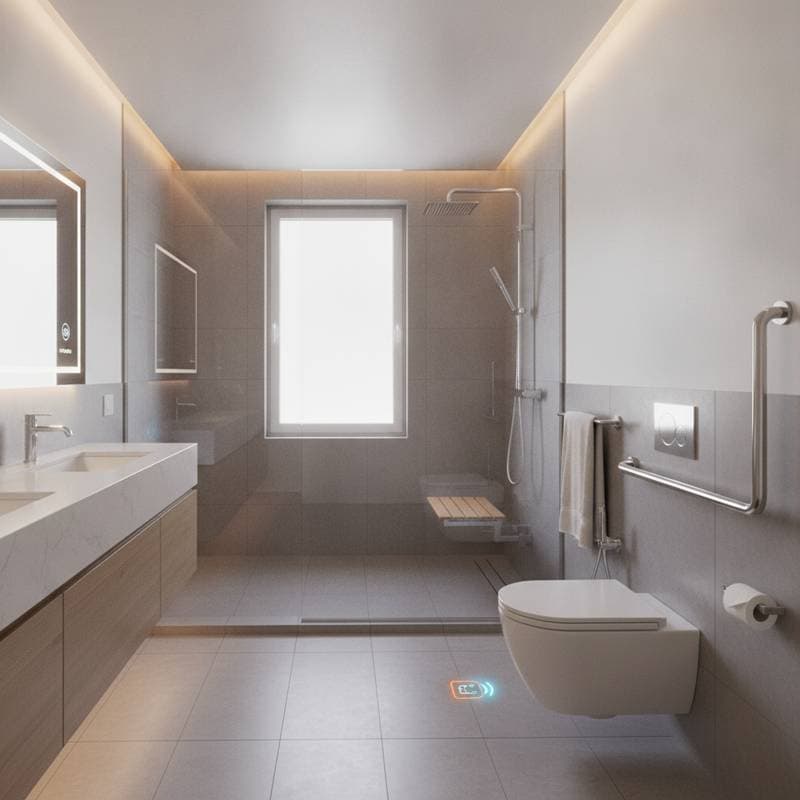
Wet rooms expand perceived space in ways that enclosed showers cannot. Removing the elevated shower base and heavy glass panels unifies the floor plane. Tiles extend without interruption across wet and dry areas, typically large-format porcelain in a matte texture for safety and cohesion. Firms like Studio Ilse apply this concept with natural stone and subtle plaster shades to foster tranquility and breadth.
Without obstructions, light circulates freely, enlarging even modest areas. Natural illumination interacts with glossy elements, such as polished nickel fixtures or Carrara marble panels. This design promotes direct engagement with textures, from stone floors to water-slicked tiles, enriching the sensory dimension.
Functionality Meets Accessibility
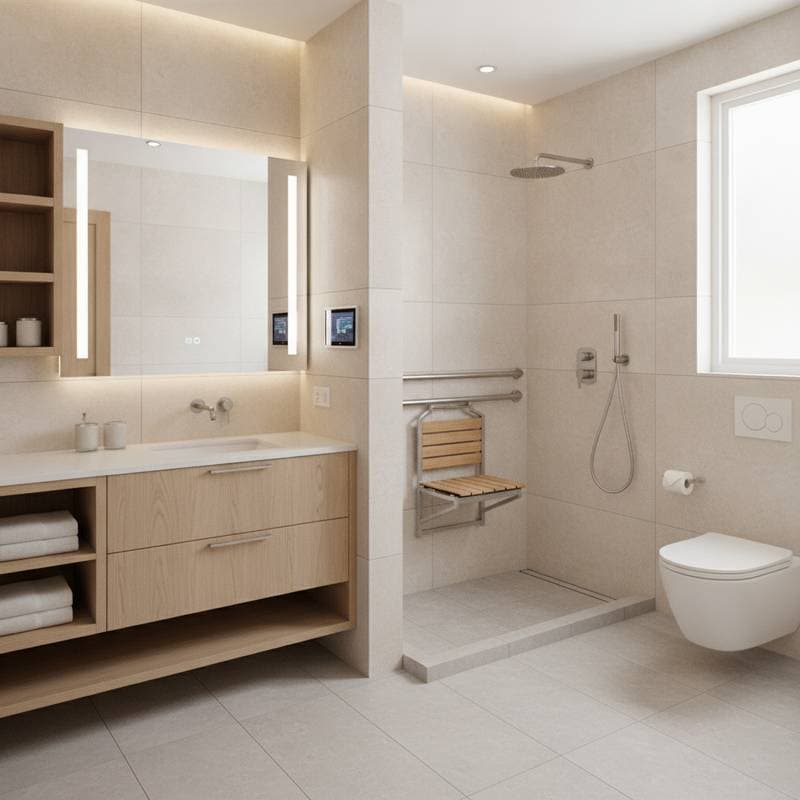
The level-entry format of wet rooms appeals aesthetically while promoting inclusivity. Individuals facing mobility limitations navigate without curbs or stairs, improving security. Architects like John Pawson champion subtle shifts where form and purpose align seamlessly.
Effective installation incorporates sloped floors and concealed drainage, such as linear stainless steel channels. These features direct water flow discreetly, preserving the fluid appearance. The outcome is a user-friendly area that demands minimal upkeep.
Material Mastery and Waterproofing Precision
The sophistication of wet rooms depends on meticulous preparation. All surfaces, including walls, floors, and junctions, receive comprehensive waterproofing. Professionals apply cementitious tanking or liquid membranes to form an impermeable barrier under tiles. This base enables bold selections above, like Tadelakt plaster, slate, or microcement.
Selections define the ambiance. Light gray limestone, brushed brass accents, and natural oak elements suggest spa tranquility. Bolder options, including graphite terrazzo and darkened steel hardware, convey city edge. Contrasting textures amplify the enveloping quality unique to these spaces.
Minimalism with Warmth
Wet rooms often feature clean lines, yet superior designs infuse coziness. Texture, illumination, and color layering avoid coldness. Practices like MKCA illustrate this with European oak storage, pale plaster surfaces, and neutral microcement bases. Balancing matte and sheen adds dimension sans excess.
Strategic lighting enhances mood. Ceiling-embedded LEDs provide even glow, while adjustable wall fixtures near vanities offer closeness. Unhindered sightlines let light sculpt the setting, from invigorating daylight to soothing evening hues.
Effortless Maintenance and Durability
Practicality defines wet rooms. Fewer seams, frames, and barriers simplify cleaning. Uniform planes deter mold and ease care routines. Epoxy-based grouts or resin coatings block moisture penetration and fading.
Longevity guides material decisions. Choices prioritize endurance in humid conditions. Impervious options like porcelain and quartz hold appearance over years, with engineered stone warding off marks. This blend of endurance and simplicity suits homes and commercial settings alike.
Spatial Flexibility in Modern Homes
As interiors blend functions, bathrooms integrate into broader layouts. Open bedrooms connect to wet rooms via low dividers or transparent panels. This setup forms a private retreat where bathing elevates to ceremony.
Innovators like Patricia Urquiola advance this through frosted glass, artistic sinks, and standalone baths in wet areas. Finishes carry over from adjoining rooms, ensuring harmony. Transitions between zones occur intuitively, promoting peace.
Environmental Awareness and Efficient Design
Eco-principles shape current practices. Wet rooms support conservation via material efficiency and water savings. Modern valves, like low-flow thermostatic controls, sustain steady heat with less usage. Open designs improve airflow, cutting reliance on mechanical systems.
Suppliers offer green alternatives for moist areas, including recycled glass tiles and low-emission microcements. These advances uphold style while advancing ethics. Robust construction extends lifespan, minimizing replacements and waste.
Aesthetic Integration with Architecture
Wet rooms embed structural considerations into compact areas. Scale, balance, and finishes rival larger rooms in importance. In sparse dwellings, they resemble monolithic stone or concrete forms, highlighting material integrity.
Older buildings gain from measured updates. Preserving historic features alongside current sealing techniques blends eras. A modern screen next to a cast-iron heater or patterned tile floor honors tradition and progress.
The Emotional Experience of Space
Wet rooms provide more than utility; they evoke feeling. Expansiveness instills liberation and serenity, reframing routines as pauses. Water's murmur on stone, radiant floor warmth against tile chill, and clean lines merge for understated opulence.
Experts like Dr. Sally Augustin note these setups restore focus via unified elements. Aligned components craft an encounter beyond mere enclosure.
Embracing Wet Room Living
Implementing a wet room demands careful strategy, yet benefits surpass visuals. It delivers ease of access, resilience, and sensory depth to bathing practices. Consult specialists in sealing and runoff for enduring results.
As dwellings advance toward clarity and linkage, wet rooms exemplify barrier-free existence. They capture a societal lean toward transparency, genuine textures, and intentional craft.