Why Induction Zones Are Replacing Gas Cooktops
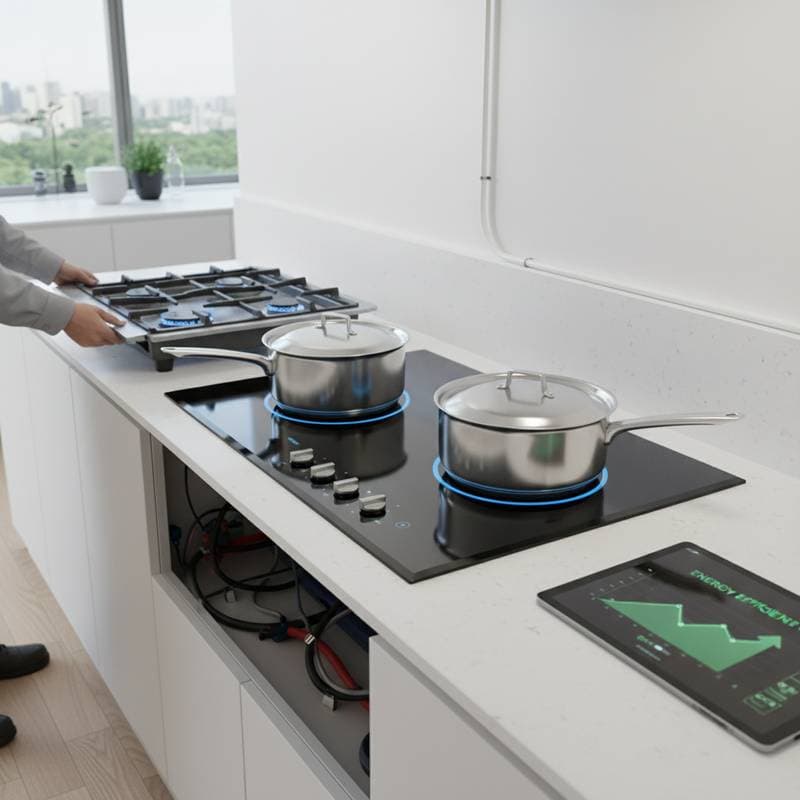
As a remodeling contractor with extensive experience installing various cooktops, the author observes a clear shift in kitchen preferences. Gas cooktops once dominated professional kitchens for their responsive flames, yet induction zones now prevail due to superior efficiency, enhanced safety, and reduced maintenance. This transition stems from tangible benefits in performance, cost savings, and environmental impact, positioning induction as a strategic upgrade for modern homes.
Challenges Associated with Gas Cooktops
Gas cooktops offer visible flames and rapid ignition, appealing to many chefs. However, these systems introduce several drawbacks that affect health, efficiency, and daily use.
-
Impact on Indoor Air Quality
Gas combustion releases nitrogen dioxide and carbon monoxide into the kitchen environment. In confined spaces with inadequate ventilation, these gases accumulate, potentially leading to respiratory issues or chronic discomfort. Homeowners often invest in advanced exhaust systems to mitigate these emissions, adding unnecessary expense. -
Uneven Heating Patterns
Gas flames warm the surrounding air rather than the cookware directly, resulting in inconsistent temperatures. Warped or ill-fitting pots exacerbate this issue, prolonging cooking times and complicating recipes. Induction addresses this by targeting the pan base for uniform heat distribution. -
Elevated Energy Expenses
A significant portion of gas heat dissipates into the ambient air, contributing to higher utility bills. This inefficiency increases cooling demands during warmer months and elevates overall kitchen temperatures. Induction minimizes such losses, directing nearly all energy to the cooking task. -
Ongoing Maintenance and Safety Concerns
Gas infrastructure, including lines and ignition components, demands regular inspections to prevent leaks or malfunctions. Even minor incidents pose substantial risks, as evidenced by cases where undetected leaks compromised household safety. Induction eliminates these elements, fostering a more secure cooking space.
Advantages Driving the Adoption of Induction Zones
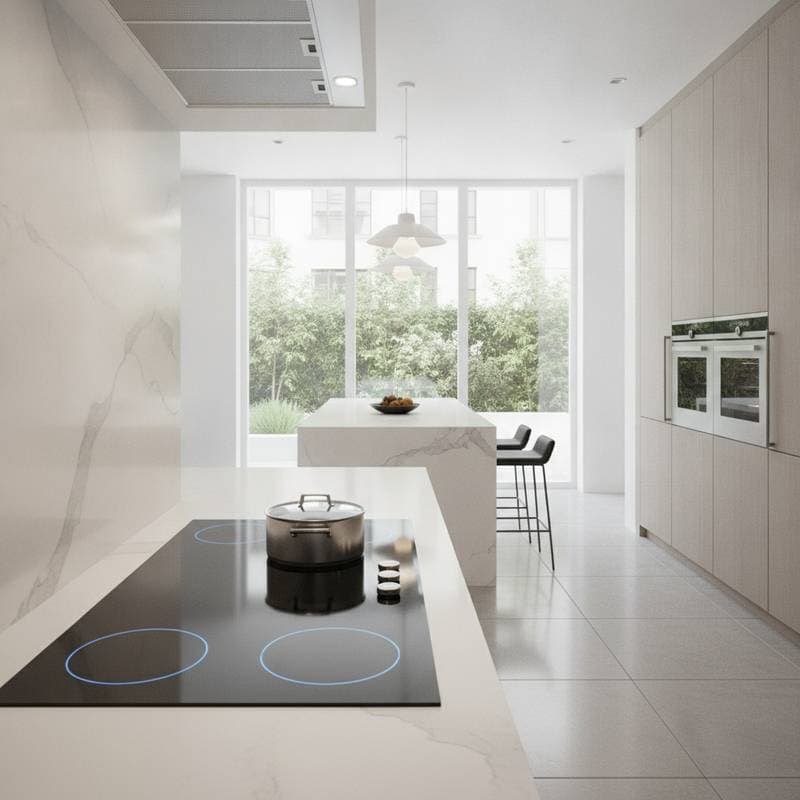
Induction technology employs electromagnetic fields to generate heat within compatible cookware, bypassing traditional combustion methods. Recent advancements have lowered costs and improved durability, accelerating its integration into residential kitchens.
-
Enhanced Precision in Temperature Management
Induction zones adjust heat levels instantaneously upon command, enabling delicate tasks like simmering sauces or precise browning. This responsiveness rivals or surpasses gas, eliminating the need for secondary tools such as double boilers. Cooks achieve consistent results across diverse recipes with minimal effort. -
Superior Speed and Energy Utilization
Boiling water or heating oils occurs more rapidly on induction than on comparable gas setups. Energy transfer efficiency reaches up to 90 percent, as electricity converts directly into cookware heat without ambient loss. This performance reduces operational costs over time. -
Simplified Cleaning and Operation
Absent flames prevent soot buildup or smoke residue on surfaces. The cooktop remains relatively cool outside active zones, allowing spills to wipe away easily without scorching. Users report maintaining pristine conditions with basic cleaning routines. -
Improved Safety Features
Heat activates only under suitable pots, deactivating swiftly upon removal to avert accidental burns. Without open flames, risks to children or pets diminish significantly, and fire hazards from spills or overflows decrease. These attributes make induction ideal for family-oriented kitchens.
Practical Considerations for Transitioning to Induction
Converting from gas to induction requires planning beyond appliance selection, involving infrastructure assessments and procedural compliance.
-
Evaluating Electrical Infrastructure
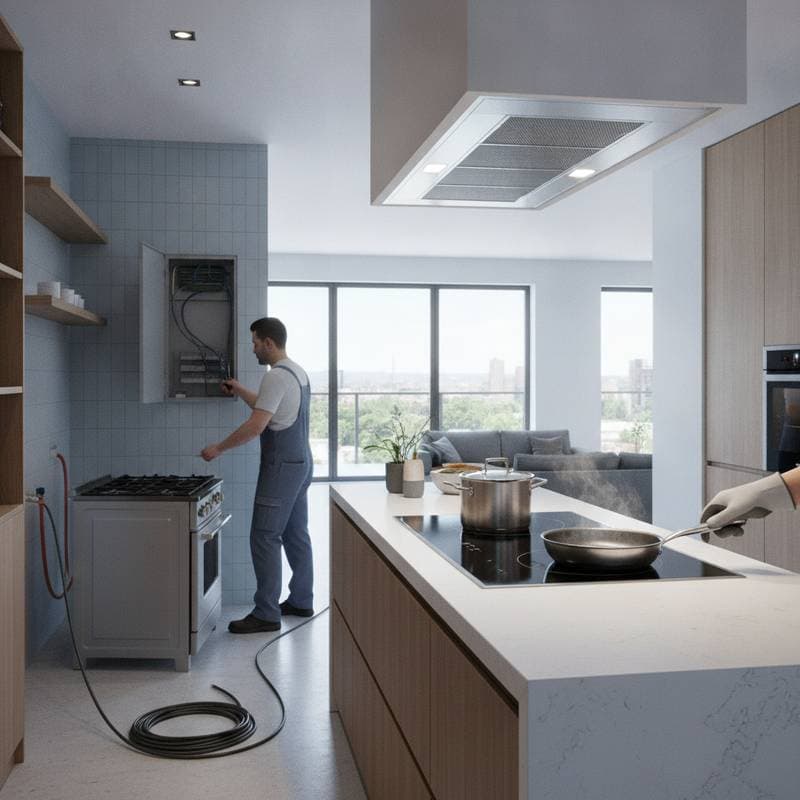
Induction units typically demand a 240-volt dedicated circuit to operate at full capacity. Homes with outdated panels may require upgrades, which enhance overall electrical reliability and code compliance. Consult a licensed electrician early to gauge needs and avoid surprises. -
Navigating Permits and Inspections
Local regulations mandate permits for gas disconnection and new electrical installations. Professional oversight ensures adherence, protecting against future liabilities during home sales or insurance evaluations. Prioritize certified contractors for seamless execution. -
Assessing Cookware Suitability
Only ferromagnetic materials, such as cast iron or certain stainless steels, respond to induction fields. Test existing items by checking if a magnet adheres to the base; non-compatible pieces may need replacement or adapters. This step optimizes the upgrade without excessive outlay. -
Budgeting for Installation and Savings
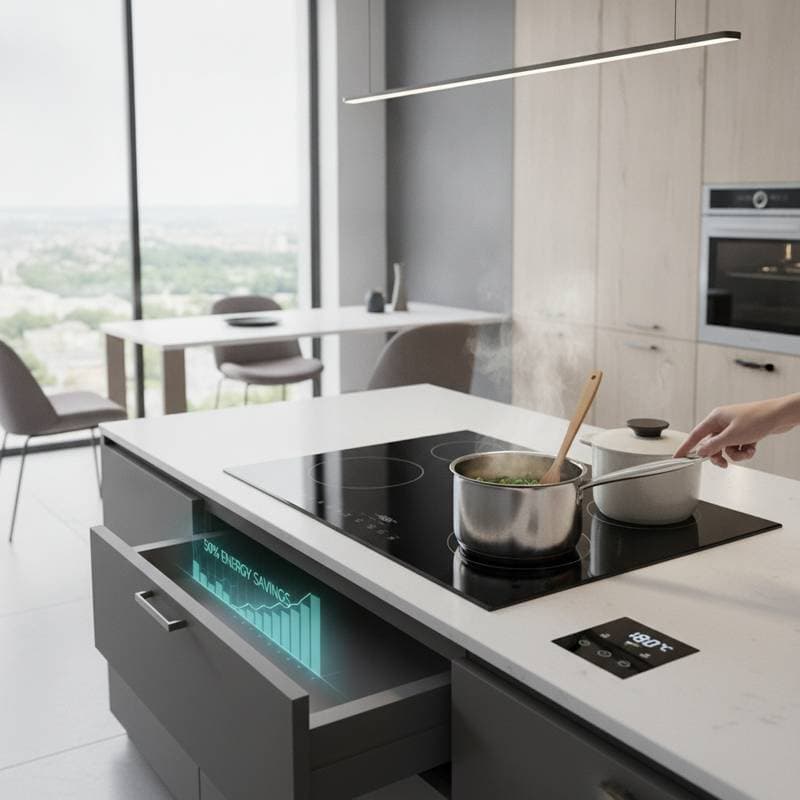
Initial costs for premium induction models exceed basic gas alternatives, yet rebates from utilities and long-term efficiencies offset this. Expect reductions in energy use by 40 to 50 percent, alongside eliminated ventilation expenses. Track incentives through local providers to maximize value.
Insights from Professional Installations
In the field, contractors note a surge in induction requests during kitchen renovations, driven by health-conscious homeowners and regulatory trends. Utility incentives for electrification further encourage adoption, streamlining project economics. New constructions favor induction for its compatibility with contemporary building standards, reducing design complexities.
Clients frequently express astonishment at the intuitive controls and effortless upkeep post-installation. The tangible improvements in air quality and cooking accuracy solidify satisfaction, with rare reversions to gas once experienced.
Steps to Implement Your Induction Upgrade
Approach the switch methodically to ensure lasting benefits. Engage professionals to review your electrical setup and recommend configurations tailored to your space.
Select durable, feature-rich models from reputable brands, verifying compatibility with your habits. Secure all necessary approvals and complete inspections to safeguard your investment.
This upgrade yields immediate gains in safety, efficiency, and convenience, transforming daily cooking into a more enjoyable and sustainable practice.