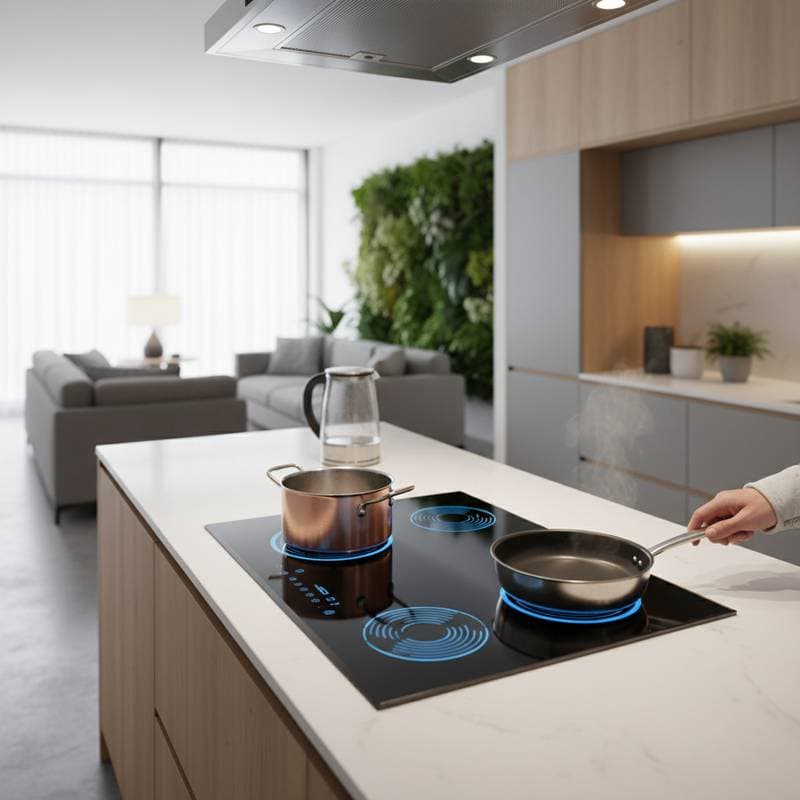
Why Induction Cooktops Beat Gas for Speed and Safety
Induction cooking represents a significant advancement in kitchen technology. This method employs electromagnetic fields to heat cookware directly, bypassing the need for open flames or gas combustion. Home cooks appreciate the precise control and rapid response that induction provides, which enhances both daily meal preparation and gourmet endeavors.
The shift from gas to induction aligns with broader trends toward efficient, safe, and environmentally friendly appliances. Professional chefs and everyday users alike report improved outcomes in cooking consistency and ease of use. As kitchens evolve, induction cooktops emerge as a versatile solution that integrates seamlessly into various designs.
Understanding Induction Technology
Induction cooktops function through a coil that generates a magnetic field when electricity flows through it. This field induces currents within compatible cookware, producing heat at the pan's base. Unlike gas stoves, which rely on burning fuel to create flames, induction targets the cooking vessel exclusively.
This direct heating method ensures that energy transfers efficiently to the food. Surfaces remain relatively cool to the touch, minimizing the risk of burns from accidental contact. Users must select ferromagnetic pots and pans, such as those made from cast iron or certain stainless steels, to achieve optimal performance.
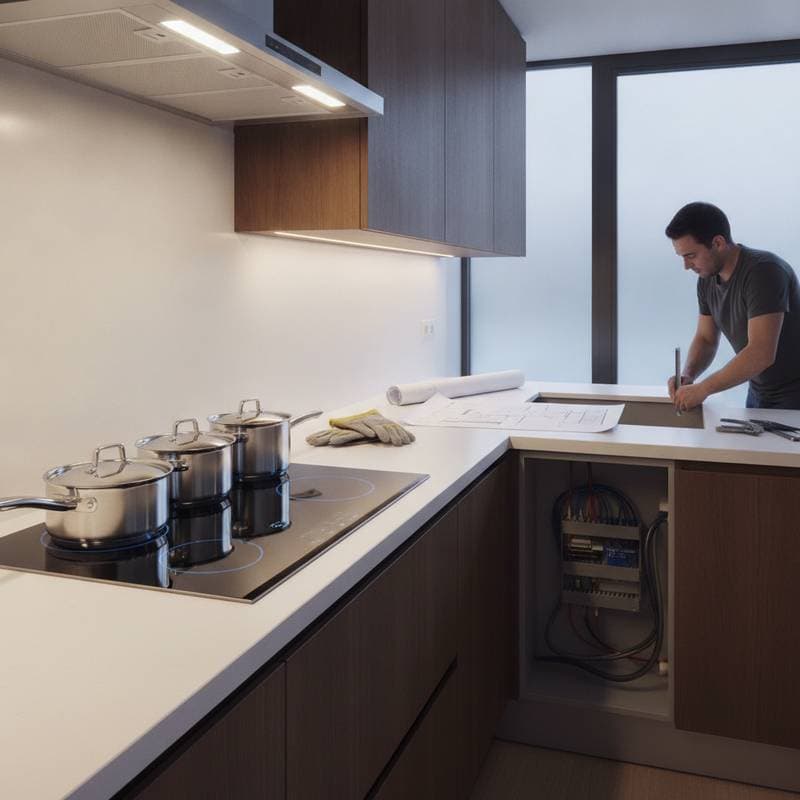
Installation requires a standard electrical outlet, often 240 volts for full-sized models, making it accessible for most homes. Portable induction burners offer an entry point for those testing the technology without major renovations.
Superior Speed in Cooking
One of the primary advantages of induction lies in its exceptional heating speed. Water reaches a boil in half the time compared to gas counterparts, often within two to four minutes for a quart. This rapid heat-up allows cooks to adjust temperatures instantly, simmering sauces without overshooting or searing meats with precision.
The responsiveness stems from the electromagnetic process, which activates and deactivates almost immediately upon command. Gas stoves, by contrast, involve flame adjustment that can lag, leading to uneven heating or wasted time. In busy kitchens, this efficiency translates to shorter cooking durations and preserved nutrients in vegetables and proteins.
Tests demonstrate that induction units can achieve high temperatures up to 500 degrees Fahrenheit swiftly, rivaling professional ranges. For families preparing multiple dishes, the ability to heat separate zones independently prevents cross-contamination of flavors and speeds up overall meal assembly.
Enhanced Safety Measures
Safety stands out as a compelling reason to choose induction over gas. Without exposed flames, the risk of ignition from spilled oils or nearby combustibles diminishes substantially. Surfaces heat only where cookware sits, so surrounding areas stay safe for placement of utensils or accidental brushes.
Childproofing becomes simpler, as there are no hot grates to worry about after cooking. The cooktop cools down quickly once power ceases, reducing the chance of prolonged heat exposure. Built-in features like pan detection automatically shut off if no compatible vessel is present, adding an extra layer of protection.
Gas systems pose hazards from carbon monoxide leaks or gas line failures, requiring vigilant maintenance and ventilation. Induction eliminates these concerns, promoting cleaner indoor air quality by avoiding combustion byproducts. Emergency responders note fewer fire incidents in homes equipped with electric induction setups.
Energy Efficiency and Environmental Benefits
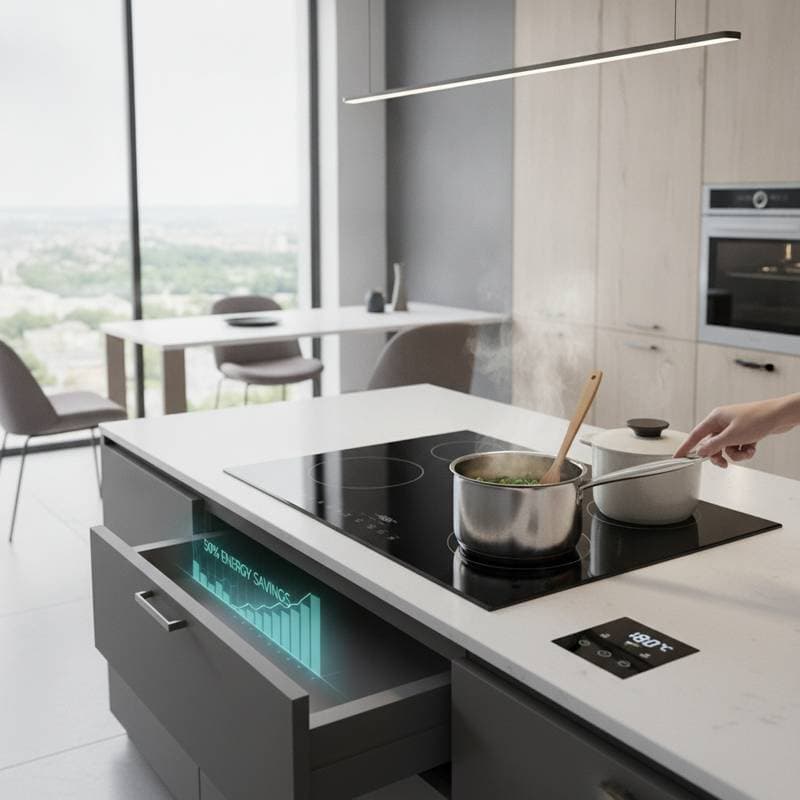
Induction cooktops excel in energy conservation, converting up to 90 percent of electrical energy into usable heat. Gas models lose much of their energy as waste through flames that escape the cookware. This high efficiency lowers utility bills over time, particularly in households with frequent cooking.
From an environmental perspective, induction reduces reliance on fossil fuels, aligning with sustainable living practices. Electricity sourced from renewable grids further amplifies these benefits. Manufacturers design modern units with eco-modes that optimize power usage for low-heat tasks like melting chocolate or warming milk.
Long-term durability contributes to less frequent replacements, minimizing manufacturing impacts. Users report consistent performance over years, with minimal degradation in heating capabilities.
Stylistic Integration and Practical Versatility
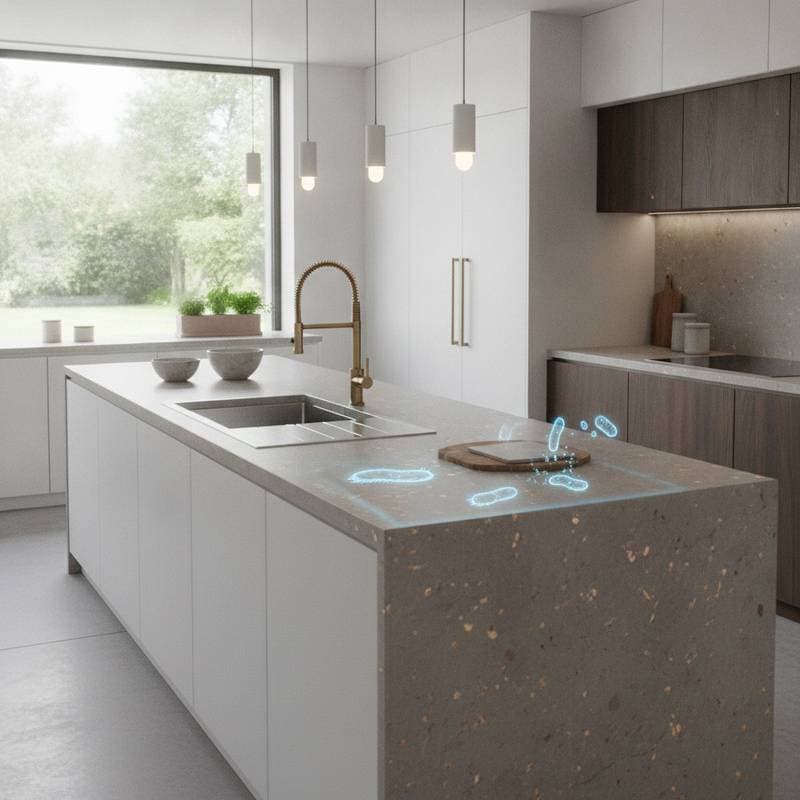
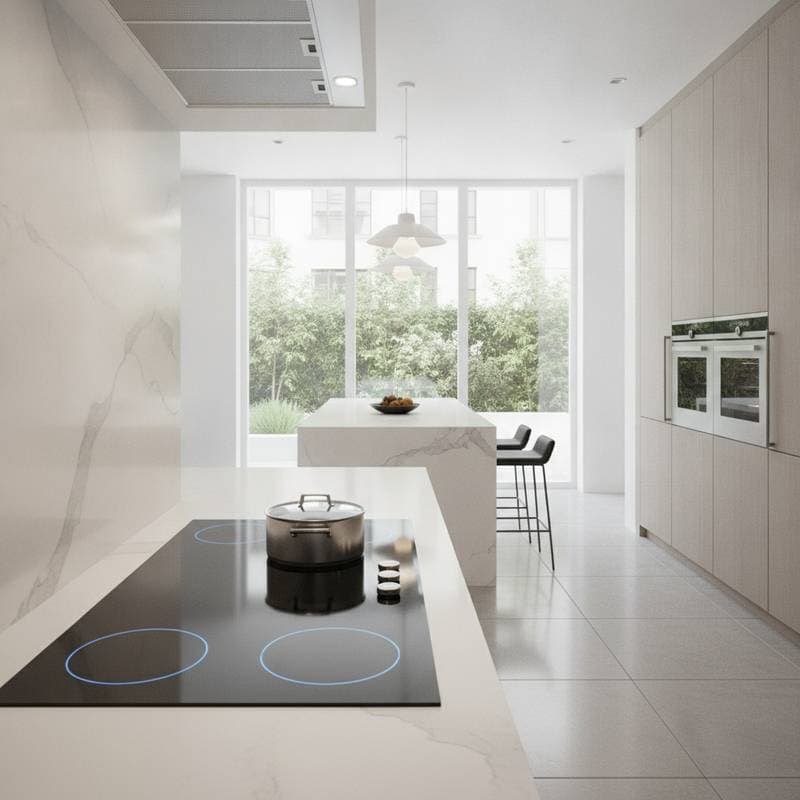
Beyond functionality, induction cooktops enhance kitchen aesthetics with their sleek, flush-mounted designs. Glass-ceramic surfaces resist stains and scratches, simplifying cleanup compared to gas grates that trap debris. Available in sizes from single-burner portables to full-range islands, they suit apartments, remodels, and luxury builds.
Touch controls provide a modern interface, often with digital displays for exact temperature settings. Some models include bridging zones that combine burners for larger griddles, accommodating diverse cookware shapes. Compatibility with wireless temperature probes allows remote monitoring via apps, ideal for multitasking cooks.
Budget options start under 200 dollars for basic units, while premium versions exceed 2000 dollars with advanced features like Wi-Fi connectivity. Retrofitting existing countertops proves straightforward, often requiring only a qualified electrician for wiring.
Selecting and Installing Your Induction Cooktop
To choose the right model, assess your cooking habits and space constraints. Consider burner count, power levels, and size compatibility with your cabinetry. Verify cookware readiness by testing with a magnet; it should adhere firmly to the base.
- Measure your countertop area to ensure fit.
- Check electrical panel capacity for the required amperage.
- Read user reviews focusing on reliability and noise levels from cooling fans.
- Compare warranties, typically ranging from two to five years.
- Plan for professional installation to comply with local codes.
Post-installation, experiment with settings to master heat transitions. Resources like manufacturer manuals offer recipes tailored to induction precision.
Embrace the Future of Kitchen Innovation
Transitioning to induction unlocks a realm of efficient, secure cooking that elevates everyday routines. The combination of rapid performance, robust safety, and elegant form positions it as a superior choice over traditional gas. Invest in this technology to experience tangible improvements in convenience and peace of mind.
Kitchens equipped with induction foster creativity without the drawbacks of older methods. As adoption grows, the benefits extend to healthier meals and reduced environmental footprints. Make the switch to discover how induction redefines home cooking excellence.