Why Aging-in-Place Bathrooms Dominate 2025 Remodels
The bathroom serves as a critical indicator of how a home adapts to its occupants' evolving requirements. This space merges design with everyday routines, demanding that safety and comfort align seamlessly with aesthetic appeal. As homeowners increasingly opt to stay in their residences over time, aging in place has shifted from mere practicality to a comprehensive design approach. Bathroom remodels exemplify this change most vividly.
Contemporary aging-in-place bathrooms transcend outdated stereotypes of clinical grab bars or utilitarian surfaces. They emerge as sophisticated settings that fuse accessibility with refined elegance. Professionals incorporate universal design elements alongside premium materials, strategic illumination, and user-friendly technology to craft environments that deliver luxury without sacrificing ease of use.
The following sections examine key reasons these bathrooms spearhead current remodel trends. Each highlights how intentional choices elevate accessibility into lasting, stylish solutions.
1. Barrier-Free Shower Entries
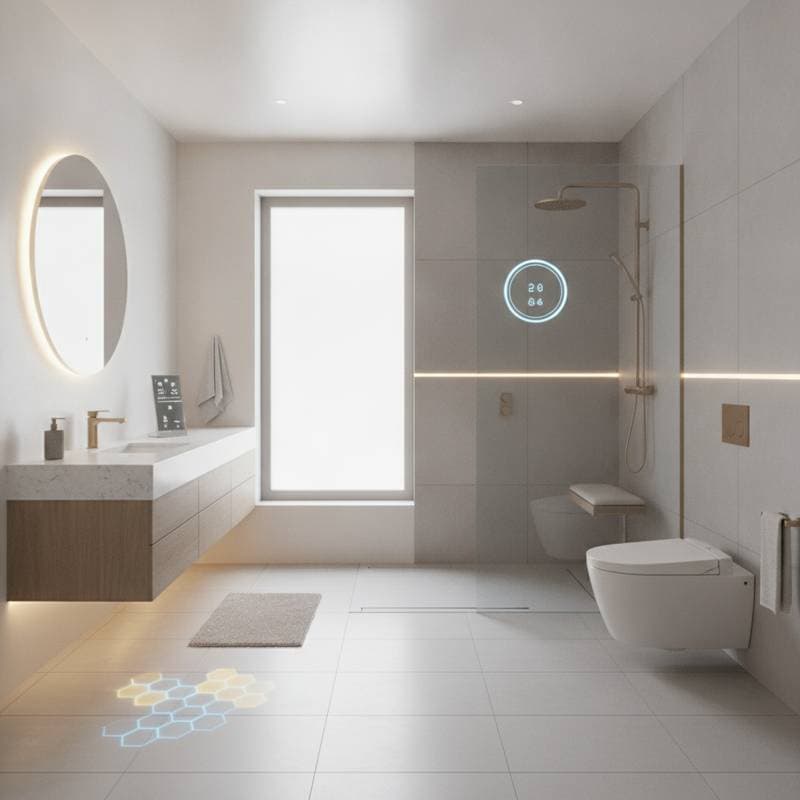
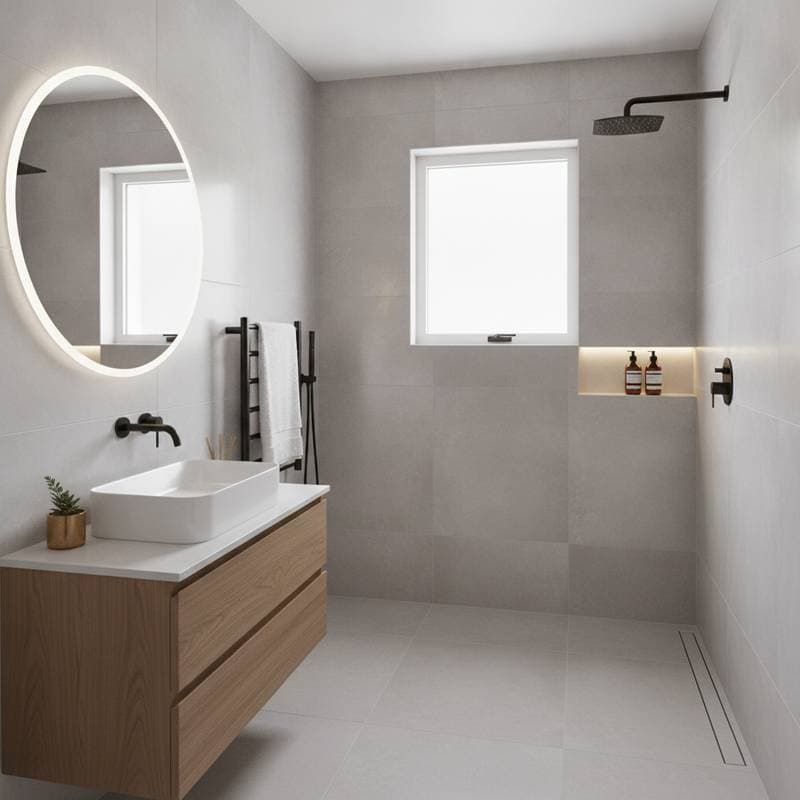
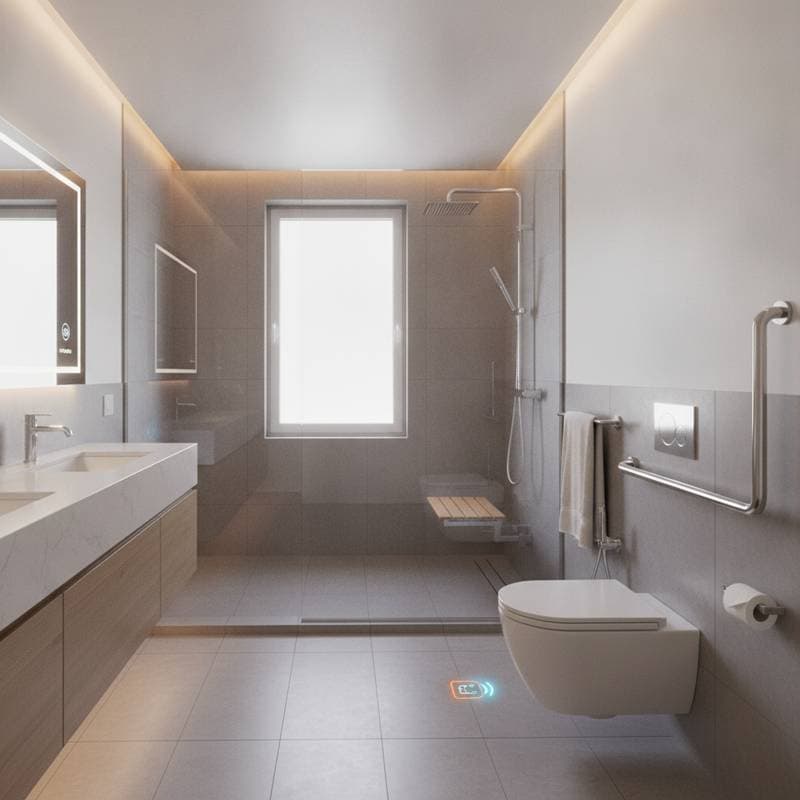
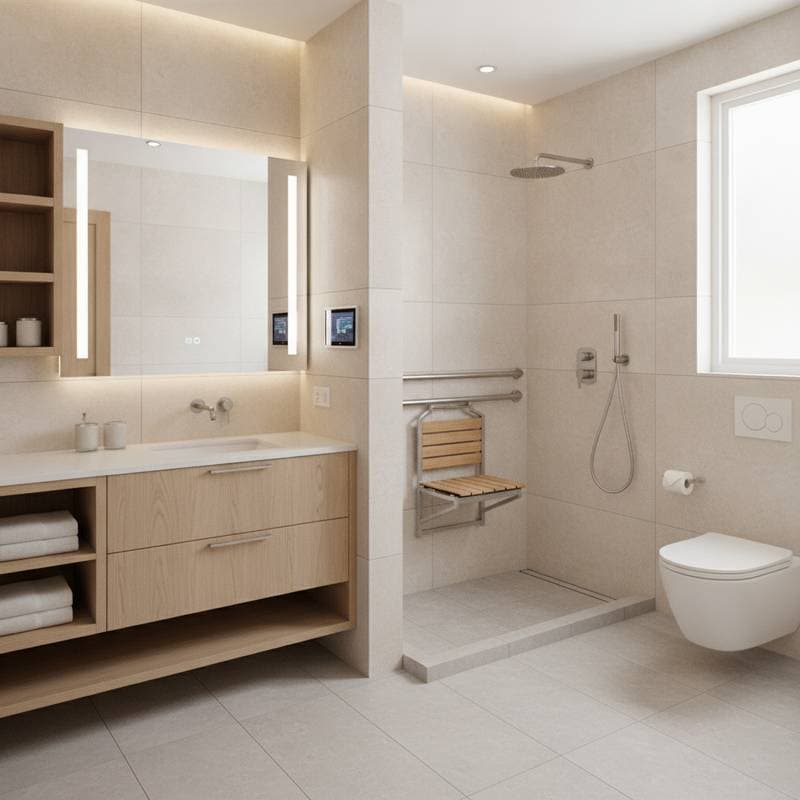
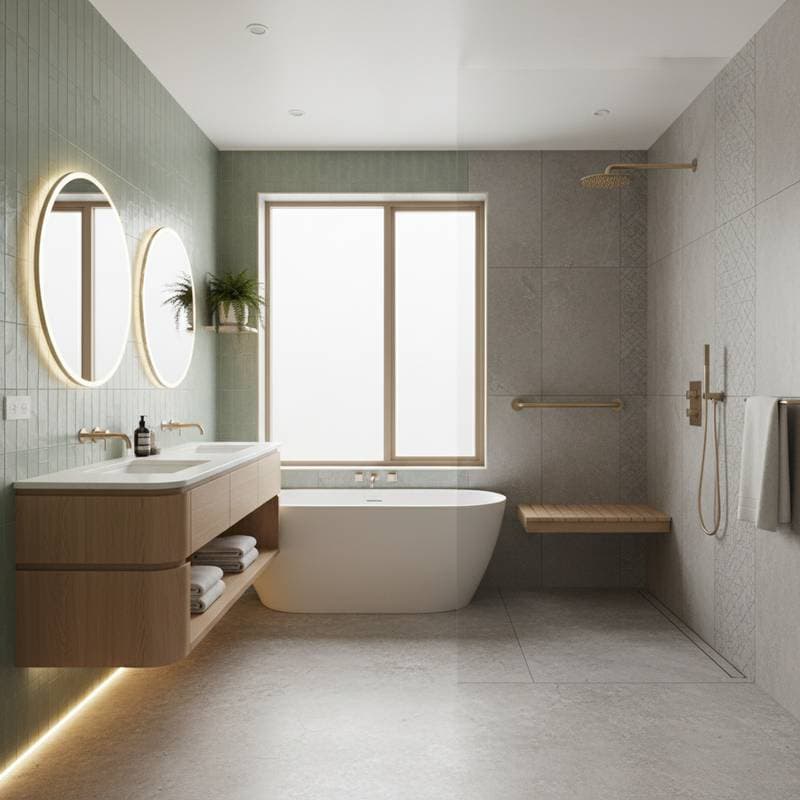
Curbless or zero-threshold showers represent the pinnacle of accessible yet upscale design. Originally developed to aid mobility, these features now define modern aesthetics. Install linear drains, such as those from Infinity Drain, to maintain uninterrupted flooring transitions. Opt for large-format porcelain tiles to reduce grout lines and enhance visual cleanliness.
Select wall colors in neutral warm grays, like Benjamin Moore Revere Pewter, paired with honed limestone or textured terrazzo for floors to ensure slip resistance. This configuration fosters an expansive, contemporary feel while promoting secure navigation. Homeowners gain a fluid entry that supports current mobility and future adaptations without visual disruption.
2. Layered and Adaptive Lighting
Effective lighting forms the backbone of both security and ambiance in bathroom spaces. Implement a multi-tiered approach with ambient overhead sources, focused task lights, and subtle accent fixtures to balance functionality and mood. Lighting specialist Marisol Chen notes that even, diffused illumination assists older vision in identifying edges and preventing mishaps.
Incorporate motion-sensor toe-kick lights under storage units and gentle mirror backlighting for nighttime visibility. Choose LED options with tunable color temperatures, enabling shifts from crisp white for morning preparations to warm golden tones for relaxation. Integrate dimmer switches and automated controls to customize brightness effortlessly, enhancing daily wellness and serene atmospheres.
3. Intuitive Smart Technology Integration
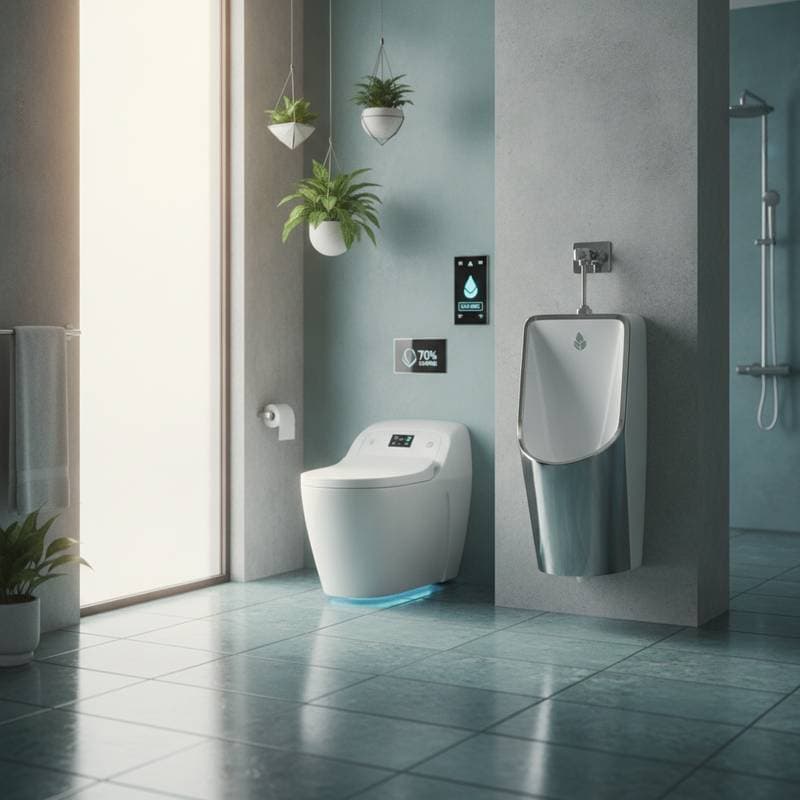
Advanced technology introduces discreet enhancements to aging-in-place bathrooms, prioritizing ease and autonomy. Thermostatic digital valves maintain precise water temperatures, while sensor-based faucets eliminate the need for manual operation. Voice-command systems manage lighting and ventilation, reducing physical strain.
Delta VoiceIQ connects seamlessly with home automation platforms for hands-free adjustments. Toto Washlet bidets offer heated seating, adjustable water streams, and self-cleaning mechanisms to elevate hygiene and comfort. These elements streamline routines, preserve user dignity, and foster independence. Select compatible devices during planning to ensure cohesive operation across the space.
4. Versatile and Inclusive Vanity Designs
Outdated pedestal sinks give way to adaptable vanities that support varied user heights and positions. Floating consoles or adjustable-height models provide clearance for seated access. Collaborate with custom fabricators like Woodwright Design Studio for pieces featuring recessed knee areas, embedded task lighting, and modular storage drawers.
Counter surfaces in durable quartz or solid-surface materials like Corian offer smooth, hygienic finishes resistant to wear. Round edges on all components minimize collision risks while preserving sleek profiles. This approach ensures ample organization without compromising on proportional elegance or practical utility for long-term use.
5. Holistic Wellness Enhancements
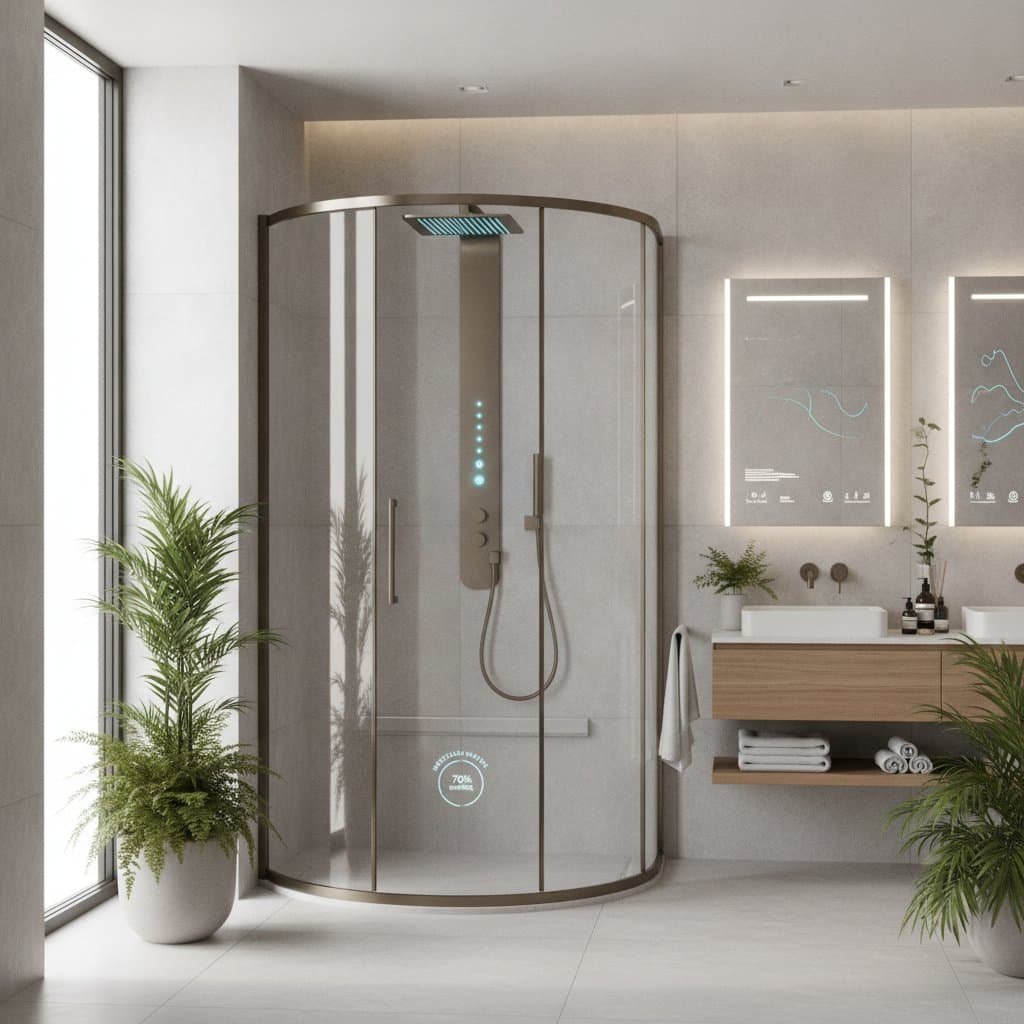
Wellness features elevate aging-in-place bathrooms to realms of true indulgence and therapeutic value. Radiant floor heating warms tiles instantly, while steam-enclosed showers and contoured tubs promote muscle relief and circulation. Embed aromatherapy ports, color-shifting chromotherapy lights, and discreet audio systems to transform routines into rejuvenating experiences.
Consult occupational therapists early to tailor elements like grab-integrated ledges or adjustable showerheads for optimal ergonomics. These additions create a nurturing environment that addresses physical and mental well-being. The synergy of accessibility and self-care results in spaces that sustain vitality across decades.
Designing for Enduring Independence
Aging-in-place bathrooms stand out through their proactive empathy, providing understated assistance amid graceful form. They foresee needs rather than merely accommodate them, blending support with visual poise. This thoughtful ethos extends to material selections that age well and layouts that invite personalization.
Homeowners embarking on remodels should view accessibility as an enhancement to enduring appeal. Prioritize core elements such as threshold-free access, versatile illumination, and ergonomic fixtures. Then infuse personality via tactile fabrics, harmonious colors, and bespoke accents.
Engage certified aging-in-place experts, including architects and contractors versed in both regulatory standards and human-centered principles. Focus on durable craftsmanship that withstands time and use. Ultimately, these remodels affirm life's continuum, where thoughtful spaces nurture autonomy and joy without concession to style.