The Surge of Aging-in-Place Bathrooms in 2025
Homeowners increasingly discuss modifications to make residences more adaptable for long-term living. Many begin to consider the steps required to maintain comfort in their current homes as years advance. The bathroom emerges as a primary focus for such updates, given the potential risks posed by slick surfaces, confined areas, and elevated bathtub edges.
Reports indicate a nationwide rise in bathroom remodels that emphasize accessibility and sustained usability. This shift extends beyond concerns related to age; it encompasses thoughtful design principles that benefit all occupants. The following sections examine the drivers behind this expansion, highlight critical elements, and provide guidance on executing a remodel aligned with financial constraints and personal needs.
Essential Features of an Aging-Friendly Bathroom
Aging-in-place design centers on functionality and ease of use. The objective involves eliminating obstacles to foster an intuitive environment. Below are the primary components that characterize an effective accessible bathroom.
1. Zero-Threshold Showers
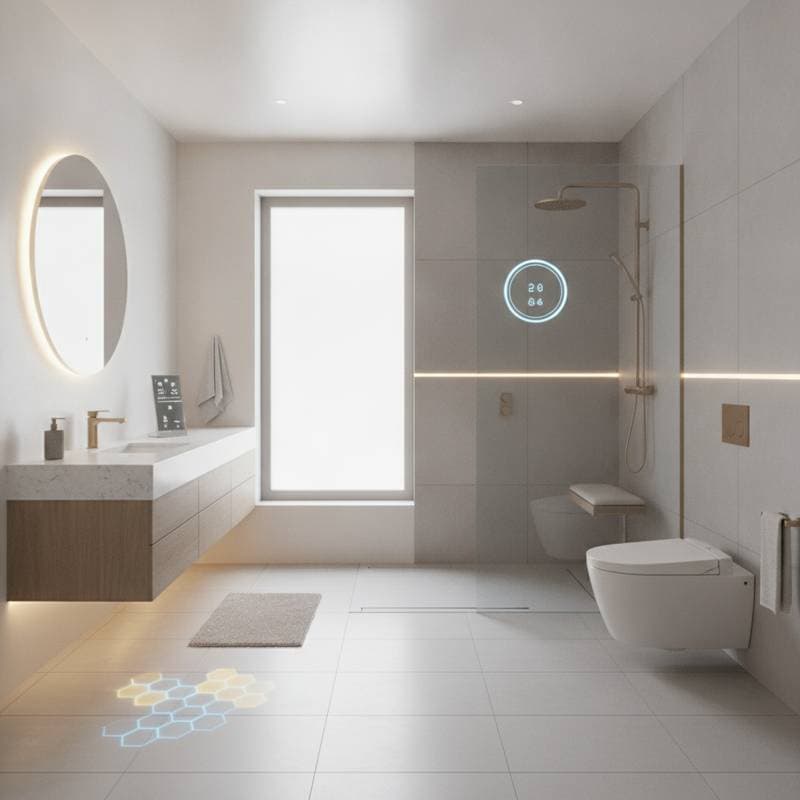
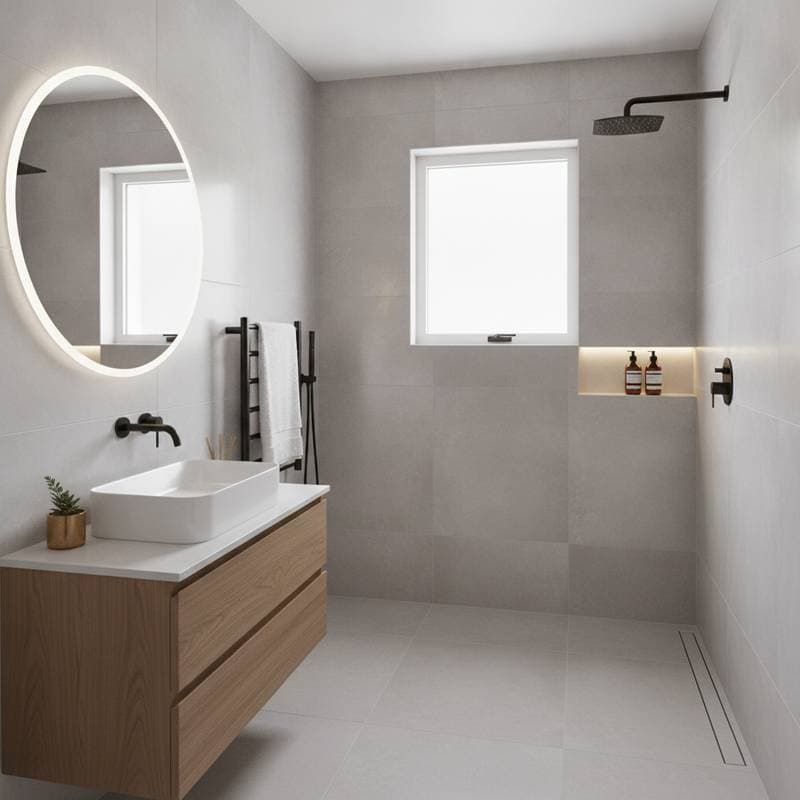
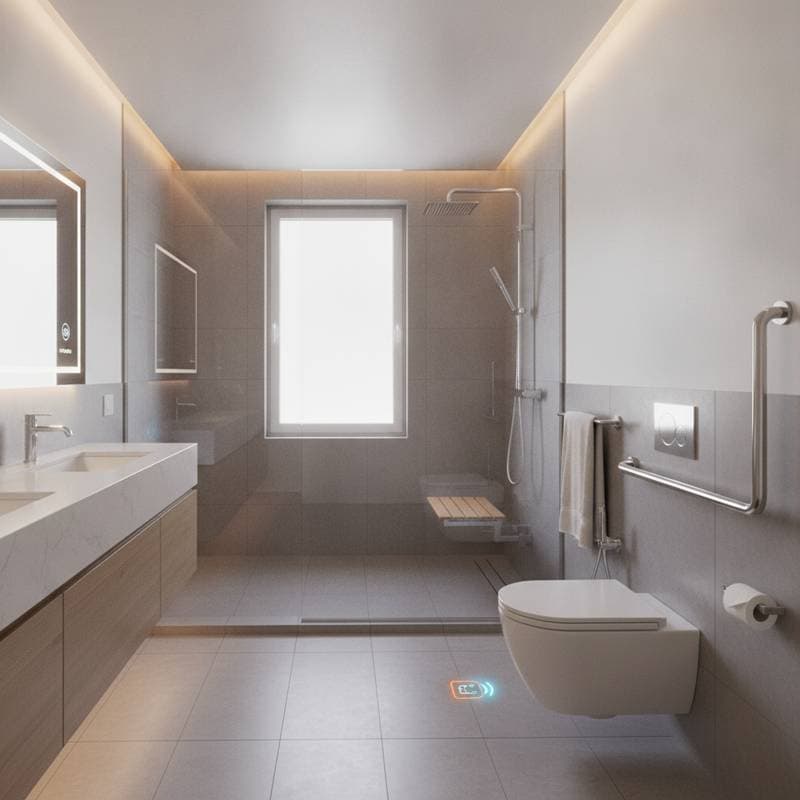
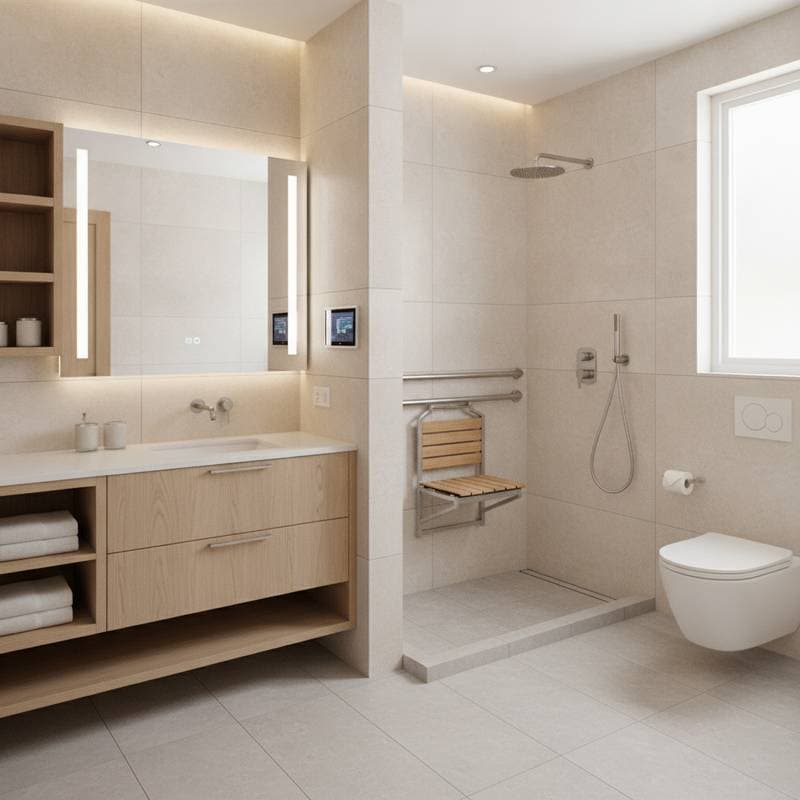
Navigating over a shower ledge appears minor in the present but may pose challenges in the future. A zero-threshold shower removes this barrier, facilitating seamless entry whether walking or using mobility devices.
Cost range: $6,000 to $15,000, influenced by selections in tiling, waterproof membranes, and plumbing modifications.
Pro tip: Verify that the floor pitch channels water efficiently to the drain. Inadequate grading leads to water accumulation and heightened slip potential.
2. Non-Slip Flooring Options
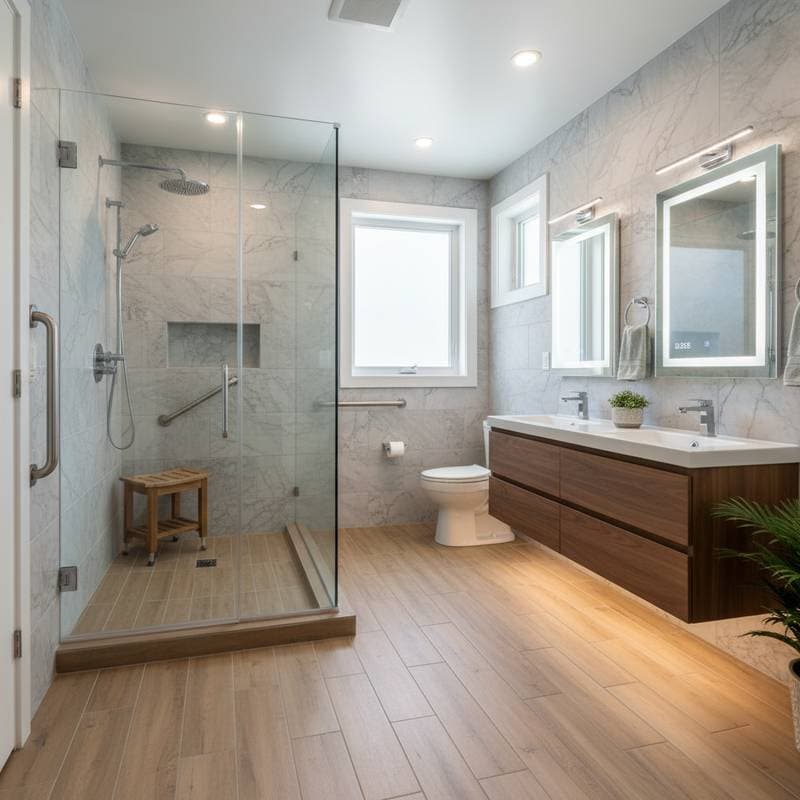
Materials such as textured porcelain tiles, vinyl with enhanced grip, or rubber surfaces ensure stability in wet conditions. Opt for larger tiles with minimal grout joints to simplify maintenance.
Cost range: $4 to $10 per square foot for durable, high-quality options.
3. Grab Bars and Support Rails
Contemporary grab bars coordinate with existing fixtures in color and style, avoiding an institutional appearance. Position them adjacent to the toilet, at the shower threshold, and within the shower enclosure.
Cost range: $100 to $300 per unit, including professional installation.
Safety tip: Secure grab bars to wall studs or employ reinforced mounting hardware capable of supporting substantial loads.
4. Comfort-Height Toilets
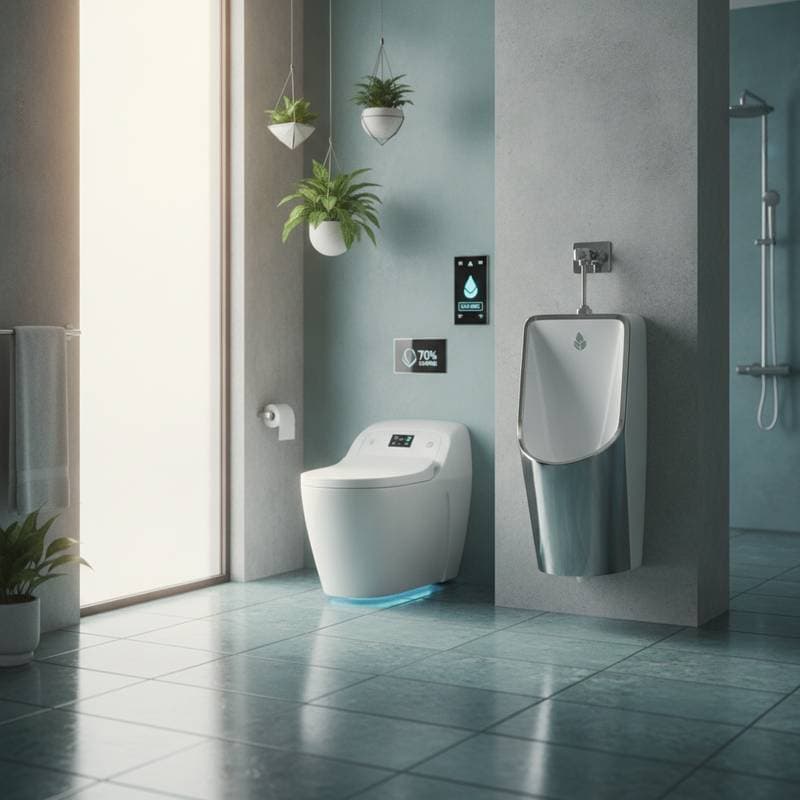
These fixtures elevate the seat to 17 to 19 inches from the floor, easing the process of standing and sitting.
Cost range: $250 to $600 for the unit, with an additional $200 for installation.
5. Adjustable or Handheld Shower Heads
A mountable rail paired with a handheld sprayer enables precise control of water flow, whether seated or upright. This addition proves valuable for all household members.
Cost range: $150 to $500, encompassing installation.
6. Wider Doorways and Ample Floor Clearance
Standards recommend at least 32 inches of unobstructed doorway width. Within the space, provide a minimum of 5 feet diameter for maneuvering with assistive devices.
Cost range: $700 to $2,000 for doorway expansion, varying by structural adjustments and surface treatments.
7. Enhanced Lighting Solutions
Multiple light sources minimize shadows and excessive brightness. Integrate ceiling fixtures, mirror-adjacent sconces, and low-level motion-sensor lights for nighttime navigation.
Cost range: $500 to $2,000, based on fixture choices and electrical work.
Budget Tiers: From Basic Updates to Luxury Overhauls
Financial resources and expertise levels differ among homeowners. The tiers below outline achievable outcomes at various spending thresholds.
Basic or DIY Projects ($2,000 to $8,000)
Targeted enhancements include:
- Mounting grab bars and installing handheld shower heads
- Upgrading to a comfort-height toilet
- Incorporating energy-efficient LED illumination and pathway night lights
- Applying anti-slip treatments to existing floors
These initiatives demand standard tools and foundational abilities. Adhere to product guidelines and utilize appropriate fasteners for secure attachments.
Mid-Range Renovations ($10,000 to $25,000)
This category supports structural changes and quality improvements:
- Transforming a bathtub into a barrier-free shower
- Laying fresh non-slip tile flooring
- Substituting the vanity with a wall-hung or pedestal design to accommodate wheelchair clearance
- Upgrading exhaust systems and lighting arrangements
Professional involvement becomes necessary for tasks involving plumbing and moisture barriers.
Premium Transformations ($30,000 to $50,000+)
Comprehensive redesigns feature:
- Complete demolition and reinstallation with bespoke tiles and appliances
- Underfloor radiant heating systems
- Integrated seating within showers and zoned water delivery
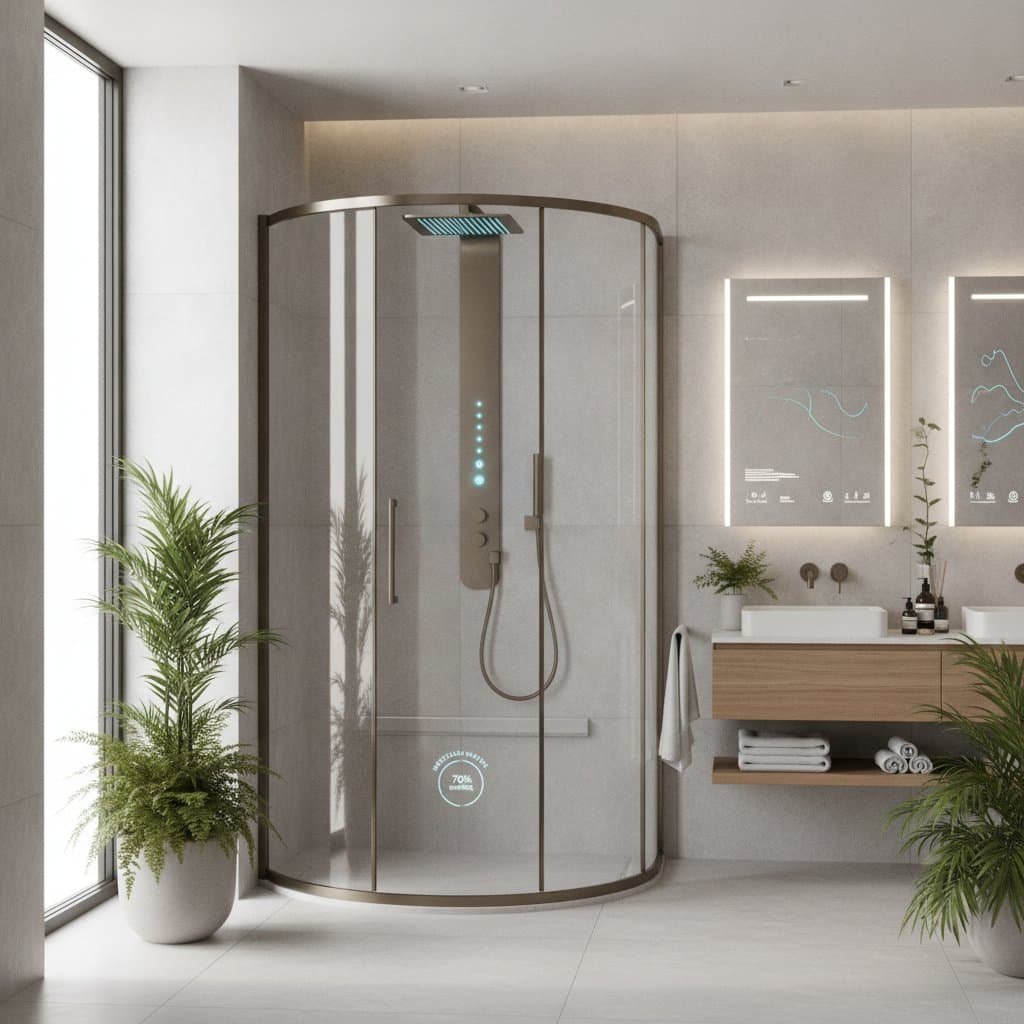
- Automated lighting and voice-command integrations
Such endeavors merge opulence with practical accessibility.
Adapting to Regional and Personal Factors
Local conditions influence material selections. In areas with high humidity, prioritize porcelain tiles and fiberglass composites for mold resistance. Colder climates benefit from heated floors to combat chill and moisture buildup.
Space limitations call for space-saving solutions like pocket doors or sliding barn doors to enhance circulation. For residences with multiple levels, evaluate shifting a complete bathroom to the ground floor to improve accessibility over time.
Personal habits also guide decisions. When entertaining visitors or accommodating family, incorporate universal design elements that serve diverse needs across generations, from toddlers to seniors.
Pitfalls to Sidestep in Planning
Thoughtful intentions alone do not guarantee success; foresight prevents errors. Consider these frequent oversights:
- Inadequate drainage angles in barrier-free showers leading to standing water
- Insufficient anchoring of grab bars, risking detachment under stress
- Dim illumination, particularly around reflective surfaces or pathways
- Abrupt floor level changes at room thresholds that invite stumbles
- Slick, polished tiles that lose traction in damp environments
Proactive corrections during initial phases conserve resources and avert complications.
Steps to Implement Your Bathroom Upgrade
Modifying a bathroom for long-term residency extends beyond future preparation; it enhances immediate safety, ease, and enjoyment. Incremental changes yield noticeable benefits without overwhelming commitment.
Simple additions such as reinforced supports, optimized illumination, or versatile showering tools streamline routines. A versatile bathroom supports every life phase, enabling continued residence in a cherished home with assured security and comfort.