Universal Design for Age-Proof Bathrooms in 2025
Every bathroom reflects routines of comfort and care. People often enter this space first thing in the morning and leave it last at night. It serves as a private retreat that mirrors daily life and the process of aging. Universal design introduces a fresh perspective on this vital area. It combines accessibility with elegance to support users through all life stages. The aim is to avoid a clinical appearance. Instead, the focus remains on creating timeless, intuitive, and functional rooms.
Age-proof design excels through its subtle approach. Such designs keep bathrooms inviting and safe without highlighting adaptive elements. The finest examples integrate craftsmanship, technology, and human-centered principles. These elements produce spaces that address needs in advance. The following sections present selected strategies and inspirations that define universal bathrooms for the future.
10. Seamless Entry Showers
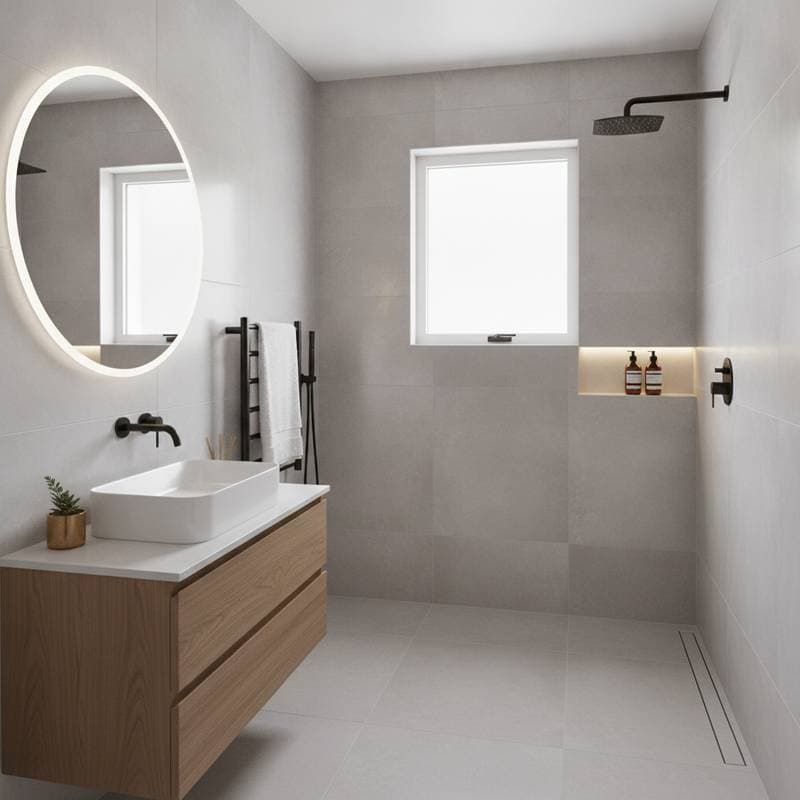
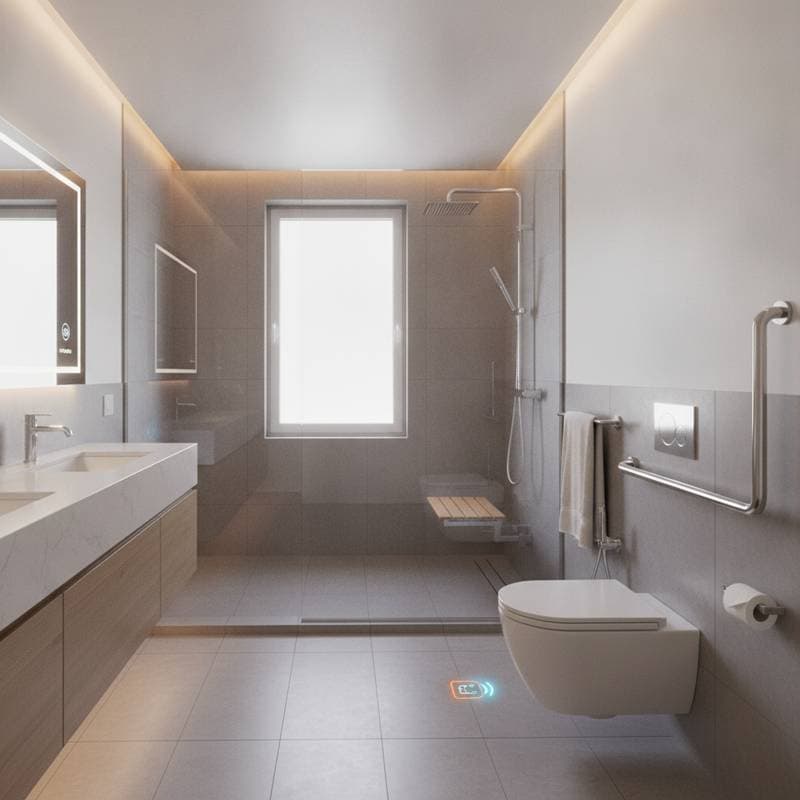
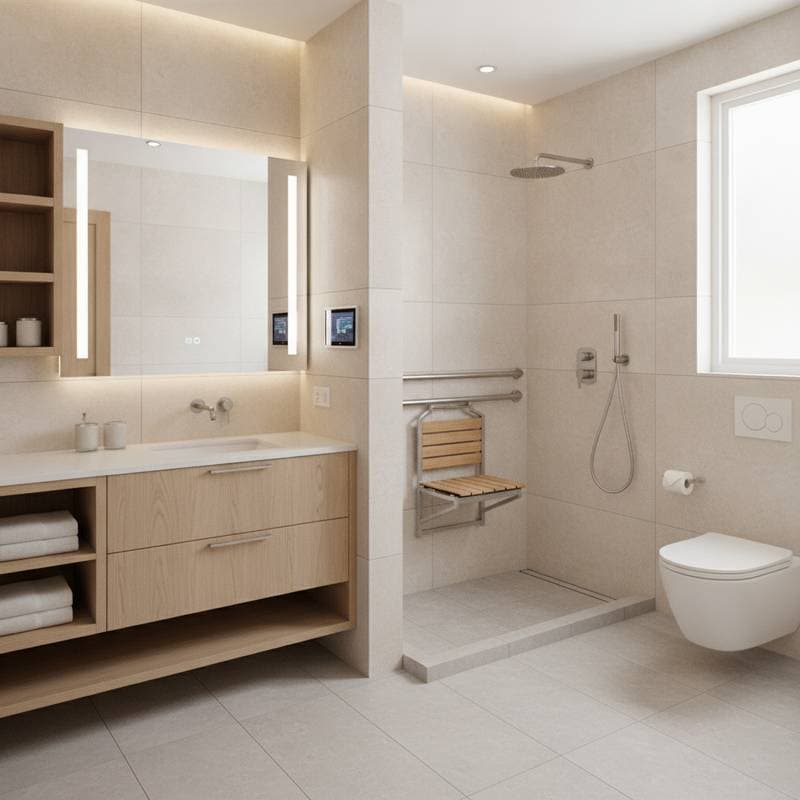
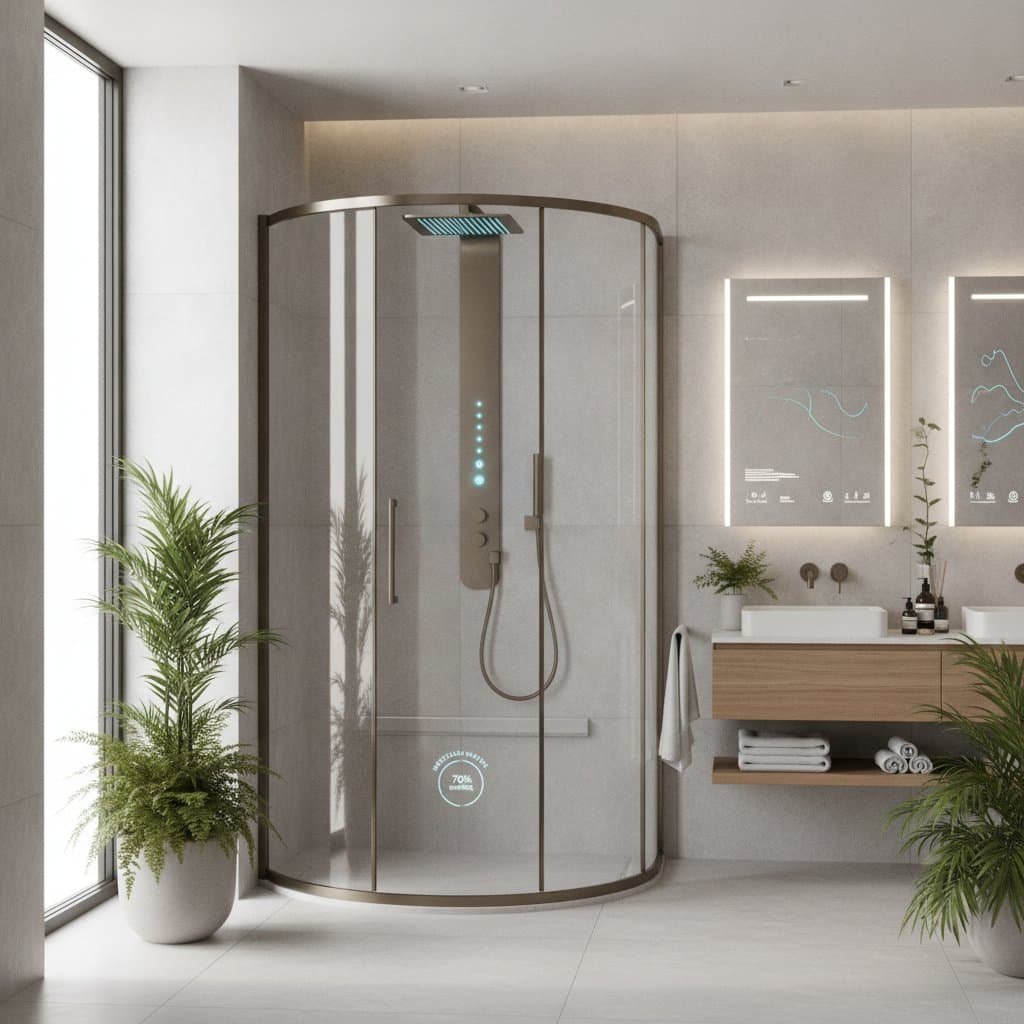
Walk-in showers featuring zero-threshold entries represent accessible luxury. These designs remove barriers to simplify movement for individuals of all ages, including children and older adults. Designer Mara Klein of Studio Forma Interiors incorporates large-format porcelain tiles from Porcelanosa alongside linear drains from Infinity Drain. This combination forms a seamless floor plane. The result offers a modern aesthetic and practical benefits. It minimizes tripping risks and enhances the sense of spaciousness.
9. Gracious Lighting Layers
Effective lighting elevates function to a level of comfort. Universal bathrooms employ layered systems that adapt to evolving requirements. Architect Daniel Lutz of Atelier Lutz & Co. recommends LED strips integrated into floating vanities. He pairs these with dimmable sconces positioned at eye level. Matte opal glass shades soften the light over Carrara marble surfaces. This setup reduces glare and preserves visibility. The space feels serene in the morning and relaxing in the evening.
8. Ergonomic Fixtures and Hardware
Ease defines each element in these designs. Lever-style faucets, touchless controls, and single-handle mixers streamline everyday tasks. Harper & Vale Design Group used brushed nickel fixtures from Brizo in a recent installation. These complement custom European oak cabinetry with a natural matte finish. The wood provides tactile warmth against the metal's crisp tone. Rounded edges and matte surfaces help prevent slips and injuries. Functionality aligns with comfort through understated refinement.
7. Smart Toilets and Adaptive Technology
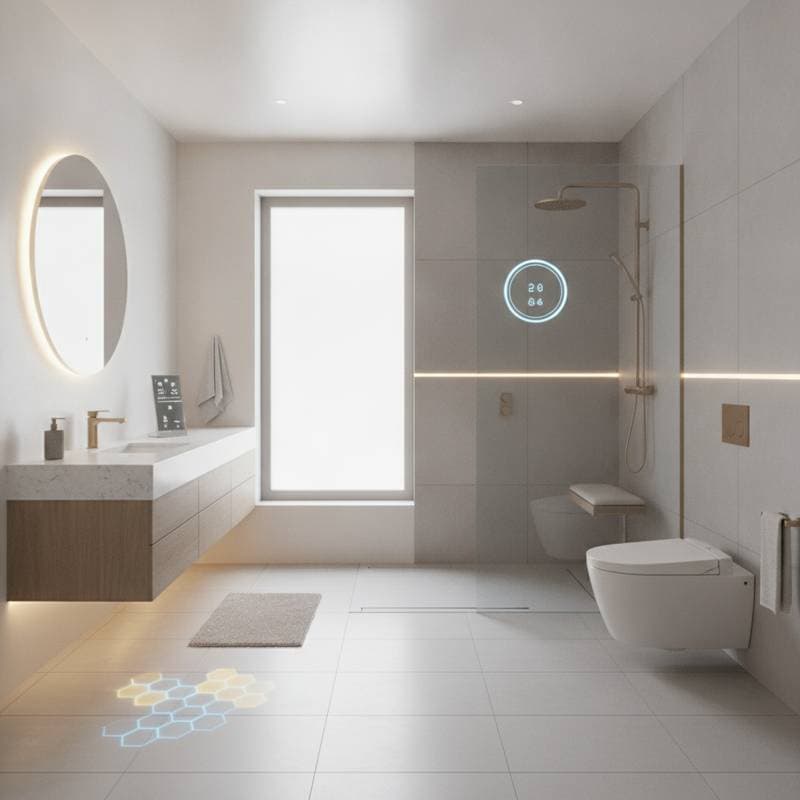
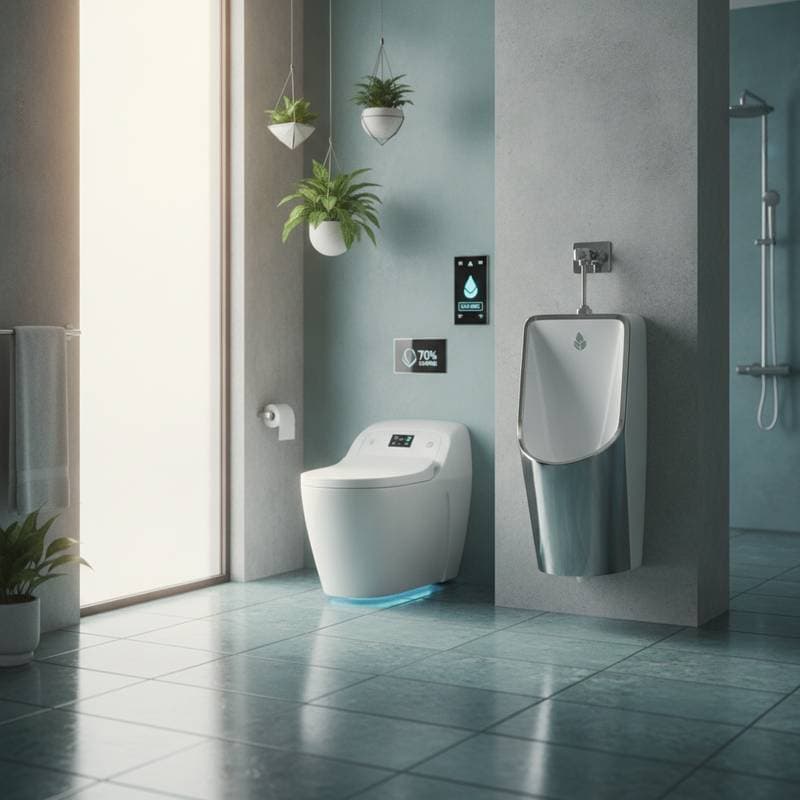
Technology supports independence when integrated with care. Smart toilets offer bidet functions, automatic lids, and height-adjustable bases to improve hygiene and ease. Interior designer Lila Moreno chose a TOTO Neorest model for a compact ensuite project. She combined it with motion-activated floor lighting and a subtle emergency call button. The technology remains unobtrusive until required. This preserves the bathroom's peaceful atmosphere.
6. Slip-Resistant Flooring in Natural Tones
Textured surfaces ensure safety and add sensory appeal. Options like honed limestone, matte porcelain, or textured terrazzo provide grip without a utilitarian look. Craft Masonry Co. applied micro-textured porcelain tile in Warm Graphite from Crossville to a project. They added radiant floor heating for added warmth. The tile's subtle grain interacts with light throughout the day. This demonstrates that safety can integrate beauty seamlessly.
5. Grab Bars as Design Statements
Grab bars extend beyond basic chrome utility. They now showcase craftsmanship and aesthetic appeal. Product designer Mia Tan for Watermark Designs created options in aged brass and matte black. These blend with towel rails and shelving units. Installed against a wall in Benjamin Moore’s Edgecomb Gray, they appear as architectural features. Strategic placement near showers and toilets provides support without disrupting the visual harmony.
4. Height-Conscious Design
Designs that consider height accommodate diverse mobility needs. Floating vanities and adjustable mirrors offer versatility in shared spaces. Studio Vero Architecture developed a dual-height vanity using rift-cut walnut and a Frost White quartz countertop from Caesarstone. This setup supports both seated and standing positions. Under-cabinet lighting improves depth and sightlines. All measurements prioritize comfort and respect.
3. Color Psychology and Mood
Colors shape perception and enhance safety. Soft, warm neutrals with balanced contrast outline edges and surfaces for varying vision levels. Color consultant James Adler suggests Farrow & Ball’s Skimming Stone, a gray-beige tone. It pairs well with warm metals and cool stones. Combined with soft white trim and natural light, it fosters calm and continuity. This supports mental focus and emotional well-being.
2. Thoughtful Storage and Accessibility
Clutter hinders navigation. Universal design counters this with storage solutions that place items within easy reach. Pull-out drawers feature soft-close mechanisms. Open shelves sit near showers, and recessed niches hold toiletries to avoid excessive bending or reaching. Custom fabricator Elan Woodworks constructs cabinetry with built-in lighting and ergonomic pulls. A low-sheen lacquer finish withstands moisture. Practicality emerges as seamless artistry.
1. The Power of Spatial Flow
Universal design centers on effortless movement. Well-planned bathrooms account for circulation, reach ranges, and natural rhythms. Architectural designer Priya Deshmukh advocates a minimum five-foot turning radius for wheelchairs or aids. This promotes freedom without limitations. Fixtures align along clear pathways with balanced visuals. Materials, colors, and proportions collaborate to enclose daily routines in simplicity.
Integrating Universal Design into Daily Life
An effective age-proof bathroom integrates accessibility without fanfare. It simply suits every user. When principles guide the process from the outset, they enhance both aesthetics and utility. Spaces emerge that foster independence, security, and tranquility. The bathroom evolves into a domain of assurance rather than worry.
Homeowners undertaking renovations should prioritize collaboration. Engage designers and contractors versed in accessibility guidelines and aging-in-place methods. Address clearances, illumination, and fixture positions during initial planning. Select durable materials that resist moisture, frequent handling, and wear over time.
Universal design embodies subtle wisdom. It functions as a philosophy of inclusion via deliberate selections. A grab bar resembling artwork, a floor threshold that blends away, a mirror that adjusts effortlessly; each element conveys anticipation and concern. Age-proof bathrooms illustrate that superior design endures by embracing evolution. They mold comfort, respect, and persistence, converting ordinary habits into expressions of thoughtful empathy.