Universal Design: Age-Proof Bathrooms for 2025 Living
The bathroom serves as one of the most personal areas in a home, a sanctuary for renewal, privacy, and routine tasks. This space often presents navigation challenges as physical abilities change over time. Universal design addresses these issues by transforming bathrooms into inclusive environments that prioritize safety, accessibility, and aesthetic appeal.
This philosophy integrates ergonomics, sensory elements, and refined details from the outset. The result is a room that accommodates users at any life stage without sacrificing style. Homeowners and designers can achieve this balance through deliberate choices that enhance both function and form.
The following ten strategies outline key approaches to creating age-proof bathrooms. Each method combines practical solutions with elegant design principles to support modern lifestyles.
10. Subtle Entry Transitions
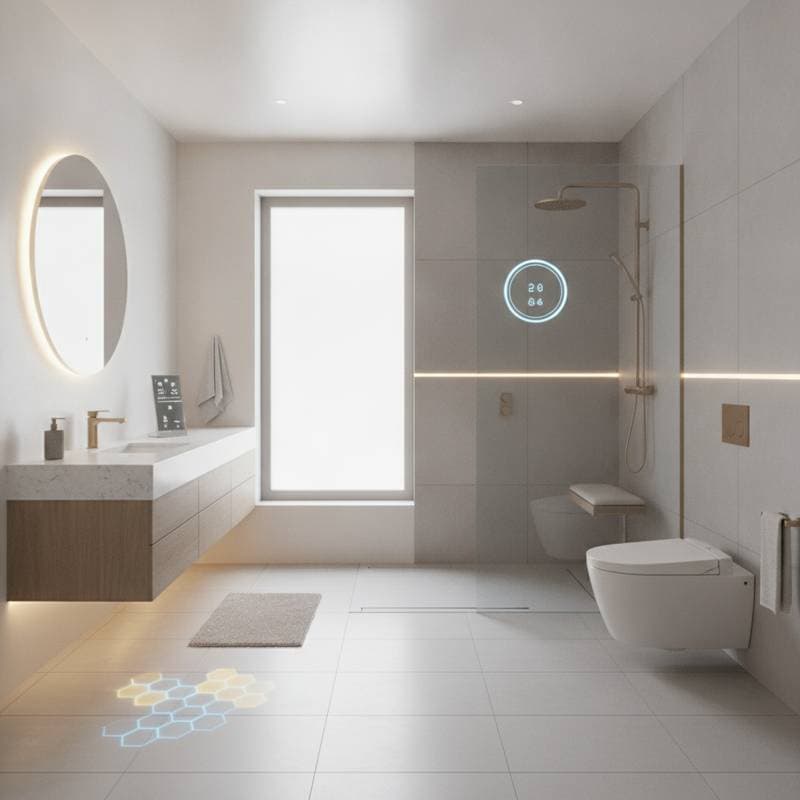
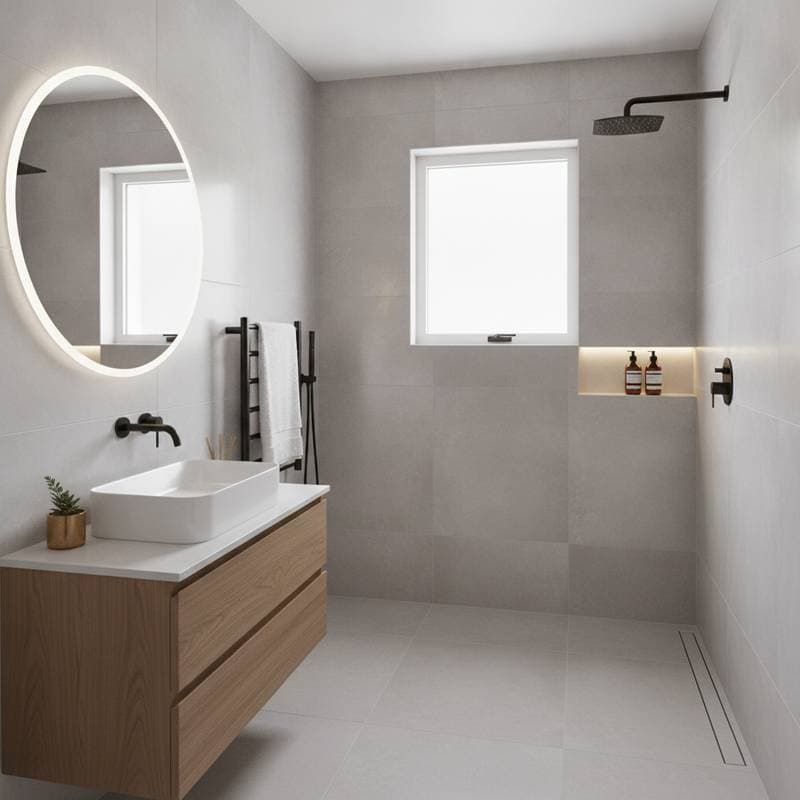
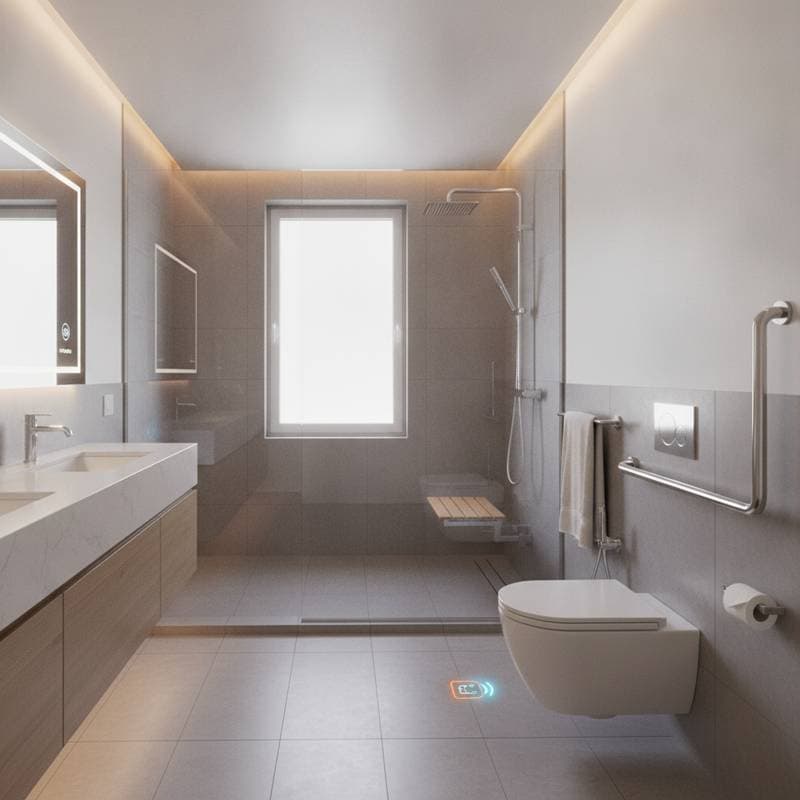
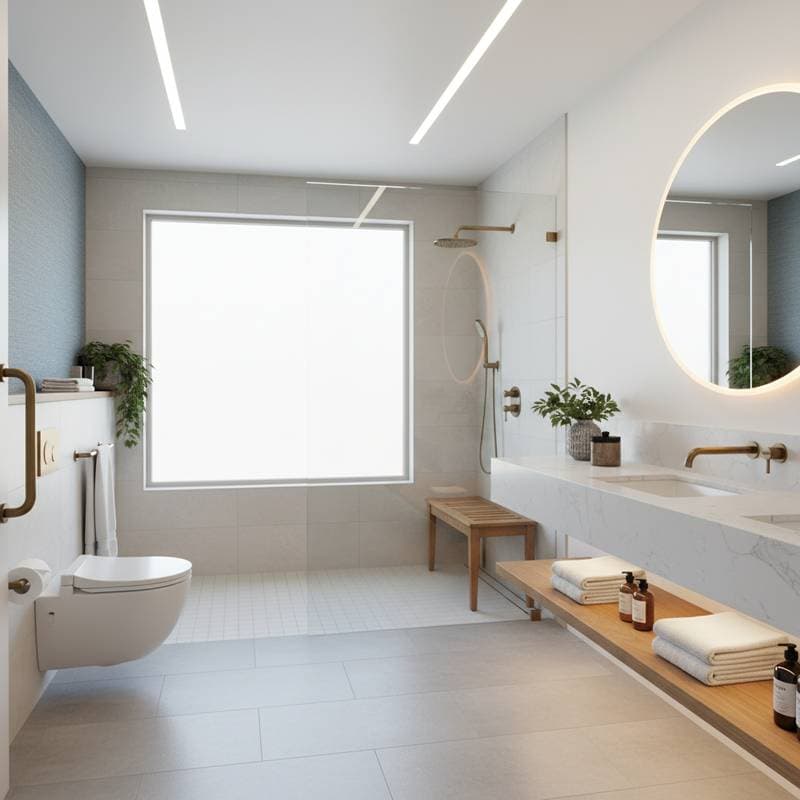
Zero-threshold showers create a seamless transition by removing steps or curbs that separate the shower from the main floor. This design fosters a sense of openness and reduces fall risks. Large-format porcelain tiles, like those in the Cotto d’Este Kerlite collection, offer a nonporous, slip-resistant surface that complements linear drains from Infinity Drain.
Architect Maria Tsubaki of Studio Tsubaki Design notes, “We treat the shower floor as part of the overall room composition, not a separate zone. The visual continuity gives a sense of calm.” Such integration avoids an institutional appearance and promotes architectural harmony.
9. Layered Lighting with Purpose
Balanced lighting supports aging vision by minimizing glare and shadows. Intelligent layering includes recessed ceiling fixtures, wall sconces, and LED strips within mirrors to adjust illumination for various activities.
Designer Ethan Morales of Lumina Interiors suggests dimmable fixtures with high color rendering to maintain true skin tones. Opt for warm white light between 2700K and 3000K for a soothing effect. Frosted diffusers temper brightness, and low-level motion sensors aid safe movement in low light.
8. Elevated Comfort in Fixtures
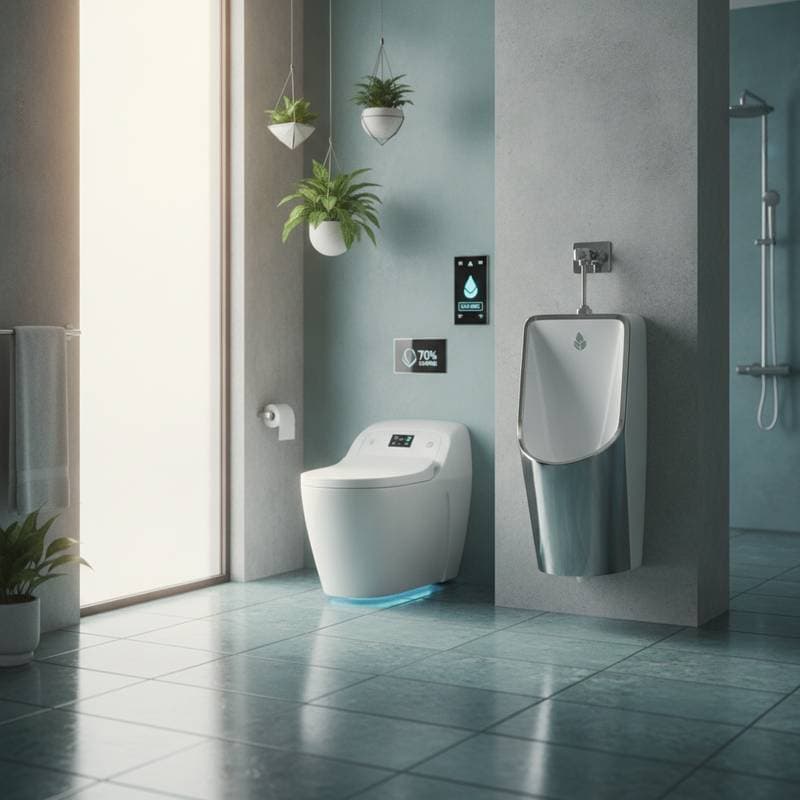
Comfort-height toilets and adjustable vanities provide ergonomic benefits without compromising elegance. The TOTO Aquia IV model, for example, raises the seat to reduce joint stress. Wall-mounted versions facilitate cleaning and allow space for mobility aids.
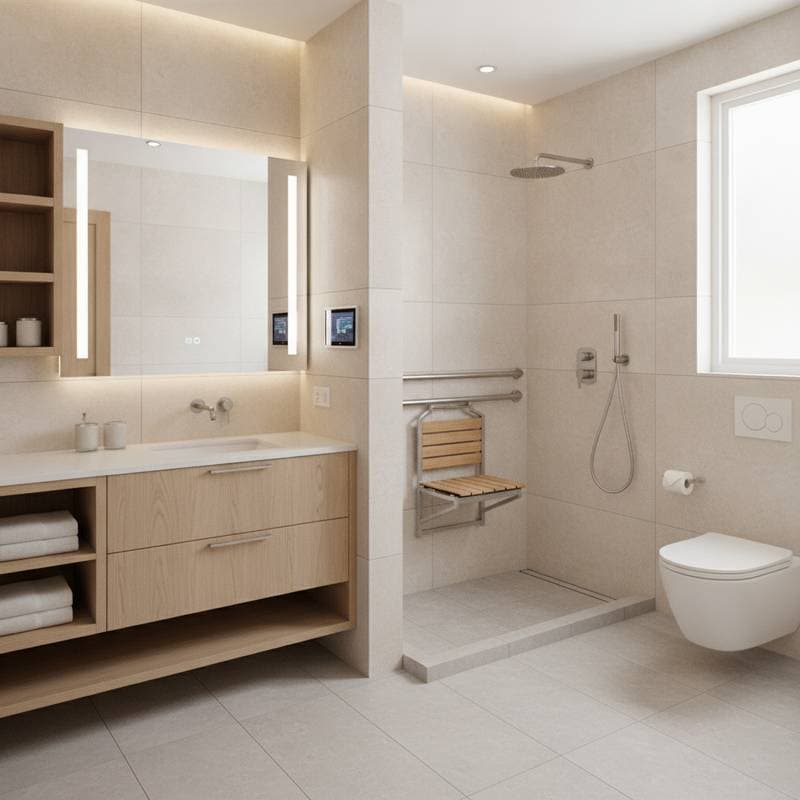
Select vanities with open legroom for seated access while preserving a sleek profile. A floating design in European oak with matte polyurethane finish pairs well with Caesarstone Cloudburst Concrete quartz, which delivers durability and a smooth texture.
7. Textural Safety Underfoot
Textures enhance both safety and sensory appeal in bathroom floors. Modern materials like textured porcelain, honed limestone, or micro-etched terrazzo deliver grip while maintaining a cohesive look.
Claire Jensen of Atelier Jensen Studio recommends Daltile StepWise Technology tiles in shades such as graphite or warm gray. “They look refined but perform beautifully under wet conditions,” she explains. For added warmth, install teak slats over a hidden drain to introduce natural scent and comfort.
6. Thoughtful Grab Bars as Design Elements
Grab bars now function as stylish accents rather than mere utilities. Finishes in stainless steel or powder-coated metal align with faucet lines from Brizo or Kohler. Early planning ensures these elements blend with tile patterns or wall niches.
Designer Luis Ortega of Ortega Studio Works calls them “lines of integrity in the space.” Position horizontal bars 33 to 36 inches from the floor and vertical ones near shower entrances for versatile support. This setup provides security with visual subtlety.
5. Temperature Control and Sensory Comfort
Sensory details elevate physical accessibility in universal design. Thermostatic valves in showers deliver steady water temperatures to prevent scalding. Radiant heated floors under porcelain or stone tiles warm cold surfaces during early mornings.
Incorporate steam systems from Mr. Steam or ThermaSol for controlled humidity and heat. These features promote relaxation and improve circulation, offering wellness benefits for users of all ages.
4. Smart Technology for Effortless Interaction
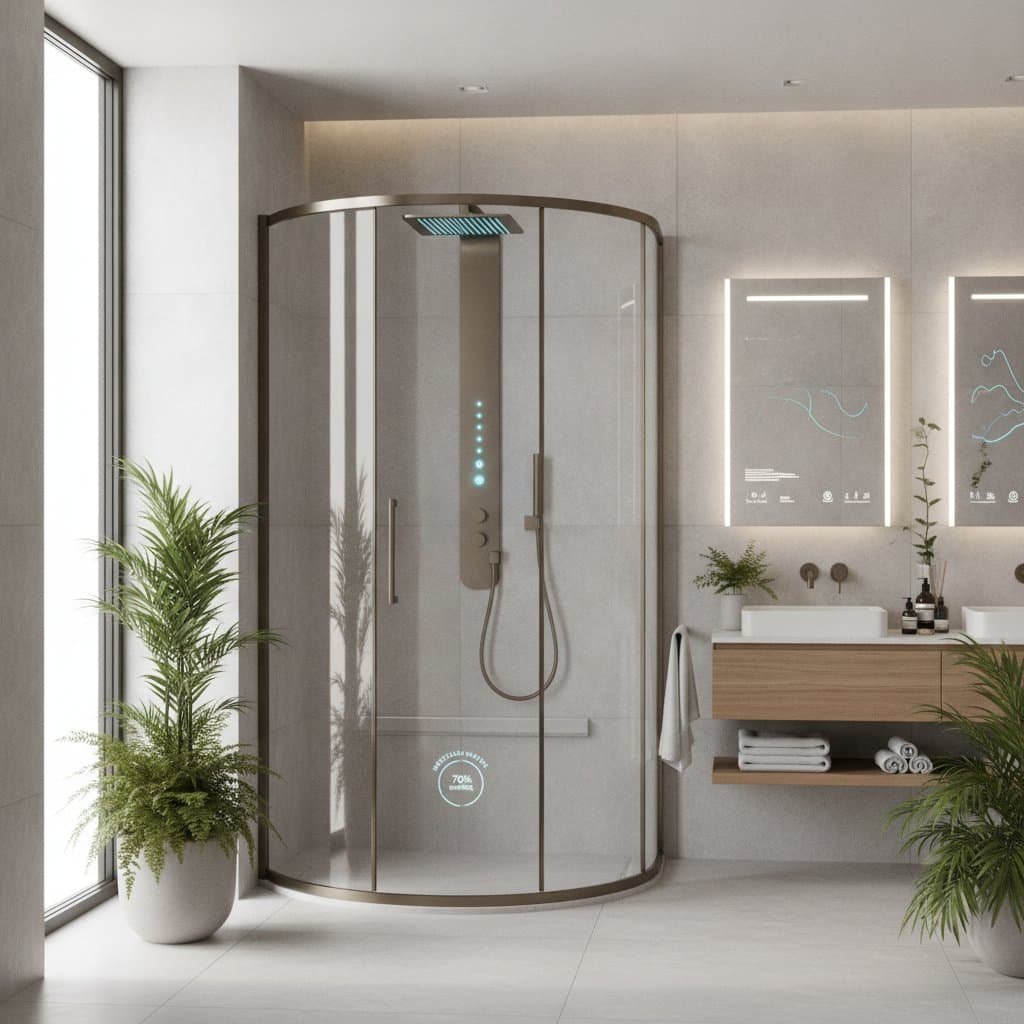
Automated features streamline daily routines and enhance safety. Touchless faucets, voice-controlled lights, and digital shower panels respond intuitively to user needs. Grohe’s SmartControl system lets individuals preset water temperature and flow rates.
Accessibility consultant Nadia Levant of DesignForward Group stresses that “technology should never intimidate. It should quietly serve.” Choose interfaces with oversized buttons, high-contrast colors, and simple layouts to ensure ease of use without overwhelming the design.
3. Spatial Flow and Circulation
Generous layouts form the foundation of accessible bathrooms. A minimum five-foot turning radius accommodates wheelchair maneuvers, yet benefits all users through improved movement. Pocket doors slide into walls to preserve floor space over traditional hinged options.
Harper + Wainwright Studio employs continuous walls and hidden storage to promote tranquility. Recessed shelves, mirrored cabinets, and pull-out drawers reduce clutter, fostering an open atmosphere that supports both safety and calm.
2. Color, Contrast, and Visual Clarity
Strategic contrast aids navigation by defining space boundaries subtly. Tonal variations between floors, walls, and fixtures prevent disorientation without stark lines.
Rina Solberg of Studio Solberg Interiors pairs Benjamin Moore Classic Gray walls with Farrow & Ball Railings cabinets for clear delineation. Satin sheens diffuse light gently to curb glare. Cambria Brittanicca Warm quartz countertops feature veining that conceals marks while adding refined interest.
Matte black or brushed brass mirror frames anchor views, and backlit edges enhance depth perception. This palette conveys composure and longevity.
1. The Luxe Utility of Universal Design
Universal design upholds dignity and autonomy at its core. Accessible bathrooms transcend basic needs to embody proactive care through refined elements.
Consider a white oak shower bench with marine-grade sealing, a reachable handheld sprayer, or lever faucets that require minimal effort. Architect James Corvan of Corvan Design Collective views this as “designing for the future self.” Discreet features like recessed supports, height-adjustable mirrors, and adaptable storage allow the space to grow with its occupants.
Adapting Spaces Over Time
Effective age-proof bathrooms incorporate flexibility for evolving requirements. Modular elements and adjustable layouts enable simple modifications as needs arise. Pre-installed wall blocking behind tiles prepares for future grab bar additions, while versatile showerheads adjust positions effortlessly.
Durable materials extend usability. Engineered quartz withstands stains with minimal upkeep. Porcelain tiles hold color and texture for years. Solid brass hardware develops a patina that enriches the aesthetic. Tunable lighting systems adapt color temperatures to shifting preferences.
These choices nurture emotional ties to the space. Warm floors, tactile surfaces, and diffused light create a supportive environment that bolsters daily well-being.
Infusing Personal Elements
Universal design accommodates personal expression alongside functionality. Artisan ceramic vessels, earth-toned linen towels, or reclaimed walnut mirror frames add character without excess.
Interior stylist Leena Park of Park Atelier asserts that “a bathroom should express continuity with the rest of the home. Accessibility can be poetic when it feels personal.” Natural materials and crafted accents soften the precision of these designs.
Humidity-tolerant plants like ferns or orchids introduce biophilic touches that temper hard edges. Essential oil diffusers with cedarwood or citrus scents promote relaxation and air quality.
Embracing Forward-Thinking Design
Universal design embodies empathy and anticipation rather than fleeting style. It proves that utility and beauty align seamlessly. Thoughtful bathrooms empower users across generations with grace and independence.