Universal Design Bathrooms for Lifelong Accessibility in 2025
Homeowners often observe that routine tasks in the bathroom, such as entering a tub, become more challenging over time. Many begin to evaluate modifications that enhance safety and ease as mobility needs evolve. Universal design addresses these concerns by creating bathrooms that accommodate individuals of all ages and abilities, ensuring long-term usability without sacrificing aesthetics.
The Importance of Universal Design in Bathrooms
Bathrooms rank among the highest-risk areas in homes for accidents, with factors like slick surfaces, confined areas, and elevated barriers contributing to falls. Universal design mitigates these dangers through intentional features that promote accessibility and reduce physical demands. The approach integrates seamlessly into modern interiors, allowing for spaces that remain visually appealing while supporting independent living.
This design philosophy extends beyond immediate needs, fostering environments that adapt to future changes. Homeowners benefit from increased confidence in daily routines, and properties gain enhanced market value as demand for adaptable homes grows.
Fundamental Principles of Universal Design
Universal design in bathrooms rests on several core principles that guide every decision:
- Equitable Use: Elements that serve people with diverse abilities without segregation.
- Simple and Intuitive Operation: Features that minimize complexity for effortless navigation.
- Perceptible Information: Clear visual and tactile cues to aid perception.
- Tolerance for Error: Built-in safeguards to prevent mishaps.
Implementing these principles during a remodel safeguards health and elevates the overall living experience. Such investments align with broader trends toward inclusive home environments.
Essential Features for a Universal Design Bathroom
Planning a remodel requires focus on proven elements that balance form and function. Below are key components, each with practical considerations for installation and maintenance.
Curbless Showers for Seamless Entry
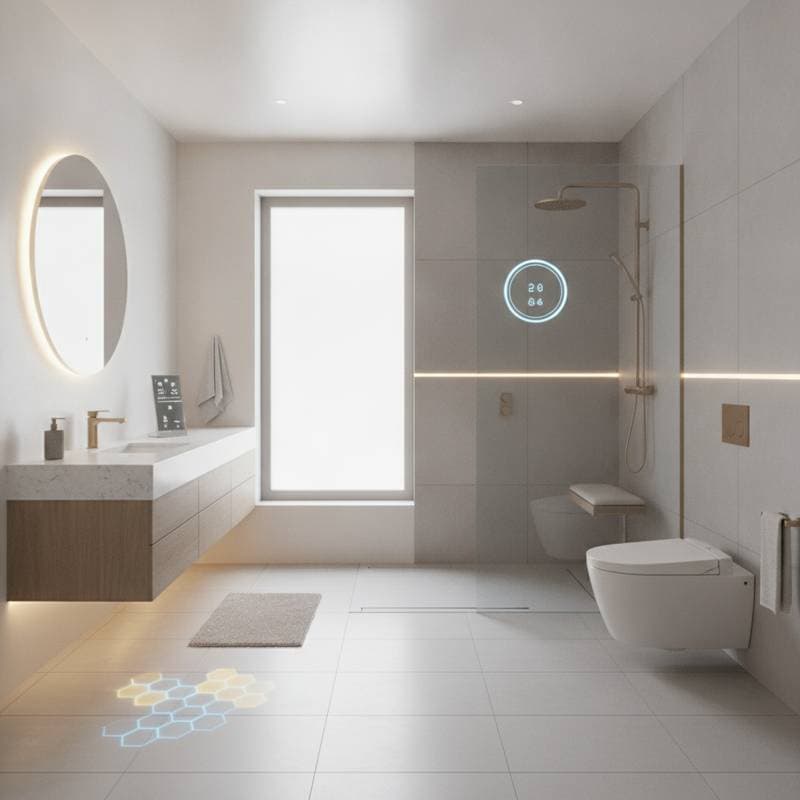
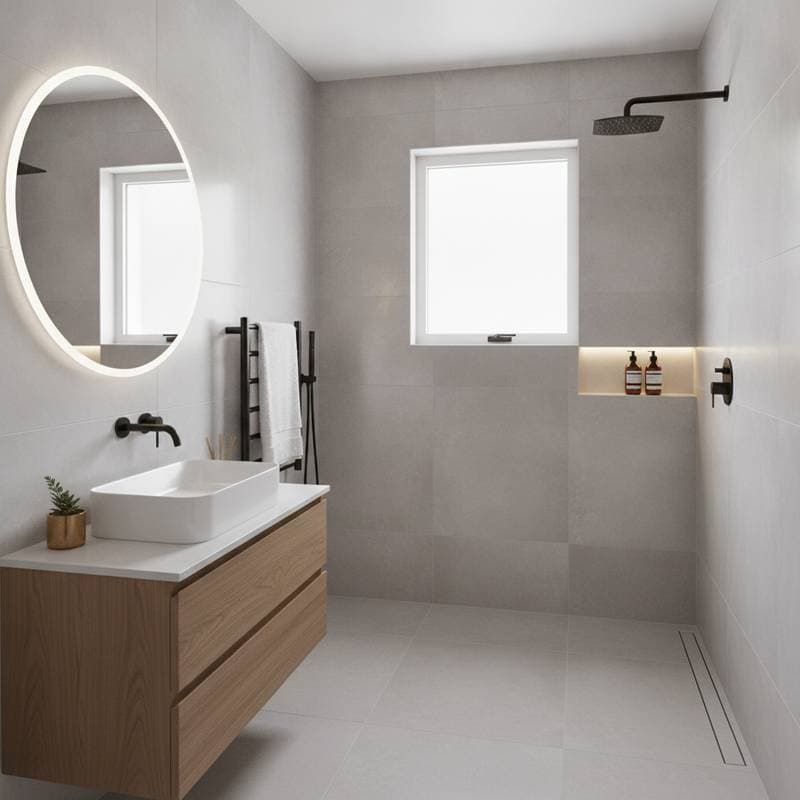
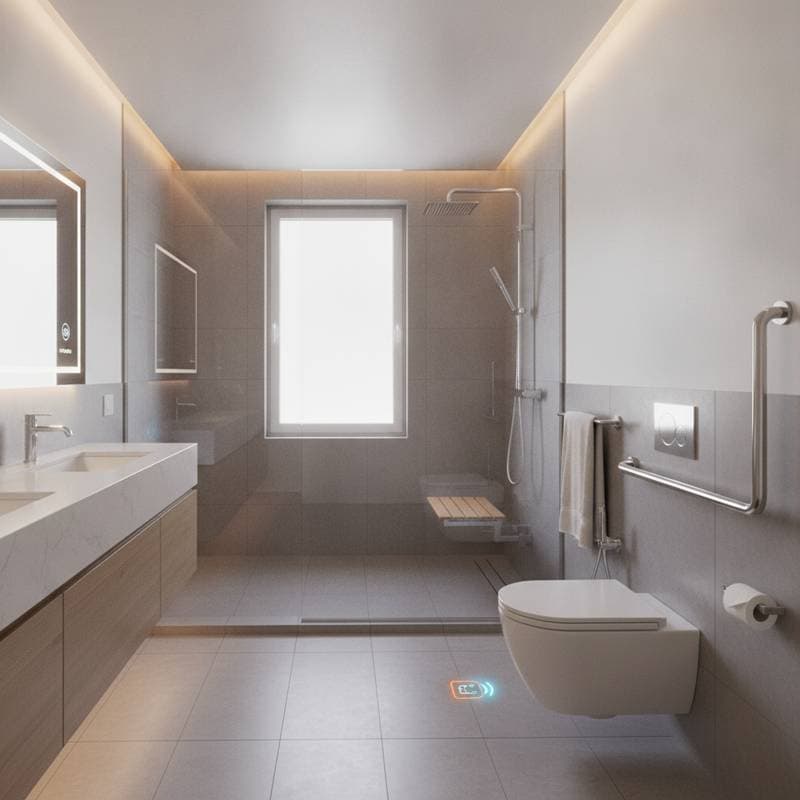
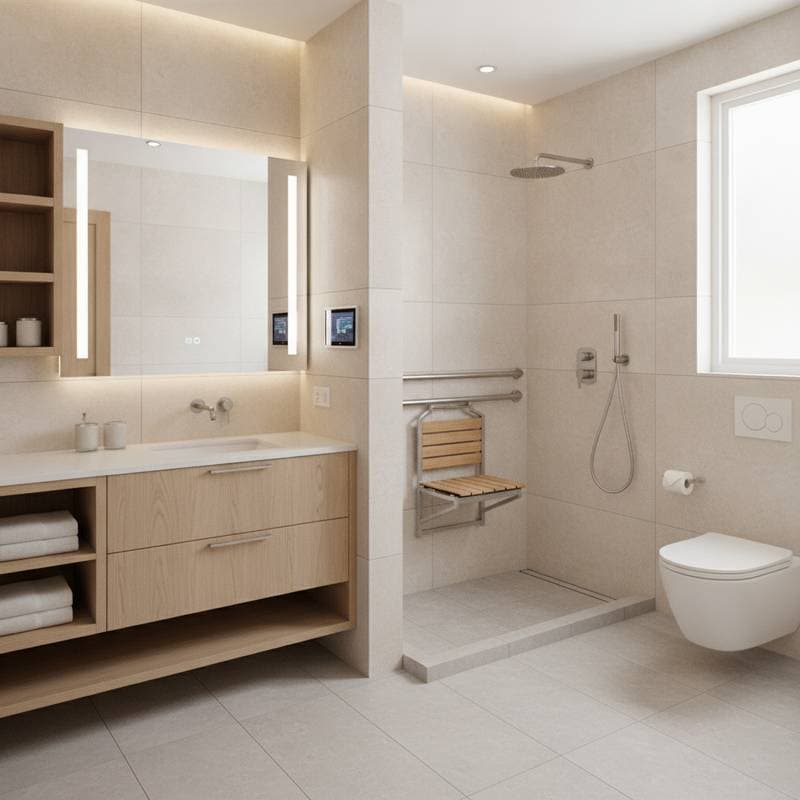
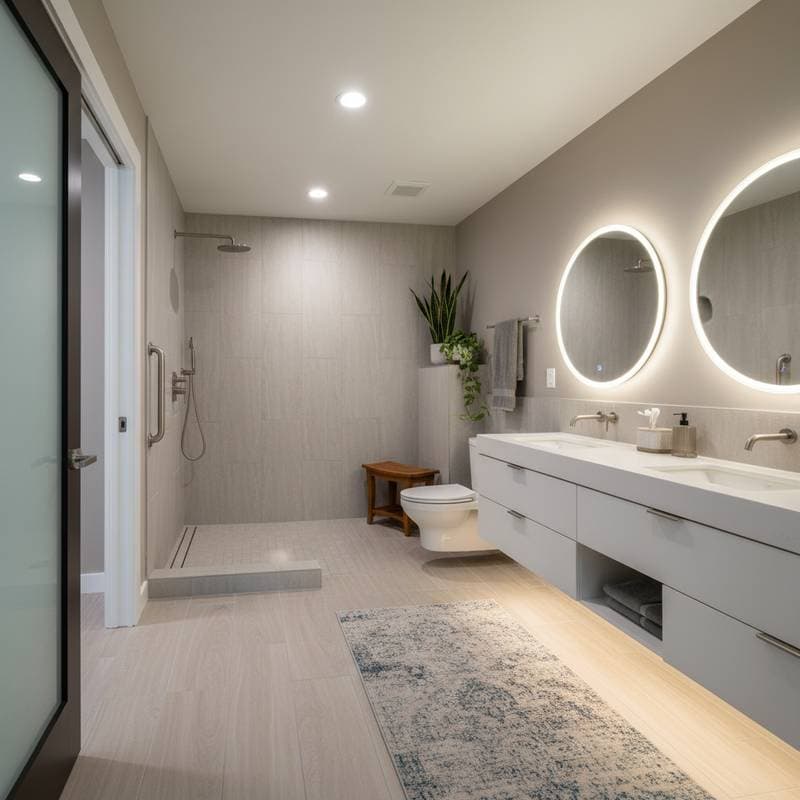
Curbless showers eliminate barriers at the entrance, facilitating smooth transitions for ambulatory users or those with mobility aids. This design opens the room visually and reduces the risk of tripping. Integrate a linear drain to manage water flow efficiently.
- Installation Cost: $6,000 to $12,000, varying by dimensions and materials.
- Enhancement Recommendation: Select textured, non-slip tiles with a coefficient of friction exceeding 0.6 for optimal grip.
Stylish and Secure Grab Bars
Contemporary grab bars blend into decor with options in polished chrome, oil-rubbed bronze, or satin stainless steel. Position them strategically adjacent to fixtures for reliable support during transfers. Ensure compliance with load-bearing standards of at least 250 pounds.
- Installation Cost: $100 to $300 per unit.
- Installation Guidance: Secure into wall studs or reinforced blocking; professional assessment prevents structural issues.
Versatile Handheld Shower Systems
Handheld showerheads mounted on adjustable rails provide customizable reach and direction, ideal for seated or standing use. Opt for models with pause functions and multiple spray patterns to accommodate preferences. This addition simplifies bathing for caregivers as well.
- Installation Cost: $150 to $400.
- Selection Advice: Prioritize ergonomic designs with anti-scald valves and hoses at least 60 inches long.
Elevated Comfort-Height Toilets
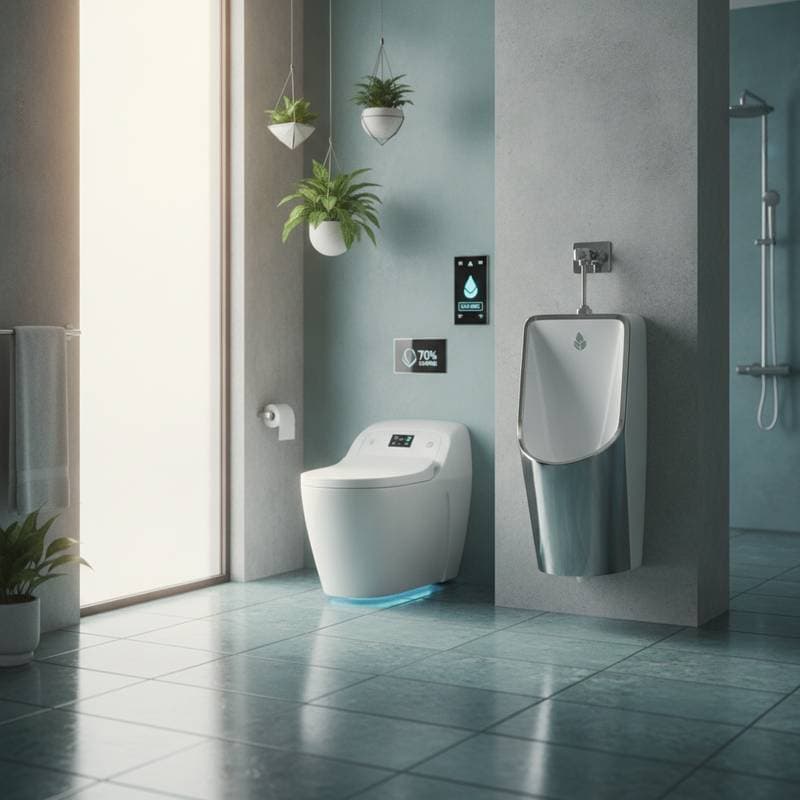
Comfort-height toilets rise 17 to 19 inches from the floor, easing the mechanics of sitting and rising compared to standard 15-inch models. Elongated bowls offer additional seating space for comfort. These fixtures maintain a sleek profile suitable for any vanity setup.
- Installation Cost: $250 to $700.
- Complementary Measure: Install adjacent grab bars at 33 to 36 inches high for balanced assistance.
Expanded Doorways and Unobstructed Flooring
Widen doors to a minimum of 32 inches clear width to permit wheelchair passage and improve general traffic flow. Maintain at least 30 by 48 inches of clear floor space around key fixtures. Swing-clear hinges on doors maximize usable area.
- Modification Cost: $800 to $1,500.
- Space-Saving Option: Incorporate sliding or folding doors to preserve footprint in compact layouts.
Strategic Lighting and Visual Cues
Layered illumination, including ambient ceiling fixtures and focused vanity lights, counters age-related vision decline. Use warm LED bulbs at 2700K to reduce glare, and incorporate color contrasts between floors, walls, and fixtures for boundary definition.
- Implementation Cost: $300 to $1,200.
- Nighttime Safety: Add automatic LED strips or sensors that activate at low light levels.
Budgeting and Phasing Your Remodel
Determine the scope based on current hazards and anticipated needs. Start with targeted updates or pursue comprehensive overhauls for maximum impact.
Basic enhancements, such as grab bars, upgraded lighting, and a comfort-height toilet, range from $1,500 to $3,000. These yield immediate safety gains with minimal disruption.
Mid-level projects incorporating curbless showers and flooring upgrades fall between $10,000 and $20,000. They address multiple principles simultaneously for balanced results.
Full-scale renovations with custom cabinetry and premium finishes exceed $25,000. Such endeavors not only prevent injuries but also boost property equity, as accessible designs appeal to a wider buyer pool.
Navigating Permits and Expert Assistance
Most structural or systems alterations necessitate permits to uphold safety standards. Engage contractors certified in universal design or aging-in-place principles to navigate local building codes and accessibility benchmarks.
Delegate plumbing, electrical, and framing tasks to licensed professionals. Consult your local authority early to clarify requirements and avoid delays.
Pitfalls to Sidestep in Your Project
Overlook these errors to ensure a durable outcome:
- Mounting grab bars solely to surface materials without subsurface support.
- Selecting polished surfaces that compromise traction under moisture.
- Neglecting illumination in wet zones, leading to shadowed hazards.
- Omitting adjustable shower options for varied user heights.
- Overlooking easy-turn handles on faucets for limited dexterity.
Proactive planning resolves these during initial stages, optimizing efficiency and expense.
Integrating Aesthetics with Practicality
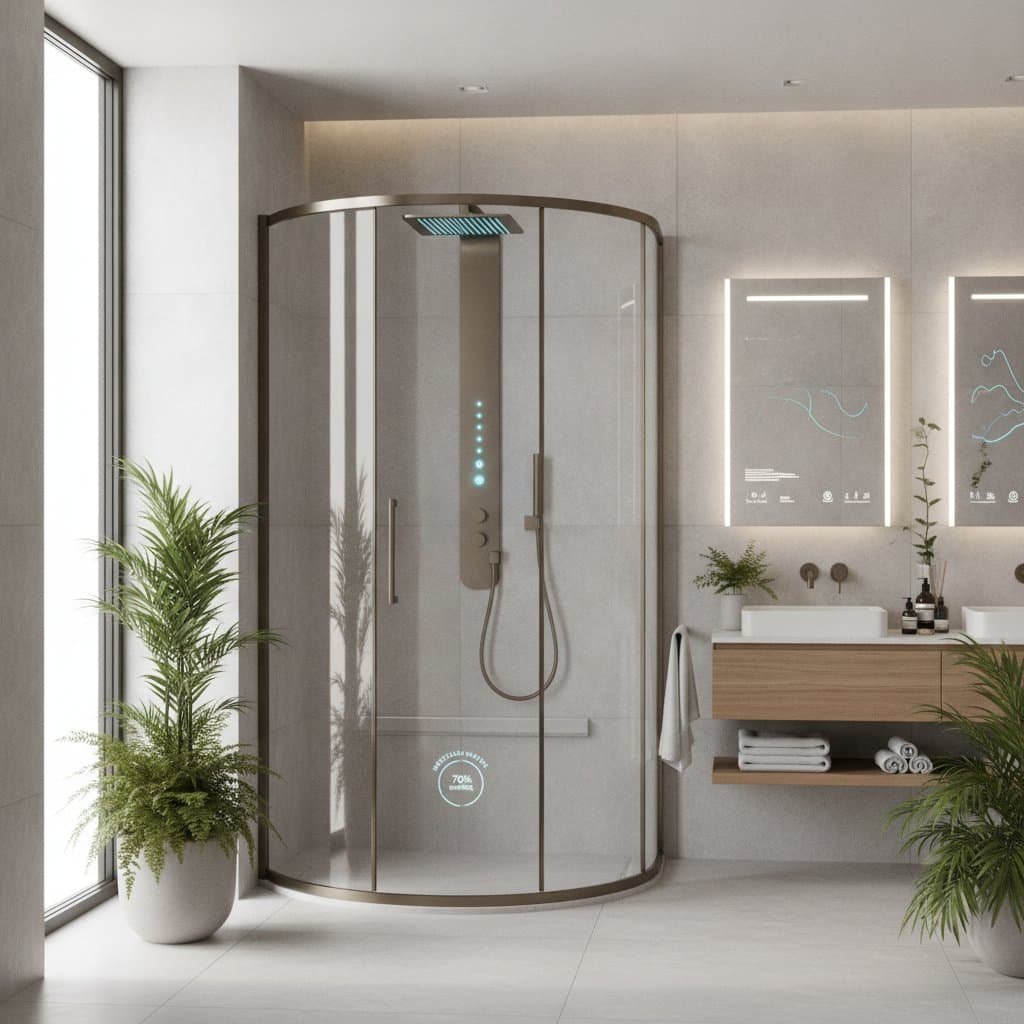
Universal design thrives when paired with personal flair. Frameless enclosures and minimalist drains maintain a spa-like ambiance alongside safety. Incorporate organic textures, such as stone-look porcelain or soft-close cabinetry, to warm the palette.
Layered elements like sconces and under-cabinet glow create depth without overwhelming. The result is a sanctuary that evolves gracefully with its occupants.
Steps to Launch Your Bathroom Upgrade
Conduct a thorough audit of your existing space, noting thresholds, lighting adequacy, and maneuverability. Project needs five to ten years ahead to prioritize adaptable choices.
Establish a realistic budget, allocating 10 to 15 percent for contingencies. Seek contractors with portfolios in inclusive remodeling; request detailed proposals and client testimonials.
Begin with consultations to align vision and feasibility. This methodical approach delivers a bathroom that supports vitality and independence for decades.