Universal Design: Future-Proof Bathrooms for Aging
Creating a bathroom that endures through life stages represents a practical investment in comfort and safety for individuals and families. Universal design principles ensure spaces accommodate varying abilities without compromising aesthetics. These approaches integrate functionality seamlessly, supporting daily routines across generations.
Core Principles of Universal Design
Universal design focuses on environments that promote ease of use, safety, and independence for people of all ages and capabilities. The goal involves embedding practical features that enhance usability rather than altering the overall style to appear institutional. Designers achieve this by anticipating potential needs and incorporating adaptable elements from the outset.
Such bathrooms evoke a sense of luxury while providing reliable performance. They foster autonomy and reduce physical strain, benefiting users from children to older adults.
Optimizing Layout and Circulation
Effective layout forms the basis of an accessible bathroom. Prioritize unobstructed pathways with a minimum five-foot turning radius to accommodate mobility aids like wheelchairs or walkers. This configuration supports fluid movement and prevents congestion.
For space-constrained areas, select pocket doors or doors that swing outward. These options maximize interior room and maintain a contemporary appearance while facilitating entry and exit.
Selecting Slip-Resistant Flooring
Flooring choices significantly influence safety, particularly in wet environments. Opt for materials with inherent traction to minimize fall risks. Large-format porcelain tiles in a matte finish offer durability and a sophisticated look for premium installations.
Affordable alternatives include textured ceramic tiles or luxury vinyl planks, both resistant to water and simple to maintain. For basic renovations, peel-and-stick vinyl tiles with slip-resistant properties provide an accessible solution. Test surfaces under wet conditions prior to full implementation to confirm performance.
Enhancing Shower Accessibility
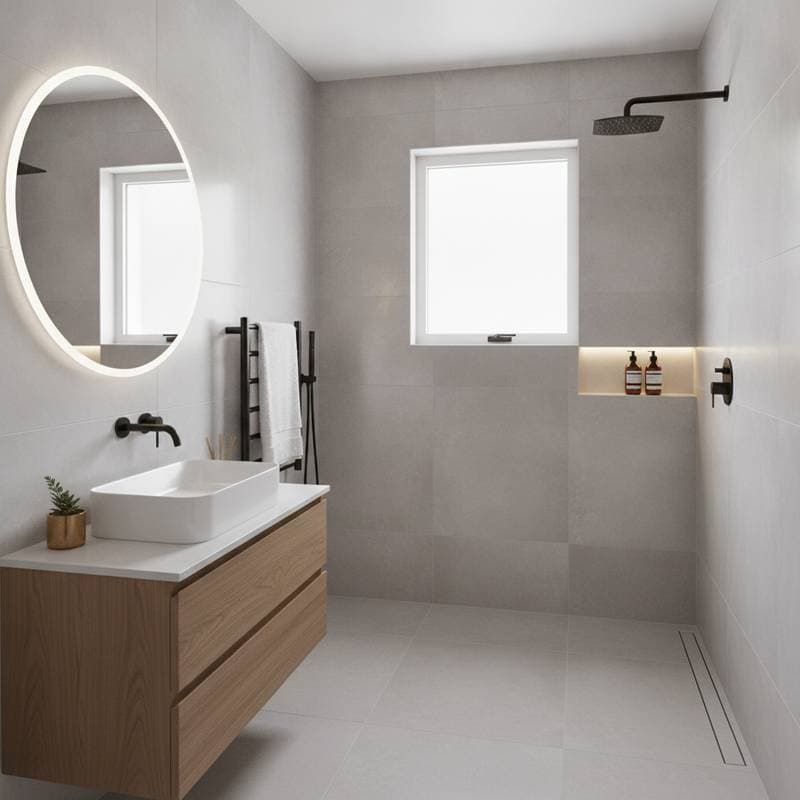
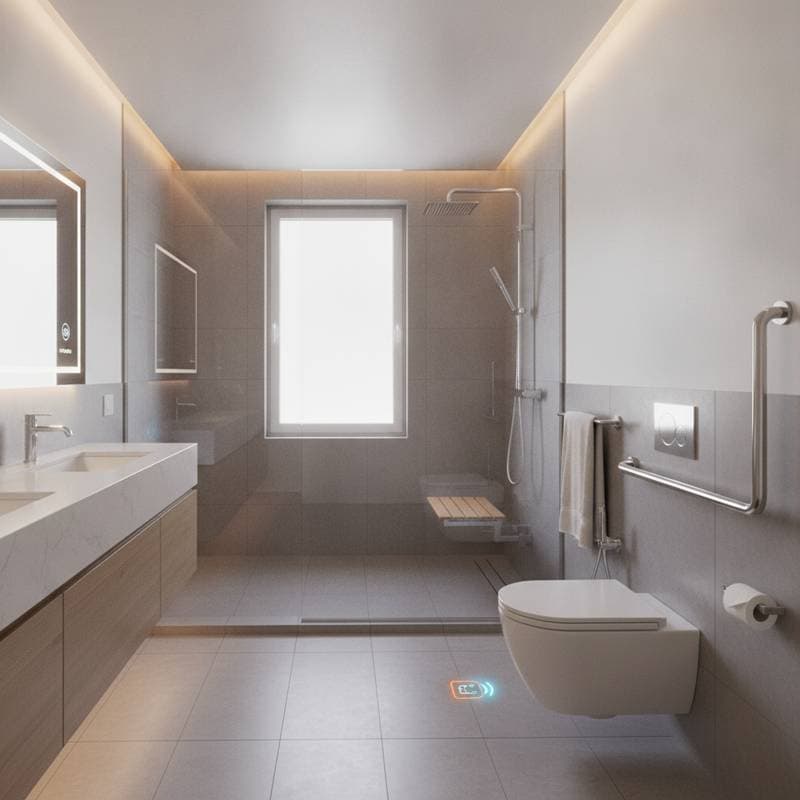
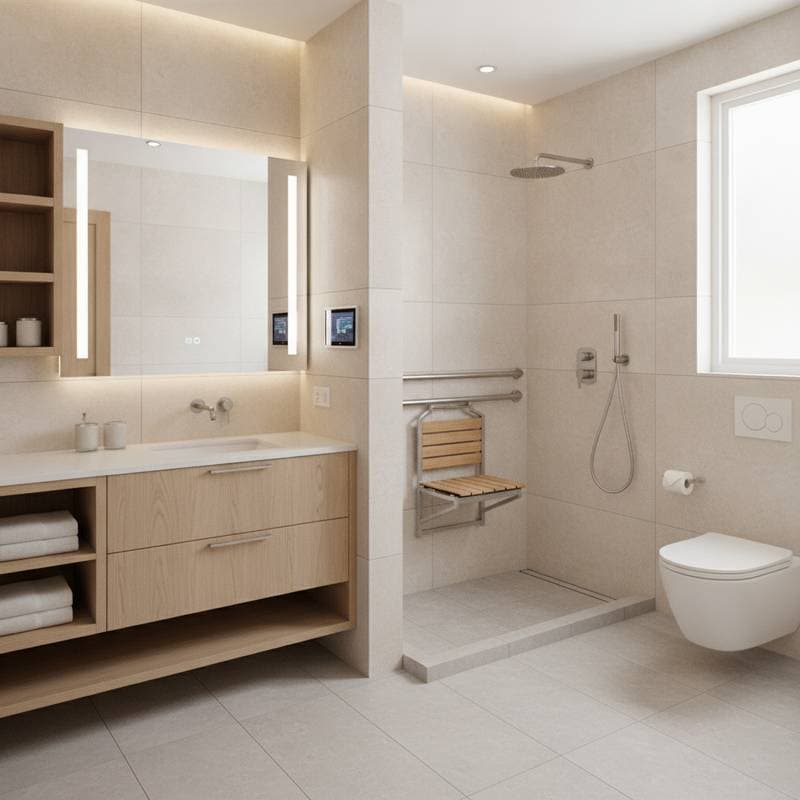
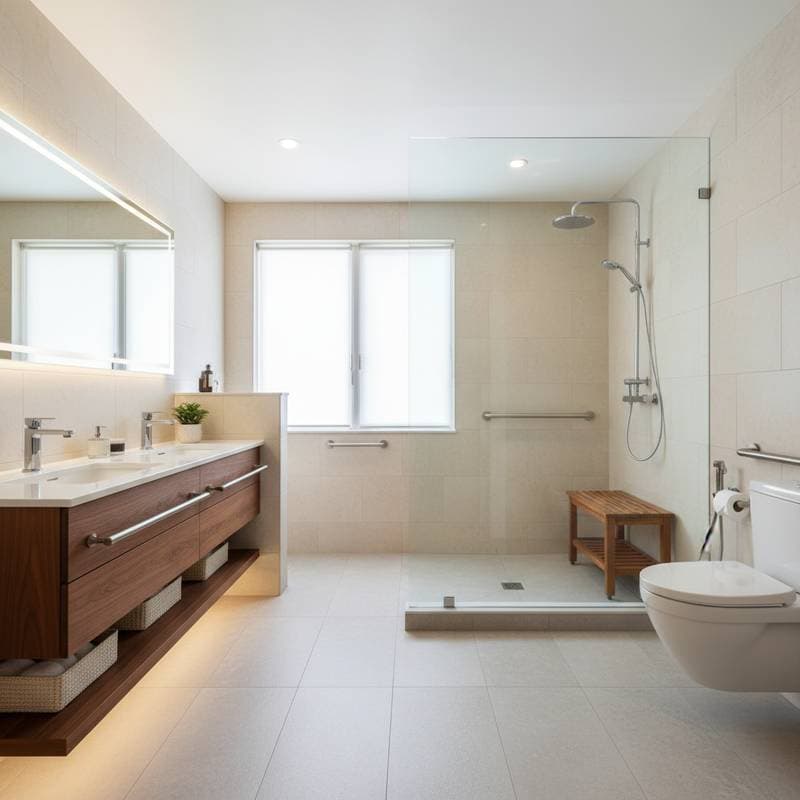
A curbless shower eliminates barriers and simplifies access. This design features a gently sloped floor that directs water effectively without thresholds. Professional installation ensures proper drainage and waterproofing.
Incorporate a handheld showerhead mounted on an adjustable slide bar for customizable height. Choose finishes such as polished chrome or matte black for elegance. Budget-conscious selections in brushed nickel remain available at hardware retailers for less than one hundred dollars.
Include integrated seating options like built-in benches or fold-down seats constructed from teak. Portable shower stools serve as versatile alternatives, enhancing stability during use.
Integrating Stylish Grab Bars
Modern grab bars combine utility with design appeal. Select models in finishes like oil-rubbed bronze or brushed brass to harmonize with existing decor. Multifunctional versions that incorporate towel bars or shelves further streamline the space.
Prepare for future installation by adding wall blocking during initial construction. This preparatory measure avoids extensive retrofitting and preserves structural integrity.
Implementing Adaptive Lighting
Strategic lighting enhances visibility and comfort in bathrooms. Employ a layered system with overhead fixtures for broad illumination and focused task lights near mirrors for precision activities.
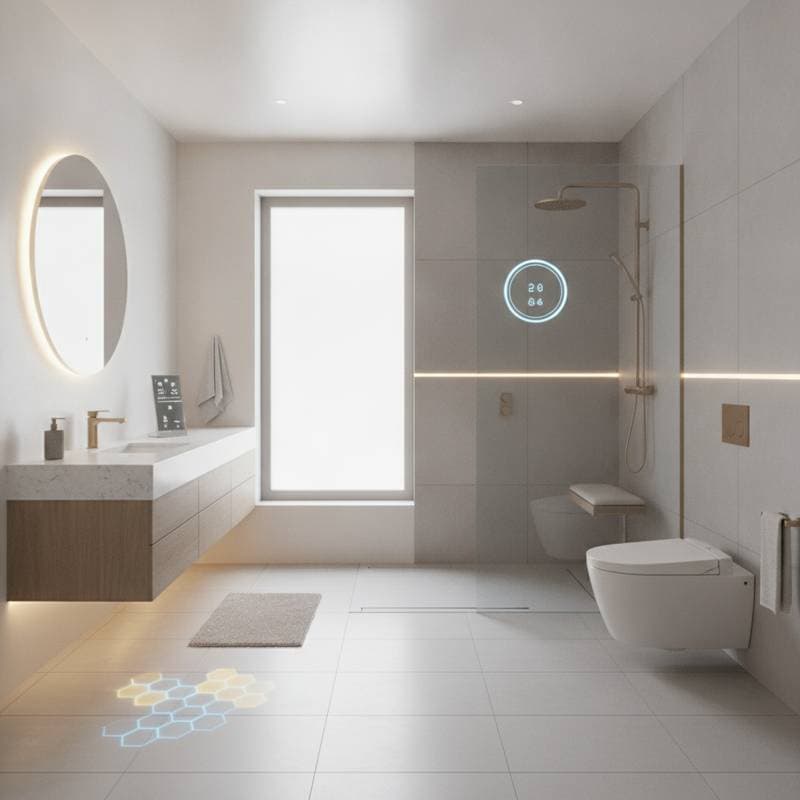
Advanced features such as motion-activated sensors or dimmable LED strips along edges provide gentle guidance in low-light conditions. Simpler solutions include plug-in nightlights or battery-powered LED units placed strategically.
Select diffused or frosted bulbs to eliminate glare and shadows, which prove especially beneficial for users with reduced vision.
Designing for Ease of Interaction
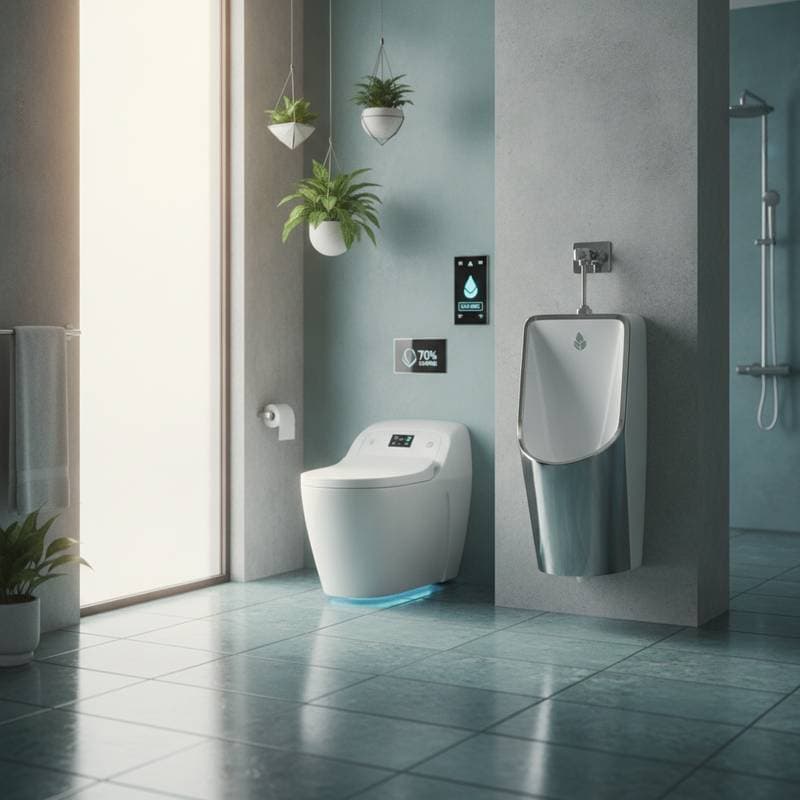
Fixtures that respond intuitively to physical capabilities improve usability. Lever-handled faucets require less force than twist knobs, accommodating conditions like arthritis. Motion-sensor models add convenience and promote water efficiency.
Position elements such as dispensers, hooks, and shelves within reach for both seated and standing positions. Adjustable shelving systems allow reconfiguration as requirements evolve, ensuring long-term adaptability.
Choosing Inclusive Toilet Features
Comfort-height toilets, elevated to chair level, facilitate easier transitions for sitting and standing. Complement these with soft-close lids and proximate grab bars to bolster security.
For cost-effective modifications, elevated seat risers offer a non-permanent solution. These attachments install quickly and can be removed without altering the original fixture.
Streamlining Storage Solutions
Accessible storage prevents frustration and promotes organization. Favor pull-out drawers and lower baskets over high, deep shelves. Open shelving at mid-levels supports effortless retrieval.
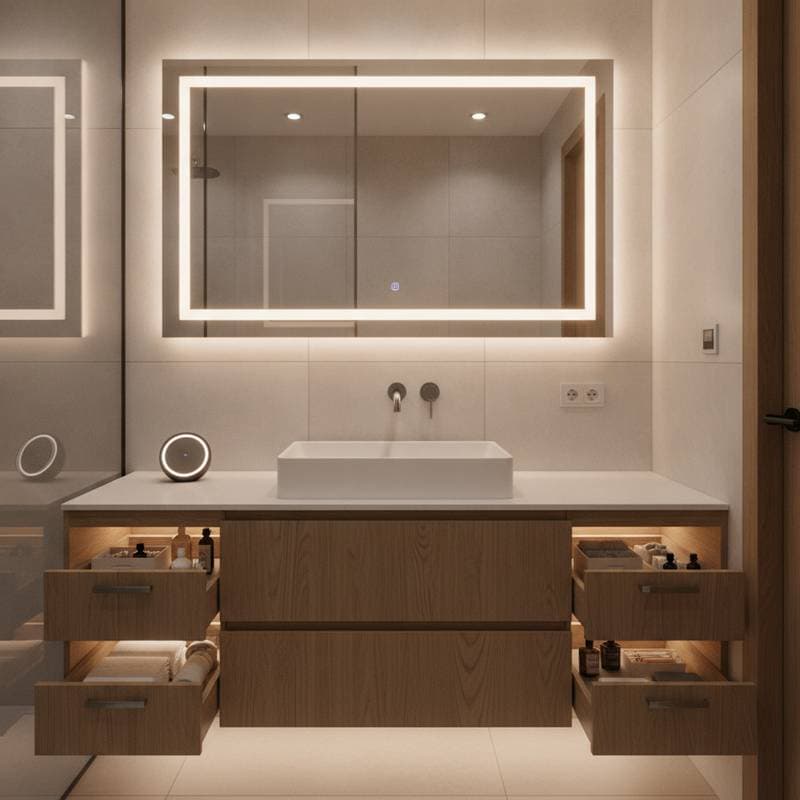
Floating vanities provide aesthetic appeal and clearance for wheelchair access. Available in custom or prefabricated forms, they suit diverse budgets and integrate knee space effectively.
Selecting Durable Materials
Materials must withstand humidity and frequent use to maintain functionality. Quartz surfaces resist stains, while waterproof paints and anti-mildew grout simplify upkeep. For organic textures, sealed bamboo or treated wood introduces warmth with sustained performance.
Incorporate safety details like rounded edges on counters to avert injuries. These refinements contribute to a hygienic, enduring environment.
Embracing Long-Term Benefits
Universal design empowers aging in place by preserving independence and dignity. It extends advantages to all household members, simplifying routines through intuitive layouts.
Renovations serve as opportunities to implement gradual enhancements, such as initial grab bar preparation followed by shower upgrades. Each step advances toward a supportive, versatile sanctuary.
Thoughtful planning yields bathrooms that evolve with users, delivering sustained value and assurance.