Universal Design Principles for Family Bathrooms
Universal design creates bathrooms that serve individuals across all life stages, combining aesthetics, safety, and usability. These spaces adapt to changing needs, whether for young children, active adults, or aging family members. By integrating thoughtful features, homeowners achieve environments that remain relevant and comfortable over time.
The approach emphasizes inclusivity without sacrificing style. It addresses permanent conditions, temporary injuries, and daily conveniences, ensuring the bathroom functions efficiently for everyone. Professional designers prioritize elements that enhance independence while maintaining an inviting atmosphere.
Embracing Inclusivity in Bathroom Layouts
Universal design extends beyond specific demographics to benefit all users. It accommodates children learning independence, guests with varying abilities, and family members facing short-term challenges like injuries. This philosophy promotes equal access and reduces potential hazards.
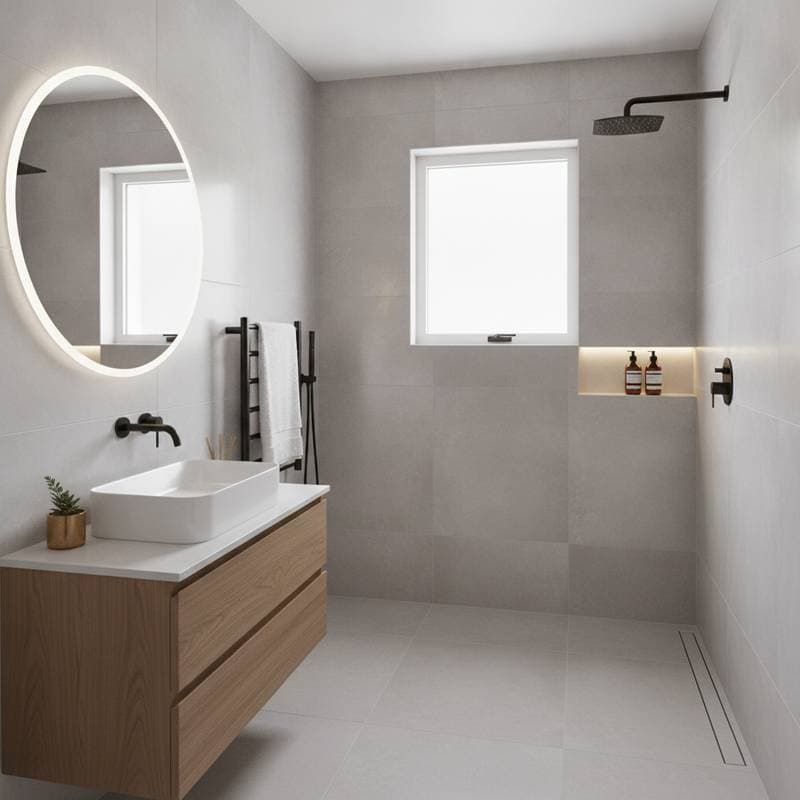
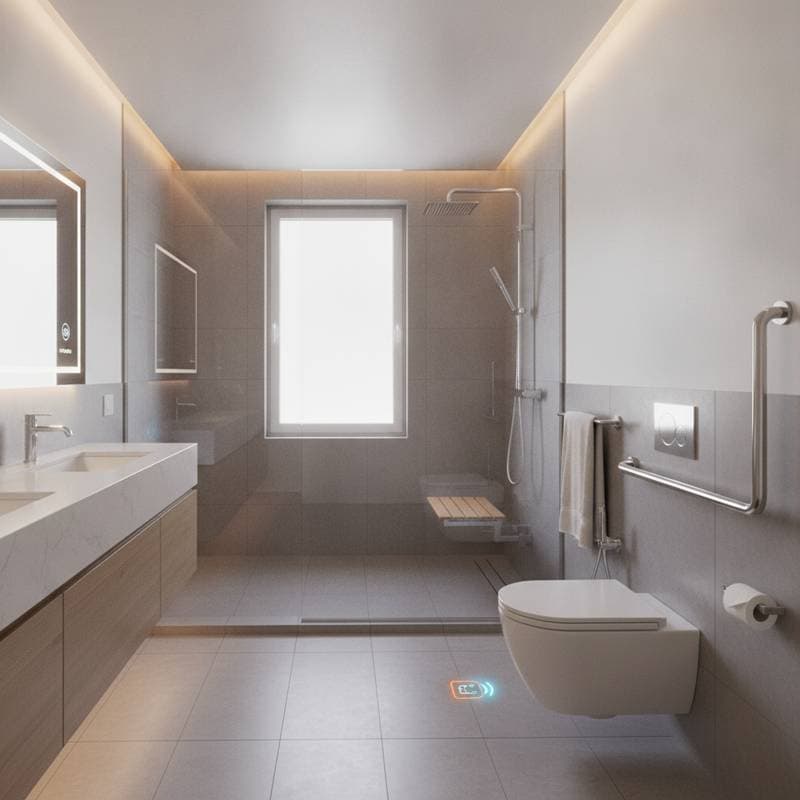
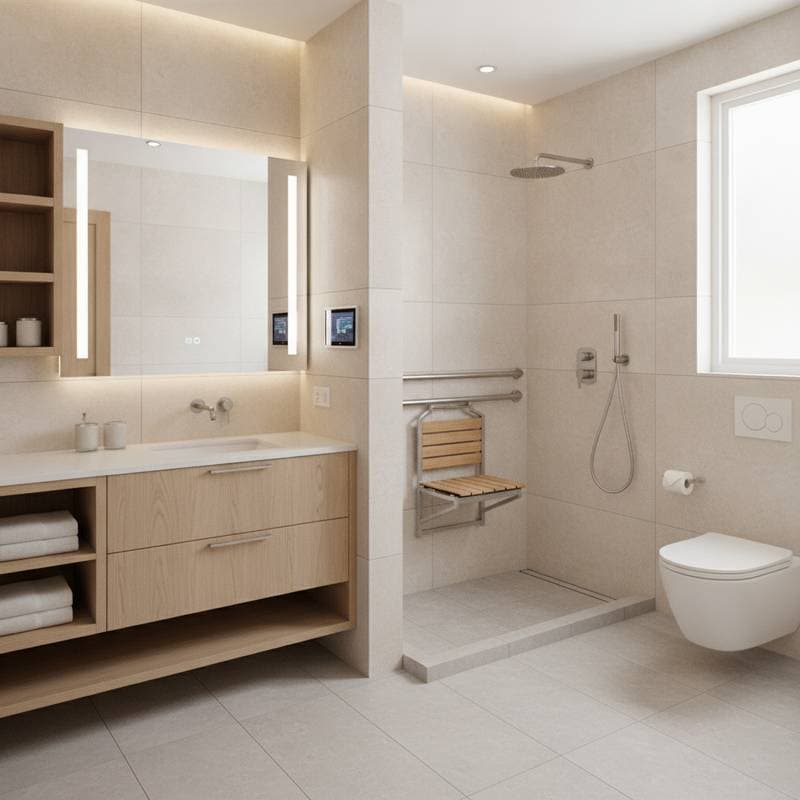
Focus on entry and circulation first. Install zero-threshold showers to eliminate steps, which improves safety and offers a modern look. Opt for prefabricated bases starting at $400 or custom tiled installations around $2,000. Pair these with linear drains to manage water flow effectively and enhance visual appeal.
Integrating Safety Features with Contemporary Style
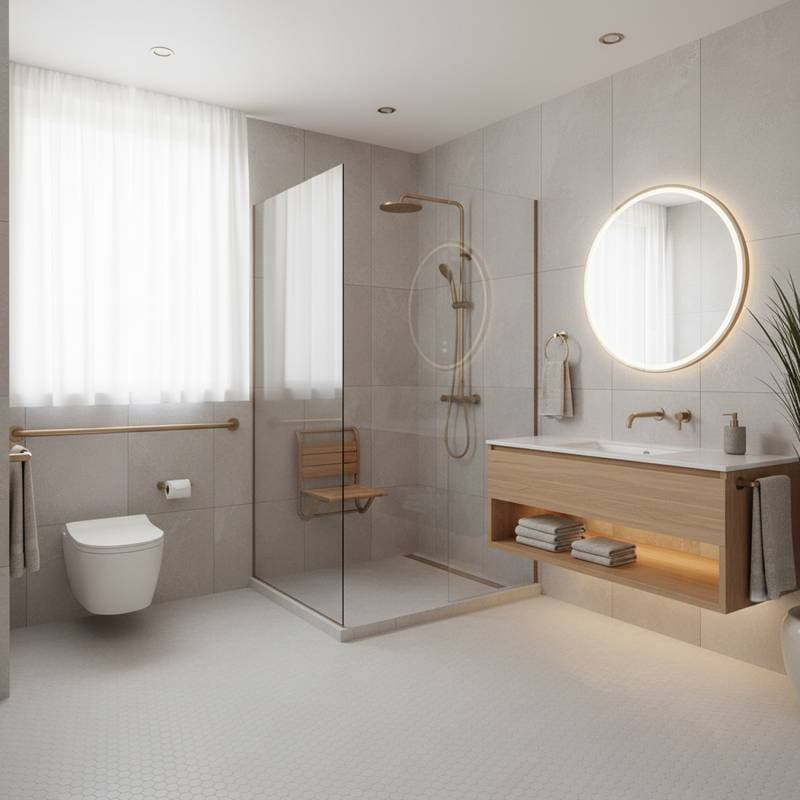
Modern safety elements blend seamlessly into elegant designs. Grab bars now come in finishes like matte black, brushed gold, or polished nickel, often serving dual purposes as towel holders. Select durable models from brands such as Moen or Delta, available for approximately $40 each.
Layered lighting ensures visibility without glare. Use dimmable LED fixtures positioned for even coverage, supplemented by motion-activated options for low-light situations. These sensor lights, installable via outlets or USB for under $100, provide convenience during nighttime use.
Choose flooring that prioritizes grip while complementing decor. Matte porcelain tiles or mosaic patterns offer traction and durability. Vinyl plank alternatives provide waterproofing and comfort at $2 to $6 per square foot, suitable for quick renovations.
Incorporating Intelligent Fixtures for Enhanced Usability
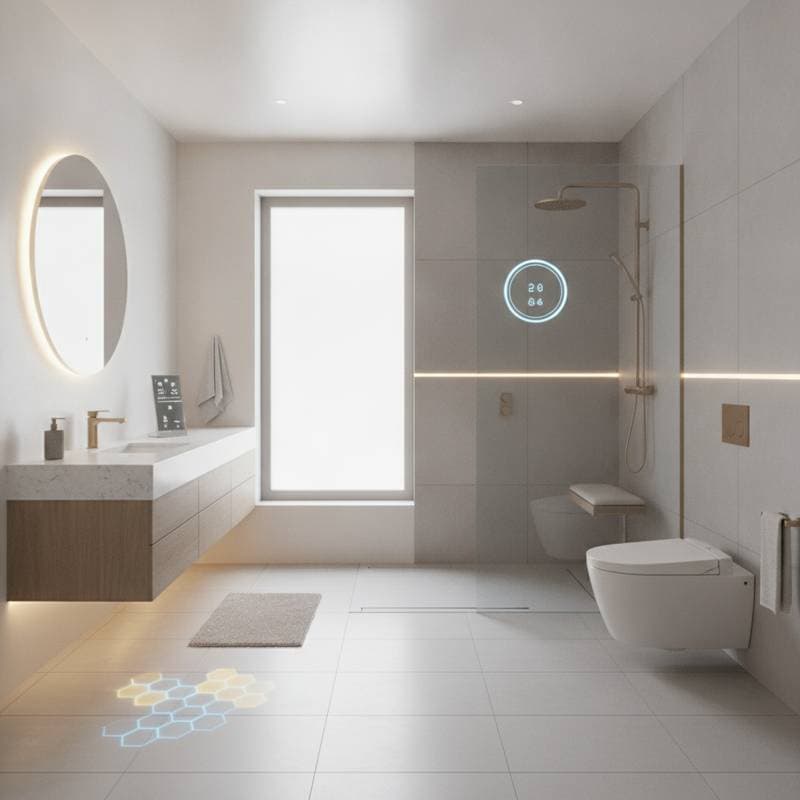
Advanced technology elevates daily routines in universal bathrooms. Touchless faucets and bidet toilet seats promote hygiene and ease, with quality bidet attachments costing about $300. These additions appeal to users seeking both practicality and sophistication.
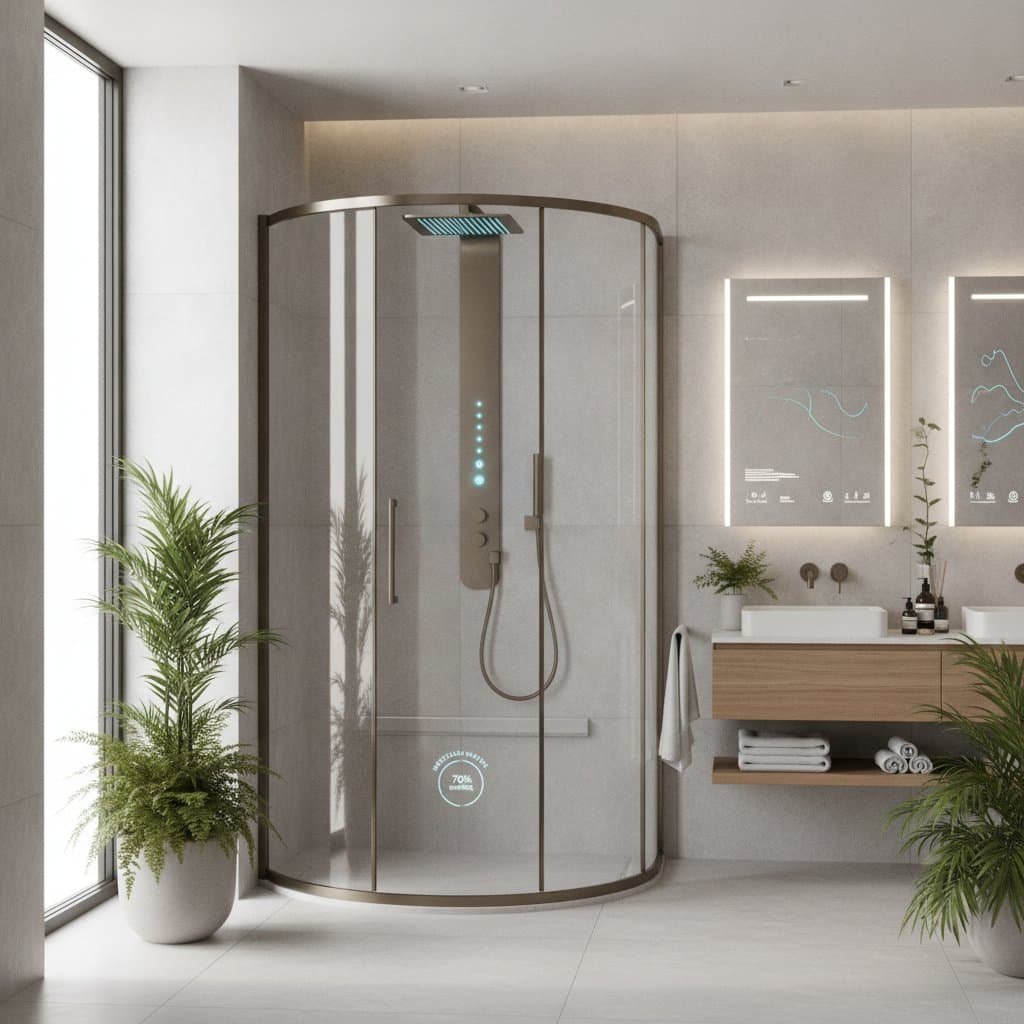
Select single-lever faucets for straightforward operation and precise temperature control. ADA-compliant choices from Kohler or Delta begin at $120. Smart mirrors with built-in lighting and defogging capabilities, starting at $150, expand the sense of space and functionality.
Optimizing Space for Accessibility and Flow
Effective space planning forms the foundation of universal design. Aim for 36-inch door widths to facilitate movement, though 32 inches suffices in compact areas. Pocket doors conserve space while preserving access.
Maintain a five-foot turning radius where feasible, adapting with strategic placements in smaller rooms. Wall-mounted sinks and floating vanities create open floor areas. Corner toilets and custom storage solutions maximize utility, as demonstrated in renovated compact bathrooms that appear more expansive.
Implementing Budget-Friendly Accessibility Upgrades
Affordable modifications deliver significant improvements without extensive overhauls. Adhesive grab bars allow flexible placement, handheld showers with slide bars enhance reach, and color contrasts on surfaces aid visibility. Complete these enhancements for under $200.
For moderate investments, prioritize structural changes like converting tubs to walk-in showers or installing comfort-height toilets. Larger budgets support custom cabinetry at adjustable heights or built-in shower seating. Sequence upgrades by addressing safety first, followed by comfort and visual elements to align with specific family requirements.
Advancing Design Through Innovation
Universal design drives progress in the industry, meeting rising demand for adaptable spaces. Professionals collaborate with manufacturers to develop fixtures that balance form and function. This focus on user-centered innovation anticipates diverse needs and fosters sustainable solutions.
Entrepreneurs in design recognize the value in creating products that support independence. By studying human interactions, they produce items that integrate compassion with commercial viability, shaping future bathroom standards.
Adapting Your Bathroom for Long-Term Use
A well-executed universal bathroom evolves alongside family dynamics. Initial changes might include basic safety additions, with later enhancements like adjustable vanities or expanded lighting. Timeless materials and open layouts ensure longevity.
Regular assessments allow for incremental updates, maintaining relevance as needs shift. The result is a space that supports daily life comfortably and securely. Invest in these principles to create a bathroom that enhances quality of life for years to come.