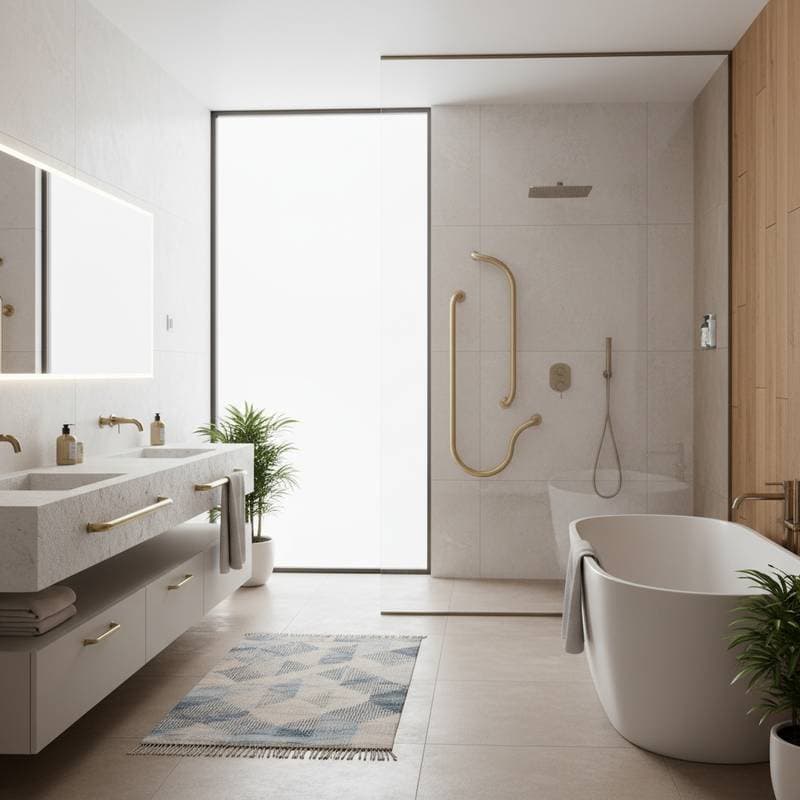
The Rise of Universal Design in Aging-in-Place Bathrooms
Bathrooms serve as essential spaces for daily rituals and personal renewal. In recent years, these areas have emerged as key sites for inclusive design principles. As more individuals opt to stay in their homes through various life stages, universal design has shifted from a specialized approach to a standard feature in residential planning. This evolution focuses on elegance, comfort, and seamless accessibility rather than overt medical elements. Architects, designers, and product developers now craft bathrooms that accommodate diverse needs while maintaining aesthetic appeal.
Homeowners benefit from spaces that adapt to changing abilities without compromising on sophistication. Universal design principles emphasize flexibility, ensuring that features support independence for all users, regardless of age or mobility. Below, explore five innovative ideas and projects that illustrate this trend, highlighting how thoughtful details create bathrooms suited for lifelong use.
1. The Spa-Inspired Accessible Suite by Langdon Atelier
Langdon Atelier leads the way with their Wellness Suite, a comprehensive bathroom environment that combines accessibility with spa-like tranquility. This design integrates slip-resistant terrazzo flooring that provides secure footing while contributing to a smooth, modern aesthetic. An automated skylight system allows natural ventilation and light control, enhancing the sense of openness and calm.
The suite includes a floating tub platform finished in durable microcement, which handles moisture effectively and ensures visual continuity across surfaces. White oak veneer wall panels hide practical storage solutions, maintaining a clutter-free appearance. Built-in bench seating offers convenient rest areas that blend into the architecture. The color scheme features soft grays, natural wood tones, and brushed nickel accents, fostering a serene atmosphere.
Founder Mara Langdon explains, "Universal design is not about limitation. It is about removing friction from daily life through thoughtful design." This approach redefines accessibility as an enhancement to luxury living, making the bathroom a true sanctuary.
2. Warm Metals and Restorative Materials by Mason & Field Collective
Selecting materials that evoke warmth transforms bathrooms into inviting spaces. Mason & Field Collective prioritizes finishes that encourage interaction and promote emotional well-being. Their designs incorporate aged brass fixtures, honed marble surfaces, and walnut cabinetry, all chosen for their enduring quality and tactile appeal.
In a notable project, a freestanding soaking tub pairs with a floor-mounted filler in a champagne bronze finish from Delta. This setup creates a focal point that feels both luxurious and approachable. The overall composition balances rich textures with minimalist lines, ensuring the space supports relaxation without overwhelming the senses.
Principal designer Thomas Mason states, "People respond to warmth. Materials that age gracefully mirror the lives lived within the home." By focusing on human-centered elements, this studio elevates universal design beyond mere functionality, turning it into an art form that nurtures daily wellness.
3. Sculptural Grab Bars by Studio Verdan
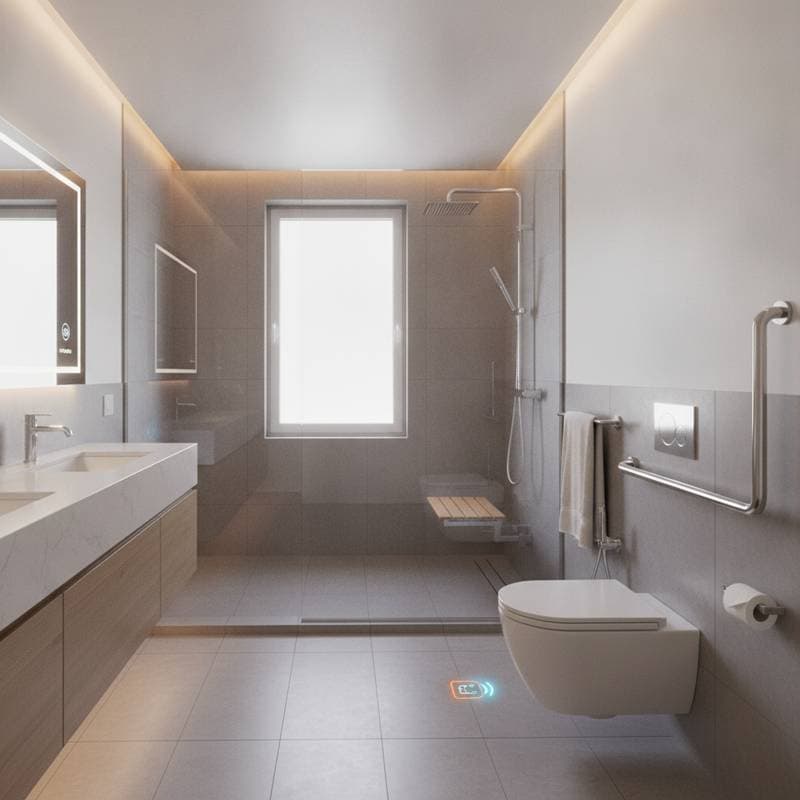
Traditional grab bars often clash with interior aesthetics, but Studio Verdan reimagines them as integral design features. The firm partners with skilled craftsmen to produce rails in materials like brushed brass and matte black stainless steel. These elements integrate seamlessly into the room's architecture, enhancing rather than detracting from the overall style.
For a coastal home renovation, custom bars from Watermark Designs match the shower hardware exactly. Positioning aligns with tile grout lines for subtle harmony, while ergonomic placement draws from consultations with occupational therapists. This ensures reliability in support without drawing undue attention.
Co-founder Elise Tran shares, "Support should look beautiful. When it does, it becomes part of the design vocabulary." Such innovations demonstrate how safety measures can contribute to a cohesive, elegant environment that ages well alongside its users.
4. Textured Surfaces for Intuitive Navigation by Forma Studio
Texture serves as a silent guide in accessible bathrooms. Forma Studio incorporates tactile elements that aid navigation and build user confidence. In one project, the floor features mosaic tiles of flamed basalt, offering gentle grip through their natural surface variation.
Wall applications include zellige-inspired ceramic tiles that reflect light softly, adding depth and visual interest. These choices create a layered sensory experience, combining touch, sight, and material authenticity. The designs reduce potential anxiety for those experiencing mobility shifts by making the space predictable and reassuring.
Architectural designer Niko Branford observes, "When you can feel the floor, you trust it." Forma Studio's method weaves these sensory details into broader themes of contrast and natural integration, resulting in bathrooms that feel both secure and sophisticated.
5. Balanced Lighting Systems by Atelier Lume
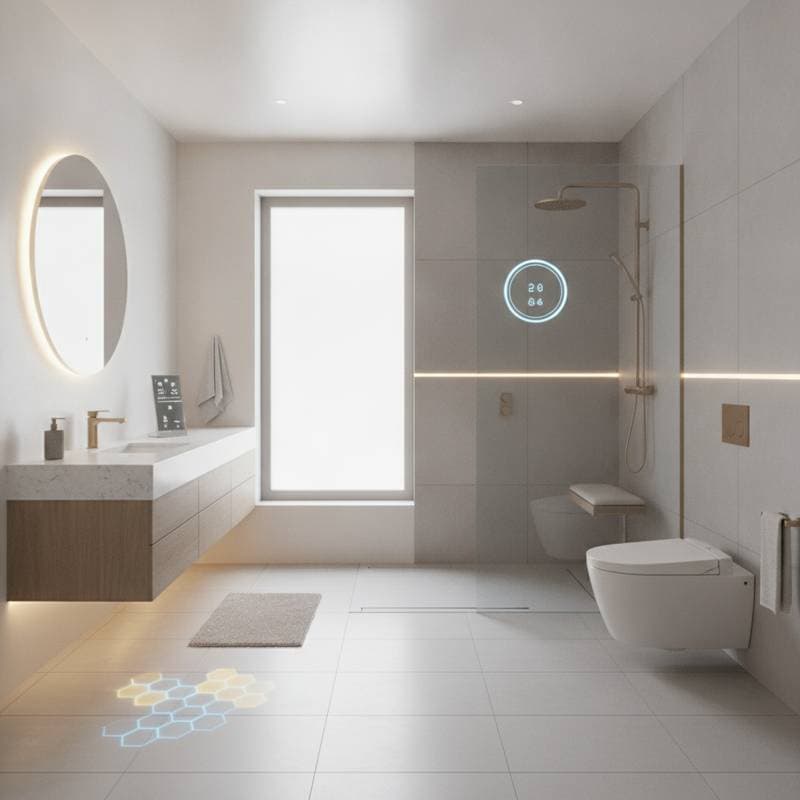
Effective lighting underpins safety and usability in any bathroom. Atelier Lume excels in creating illumination that prevents disorientation while supporting daily tasks. Their layered systems adjust color temperatures to suit different times of day, blending ambient glow with focused task lighting to eliminate harsh glare.
Recessed LED panels in the ceiling pair with mirror-integrated lights for precise grooming illumination. Perimeter fixtures provide soft guidance during low-light hours. Wall finishes in Benjamin Moore's Classic Gray complement trim in Farrow & Ball's Strong White, allowing light to bounce naturally and enhance visibility.
Lead designer Rafael Moretti articulates, "Visibility is part of dignity. Good lighting supports independence without shouting about it." This subtle strategy ensures bathrooms remain versatile and dignified spaces for all occupants.
Implementing Universal Design in Your Home
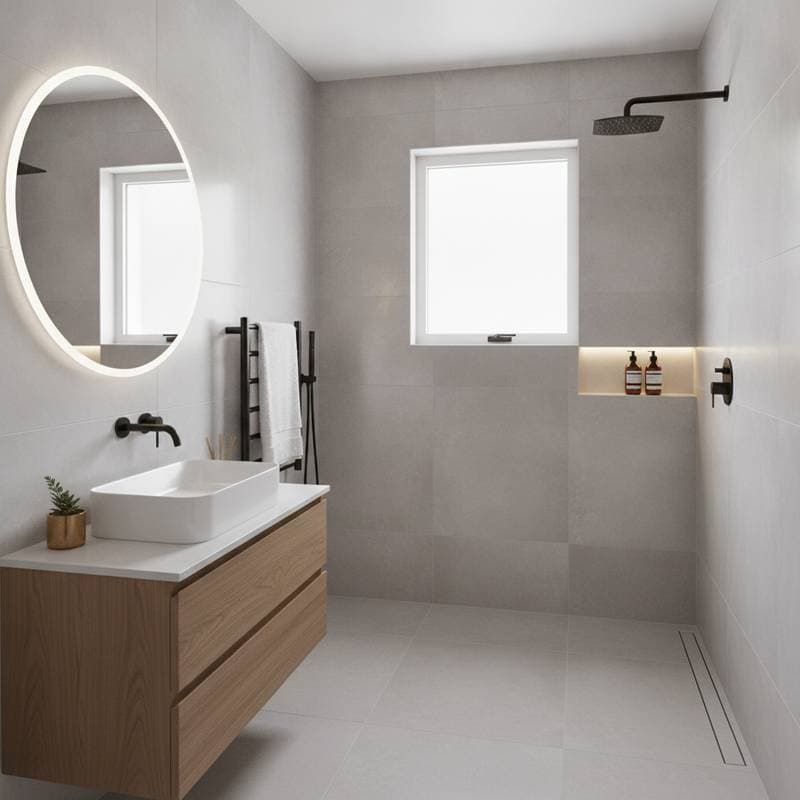
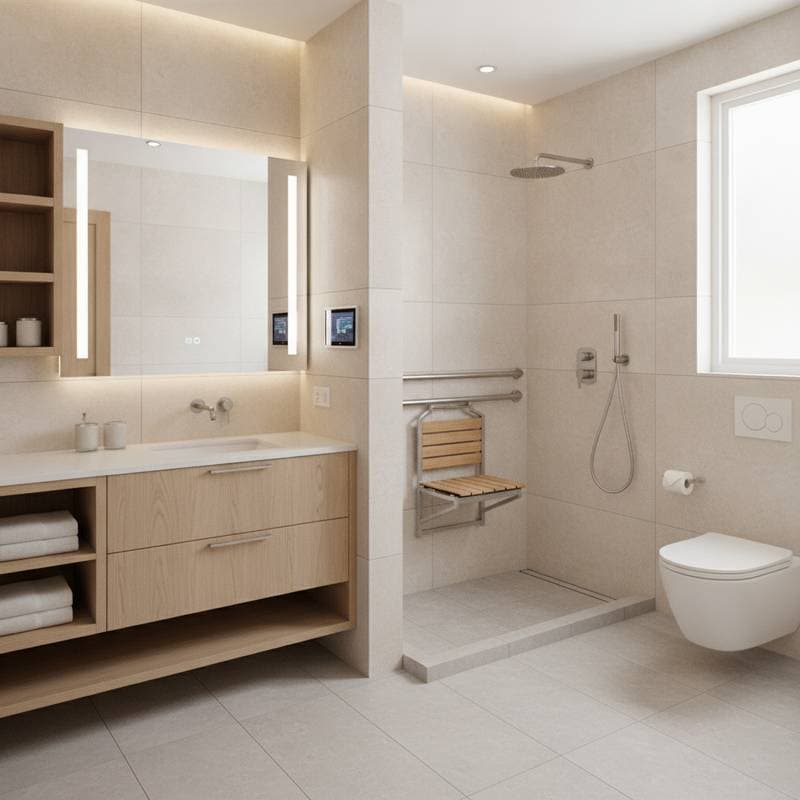
Homeowners embarking on an aging-in-place remodel should prioritize collaboration with experts versed in accessibility codes and modern design. Start by assessing current needs and future adaptations, such as installing curbless showers or lever-handled faucets. Budget for high-quality materials that promise longevity and low maintenance.
Consult occupational therapists early to map ergonomic placements. Test lighting and texture samples in situ to confirm their effectiveness. These steps ensure the final space delivers both practicality and beauty, supporting independent living for years to come.
Universal design in bathrooms proves that inclusivity enhances rather than restricts. These projects show how innovation fosters environments that evolve with life, offering comfort, safety, and style to every user.