Universal Design Bathrooms Blend Safety and Luxury
Universal design transforms bathrooms into spaces that serve people of all ages and abilities without sacrificing visual appeal. This approach integrates safety features with high end finishes to support long term use and daily comfort.
Core Principles of Universal Design
Universal design focuses on equitable use, flexibility, and simple operation. In bathrooms these principles translate to layouts that accommodate wheelchairs, reduced mobility, and varying heights while maintaining a cohesive aesthetic.
Thoughtful placement of fixtures reduces physical strain. Clear floor space, stable grab points, and intuitive controls create environments that feel open rather than clinical.
Essential Safety Upgrades
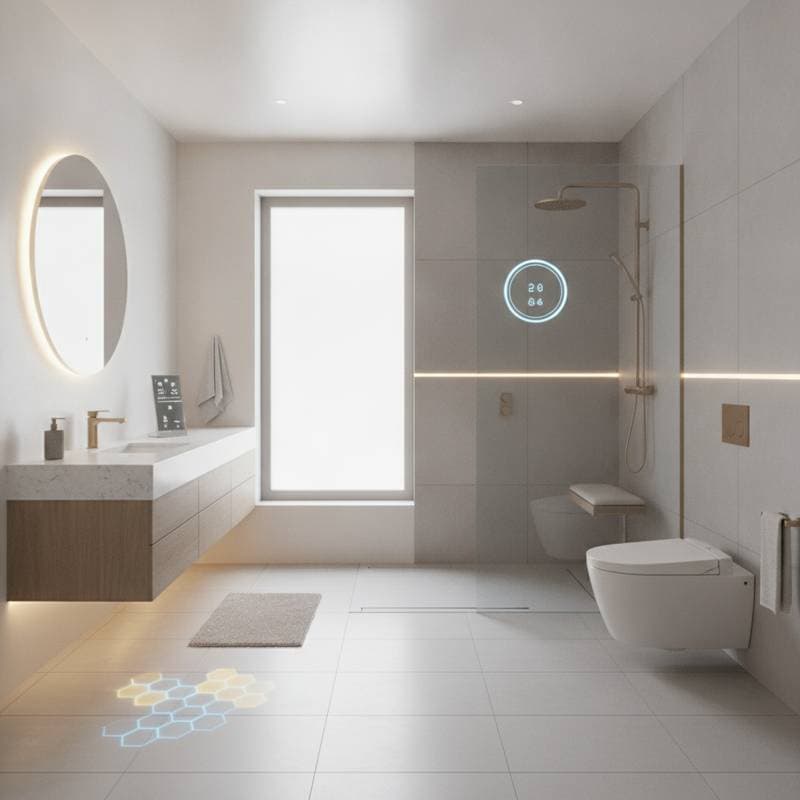
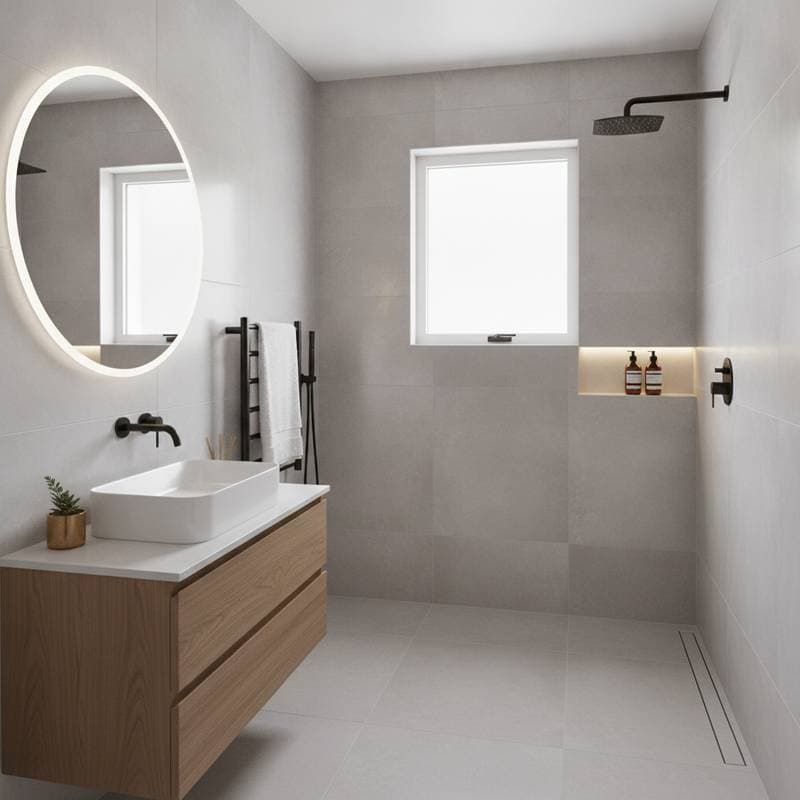
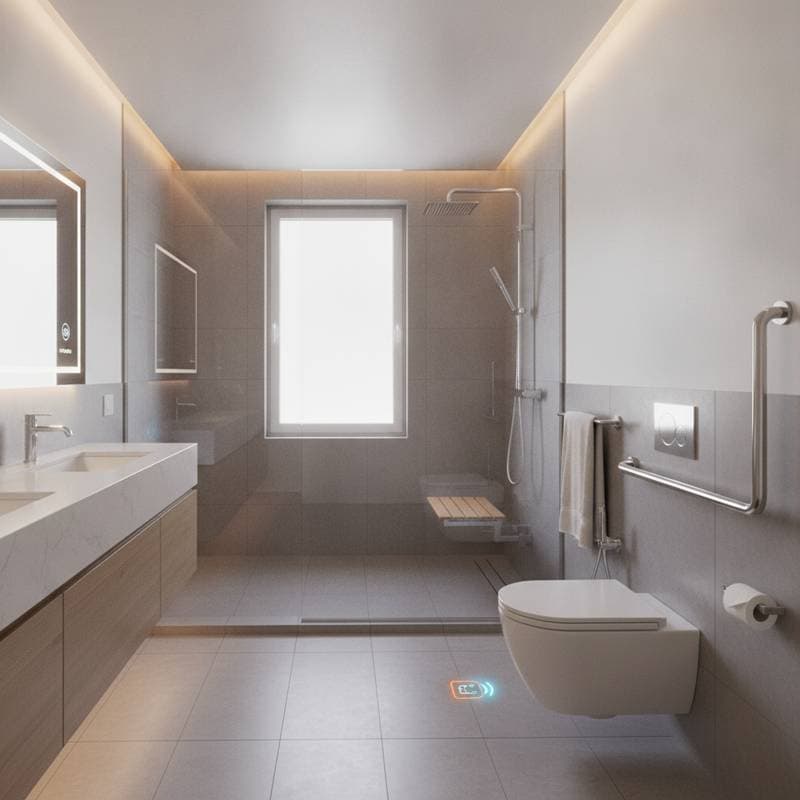
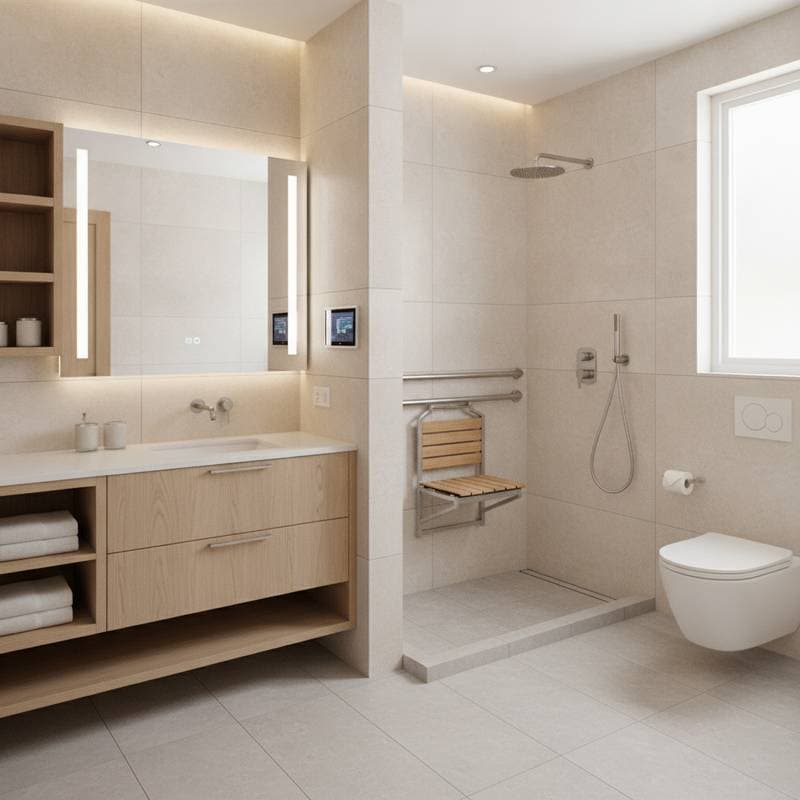
Curbless showers eliminate tripping hazards and allow seamless entry for walkers or shower chairs. Linear drains paired with slip resistant tile maintain water control without visual disruption.
Comfort height toilets and wall mounted sinks improve transfer ease for users who have difficulty bending or balancing. Reinforced blocking behind walls permits future grab bar installation without full demolition.
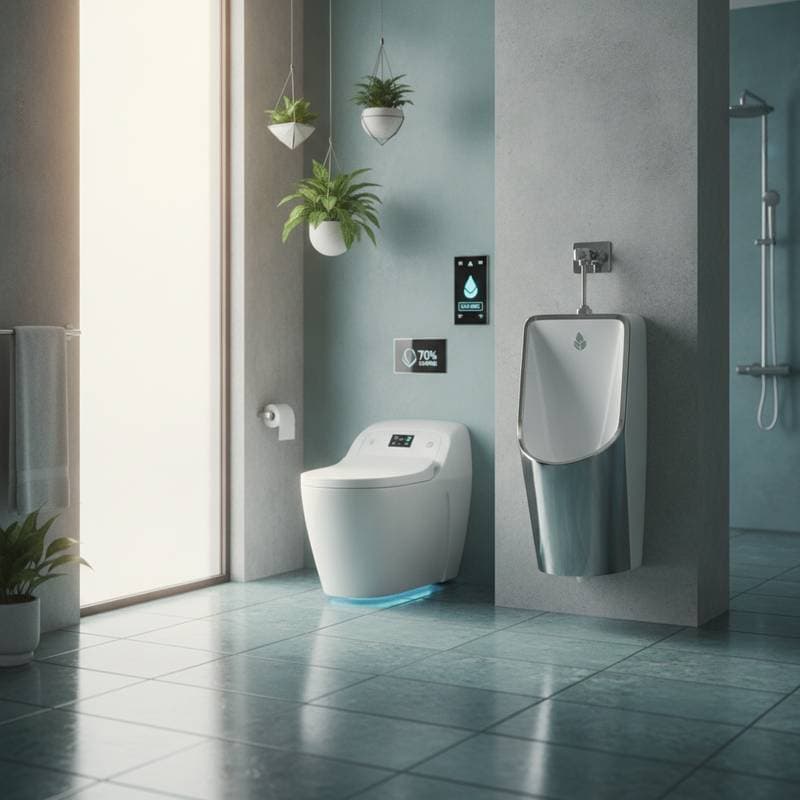
Touchless faucets and lever handles reduce the need for fine motor control. These elements also support hygiene by limiting surface contact.
Luxury Finishes That Enhance Function
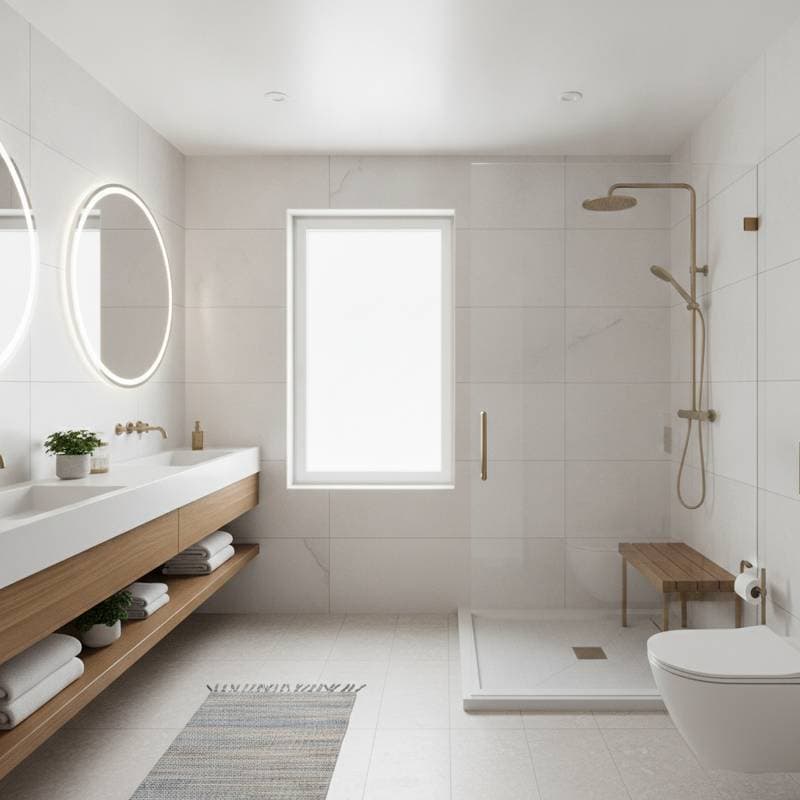
Large format porcelain tiles offer durability and easy cleaning while delivering the appearance of natural stone. Heated floors provide warmth underfoot and improve comfort during cooler months.
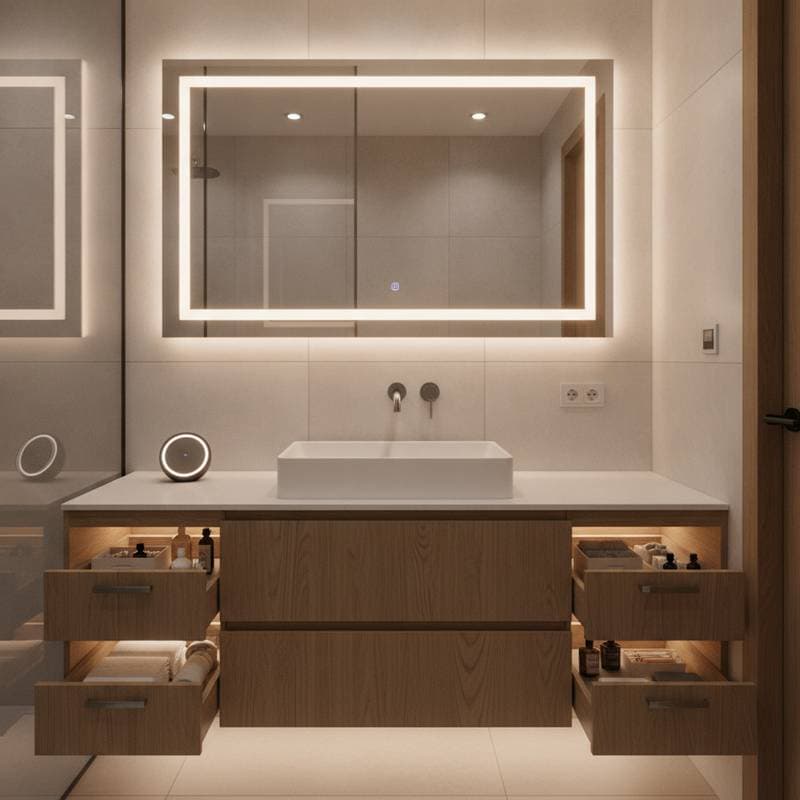
Custom vanities with pull out organizers and adjustable shelving combine storage efficiency with refined cabinetry details. Integrated lighting around mirrors reduces shadows and supports precise grooming tasks.
Rainfall showerheads and handheld wands with pause controls deliver spa like performance alongside practical water management.
Budget Conscious Implementation Steps
Begin with a professional assessment of existing plumbing and electrical systems. This evaluation identifies opportunities to add blocking, re route pipes, or upgrade ventilation during initial construction phases.
Prioritize high impact changes such as curbless entry and comfort height fixtures when funds are limited. These modifications deliver immediate safety benefits and retain value during resale.
Select finishes that meet both accessibility standards and design preferences. Matte textures, contrasting edge details, and consistent color palettes improve visibility without additional cost.
Long Term Value and Future Readiness
Properties equipped with universal design elements attract a broader range of buyers and support aging in place. Reduced renovation needs over time translate into lower lifetime ownership expenses.
Regular maintenance of seals, drains, and mechanical components preserves both function and appearance. Scheduled inspections help identify wear before it affects usability.
Selecting Materials for Lasting Performance
Specify products rated for high moisture environments and frequent use. Solid surface counters resist staining and bacterial growth better than porous alternatives.
Ventilation systems sized to the room volume prevent mold and extend the life of finishes. Quiet fans with humidity sensors operate automatically and maintain air quality.
Working With Design Professionals
Collaborate with remodelers experienced in accessibility codes and spatial planning. Detailed drawings ensure that clearances, fixture heights, and lighting layouts meet both safety requirements and aesthetic goals.
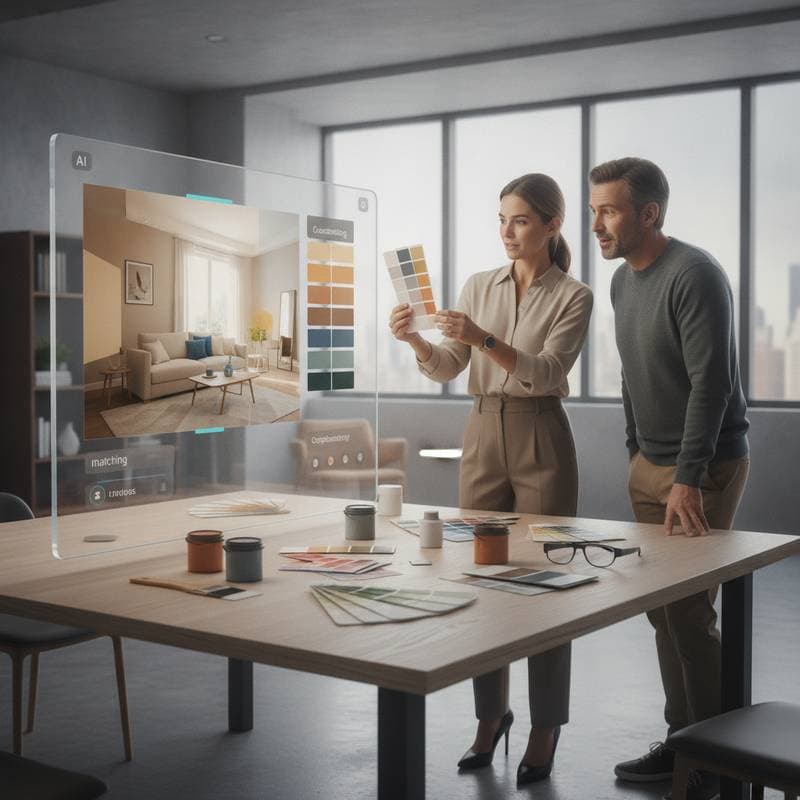
Review material samples in the actual lighting conditions of the space. This step confirms that colors and textures perform as expected once installed.