Touchless Faucets and Voice-Activated Showers Shape Bathroom Innovations
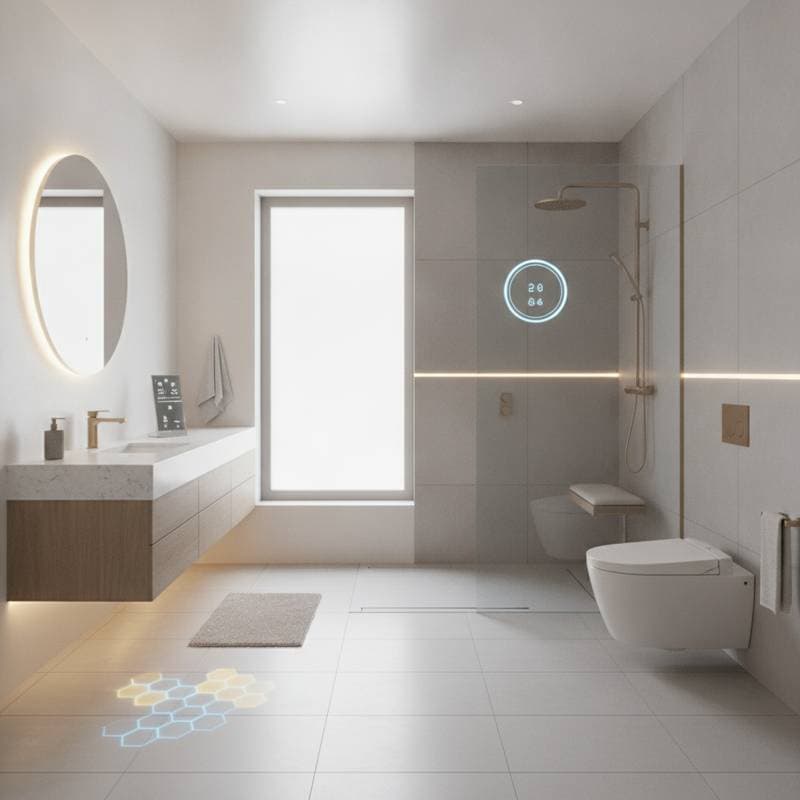
Bathrooms now serve as hubs for smart technology, combining convenience, hygiene, and design in functional spaces. Touchless faucets and voice-activated showers drive this evolution, offering upgrades that enhance daily routines without requiring extensive renovations. These features integrate seamlessly into existing setups, making advanced functionality available to homeowners and renters alike.
Benefits of Touchless Faucets
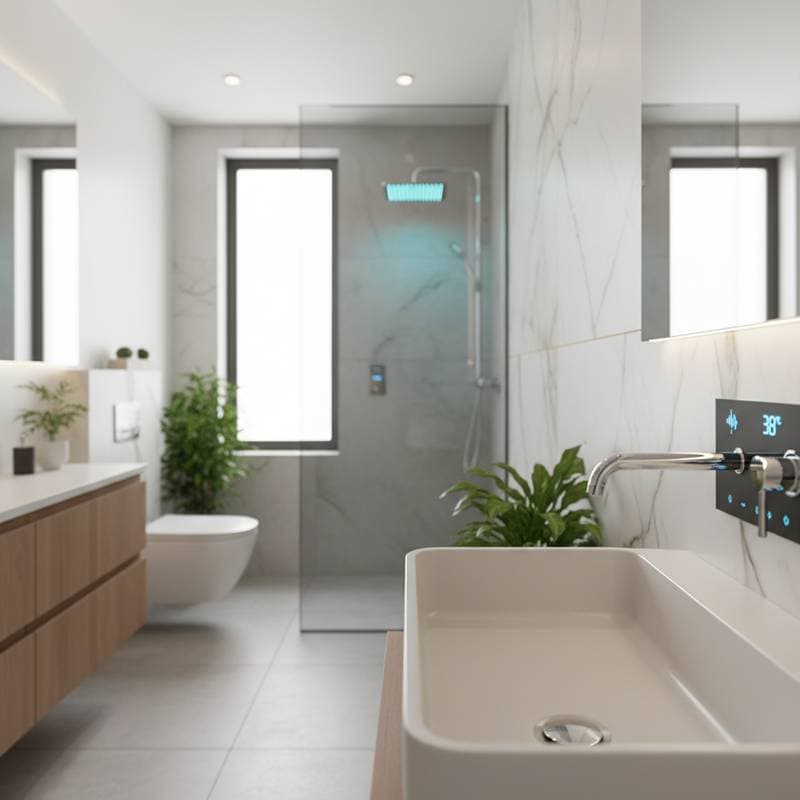
Touchless faucets represent a practical advancement in bathroom hygiene and efficiency. Equipped with infrared motion sensors, they activate water flow upon detecting hand movement, eliminating the need to touch potentially contaminated handles. This design reduces bacterial transfer and prevents water waste from dripping taps.
Affordable models begin at twenty-five dollars and operate on battery power, ideal for simple installations in rental properties or guest bathrooms. Options in the one hundred to two hundred dollar range incorporate features such as adjustable sensor ranges and preset water temperatures for added convenience. Premium versions, priced from five hundred dollars, include customizable finishes like brushed nickel or oil-rubbed bronze, along with LED indicators for low battery alerts.
Users report noticeable improvements in cleanliness, particularly in households with children or frequent guests. The technology promotes water savings of up to twenty percent per use, contributing to lower utility costs over time.
Advantages of Voice-Activated Showers
Voice-activated showers elevate personal comfort through integration with smart home systems like Amazon Alexa or Google Assistant. Commands adjust water temperature, flow rate, and even integrate ambient features such as lighting or sound. This hands-free operation streamlines morning preparations and ensures consistent settings for multiple users.
Basic kits, starting at one hundred fifty dollars, connect to existing showerheads via wireless modules and compatible speakers. Mid-tier systems, costing three hundred to five hundred dollars, feature digital valves for precise control and compatibility with home automation hubs. Advanced setups exceed one thousand dollars and support multi-zone controls, steam functions, and personalized profiles stored in apps.
Installation typically requires minimal plumbing adjustments, often completed in under two hours with basic tools. Homeowners appreciate the ability to preheat showers remotely, reducing wait times and enhancing energy efficiency.
Integrating Technology with Aesthetic Design
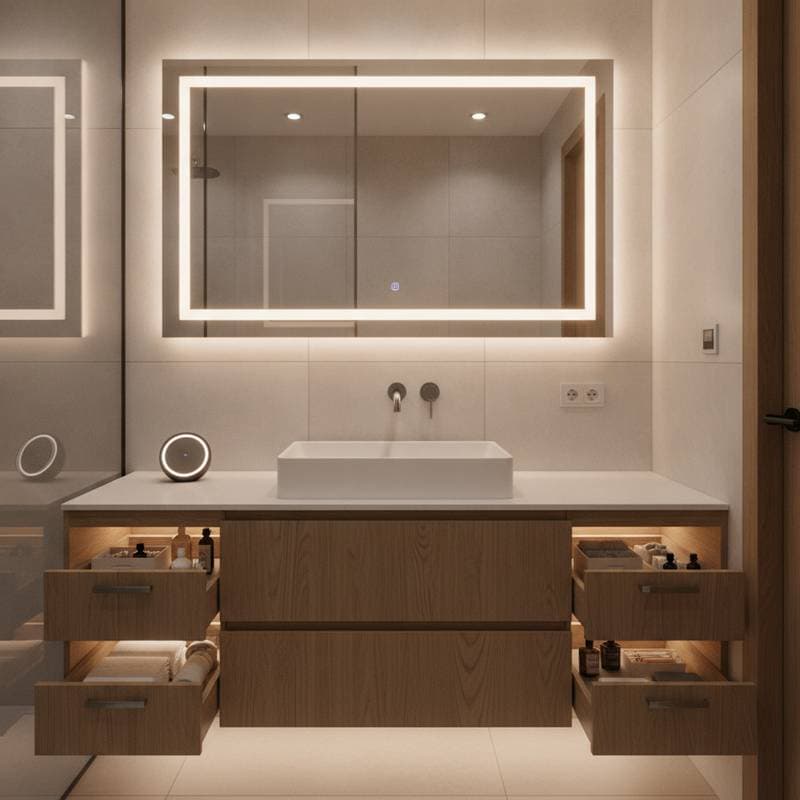
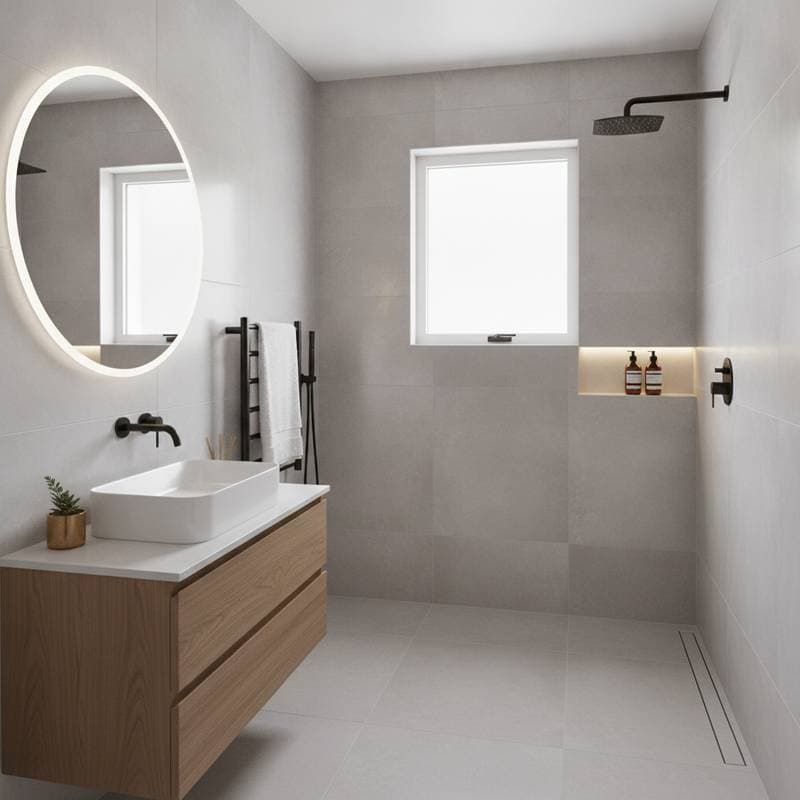
Smart bathroom fixtures prioritize harmony between function and form, available in diverse materials and styles to match any decor. Touchless faucets in minimalist matte finishes complement contemporary vanities, while voice shower components blend into traditional tiled surrounds. This versatility allows designers to incorporate technology without disrupting visual cohesion.
Pair a sensor-equipped faucet with quartz countertops for a modern look, or select bronze-toned voice controls to accent rustic elements like shiplap walls. Manufacturers offer modular components that adapt to various space constraints, ensuring broad applicability.
Budget-Tiered Upgrade Strategies
Smart bathroom enhancements scale effectively across financial levels, focusing on high-impact changes with straightforward implementation.
- Entry-Level Updates: Replace a standard faucet with a battery-operated touchless unit and install a waterproof smart speaker for voice commands. Total cost remains under one hundred dollars, providing immediate hygiene and entertainment benefits.
- Intermediate Transformations: Add a sensor faucet, app-controlled shower valve, and motion-activated mirror lights. Budget five hundred to eight hundred dollars for professional installation if needed, yielding a cohesive smart environment.
- Comprehensive Overhauls: Incorporate voice systems, underfloor heating, and automated lighting tied to occupancy sensors. Investments from two thousand dollars create an adaptive space that responds to user habits, with potential resale value increases.
Start with assessments of current plumbing to identify compatible options, then prioritize features based on usage patterns.
Insights from Professional Installations
Experience from design projects highlights the reliability of touchless and voice systems in high-use scenarios. These fixtures withstand daily demands while simplifying maintenance routines. Quick setups, often without major disruptions, make them suitable for time-sensitive renovations.
Photogenic qualities, such as smooth water activation, enhance visual appeal in portfolios or home tours. Feedback consistently emphasizes reduced cleaning time and intuitive operation as key advantages.
Opportunities in the Smart Design Sector
The rise of smart bathrooms opens avenues for professionals in design and construction. Expanded product offerings from suppliers encourage specialization in tech-integrated services. Contractors can differentiate through certified installations of voice and sensor systems.
Develop packages that bundle fixtures with consultation, targeting segments from budget-conscious clients to luxury seekers. Collaborations with electricians for wiring ensure comprehensive smart home compatibility.
Environmental and Cost Benefits
Touchless and voice-controlled features promote sustainability by optimizing resource use. Sensor technology cuts water consumption by thirty percent through automatic shutoff, while app monitoring provides usage analytics for informed adjustments.
These systems lower long-term expenses on water and energy, with payback periods often under two years. Integration with eco-friendly materials further aligns upgrades with green building standards.
Daily Integration and Long-Term Adaptability
Implemented smart elements foster effortless interactions, from germ-free handwashing to customized showers. Maintenance involves periodic battery checks and software updates, keeping performance optimal.
Renters benefit from portable, non-invasive models, while owners prepare infrastructure for expansions like bidirectional mirrors. As standards advance, modular designs facilitate future-proofing without full replacements.
Steps to Implement Your Upgrade
Begin by evaluating your bathroom's layout and priorities, such as hygiene or convenience. Select fixtures from reputable retailers with strong warranties, and consult guides for DIY feasibility.
Test compatibility with existing smart devices to maximize integration. These steps ensure a tailored enhancement that delivers ongoing value, turning your bathroom into an efficient, welcoming retreat.