Smart Bathroom Technology for Secure Senior Living
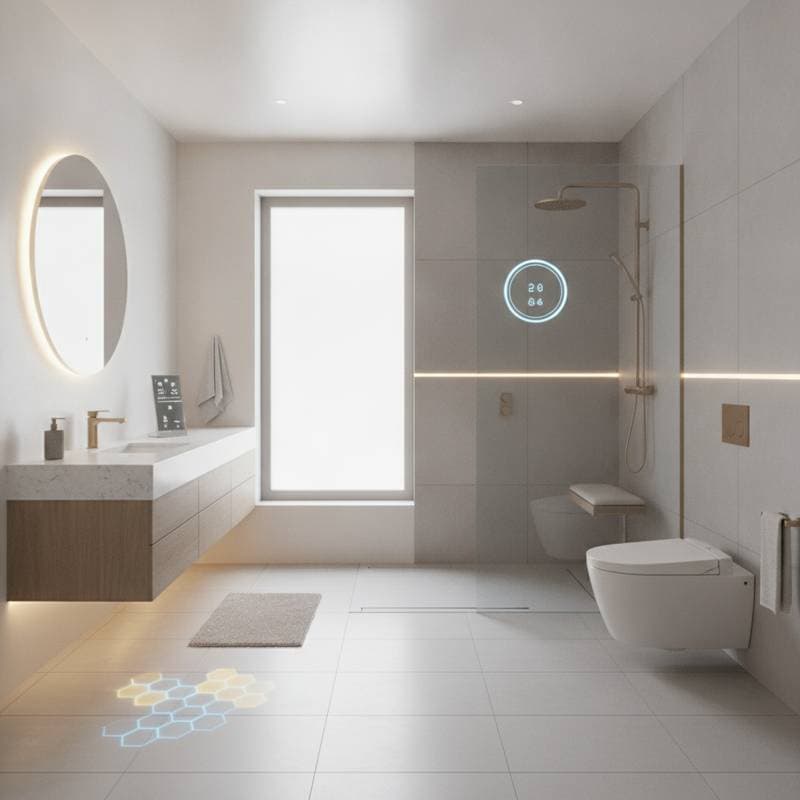
Imagine entering your bathroom in the dim light of early morning. Motion-activated lights illuminate the space gently, the floor provides steady warmth underfoot, and the shower delivers water at a precisely controlled temperature. For older adults committed to staying in their homes, these elements represent more than conveniences; they form a foundation for safety, ease, and sustained independence.
The bathroom ranks among the most frequently used areas in a residence, yet it poses significant risks due to slick surfaces, inadequate illumination, and fixtures that demand awkward reaches. Contemporary smart technologies address these challenges effectively, minimizing hazards while preserving personal autonomy and respect. This article outlines strategies to integrate advanced bathroom features with intentional design, delivering practical guidance, estimated expenses, and structured implementation steps.
Essential Smart Bathroom Features
The following sections detail key smart bathroom elements suited for aging in place. Each includes functionality descriptions, pricing estimates, and integration advice.
1. Intelligent Lighting Solutions
Inadequate visibility contributes substantially to bathroom accidents. Intelligent lighting systems counteract this by delivering adaptive illumination that suits varying needs.
Key functions:
These setups employ motion detectors and adjustable LED bulbs to supply optimal light levels without manual intervention. During nighttime use, they emit a subtle glow along pathways, promoting safe navigation while minimizing sleep disruption.
Pricing estimates:
- Simple motion-triggered nightlights: $25 to $50
- Comprehensive systems with remote application management: $200 to $800
Implementation guidance:
Retrofitting proves straightforward for many models. Opt for battery-powered units that require no electrical modifications, or engage a qualified electrician for secure, wired installations to ensure longevity.
2. Thermostatically Regulated Showers
Unexpected fluctuations in water temperature can provoke slips or burns, particularly for those with diminished sensory responses. Thermostatically regulated showers establish and hold secure parameters.
Key functions:
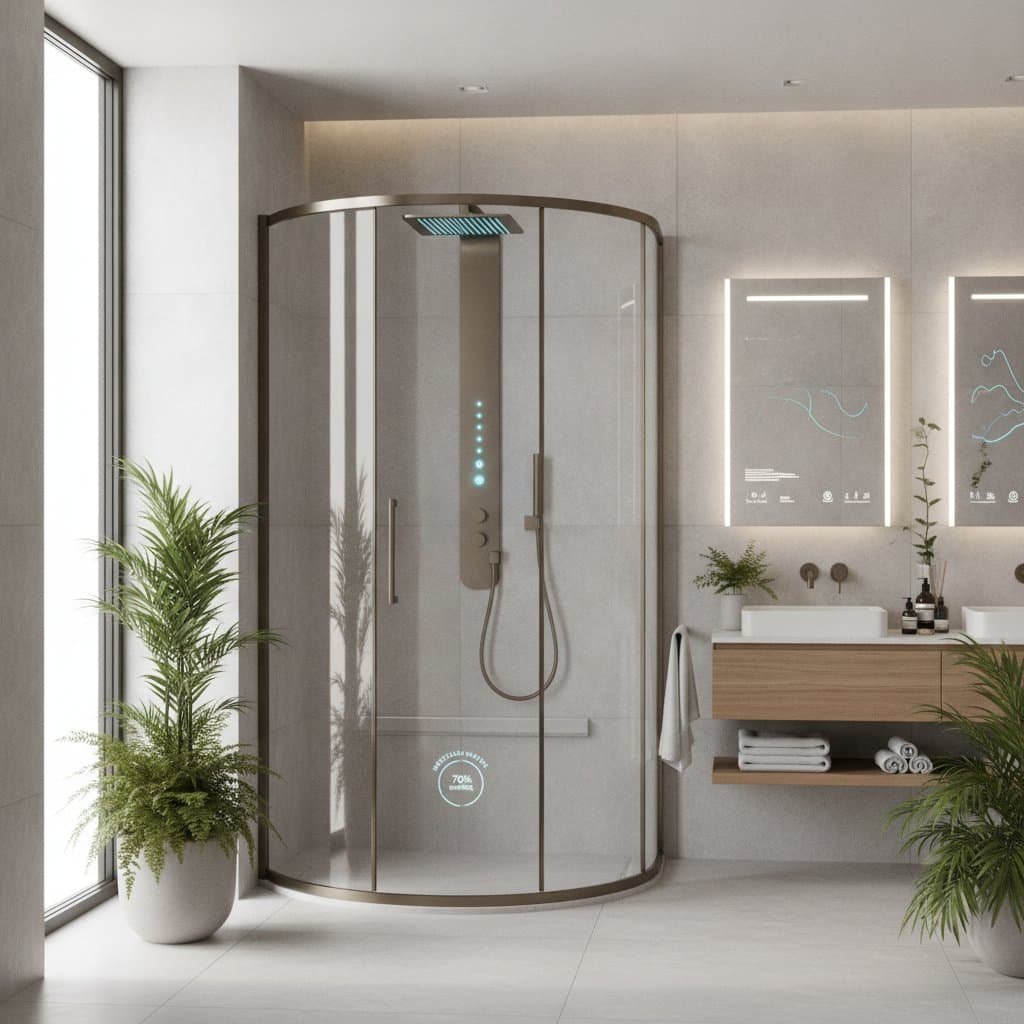
Electronic valves sustain uniform temperatures throughout use. Integration with voice assistants or smartphone applications enables operation without physical contact.
Pricing estimates:
- Entry-level digital valves: $400 to $700
- Advanced connected models: $1,000 to $2,500
Primary safety value:
Such controls safeguard against scalding incidents, a critical concern for seniors whose reaction times may vary.
3. Advanced Toilets and Bidet Attachments
Beyond enhancing cleanliness, these fixtures alleviate strain associated with routine hygiene tasks.
Key functions:
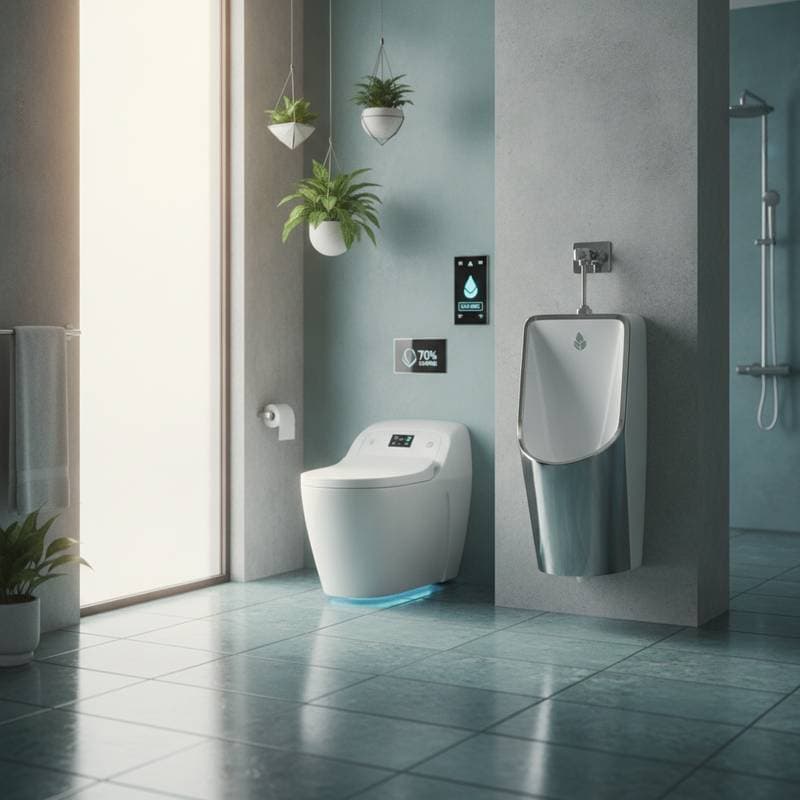
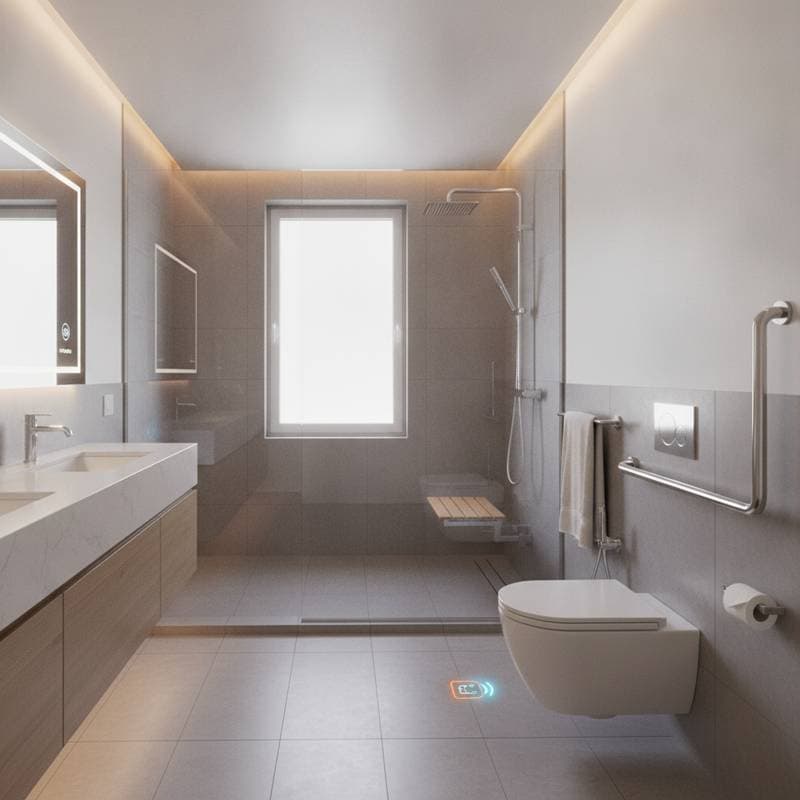
Options encompass self-opening lids, integrated bidet washing, warmed seating, and automated sterilization. Select models incorporate pathway lighting for low-light conditions and reserve flushing mechanisms for reliability.
Pricing estimates:
- Bidet seat retrofits: $300 to $800
- Complete intelligent toilet units: $1,500 to $4,000
User benefits:
Individuals facing mobility constraints benefit from reduced need for contortions, alongside gentle water cleansing that supports dermal integrity.
4. Moisture Detection and Flood Prevention Sensors
Undetected water escapes can escalate into extensive structural harm. These sensors provide early warnings to avert such outcomes.
Key functions:
Compact units position near water sources like toilets, sinks, and bathtubs. Upon sensing liquid or irregular flow, they transmit notifications directly to mobile devices.
Pricing estimates:
- Standalone units: $50 to $150
- Integrated home-wide networks: $300 to $800
Expert recommendation:
Combine with solenoid shut-off valves to automate responses, offering robust defense for homes used intermittently.
5. Voice-Command Interfaces
For those grappling with joint stiffness or equilibrium challenges, touchless operation streamlines interactions.
Key functions:
These interfaces link to lighting, ventilation, and water systems via digital hubs. Verbal instructions activate functions, from illumination adjustments to audio selections for relaxation.
Pricing estimates:
- Standalone voice hubs: $50 to $200
- Fully embedded bathroom networks: $500 to $1,500
Core safety gain:
Eliminating the need to grasp controls on damp surfaces substantially lowers fall probabilities.
6. Radiant Heated and Non-Slip Surfaces
Chilled and glossy flooring heightens discomfort and instability. Radiant heating paired with grippy materials fosters security and solace.
Key functions:
Systems utilize electric mats or water-based circuits to distribute even heat. Programmable controllers regulate output for efficiency.
Pricing estimates:
- Electric underlayment: $10 to $20 per square foot
- Complete installations: $2,000 to $6,000, scaled to area
Selection advice:
Prioritize finishes with a friction coefficient exceeding 0.6, such as textured porcelain, to maximize adherence.
Key Planning Factors
Regulatory Compliance
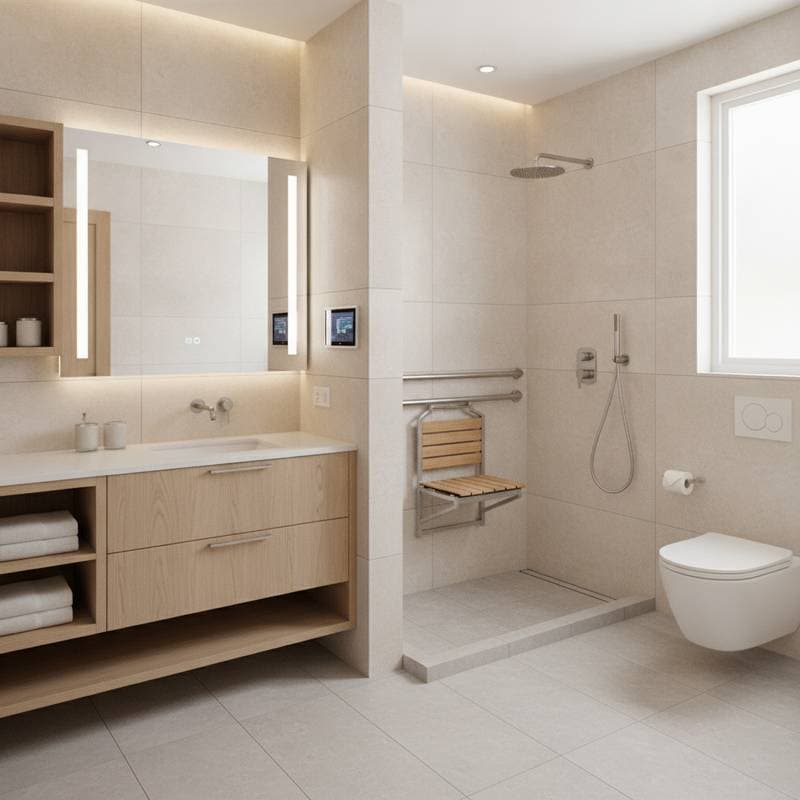
Projects involving wiring or piping often necessitate approvals. Consult local authorities to verify requirements. Incorporate universal design elements, including broadened entries and seamless shower entries, to enhance accessibility.
Prioritizing Protection
All electrical components in humid zones demand wet-location certifications. Install ground-fault circuit interrupters on receptacles. Position devices away from direct spray to prevent malfunctions.
Project Duration
Upgrades typically span two to six weeks, influenced by complexity. Secure lead times for custom components prior to commencing any structural alterations.
Efficiency Gains
Intelligent features frequently yield reductions in resource consumption. Automated illumination conserves electricity, while optimized shower settings minimize water usage. These efficiencies gradually recoup initial outlays.
Implementing Your Upgrades
Advanced bathroom solutions empower older adults to navigate daily life with assurance and autonomy. Initiate with modest enhancements, such as sensor-based lights or bidet integrations, to experience tangible improvements swiftly.
Observe the enhancements these provide, then proceed to comprehensive modifications like regulated showers or warmed floors. View the space as an evolving ally, where each addition aligns with personal requirements. Through deliberate choices and dependable innovations, the bathroom evolves into a haven of reliability and well-being.
Such investments extend beyond utility; they cultivate enduring security and self-reliance. With strategic foresight, transform this essential area into the home's most dependable retreat.