Flexible Cooking Surfaces for Modern Kitchens
In contemporary kitchen design, flexibility holds equal value to aesthetics. Homeowners seek surfaces that deliver customization and precision for daily meals as well as entertaining. Modular induction zones meet this need through compact units installed individually or in creative groupings.
These modules replace the fixed full cooktop with adaptable placements that match specific workflows.
Rethinking Cooking Areas as Modular Elements
Traditional cooktops once fixed the entire kitchen layout. Designers now treat cooking surfaces as responsive tools. Modules install side by side for a linear setup or separately across counters to support social cooking.
Architect Elena Moretti notes that these units act as micro stations that reshape movement through the kitchen. Each zone operates independently, so one can simmer while another sears without added visual weight.
Seamless Integration with Countertops
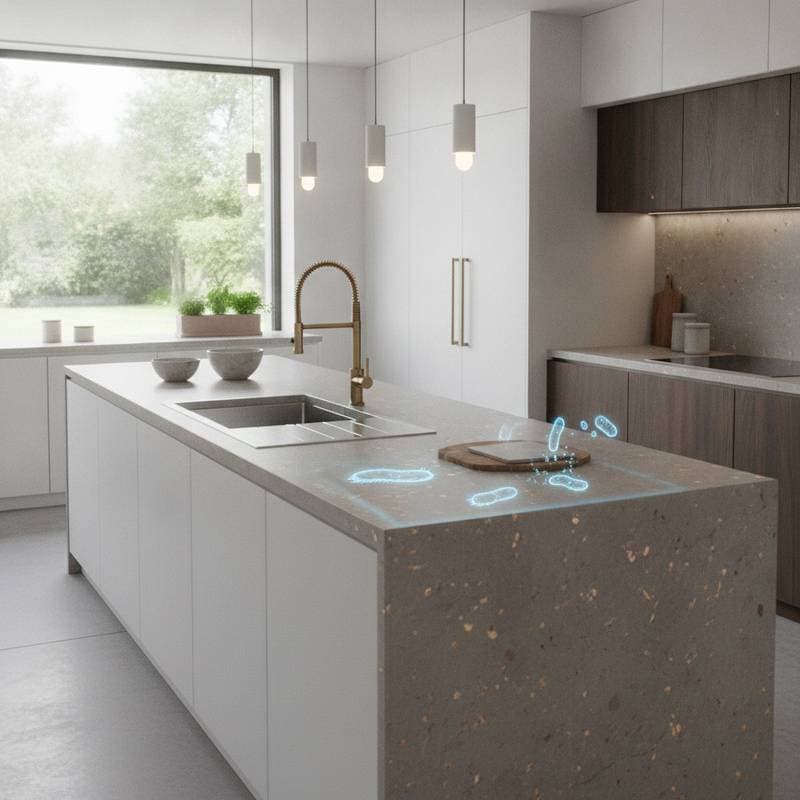
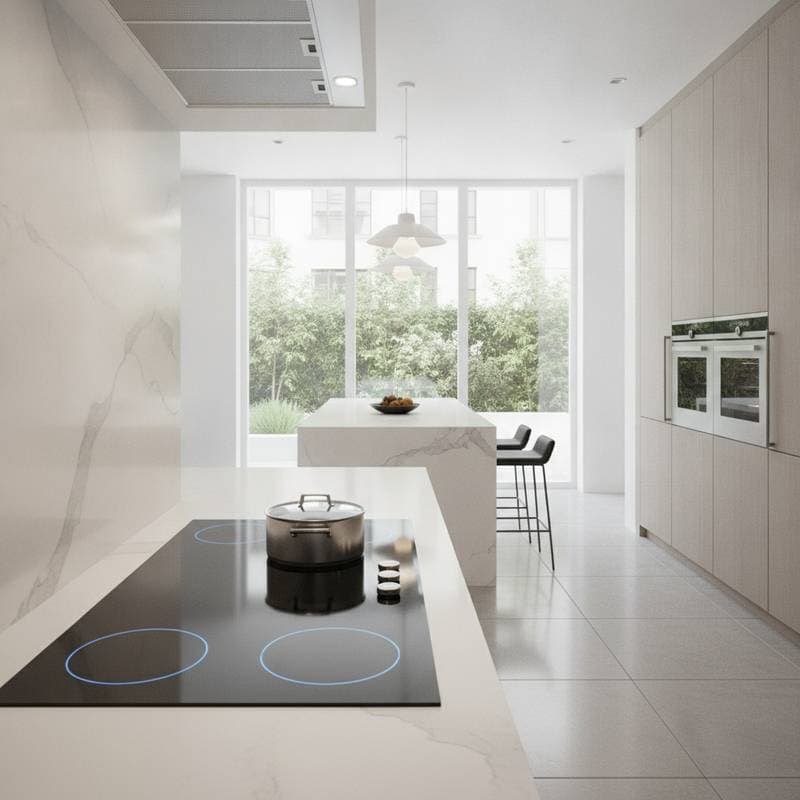
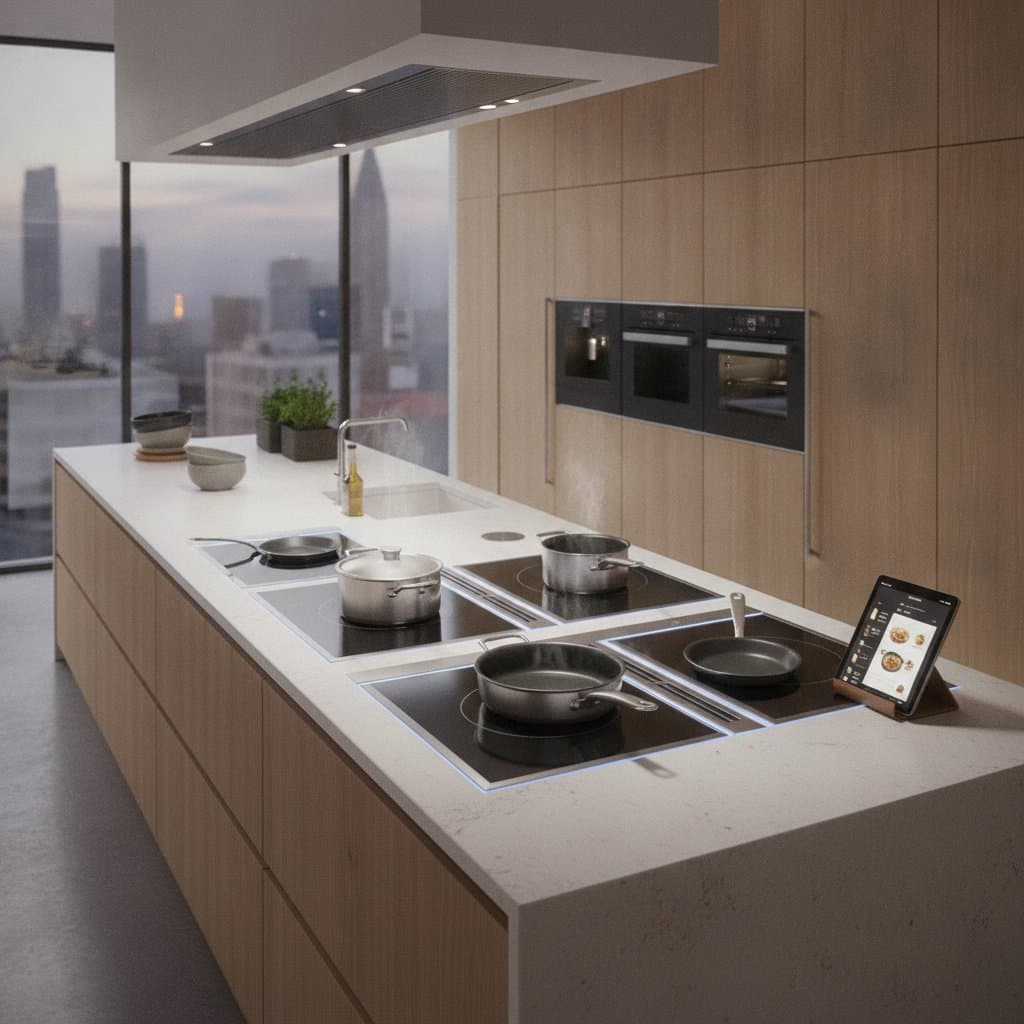
Induction modules sit flush within surfaces to maintain visual continuity. Their black glass or matte finishes recede when idle, preserving clear workspace. Pairings with Pietra Grigio stone or Calacatta Oro marble heighten the refined appearance.
Touch controls replace knobs and grates, which simplifies cleaning. Studios such as Ardent Interiors select Gaggenau and Miele models for their restrained profiles that complement minimalist architecture.
Layout Freedom Across Home Sizes
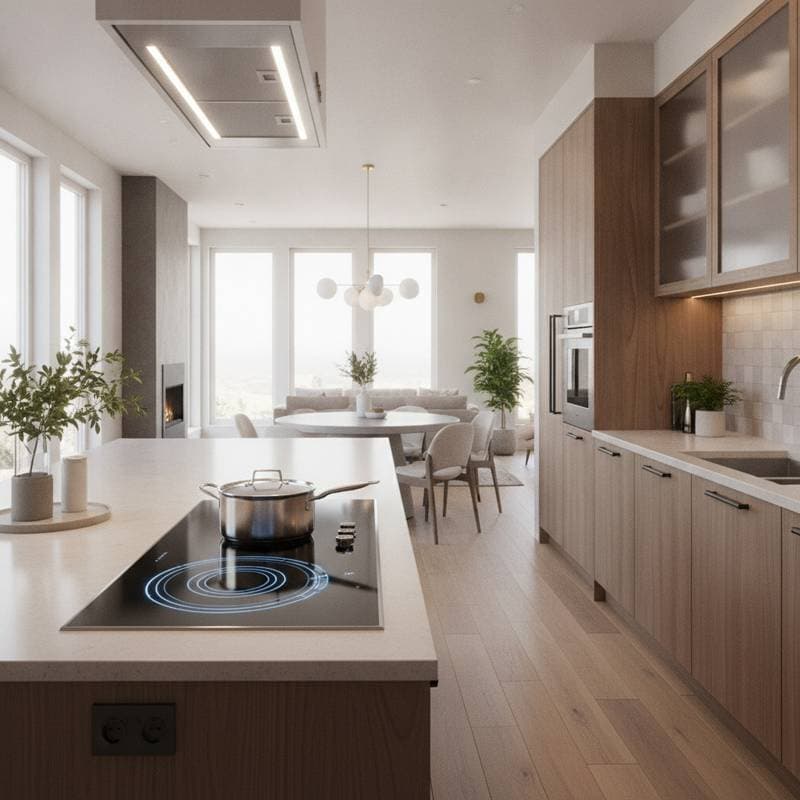
Modules support varied placements. Two units suit compact apartments while four spread across a large island for group cooking. A single lowered zone improves access in multi generational homes.
Designer Daniel Reyes explains that the approach lets kitchens function like adaptable landscapes. Placement near prep sinks and serving zones allows simultaneous use by multiple people.
Precision Heating and Energy Savings
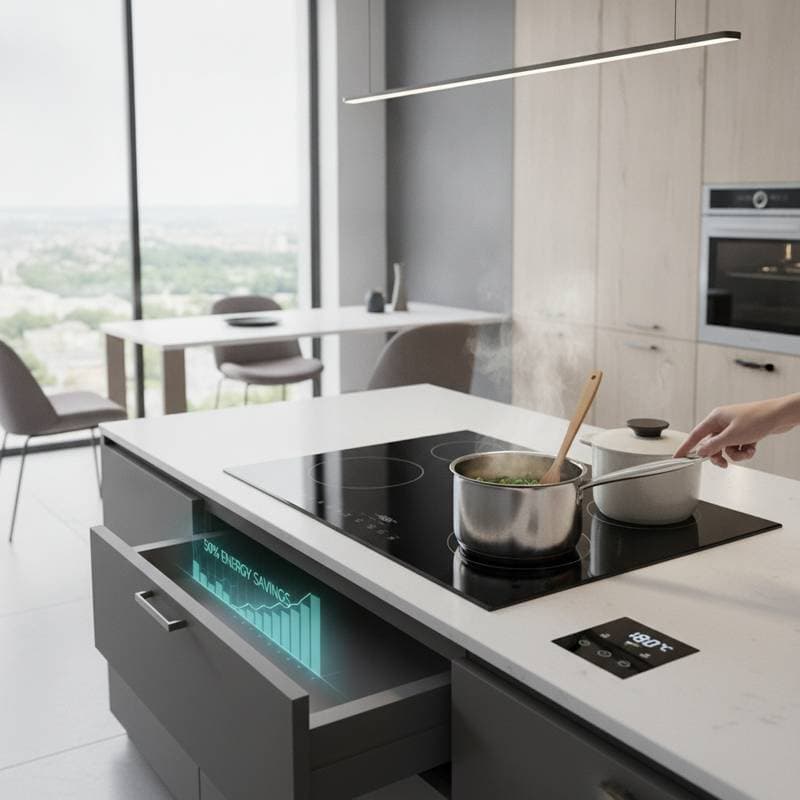
Induction heats only the cookware, which cuts energy use and reduces ambient warmth. Response remains immediate. Heat stops when the pan lifts and resumes at the prior setting when replaced.
Compatible cookware such as All Clad Copper Core maximizes transfer. This level of control brings professional performance to home settings.
Space Efficient Options for Urban Homes
Single or dual zones deliver full performance in small kitchens or prep areas. In a Paris apartment project, one Bora Pure unit installed flush with terrazzo doubles as counter space when idle.
This restraint produces elegance through efficiency rather than added size.
Combining Technologies for Versatility
Induction zones pair with gas burners, teppanyaki plates, or wok modules. A single module next to a gas wok burner provides precise sauce control while flame handles high heat tasks.
Chef Hiroshi Tanaka values the quiet support these zones offer where open flame alone falls short.
Material and Finish Coordination
Black ceramic glass works well against pale stone or oak cabinetry. In darker schemes it merges with basalt or honed granite. One recent project paired Fisher Paykel units with deep blue black cabinetry to emphasize reflective surfaces.
Intelligent Controls for Everyday Use
Sensor based adjustment, pan detection, and ventilation connectivity improve performance. Siemens flexInduction models recognize pan size and location automatically. These features maintain flexibility while reducing the need for extra burners.
Safety and Simple Upkeep
Cool surfaces lower burn risk, which suits homes with children or shared use. Spills wipe away without carbonized residue. Nearby wood or stone finishes stay protected from stray heat.
Creating a Responsive Cooking Environment
Modular zones encourage movement and clear sight lines in open plans. Three zones along a marble island let guests join the process without crowding a single appliance.
Interior designer Sophie Langdon describes the result as freeing the cook from bulky equipment.
Planning Your Induction Layout
Position zones near the sink for vegetable prep and near dining areas for finishing dishes. Verify ventilation needs and confirm cabinetry compatibility. Dimmable lighting accentuates the glass surface while texture pairings such as brushed brass hardware add warmth.
Start with one or two modules and expand as routines change. The result is a kitchen that adapts over time while maintaining calm, uninterrupted surfaces.