Transform Your Kitchen Monthly with Modular Design
Homeowners often survey their kitchens and recognize the need for a fresh perspective, yet a complete remodel remains impractical. One month might demand additional counter space, while the next requires expanded storage. Modular kitchen design addresses these evolving requirements, enabling changes as straightforward as adjusting to seasonal menus or daily routines.
Modular systems permit the rearrangement, addition, or removal of components without structural alterations. These designs prove flexible, economical, and accessible once the principles become clear. The following sections outline strategies to maintain a dynamic kitchen through modular approaches.
Challenges of Fixed Kitchen Layouts
Numerous homeowners encounter limitations with kitchens that fail to accommodate shifting lifestyles. Fixed cabinets and immovable counters demand significant effort for even minor modifications. Gradually, a space once efficient may become disorganized and lackluster.
Conventional kitchens prioritize durability over adaptability. When circumstances change, such as family size or cooking habits, individuals typically face extensive renovations. These projects involve prolonged disruptions and substantial financial commitments, often for adjustments that could occur more simply.
Benefits of Modular Kitchen Systems
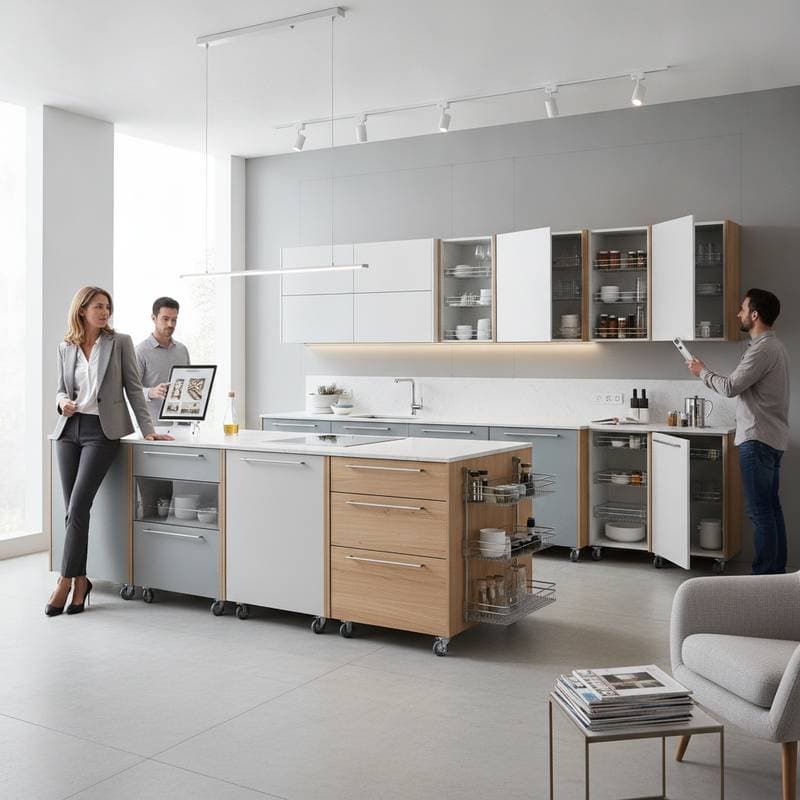
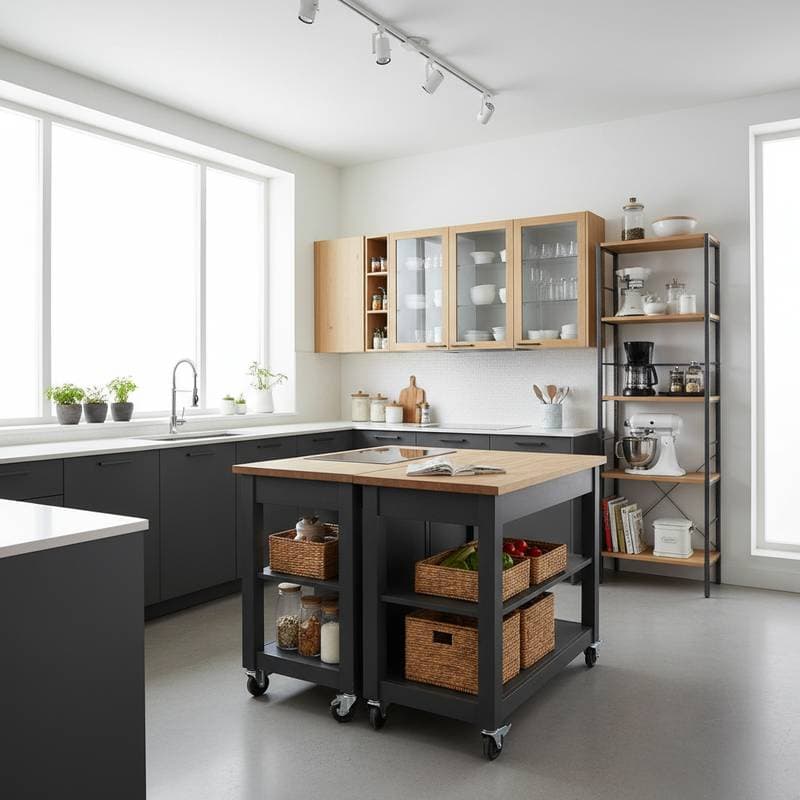
Modular kitchens consist of independent units that interconnect seamlessly, resembling interlocking components. Cabinets, drawers, and shelves feature designs that facilitate relocation or substitution. This structure supports reconfiguration of the entire layout without necessitating a complete overhaul.
Homeowners gain the ability to adapt setups to specific demands. During holiday preparations, additional preparation surfaces might prove essential; in calmer periods, a dedicated coffee nook near a window could enhance enjoyment. Modular elements make such transformations feasible for the average user.
Key Advantages of Modular Design
- Adaptability: Units relocate, expand, or contract independently, preserving the integrity of surrounding areas.
- Economic Value: Incremental improvements replace costly, all-encompassing renovations.
- Simplified Repairs: Individual damaged components receive targeted replacement.
- Personalization Options: Standard dimensions accommodate diverse finishes and arrangements to suit unique spaces.
Planning Your Modular Kitchen Configuration
Establishing a versatile kitchen requires thoughtful preparation. Begin modestly, test arrangements, and refine progressively.
Step 1: Define Essential Activity Areas
Segment the kitchen into primary functional zones:
- Cooking Area: Encompass stove, oven, and primary cookware storage.
- Preparation Area: Position ample counters adjacent to the sink.
- Storage Area: Allocate cabinets and drawers for pantry items and tools.
- Cleanup Area: Include sink, dishwasher, and disposal facilities.
Modular frameworks enable the repositioning of these zones in response to changing priorities. For instance, during gatherings, shift the preparation area nearer to the cooking zone for streamlined workflows.
Step 2: Select Appropriate Modular Components
Seek products labeled as reconfigurable cabinets or modular storage solutions. These typically adhere to uniform dimensions for effortless integration. Suppliers provide varieties in materials, including durable laminates and authentic wood finishes.
Estimated costs include:
- Basic assembly kits: $150 to $350 per module
- Intermediate customizable arrays: $400 to $900 per module
- High-end bespoke selections: $1,000 or more per module
Combine elements to align with financial constraints. Future enhancements to individual pieces remain possible as needs arise.
Step 3: Address Utilities and Safety Protocols
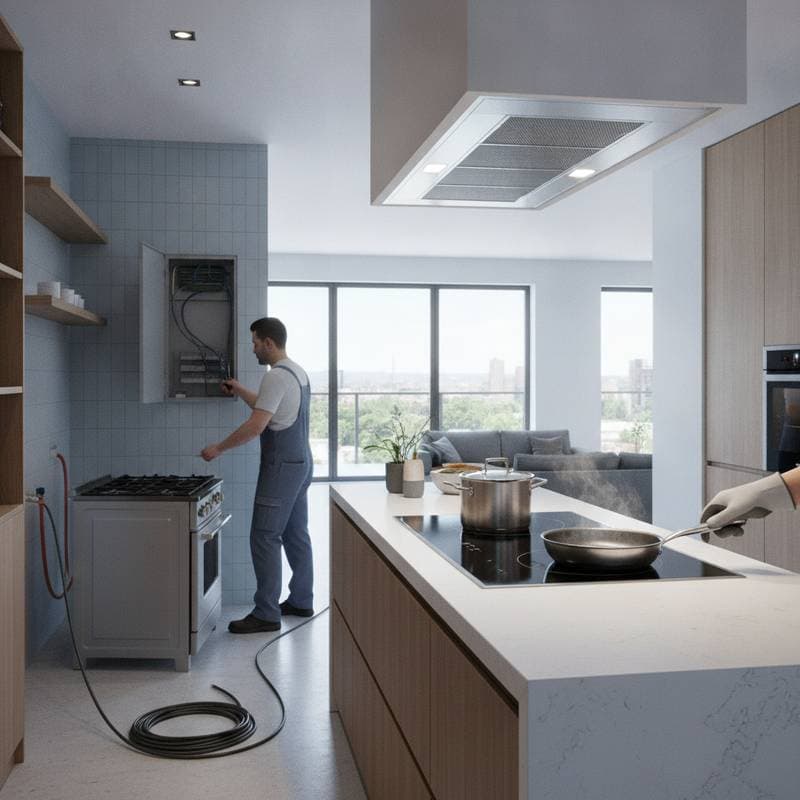
Modular implementations must account for existing infrastructure. Position appliances proximate to power sources and water lines to avoid complex modifications. Engage qualified professionals for any electrical or plumbing relocations.
Prioritize safety by ensuring rearranged units do not obstruct airflow or emergency access points, such as valve controls.
Step 4: Implement Seasonal Adjustments
After installing the foundational arrangement, reconfigure elements periodically. Consider these targeted updates:
- Spring Refresh: Incorporate open shelves to display fresh produce or potted greenery.
- Summer Adaptation: Relocate preparation surfaces toward exterior doors to support outdoor cooking.
- Autumn Expansion: Integrate additional drawers for seasonal baking ingredients.
- Winter Arrangement: Assemble a compact serving station using movable counter modules.
Such modifications deliver renewed aesthetics and utility with minimal investment.
Financial and Practical Aspects
Overall expenses for a modular kitchen range from $3,000 to $15,000, influenced by material choices and project scale. The advantage lies in phased implementation, commencing with essential pieces and scaling as resources permit.
Installation demands moderate skill for self-assembly options and minimal effort for expert services. Completion times span one to three days for compact projects and extend to two weeks for comprehensive ones. These systems enhance property appeal, supporting strong market value through their versatile nature.
Verify compliance with regional regulations before altering utilities. Purely modular shifts seldom require approvals, though foundational changes may necessitate them.
Sustaining Modular Kitchen Performance
Preserve the condition and efficiency of modular setups through routine care:
- Clean surfaces with gentle, non-abrasive solutions on a regular basis.
- Inspect and secure fittings quarterly to prevent loosening.
- Substitute deteriorated gaskets or pivots without delay.
Diligent upkeep extends durability and ensures seamless transitions during reconfigurations.
Achieving a Tailored, Evolving Kitchen
Modular design empowers homeowners to direct their space creatively, free from rigid commitments. Monthly layout tweaks, integration of new devices, or workflow optimizations become routine possibilities. Assess current inefficiencies, then pursue modular options that harmonize with your environment and finances for lasting satisfaction.