Japandi Wet Rooms: 2025's Must-Have Bath Trend
Homeowners increasingly rethink bathroom functionality and ambiance. The emerging design movement, Japandi wet rooms, fuses Japanese minimalism with Scandinavian warmth. This combination creates spaces that promote calm, efficiency, and straightforward maintenance. As a contractor experienced in constructing and renovating numerous wet rooms, this approach stands out as more than stylistic. It represents a practical, hygienic, and resilient bathroom solution.
Why Wet Rooms Are Becoming the New Standard
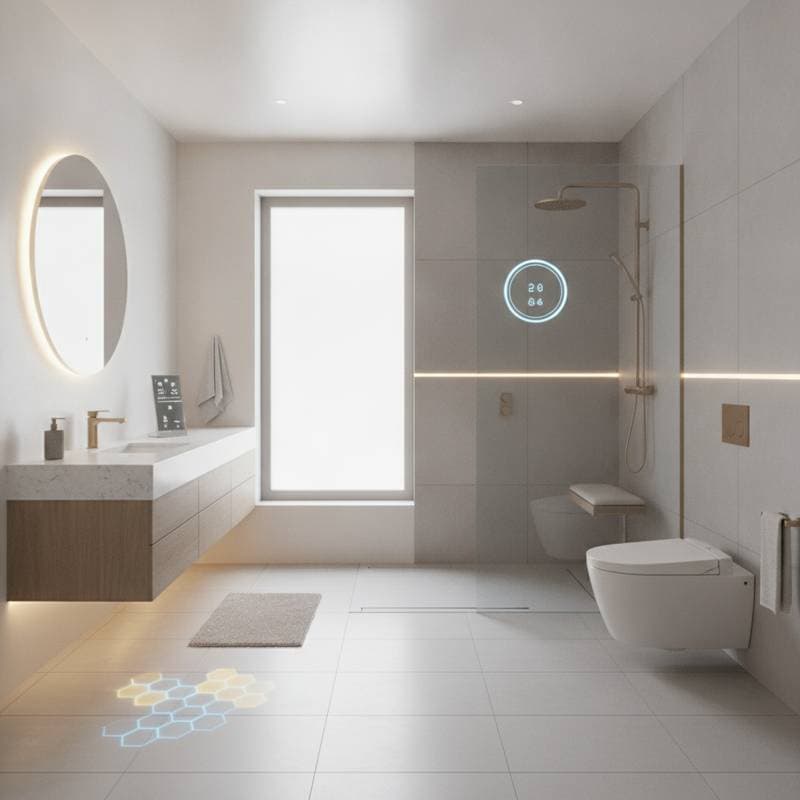
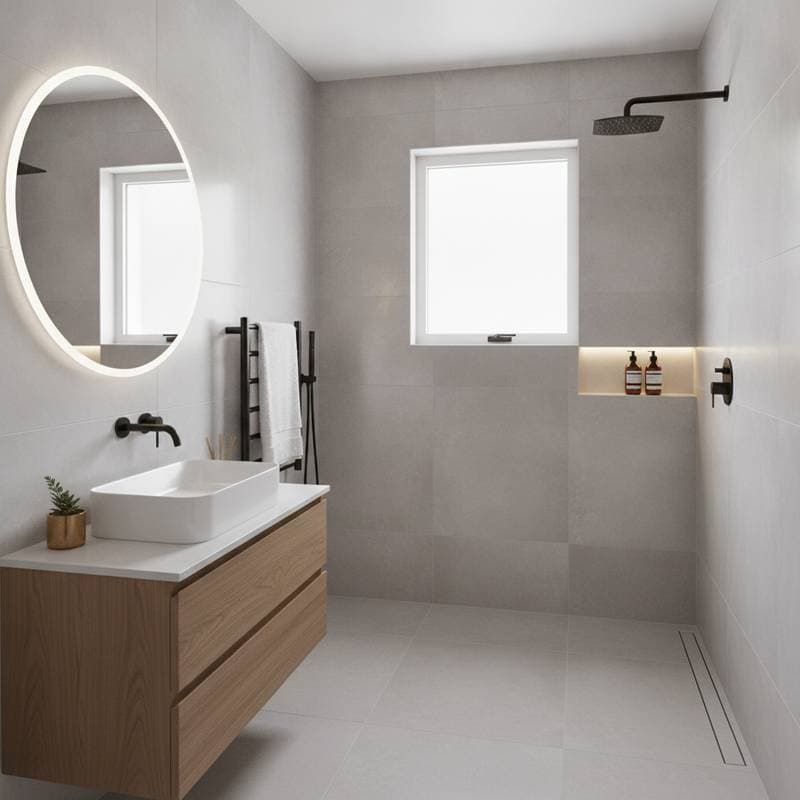
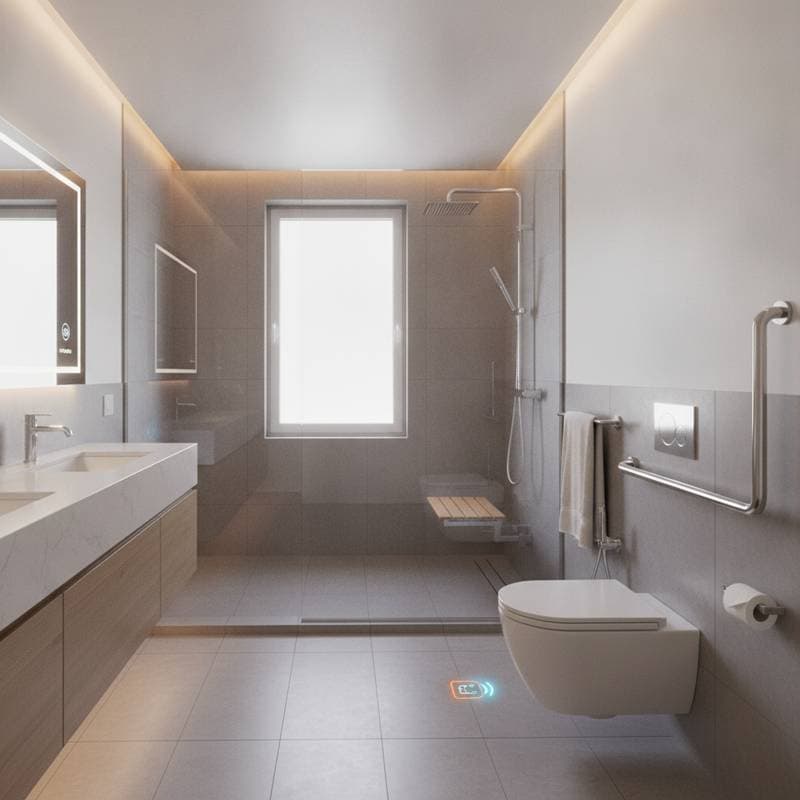
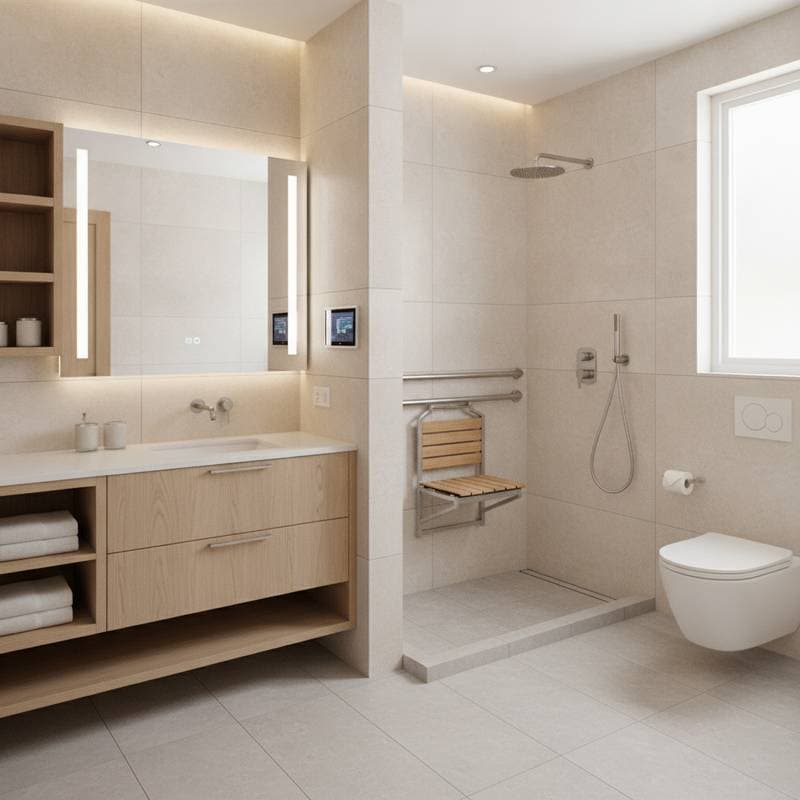
A wet room dispenses with the conventional enclosed shower enclosure. The entire area receives waterproofing treatment and a subtle slope directing water to a linear drain. This design eliminates obstacles, streamlines the layout, and imparts an expansive, airy sensation.
Homeowners often appreciate the modern appearance, yet overlook the inherent practicality. Shower doors require no cleaning, thresholds pose no tripping hazards, and moisture-trapping surfaces diminish. Properly constructed, a wet room endures for decades with limited care. The essential consideration remains proper construction, as flawed execution risks significant structural damage to walls or flooring.
The Japandi Influence
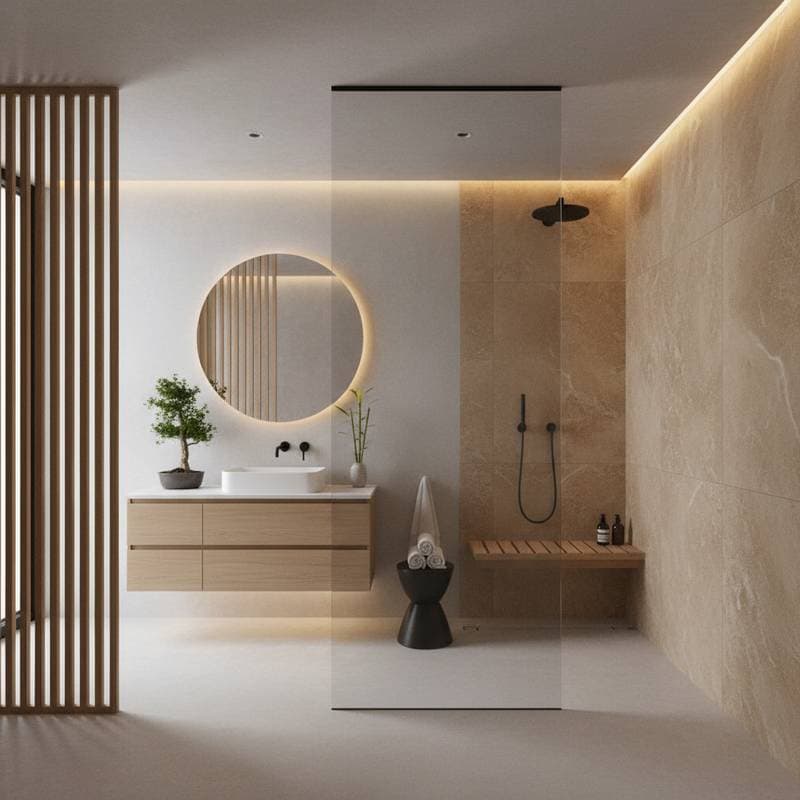
Japandi design integrates Scandinavian clean lines and neutral palettes with Japanese natural elements and mindful simplicity. In bathrooms, this translates to sleek stone or tile surfaces, light-toned wood cabinetry, and an emphasis on uncluttered balance.
A Japandi wet room advances this philosophy by excising excess elements. Each component serves a defined role. Fixtures remain subtle, materials draw from nature, and colors maintain serenity and unity. The outcome evokes tranquility rather than sterility.
From professional observations, exemplary Japandi wet rooms exhibit these traits:
- Neutral, earthy palettes blending warm woods with gentle stone or porcelain surfaces.
- Matte black or brushed nickel fixtures providing subtle contrast without dominance.
- Concealed storage solutions preserving visual purity.
- Ample natural light accentuating surface textures.
The Common Pitfalls Homeowners Should Avoid
Wet rooms appear uncomplicated, yet demand meticulous preparation. Projects frequently falter when participants undervalue the underlying technical requirements. Consider these primary errors to sidestep:
- Neglecting comprehensive waterproofing. Floors and walls require a seamless waterproof membrane beneath all tiles. Cement board paired with tile adhesive falls short. Absent a complete membrane, water penetrates subfloors or framing over time.
- Overlooking slope specifications. Floors necessitate a uniform, gentle incline to the drain. Minor irregularities lead to pooling. Remedying slope problems post-tiling typically involves demolition.
- Selecting unsuitable materials. Absorbent stones, inadequately sealed grout, or low-quality fixtures undermine durability. Opt for wet-rated tiles and meticulous joint sealing.
- Disregarding ventilation needs. Aesthetic appeal fades without adequate air circulation, fostering mold growth. Incorporate a robust, low-noise exhaust fan activated by timer or humidity detection.
Steps to Building a Reliable Japandi Wet Room
For those planning a home installation, adhere to these expert guidelines for a robust, effective outcome.
- Develop a comprehensive layout. Position the shower area, toilet, and vanity strategically. Minimize plumbing distances to control expenses and optimize drainage.
- Engage a contractor versed in wet room installations. Not all tilers grasp full waterproofing protocols for floors and walls. Request client references and images of prior wet room completions.
- Employ a complete waterproofing system. Products from Schluter or Wedi offer integrated membranes, drains, and adhesives. Combining disparate brands risks warranty invalidation and performance conflicts.
- Choose materials aligned with Japandi principles. Select oversized tiles to reduce grout exposure, moisture-resistant wood accents, and lighting that emphasizes texture over shine.
- Incorporate accessibility and endurance features. Curbless access accommodates diverse users and prevents common barrier deterioration.
How Japandi Style Enhances Everyday Living
Beyond visual appeal, a Japandi wet room transforms routine activities. The barrier-free design fosters liberation. Natural elements and diffused illumination cultivate relaxation. Minimalist organization eases upkeep and alleviates daily pressures.
Clients frequently describe their wet rooms as compact wellness sanctuaries. Maintenance demands decrease, allowing greater enjoyment. This balance of thoughtful design and sturdy build delivers tangible rewards.
An additional benefit lies in property appreciation. Prospective buyers prioritize bathrooms merging utility with sophistication. A meticulously crafted Japandi wet room conveys superior workmanship and contemporary appeal.
Protecting Your Investment
Prior to commencing a wet room endeavor, document all agreements formally. Contracts must detail the waterproofing method, slope parameters, and material selections. Specify responsibilities for pre-tiling inspections and evaluations.
Request a flood test from the contractor upon waterproofing completion. This procedure entails submerging the floor with water for a full day. Address any detected leaks immediately. Omitting this verification often results in substantial financial setbacks.
Maintaining Your Japandi Wet Room
Post-installation care proves simple. Reseal grout periodically, clear drains routinely, and activate ventilation following showers. Steer clear of abrasive cleaners that harm organic finishes.
Realizing Timeless Bathroom Serenity
A Japandi wet room harmonizes dual design traditions into an enduring, purposeful space. Executed proficiently, it elevates daily experiences and bolsters home equity.
Invest effort in planning, scrutinize material options, and collaborate with knowledgeable specialists attuned to technical intricacies. The achievement yields a bathroom of perpetual elegance and reliability.