Japandi Kitchens: Zen Minimalism Meets Everyday Function
A kitchen serves as more than a mere workspace. It functions as the quiet heart of the home, where daily rituals intersect with practical needs. In recent years, a design philosophy has emerged that merges Japanese minimalism with Scandinavian warmth. This approach, known as Japandi, produces interiors that balance serenity and utility. Such spaces support morning coffee preparations, family meals, and peaceful evenings with equal grace.
The Essence of Japandi
Japandi design centers on balance. It incorporates the Japanese principle of wabi-sabi, which embraces imperfection and authenticity, alongside the Scandinavian concept of hygge, which prioritizes comfort and simplicity. The outcome yields a kitchen that feels grounded, tactile, and inherently human. Designers select every element for its sensory appeal and lasting durability.
The color palette favors subdued tones. Consider soft clay walls in Farrow & Ball’s “Skimming Stone” combined with natural oak cabinetry treated with matte oil. This pairing delivers warmth without excess and depth without overwhelming details. The Japandi kitchen commands respect through its understated integrity rather than bold statements.
10 Elements Defining the Japandi Kitchen
To grasp how this style manifests in practical settings, examine the key materials, forms, and details that shape it.
1. Natural Materials at the Core
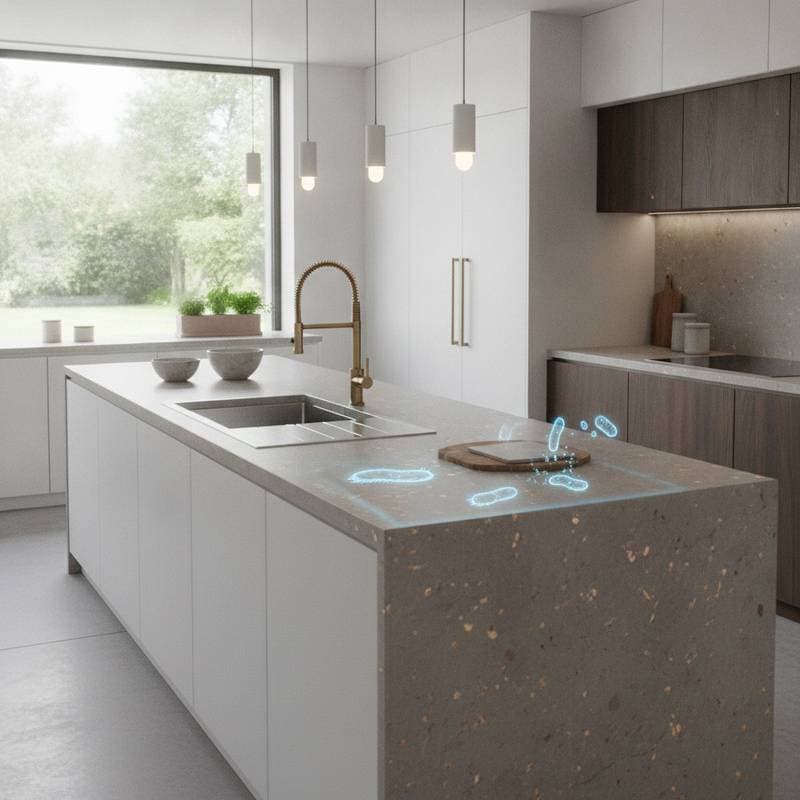
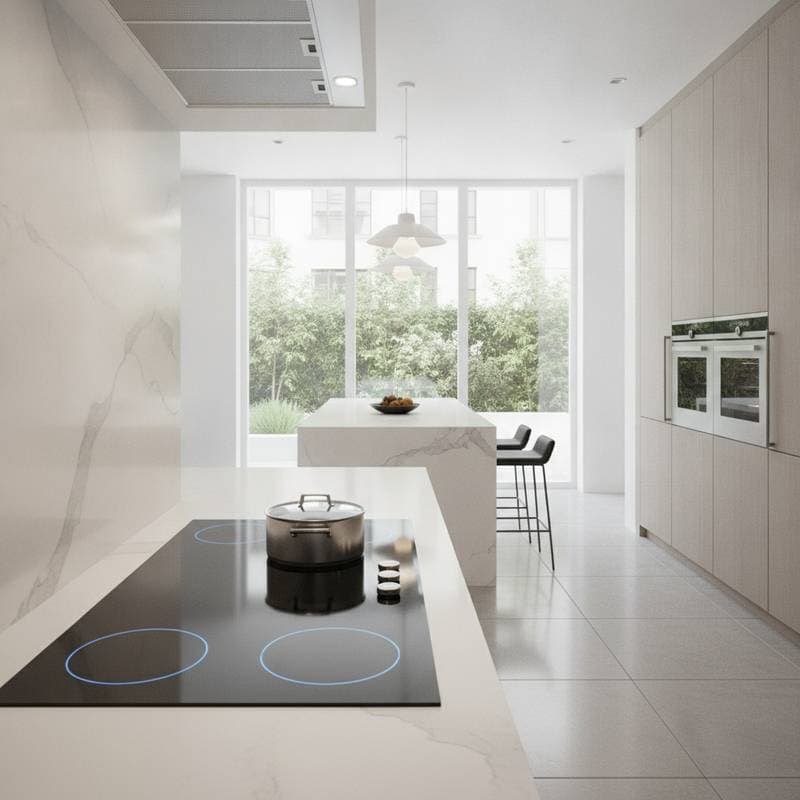
Japandi kitchens emphasize nature through authentic materials. European oak, bamboo, and ash wood provide subtle texture for cabinetry and flooring. Honed Carrara marble or soapstone countertops offer a cool contrast to the wood's inherent warmth. Norm Architects refers to this as “tactile minimalism,” where surfaces encourage interaction while preserving visual tranquility. This approach aligns seamlessly with Japandi principles.
2. Muted, Grounded Palettes
Colors in a Japandi kitchen remain subtle and alive. Dominant hues include parchment, sand, charcoal, and graphite, occasionally highlighted by soft greens or blues drawn from moss and stone. A wall painted in Benjamin Moore’s “Revere Pewter” pairs well with cabinetry in Farrow & Ball’s “Treron,” fostering a gentle dialogue between warm gray and earthy green. These selections promote tranquility and expand the perception of space in compact areas.
3. Functional Minimalism in Layout
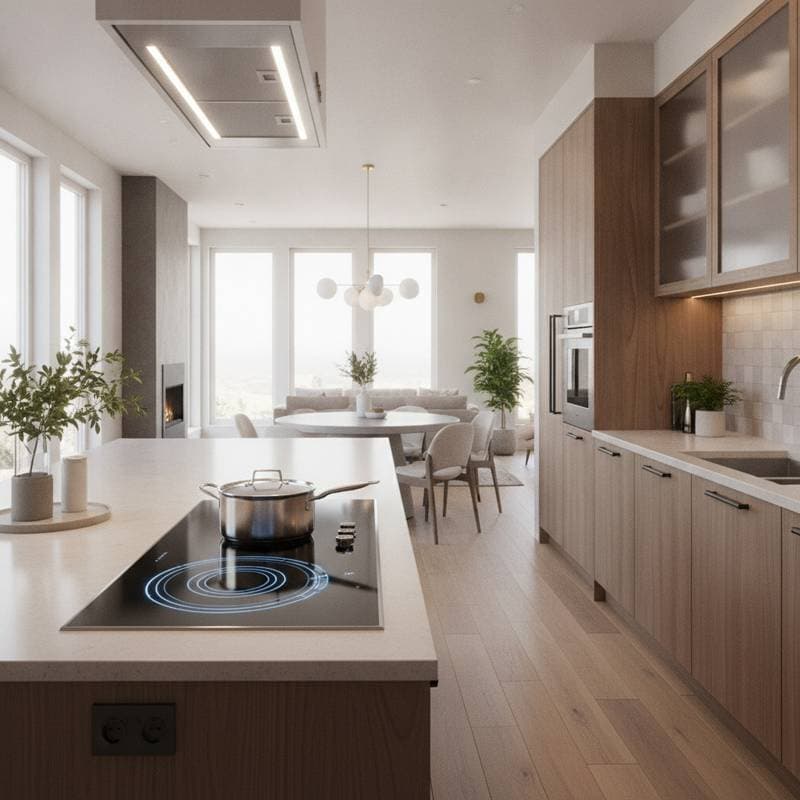
Japandi kitchen layouts follow the tenet of efficiency via simplicity. Lisa Sherry of Lisa Sherry Interieurs likens it to “a choreography of quiet movement.” Storage hides behind seamless cabinetry, appliances integrate smoothly, and work areas follow intuitive paths without drawing undue focus. A pale oak island serves dual purposes as a social center and operational core. Each drawer and cabinet fulfills a specific role, reducing visual clutter.
4. Open Shelving with Restraint
Scandinavian influences often feature open shelving, but Japandi applies measured control. Floating shelves in elm or walnut hold select items, such as handmade ceramic bowls, a lone vase, or folded linen napkins. The arrangement appears intentional yet effortless. Koichi Takada, an architect, views this discipline as “leaving space for the eye to rest,” capturing the style's inherent emotional repose.
5. Soft Lighting and Natural Illumination
Lighting shapes the ambiance in profound ways. Japandi kitchens employ layered, gentle sources. Pendant fixtures with opal glass or linen shades cast a soft diffusion, while under-cabinet LEDs accentuate precise lines. Natural daylight, softened by linen curtains or shoji-inspired panels, holds primary importance. The aim focuses on equilibrium rather than intensity. Ayaka Sato, a lighting designer, suggests dimmable options that transition from functional illumination to soothing ambiance, accommodating both preparation and contemplation.
6. Handcrafted Touches
Within minimalism's structured framework, artisanal elements infuse vitality. Hand-thrown pottery, rattan-woven stools, or Heath Ceramics backsplash tiles introduce delicate variations. These details represent not defects but traces of human creation. They add layers of sentiment and link the kitchen to enduring traditions of skilled workmanship.
7. Integration of Nature
Greenery contributes subtly yet essentially. A eucalyptus sprig in a plain vase, a bonsai near the window, or herbs in modest clay pots inject vitality and subtle motion. Foliage tempers the sharp angles of cabinetry and stone, strengthening ties between routine tasks and the outdoors. This harmony with nature underpins both Japanese and Scandinavian design foundations.
8. Textures that Tell a Story
Surfaces in a Japandi kitchen enhance sensory engagement. Oak's grain, marble's chill, limewash plaster's matte quality on walls, and linen's weave combine to build dimension. Texture substitutes for decoration. Tine K Home, an interior designer, terms this “quiet luxury,” illustrating how varied tactility elevates unadorned forms.
9. Sustainable Design Choices
Sustainability forms a core aspect of Japandi thinking. Choices favor natural substances, robust finishes, and enduring forms for extended use. Bamboo, reclaimed wood, low-VOC paints, and efficient appliances integrate naturally into the vision. The kitchen thus honors its users and the planet alike.
10. Balanced Proportions and Negative Space
A hallmark of the Japandi kitchen lies in its handling of negative space. Unoccupied zones receive equal consideration to occupied ones. This equilibrium between presence and absence generates visual cadence and peace. Restraint permits materials and light to shine prominently. The space feels airy yet inviting, pared down but welcoming.
The Emotional Dimension of Design
Japandi kitchens extend beyond sleek contours and neutral shades to foster psychological comfort. They promote presence in the moment. Clutter's removal clears the mind, while natural materials anchor perception. Everyday actions gain deliberate quality.
This depth sets Japandi apart from basic minimalism. The style refines existence rather than diminishes it. Details enhance ease and solace, cultivating a profound sense of place.
Creating Your Own Japandi Kitchen
To adapt this aesthetic to personal surroundings, focus on intentionality. Reflect on kitchen usage patterns and sources of tranquility. The effort centers on mindset toward environment and habits rather than imitation.
- Start with Decluttering: Eliminate unnecessary items. Retain only essentials that provide utility or subtle joy.
- Choose Natural Materials: Select wood, stone, and clay options. Steer clear of glossy synthetics.
- Refine the Palette: Pick three to four nature-inspired shades. Soft gray, pale oak, and warm white form a stable base.
- Prioritize Function: Base layout on storage needs and movement flow. Concealed appliances and handle-free doors sustain serenity.
- Layer Light Thoughtfully: Blend general, focused, and highlight sources for consistent warmth.
- Bring in Texture: Incorporate linen accents, ceramic containers, and basket weaves to balance rigidity.
- Add Greenery: Introduce low-maintenance plants like rosemary or pothos to elevate atmosphere.
Embracing Patina and Personalization
Japandi kitchens reveal their character gradually. Materials gain character through use: wood warms in hue, marble acquires faint traces, ceramics bear light imprints. This progression enriches the narrative.
Personalization ensures uniqueness. Incorporate a bespoke walnut board from a nearby craftsman or a artisan-made pendant from Japanese traditions. Such additions tailor the space and celebrate creation.
Cultivating Daily Serenity
A Japandi kitchen counters disorder effectively. It invites awareness, assigns purpose to objects, and welcomes tactile interaction. Routines evolve into nurturing practices. The design persists through its sincerity, utility, and humanity.