The 2025 Gas Ban: Induction Zones Reshape Kitchens
Significant changes are underway in kitchen design due to the 2025 gas ban. This regulation is transforming home cooking by promoting induction zones as the preferred alternative to traditional gas stoves. Drawing from years of experience designing kitchens for television productions and families, the author observes that this transition extends beyond compliance to foster innovation in safety, efficiency, and aesthetics.
The shift to electric induction introduces healthier, more efficient spaces aligned with future-oriented lifestyles. Induction systems integrate seamlessly into various designs, and their adoption is accessible across different budgets.
Why Induction Zones Are Taking Over
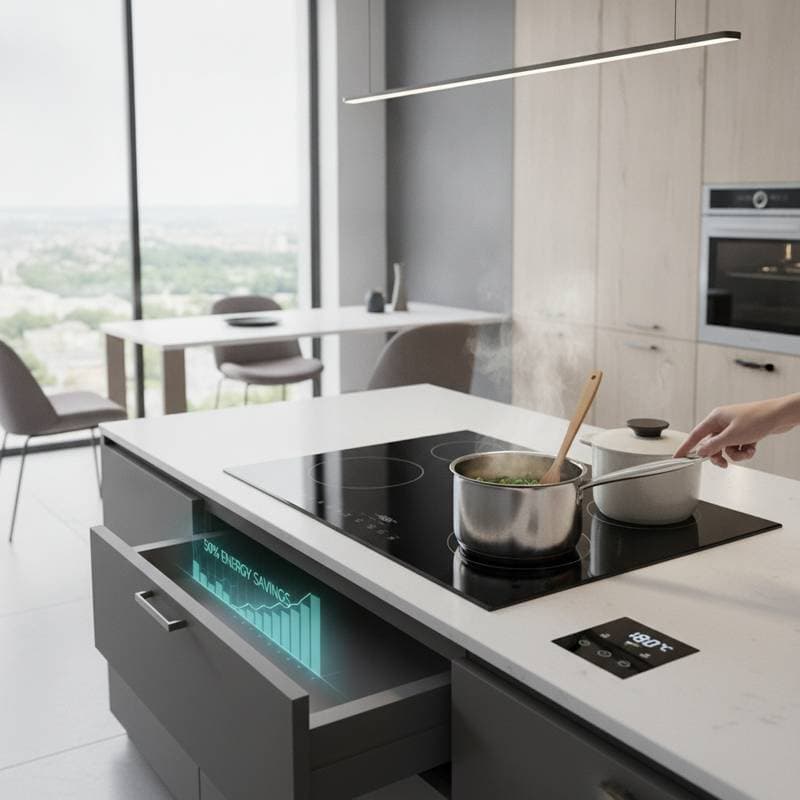
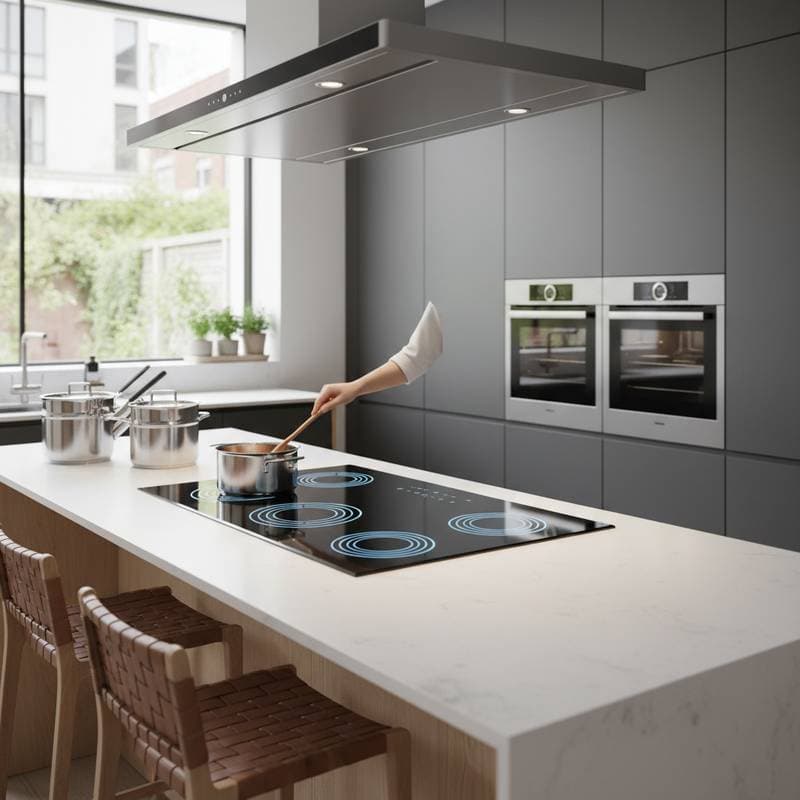
Induction cooking employs electromagnetic fields to heat cookware directly, bypassing the surrounding air. This method results in faster boiling, consistent temperatures, and a cooler kitchen atmosphere.
Key advantages include the following:
- Speed: Water reaches a boil in approximately half the time required by gas stoves, ideal for time-constrained households preparing quick meals.
- Safety: The cooktop surface remains cool, as heat transfers solely to compatible pans, reducing risks of burns or damage to nearby items.
- Efficiency: Nearly all energy converts to cooking heat, leading to lower electricity costs and reduced environmental impact.
- Easy Cleaning: The smooth glass surface allows for quick wiping, eliminating the need to clean around grates or burners.
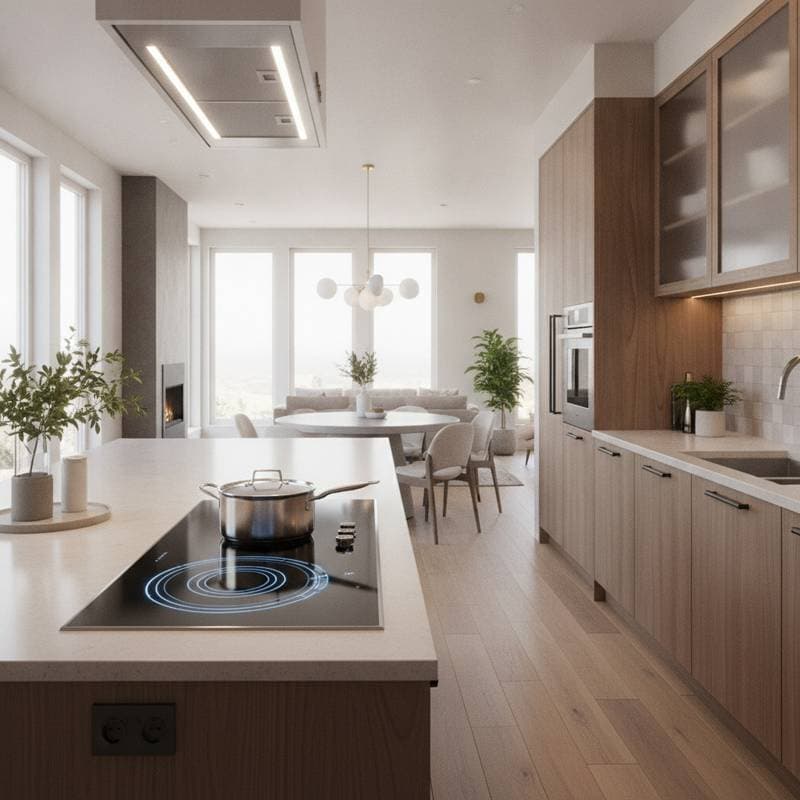
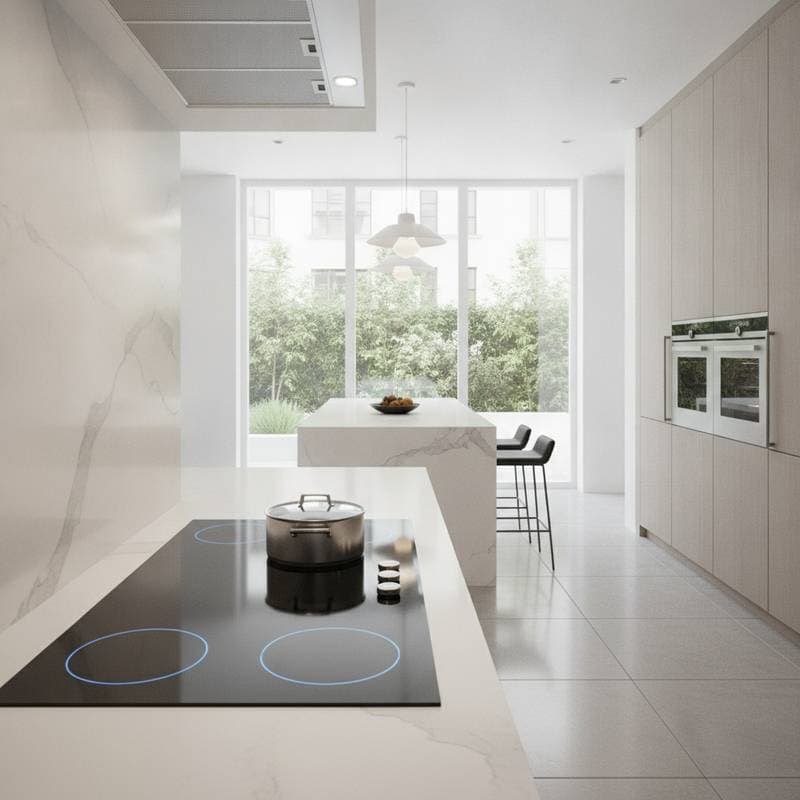
- Sleek Design: Induction zones blend into countertops, creating a modern, streamlined appearance without visible elements.
For those accustomed to gas flames, induction represents an enhancement in control and precision, favored by professional chefs for its reliability.
Budget-Friendly Options for Every Home
Induction technology is available at various price points, ensuring accessibility for diverse households. Consider these categories based on investment level:
Low Budget (Under $300):
- Portable induction burners offer compact, high-performance solutions from brands such as Duxtop and Hamilton Beach.
- These units suit renters or small spaces, requiring only a standard electrical outlet for operation.
Mid Budget ($500-$1500):
- Slide-in induction ranges integrate oven and cooktop functions, with options from Whirlpool, GE, and Frigidaire featuring multiple zones.
- They provide a straightforward replacement for gas stoves, often without extensive renovations.
High Budget ($2000 and Up):
- Built-in cooktops with flexible zones allow merging areas for oversized cookware, from brands like Bosch, Miele, and Samsung.
- Advanced models include smart controls and compatibility with materials such as stone or quartz.
Each option balances performance with visual appeal, making induction a versatile choice.
Innovation in Materials and Function
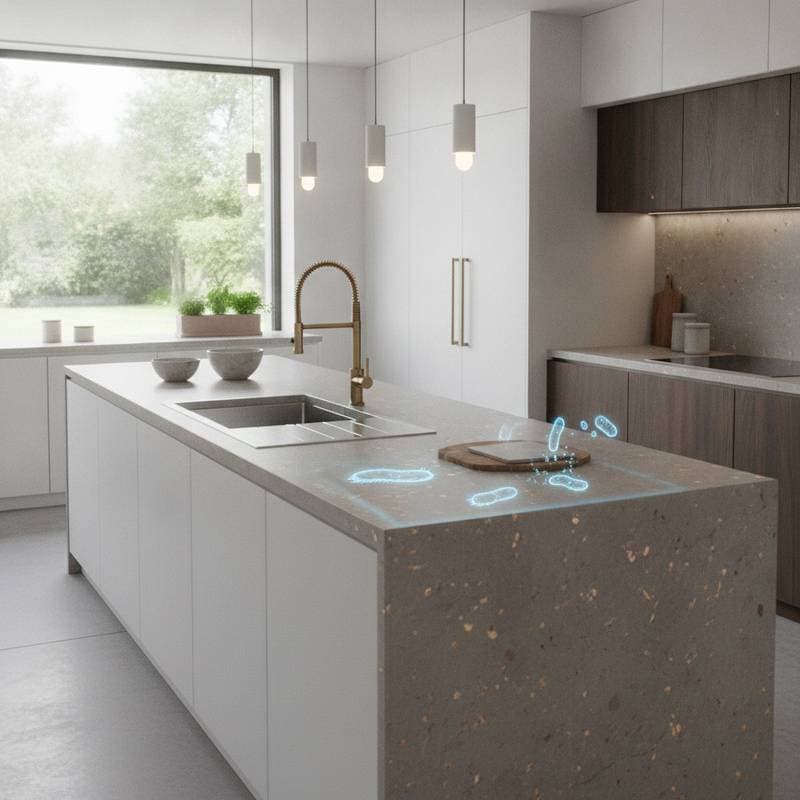
Advancements in induction have spurred developments in materials and layouts. Flush-mounted cooktops now integrate directly into countertops, maintaining a uniform surface. Innovations like invisible induction position the heating elements under thin porcelain, enabling cooking on the countertop itself.
These changes also affect ventilation. With reduced heat and emissions from induction, compact hoods or integrated downdraft systems suffice, allowing more room for elements like open shelving or lighting fixtures.
Designers gain greater flexibility to customize kitchens based on user needs rather than equipment limitations, exemplifying practical innovation.
Health and Environmental Benefits
Beyond regulatory drivers, the transition from gas addresses health concerns. Gas stoves emit nitrogen dioxide and other pollutants that compromise indoor air quality. Induction cooking avoids these emissions entirely.
This proves particularly beneficial for households with children or individuals sensitive to respiratory irritants, creating safer, more comfortable environments. The lower ambient heat further enhances usability.
Environmentally, induction pairs effectively with renewable sources like solar or wind power, enabling fully sustainable cooking processes and supporting long-term ecological goals.
Business and Professional Opportunities
The gas ban creates avenues for designers and entrepreneurs in the kitchen industry. Manufacturers are developing enhanced induction products, including specialized cookware and integrated sensors. Builders are adapting layouts to prioritize these systems.
Professionals should familiarize themselves with induction specifications to advise clients on flexible designs, innovative materials, and efficiency improvements. Collaborations with developers, such as those creating dual-purpose surfaces for cooking and preparation, can differentiate services.
This shift positions the ban as a catalyst for leadership in kitchen innovation rather than a constraint.
Overcoming Common Concerns
A primary worry involves cookware compatibility; however, many existing pieces work with induction. Test pans by checking if a magnet adheres to the base, indicating suitability for cast iron, stainless steel, or certain nonstick varieties.
For incompatible sets, begin with targeted replacements from brands like IKEA, Cuisinart, or T-fal, which offer cost-effective induction-compatible options.
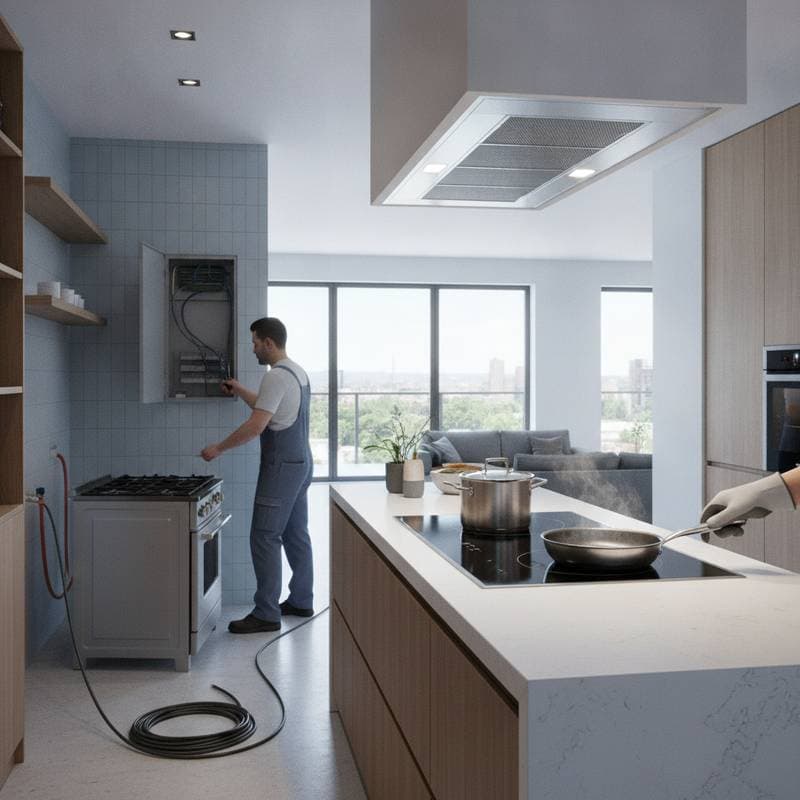
Electrical upgrades may concern older homes, but most contemporary kitchens support induction ranges. A qualified electrician can assess and update wiring efficiently, often at minimal cost.
Living with Your Induction Kitchen
Adapting to induction reveals its precision in temperature management, elevating even routine cooking tasks like melting chocolate or searing proteins. The responsive controls provide professional-level results.
Maintenance requires little effort; a damp cloth and gentle cleaner suffice to preserve the surface. This simplicity contrasts with the upkeep of gas components.
Induction contributes to a serene kitchen ambiance, free from flames or ignition sounds, and adapts well to various living situations, from compact urban dwellings to expansive homes.
Steps to Transition to Induction
To implement induction, evaluate your cooking routines and available space first. Select a model type—portable, slide-in, or built-in—that aligns with your needs and layout.
During renovations, incorporate eco-friendly elements such as bamboo cabinetry, recycled glass surfaces, or low-VOC finishes to enhance sustainability.
Tailor the design to personal preferences, whether for elaborate recipes or everyday meals. The 2025 gas ban facilitates the creation of efficient, secure, and aesthetically superior kitchens, embracing forward-thinking culinary spaces.