Induction Zones Bring Pro Cooking to Any Budget
Induction cooking is transforming modern kitchens by offering speed, safety, and sleek design. It replaces traditional gas ranges with options available at every budget level. This technology delivers energy efficiency, cleaner air, and precise control. From portable burners to full-surface systems, induction blends performance and sustainability.
How Induction Technology Works
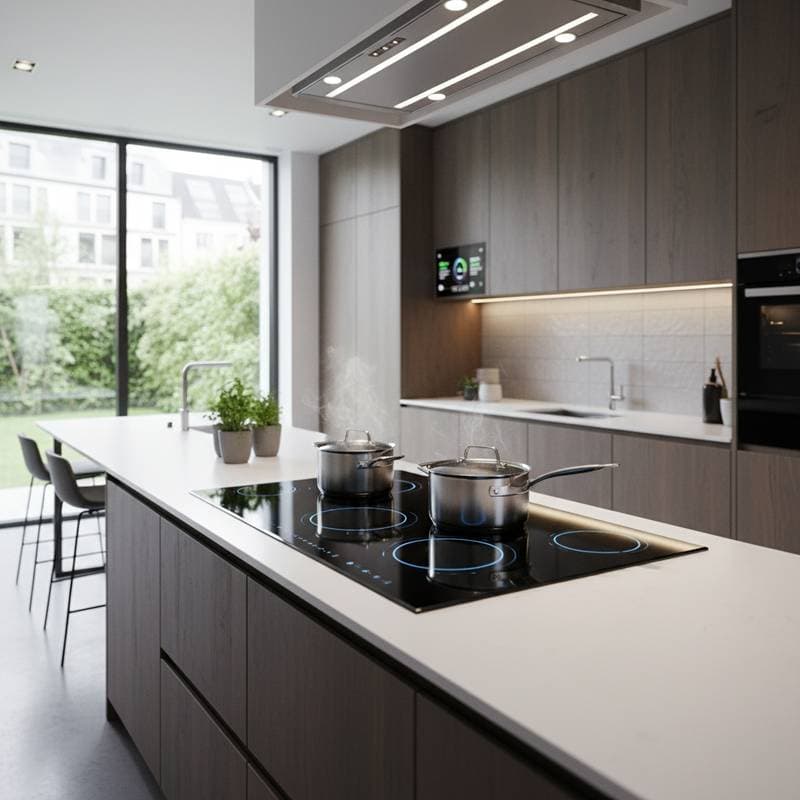
Induction cooking uses magnetic energy to heat cookware directly rather than the surrounding air. This approach produces faster heating, improved safety, and greater efficiency. No open flames appear, and no heat dissipates into the kitchen. Users gain instant temperature adjustments similar to gas while benefiting from the clean operation of electricity.
The surface remains relatively cool during use, which reduces burn risks and simplifies cleanup. Spills do not bake onto the cooktop because the heat concentrates only in the pan.
Budget Options for Induction Cooktops
Solutions exist across price ranges to accommodate different needs.
- Entry-level portable burners connect to standard outlets and suit apartments or temporary setups.
- Mid-range slide-in cooktops replace existing gas units and provide professional-level performance.
- High-end full-surface models allow flexible pot placement and include smart sensors for automatic adjustments.
Hybrid units combine induction zones with radiant elements to support various cookware types.
Design and Integration Benefits
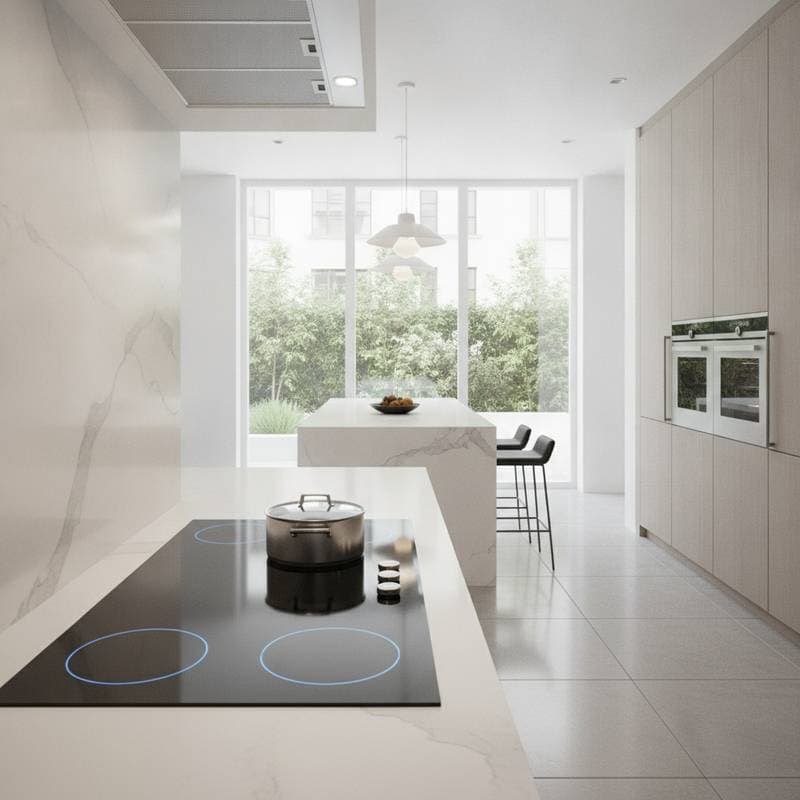
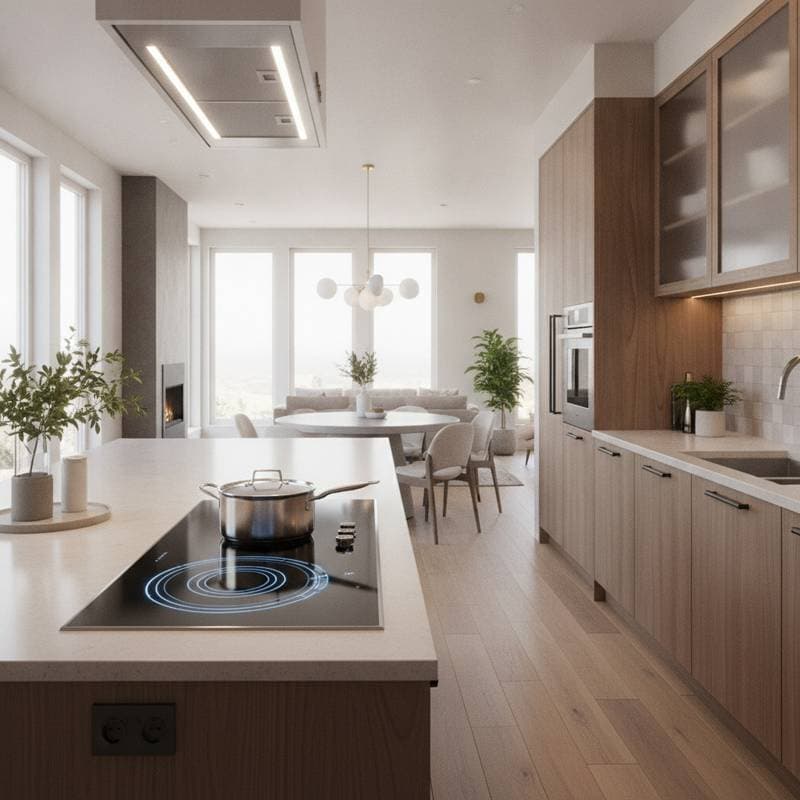
Induction cooktops feature a low profile that integrates seamlessly with countertops made of quartz, solid surface, or stainless steel. Flush installation creates continuous surfaces without raised edges. The flat glass or matte finishes support modern aesthetics while resisting stains.
Maintenance requires only a quick wipe because food residue does not adhere to a hot surface. This characteristic benefits households that value consistent appearance with minimal effort.
Health, Safety, and Efficiency Advantages
Gas ranges emit carbon monoxide and nitrogen dioxide during operation. Induction eliminates these emissions entirely and improves indoor air quality. The cooktop surface stays cooler, which adds protection around children and pets.
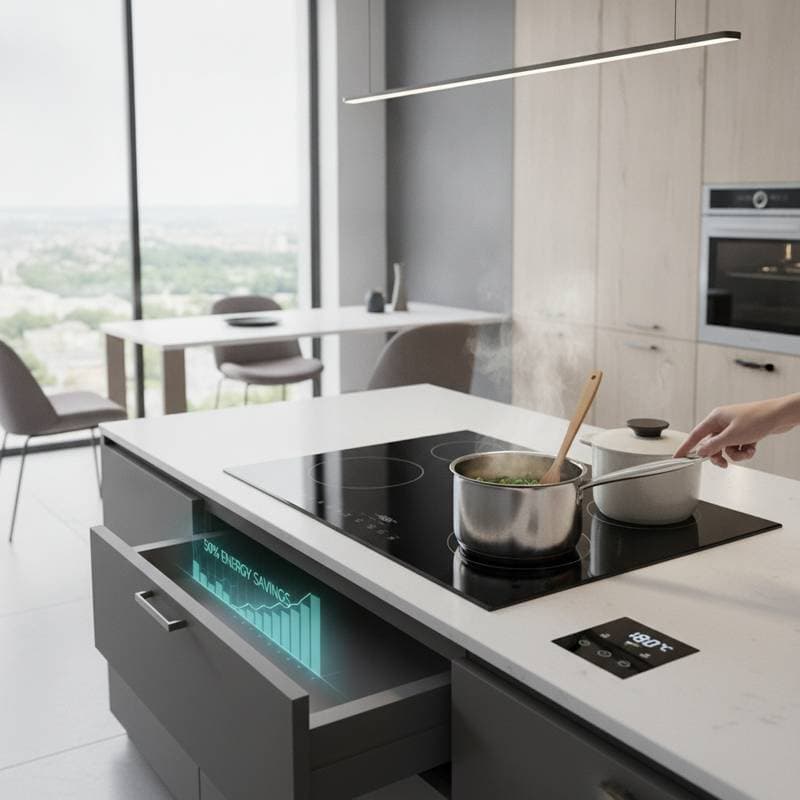
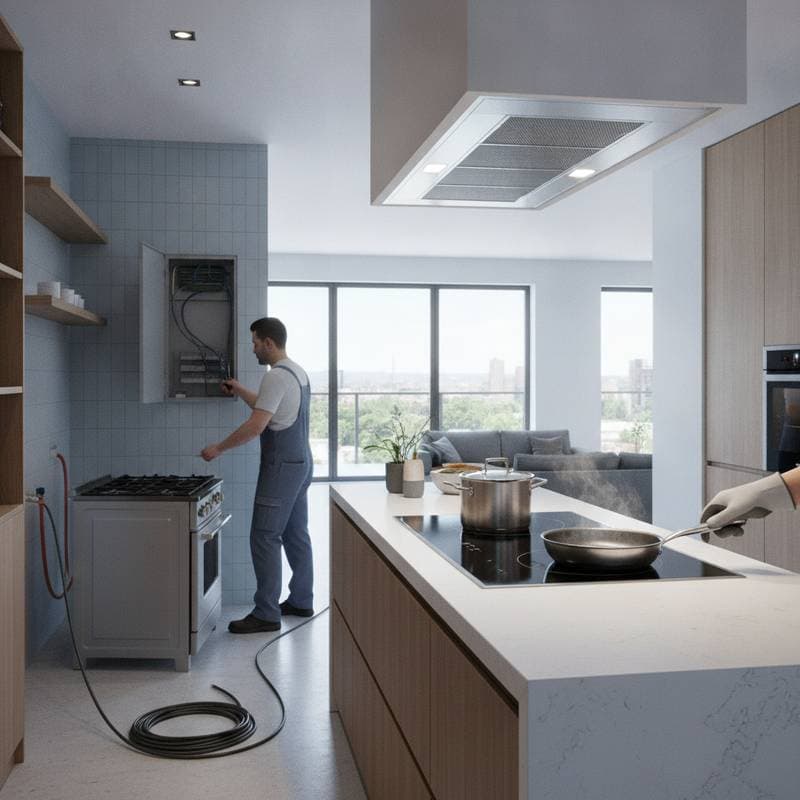
Energy conversion reaches approximately 90 percent efficiency with induction compared to less than 50 percent with gas. This difference reduces utility costs over time and supports electrification and renewable energy systems. Most homes accommodate induction with standard electrical upgrades verified by a licensed electrician.
Steps to Transition from Gas
Homeowners can follow these actions to adopt induction successfully.
- Test existing cookware with a magnet on the base to confirm compatibility.
- Verify electrical panel capacity and plan any necessary circuit additions.
- Measure the installation area and select a layout that matches counter dimensions.
- Choose finishes such as matte or stainless trim to minimize visible smudges.
- Arrange installation through certified professionals to ensure proper connections.
Once installed, the responsive controls and consistent results encourage continued use.
Applications Beyond Residential Kitchens
Commercial kitchens adopt induction for improved hygiene and reduced ventilation demands. Manufacturers develop modular surfaces suitable for compact spaces and outdoor installations. These innovations expand design possibilities for both homes and hospitality environments.
Daily Advantages After Installation
Induction delivers faster meal preparation, reduced energy consumption, and a consistently clean cooking area. The technology supports healthier indoor environments and flexible kitchen layouts. Starting with a portable unit allows users to experience the benefits before committing to a full replacement.