Overcoming Gas Bans Through Induction Kitchen Retrofits
Kitchens reflect lifestyles, serving as centers for cooking and connection. For years, gas stoves provided a familiar ritual with their visible flames. Now, with expanding gas bans and stricter building codes, homeowners and designers explore induction technology to maintain functionality while enhancing health and efficiency.
This transition exceeds mere compliance. Induction delivers precise control, seamless integration, and environmental benefits. Homeowners face the challenge of retrofitting existing spaces thoughtfully, preserving design while upgrading performance.
The Core Benefits of Induction Cooking
Induction heats cookware directly using electromagnetic fields. This method avoids the inefficiencies of gas flames or radiant elements, which lose heat to the air. Boiling water takes less time, temperature adjustments occur instantly, and the surface stays cool outside the pan area.
Interior designer Alexandra Priest of Studio AP Interiors calls induction quiet technology. The flush glass surface integrates into countertops, simplifying cleaning and reducing visual clutter. Homeowners gain a modern, low-maintenance cooking zone that supports diverse design styles.
Assessing Your Kitchen Infrastructure
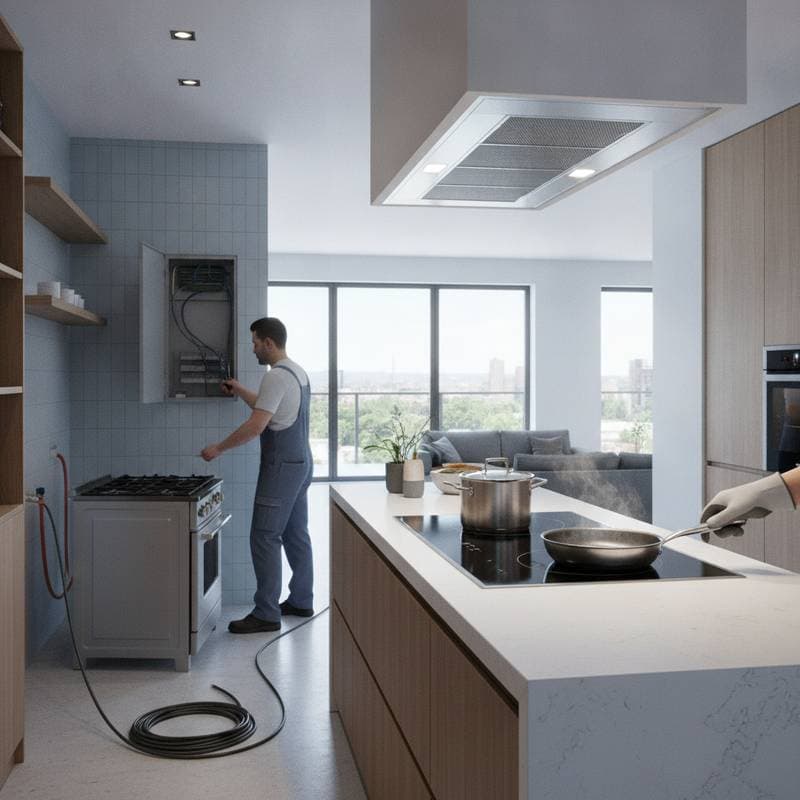
Start the retrofit by examining electrical capacity. Induction requires 30 to 50 amps on dedicated circuits, unlike gas setups that rely on fuel lines. Hire a licensed electrician to inspect your panel and identify upgrade needs.
Measure cabinetry for fit. Most induction units match standard gas range cutouts, though ventilation space and countertop compatibility require verification. In older homes, minor wiring or cabinet tweaks enable changes without major disruption. Contractors like James Holloway of Holloway Custom Kitchens emphasize precise measurements to avoid costly adjustments.
Selecting an Appropriate Induction Cooktop
Consider size, features, and aesthetics when choosing a model. Brands including Miele, Bosch, and Fisher & Paykel offer options from compact two-burner units to full five-zone cooktops. Select based on cooking habits and kitchen layout.
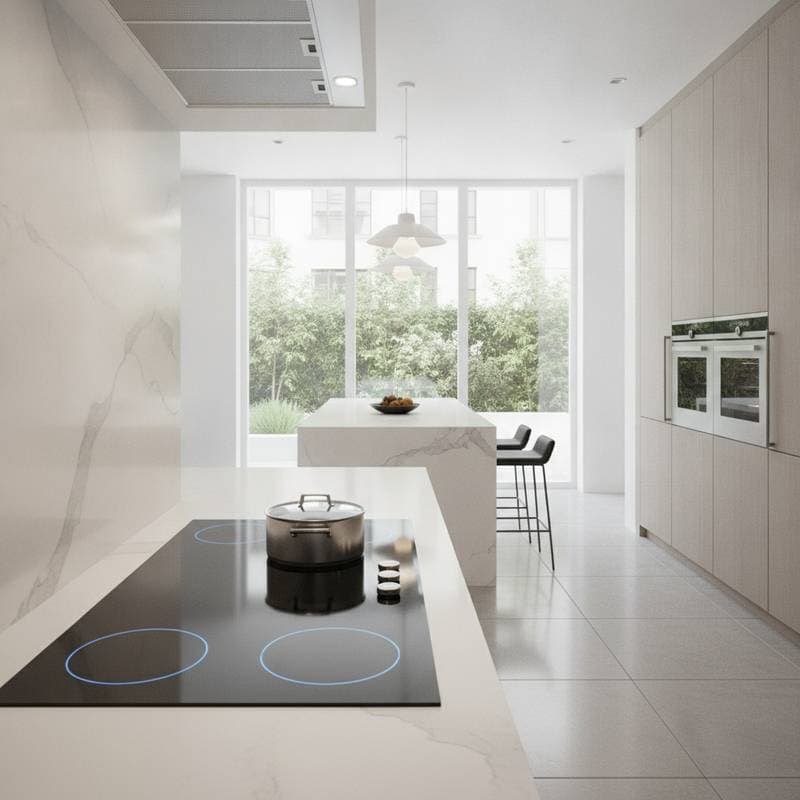
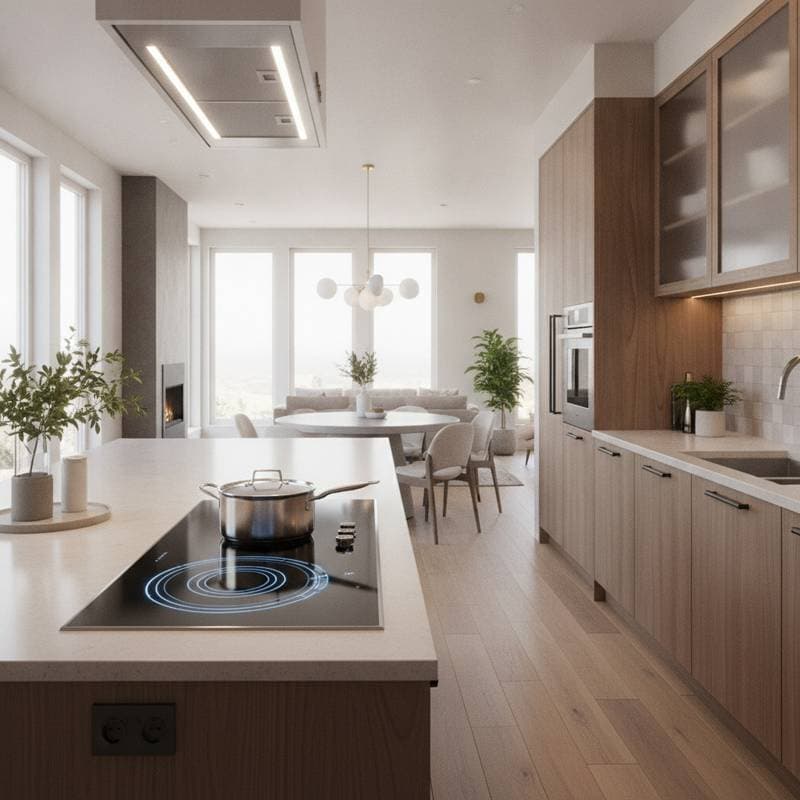
Match finishes to existing elements for harmony. Matte black glass suits marble or soapstone counters, while frameless designs align with quartz surfaces. Opt for integrated downdraft ventilation in open kitchens to maintain clean lines without overhead hoods.
Handling Electrical Upgrades and Installation
Electrical work forms the foundation of the switch. An electrician verifies voltage stability, adds breakers, and ensures proper grounding to prevent performance issues. Induction sensitivity to power variations demands professional handling.
For built-in installations, adjust cabinets as needed. Fabricators can add panels or modify drawers for a cohesive appearance. Lauren Chen of Atelier Luma Design stresses collaboration between electricians and carpenters. She notes that alignment with countertops and cabinets makes the upgrade appear original.
Addressing Ventilation and Air Quality
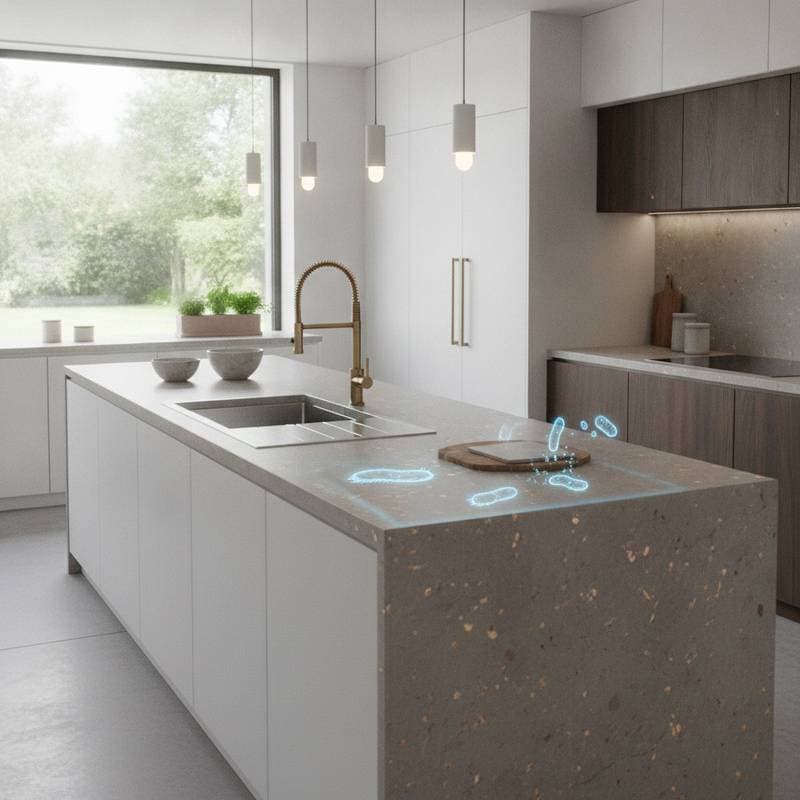
Induction eliminates combustion byproducts like nitrogen dioxide and carbon monoxide, improving indoor air. Without flames, odors dissipate quickly, creating a healthier cooking environment.
Reevaluate ventilation options. Install slim downdraft systems or recirculating hoods to replace bulky units. This frees space for additional storage or design features, such as extended backsplashes or open shelving, enhancing overall kitchen flow.
Ensuring Cookware Compatibility and Maintenance
Use ferromagnetic materials like stainless steel or cast iron for induction. Test pans with a magnet; non-compatible items, such as aluminum, require replacement.
Care involves wiping the glass with a soft cloth and mild cleaner, as spills do not burn on. Specify durable Schott Ceran glass for scratch resistance in busy kitchens. This approach keeps the surface looking new over time.
Blending Induction with Kitchen Design
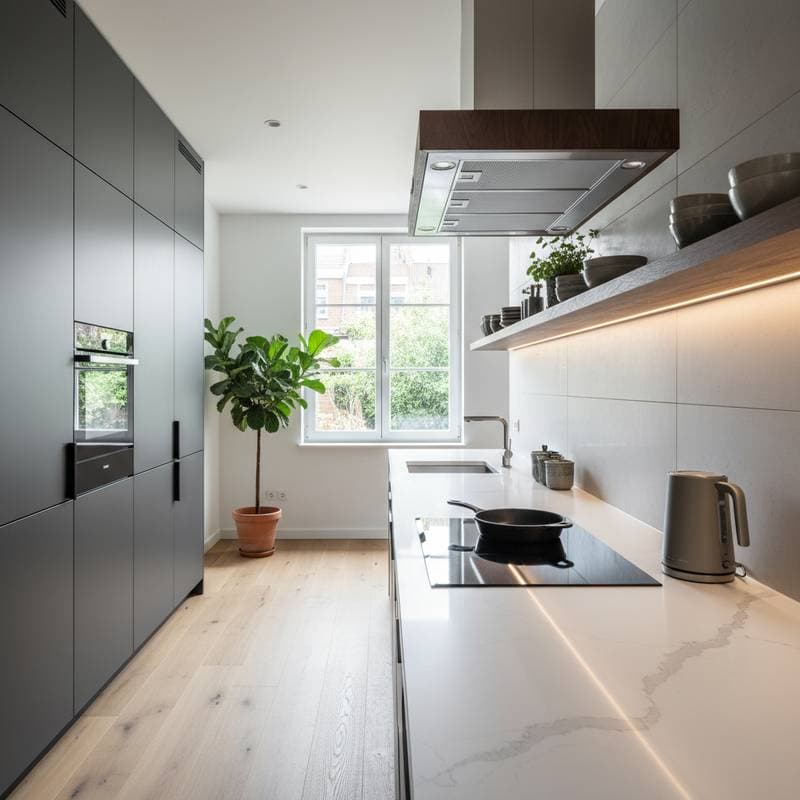
Induction enhances visual appeal across styles. In modern spaces, black glass flush-mounts pair with white quartz for clean lines. In traditional settings, combine with wood counters and brass hardware for balanced contrast.
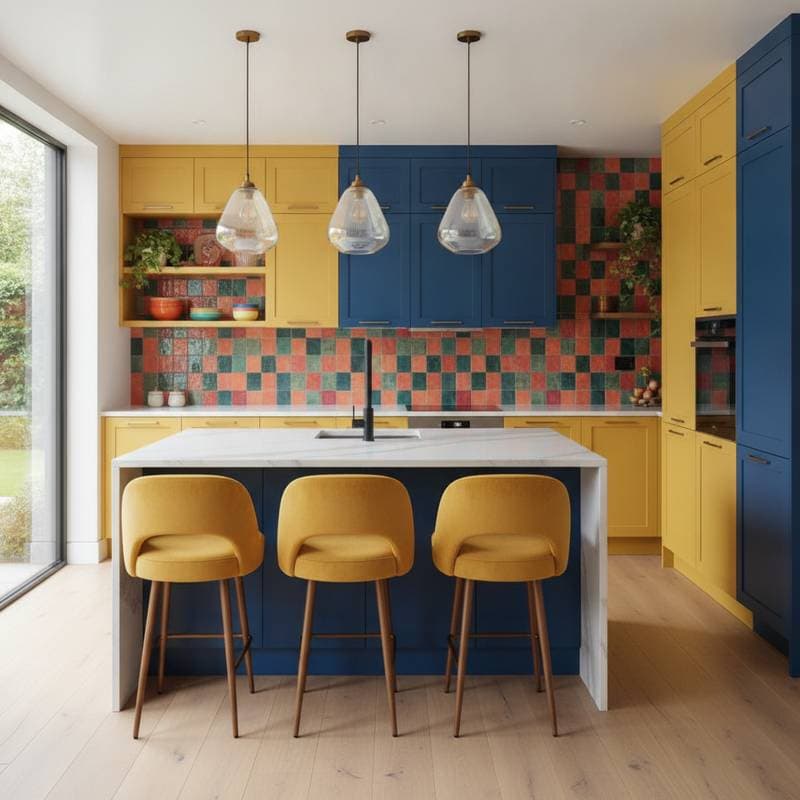
Incorporate lighting to showcase the surface. Use LED under-cabinet strips or pendants to highlight reflections. For bold palettes, select cabinet colors like Benjamin Moore Wrought Iron to complement the cooktop's depth.
Achieving Energy Efficiency and Cost Savings
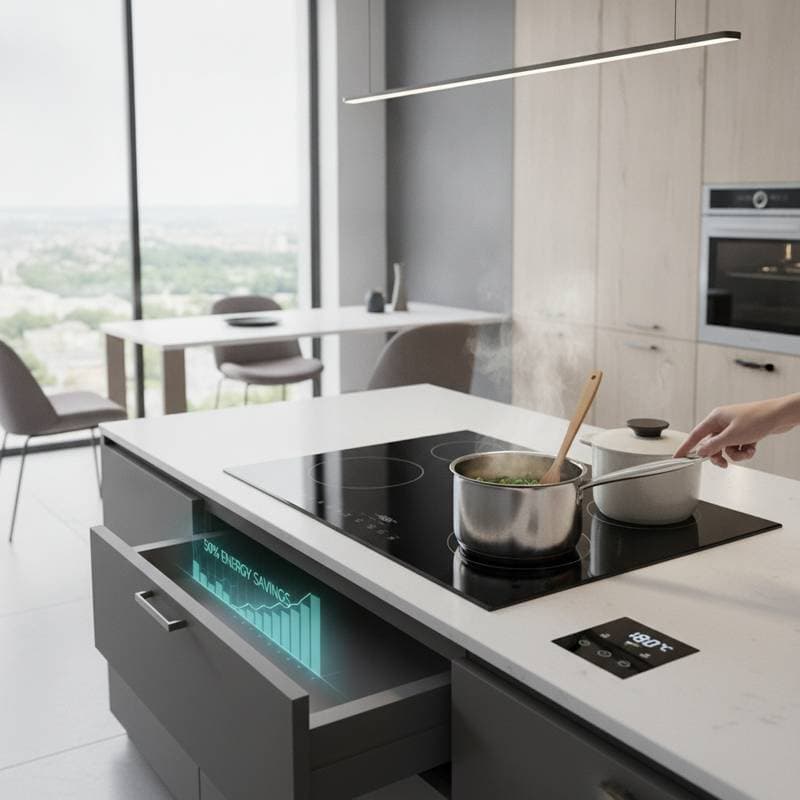
Induction uses up to 90 percent of energy for heating, far surpassing gas efficiency. Lower bills result, along with reduced kitchen heat that cuts air conditioning needs.
Ethan Marks of Greenline Electrical Solutions observes quick consumption drops post-installation. Users appreciate the rapid response and control, minimizing waste and improving cooking outcomes.
Navigating Rebates and Regulations
Gas bans often come with incentives from utilities and governments. Rebates cover appliance costs or electrical work; check eligibility through local programs.
Pair induction with solar panels for added benefits in supportive regions. This setup supports carbon-neutral operations. Integrate these into renovation plans for financial and ecological gains.
Adapting to Flame-Free Cooking
Gas users may miss the visual flame at first. Induction shifts focus to precision, with a subtle hum and immediate heat response fostering new routines.
This change promotes calm. Without distractions, attention turns to ingredients and techniques, making kitchens safer and more intuitive.
Realizing the Full Retrofit Potential
Induction retrofits upgrade beyond equipment. They align spaces with sustainability while retaining character.
Careful execution yields fresh air, seamless surfaces, and efficient workflows. Homeowners enjoy innovative yet familiar environments that elevate daily life.