Gas Bans Usher in the Induction Kitchen Era
In cities and regions with expanding gas restrictions, the familiar hum of open flames gives way to the quiet precision of magnetic energy. Induction kitchens emerge as both design statements and technological advancements. Where gas once stood for culinary authority, induction now embodies control, cleanliness, and mindful energy use. This transition extends beyond regulations; it shapes culture, aesthetics, and sensory experiences.
Architects, designers, and homeowners find that this evolution in kitchen design involves refinement rather than compromise. Subtle glass-ceramic cooktops shimmer softly, while advanced ventilation systems operate with minimal noise. Induction transforms how kitchens appear, feel, and perform.
1. Precision as Performance
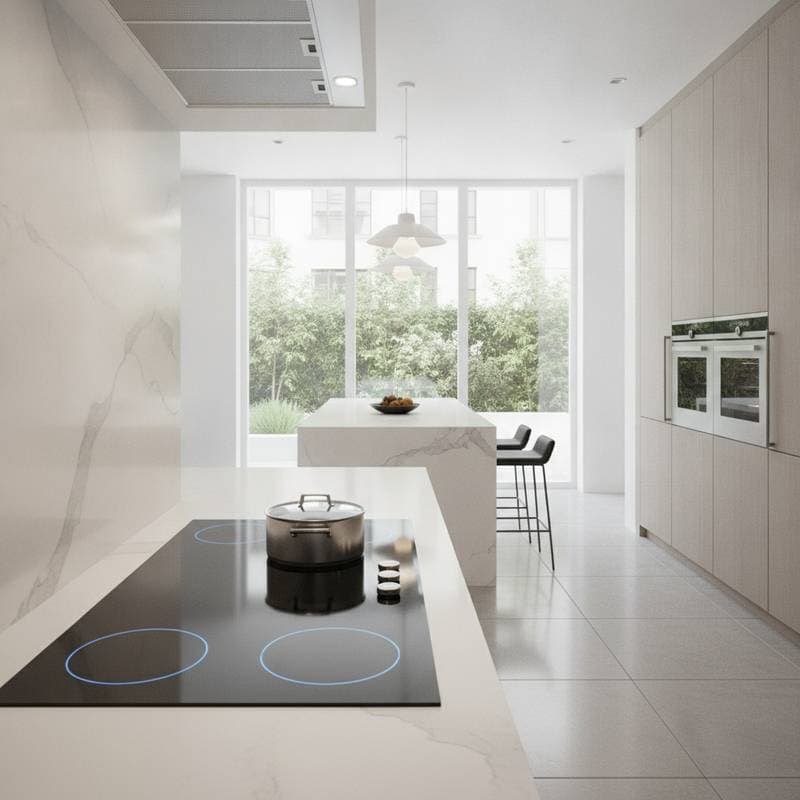
Induction cooking uses electromagnetic fields to heat cookware directly, bypassing the cooktop surface for near-instant response. This technology allows precise temperature control, ideal for intricate recipes. Designer Laura Kim of Atelier K calls it a choreography of temperature and timing. She incorporates flush-mounted Miele cooktops into honed marble islands to preserve seamless visual lines.
Such precision shapes kitchen layouts. Without intrusive gas lines or prominent ventilation hoods, spaces adopt open, sculptural forms. This approach supports minimalist and contemporary styles, where uninterrupted sightlines matter most. Homeowners gain flexibility to experiment with island configurations that enhance workflow.
2. The Elegance of Simplicity
Induction surfaces offer visual restraint that fosters spatial tranquility. Fernando Ruiz of Studio Ru selects the Gaggenau CX 492 for its uniform black glass, which recedes when idle. He explains that it allows surrounding materials to shine. In his designs, European oak cabinetry and matte limestone counters draw the eye.
This neutrality highlights texture and proportion. Without protruding knobs or grates, attention shifts to tactile elements like brushed bronze hardware or oiled walnut panels. In open-plan homes, the cooktop integrates silently, supporting a cohesive environment. Designers recommend pairing it with clean lines to amplify overall serenity.
3. Cleaner Air, Quieter Kitchens
Gas bans address indoor air quality concerns, as combustion releases nitrogen dioxide and particulates that impact respiratory health. Induction eliminates these emissions entirely, promoting fresher interiors. Reduced heat from absent flames enables compact or hidden ventilation solutions.
Integrated downdraft units or slim ceiling hoods preserve clear sightlines. The soft hum of induction replaces gas roars, creating composed atmospheres. This suits wellness-focused families and noise-sensitive spaces. To optimize, position ventilation near high-use areas for efficient air capture.
4. Material Harmony in the Modern Kitchen
Induction pairs well with materials that echo its sleek profile, such as honed stone, matte lacquers, and natural woods. The aim is balanced integration over stark contrasts. In a Studio Lark Interiors project, a Fisher & Paykel induction range blends into warm gray quartzite, reflecting light like calm water.
Cabinetry in Farrow & Ball Pavilion Gray complements the stone's subtle hues. Recessed LED strips under floating shelves illuminate the setup without harsh glare. This arrangement feels modern and inviting. Select materials with similar sheen levels to avoid visual discord.
5. Energy Efficiency and Future Readiness
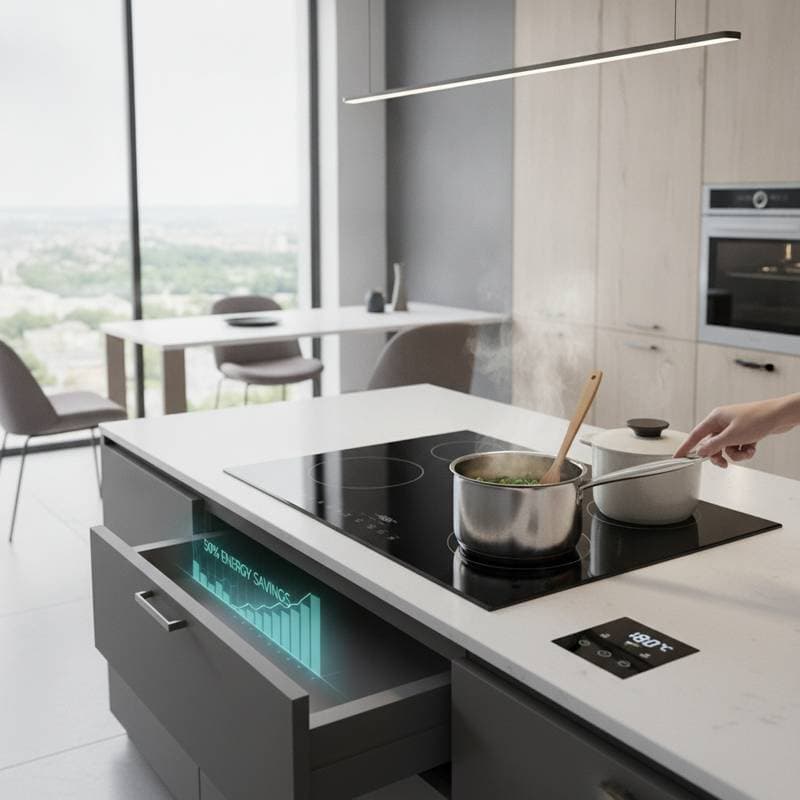
Induction converts about 90 percent of energy into cooking heat, far surpassing gas's 50 percent efficiency. This leads to quicker cooking and less waste. As renewable energy powers more grids, induction supports sustainable practices.
Firms like Jensen Studio Architecture view it as future-proofing. Mara Jensen notes that clients value its role in resale and compliance. Installation simplifies without gas lines, freeing space for ergonomic storage. Upgrade electrical panels early to accommodate demands.
6. Relearning the Ritual of Cooking
Shifting from gas requires adapting to induction's responsive controls, which feel intuitive after initial use. Water reaches boil in seconds, sauces simmer steadily, and chocolate melts evenly. Chef Daniel Ortiz, a kitchen design consultant, terms it precision with grace.
He favors All-Clad stainless steel and Le Creuset enameled cast iron for optimal results. The lack of visible flame shifts focus to timing, scents, and textures. This fosters contemplative cooking. Practice with simple dishes to build confidence.
7. Integration and Invisible Design
Seamless induction setups blend into countertops through flush mounting and hidden controls. Brands like BORA and NEFF offer models with built-in downdraft, removing overhead hood needs. Hannah Clark of Form Studio crafts islands that resemble furniture.
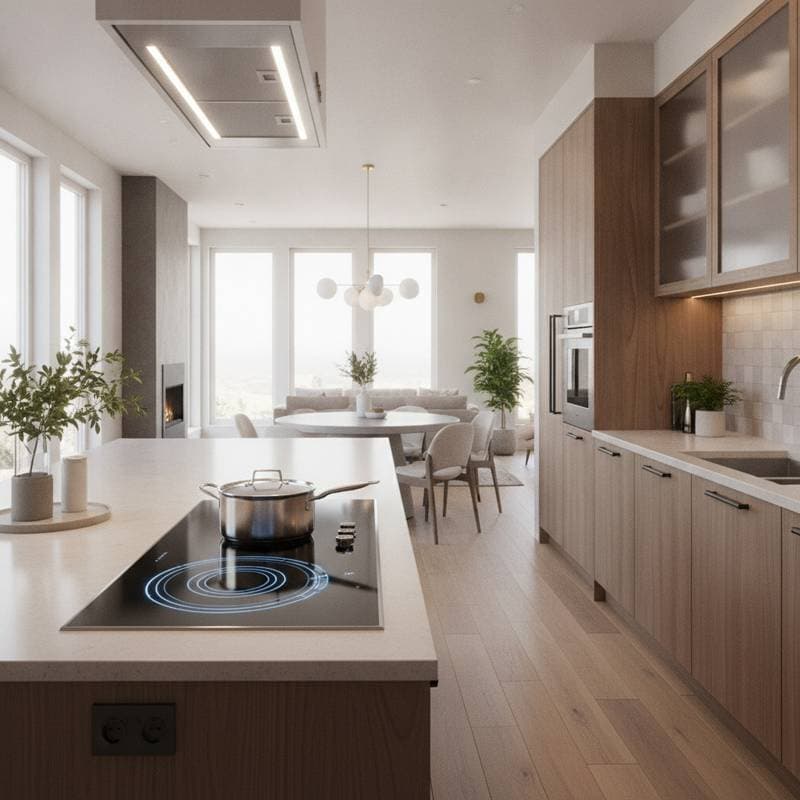
In one design, a dark graphite Fenix NTM surface hides the zone until LED rings activate upon use. This creates a subtle, engaging effect. Such discretion fits multipurpose spaces used for socializing or working. Align controls with surrounding hardware for uniformity.
8. Aesthetic Freedom and Color Exploration
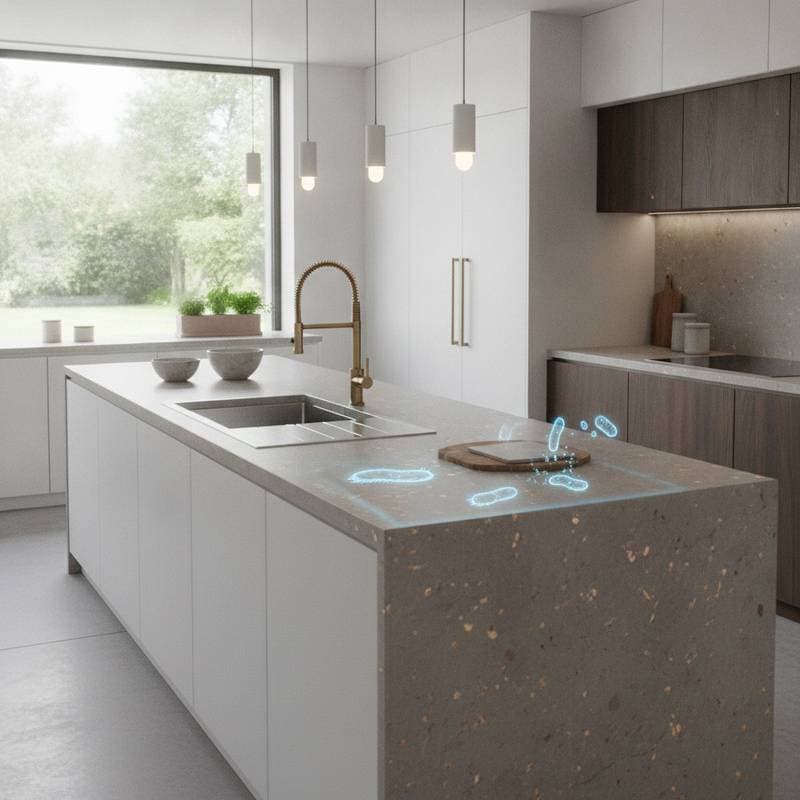
Manufacturers now provide induction options in white, graphite, and mirrored finishes beyond black glass. These expand coordination possibilities. For a coastal home by Tessa Rowe of Atelier Meridian, a Smeg white cooktop tops pale terrazzo counters with shell flecks.
The setup evokes lightness, paired with Benjamin Moore Seapearl walls and rattan details. Darker tops anchor bright rooms, while light ones boost illumination. Use the surface to reflect desired tones. Test samples in natural light to confirm harmony.
9. Conversion Strategies for Existing Homes
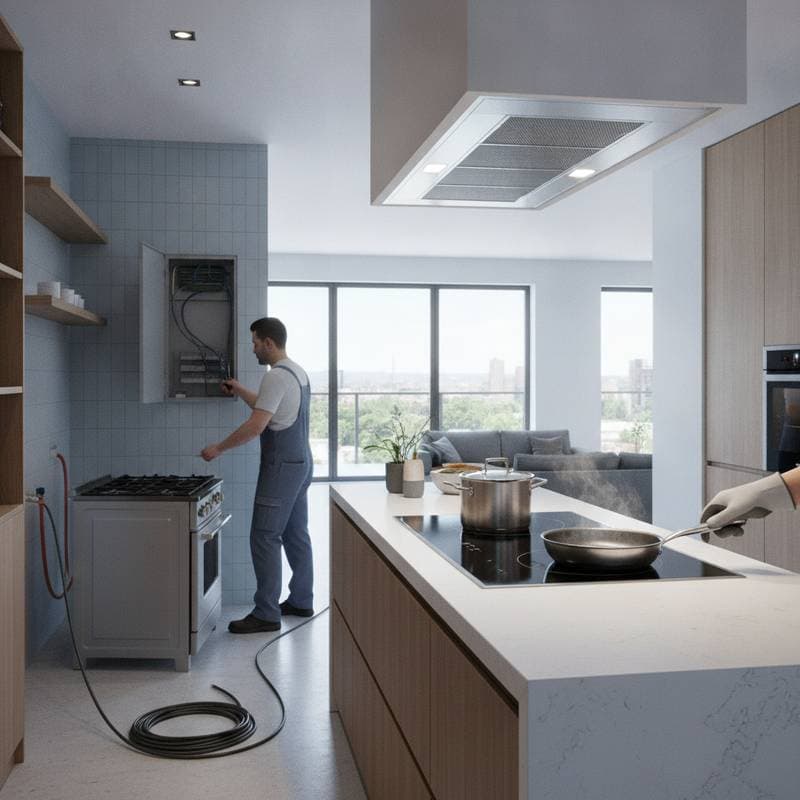
Older homes often need electrical upgrades for induction, including 240-volt outlets and circuit assessments by licensed electricians. This may require wiring updates or cabinet adjustments. View conversions as renovation chances to enhance storage.
Removing gas lines allows drawer expansions or recycling integrations. Pair with countertop refreshes for cohesion. Portable units or hybrid models from manufacturers ease trials. Consult professionals to map costs and timelines.
10. Cultural Shift Toward Conscious Cooking
Induction redefines cooking as precise and responsible, moving from gas's symbolic power. It aligns with trends in clean energy and mindful living. Professional kitchens adopt it for control and hygiene; homes value safety for families.
The cool, flat surface offers extra prep space. In hospitality, it enables quiet tableside service. This evolution elevates daily rituals. Embrace it to join a movement blending innovation with tradition.
Experiencing Induction Daily
Induction kitchens deliver daily calm through reduced clutter, heat, and noise, sharpening focus on tasks. Homeowners engage in a design movement rooted in smart, empathetic choices. This setup turns adaptation into an opportunity for beauty and ease.
The close of the gas era yields an electrical architecture of accuracy and clarity. Induction kitchens advance design by enabling cleaner homes, sharper thinking, and gentler cooking power.