Upgrade to Induction Without Rewiring
If you have considered installing a sleek induction cooktop but worried about the need for extensive electrical modifications, consider this: many options require minimal or no rewiring. This approach suits renters, budget-conscious homeowners, or anyone avoiding major renovations. Explore how to achieve efficient, precise cooking through plug-in and portable models that integrate seamlessly into various kitchen setups.
Benefits of Induction Cooking
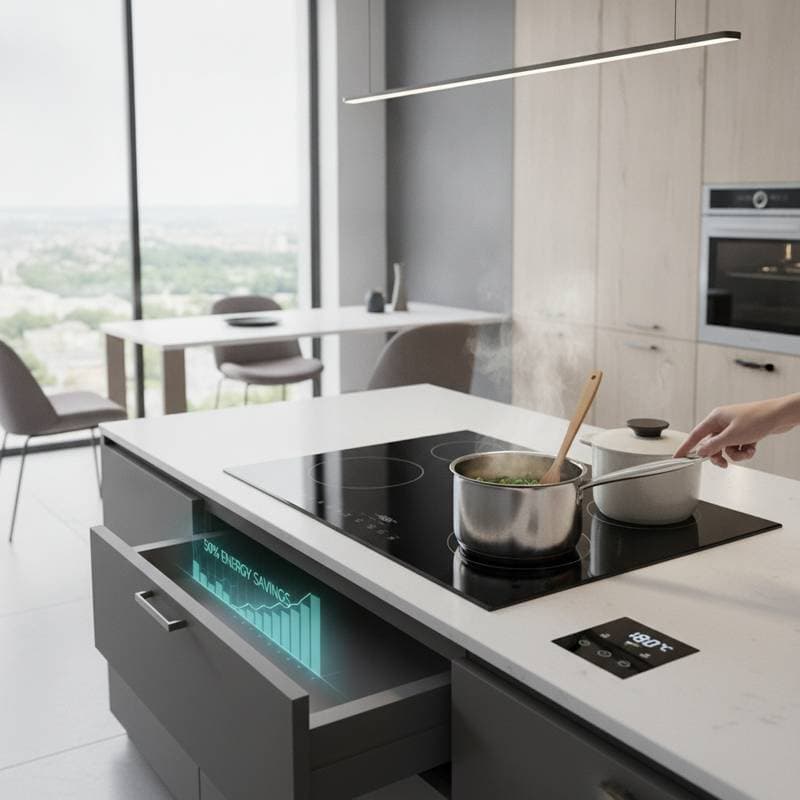
Induction cooking represents a significant advancement in kitchen technology, offering efficiency, precision, and safety. The process uses magnetic fields to heat cookware directly, minimizing energy loss and keeping surrounding areas cooler. Food prepares more quickly, and utility costs decrease as a result.
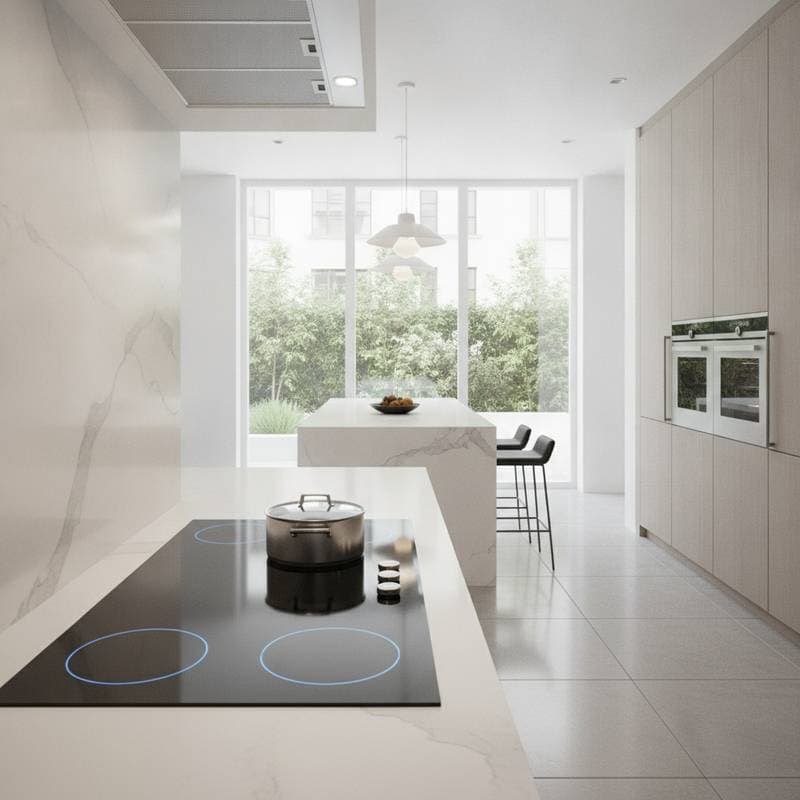
From a design standpoint, induction cooktops provide a smooth, continuous surface that enhances modern aesthetics. Cleaning requires only a quick wipe, as there are no grates or crevices to trap residue. This feature aligns with both minimalist and more elaborate kitchen styles.
Addressing the Rewiring Concern
A common misconception holds that all induction cooktops demand high-amperage dedicated circuits. In reality, numerous models operate on standard 120-volt outlets, making them suitable for apartments, condominiums, and older residences where electrical upgrades prove expensive or impractical.
Recent innovations include 120-volt plug-in units that deliver substantial power without requiring 240-volt lines. These countertop models excel in compact or transitional spaces. For built-in installations, certain 240-volt options can utilize existing range circuits or undergo professional adaptation to available power sources. Assess your home's electrical capacity before proceeding, but recognize that rewiring often remains unnecessary.
Budget-Friendly Plug-In Solutions
Consider practical pricing tiers to match your financial situation and needs.
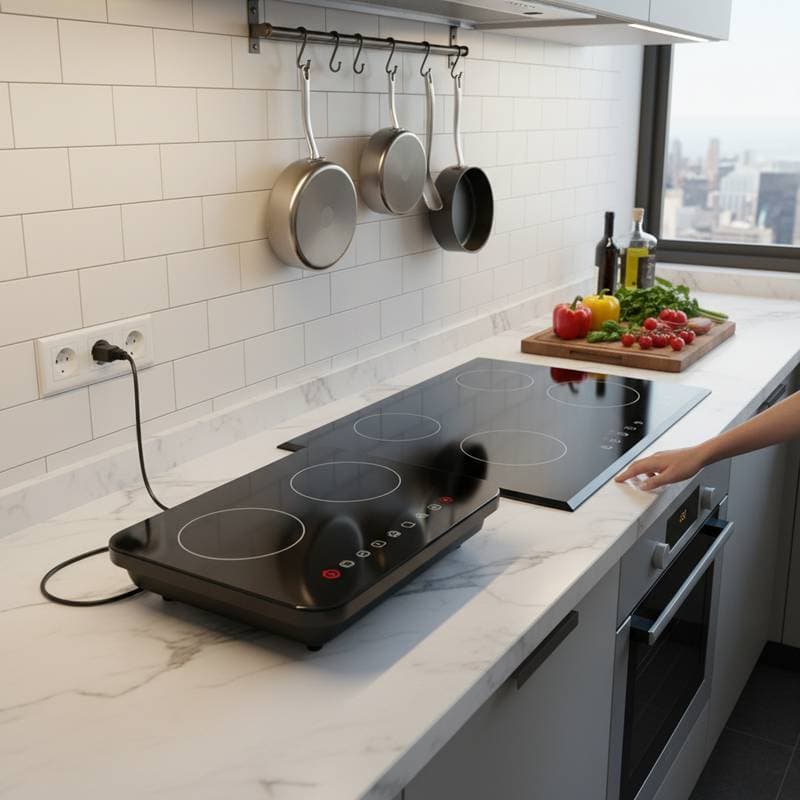
Entry-level options (under $150): Portable single- or double-burner units plug into standard outlets and serve as an introduction to induction for renters or experimental users. Reliable choices from Duxtop and Hamilton Beach handle daily cooking tasks effectively.
Mid-tier selections ($300 to $800): Built-in 120-volt cooktops install into standard counter openings, featuring multiple zones and intuitive touch interfaces. They provide restaurant-quality control at accessible costs.
Premium choices ($1,000 and above): Hybrid models adapt to 120-volt or 240-volt supplies, automatically optimizing performance based on detected power. Leading manufacturers incorporate this versatility for enhanced user convenience.
Begin with a portable burner to supplement your current stove, then scale up as desired. This strategy ensures practicality, sustainability, and visual appeal.
Seamless Design Integration
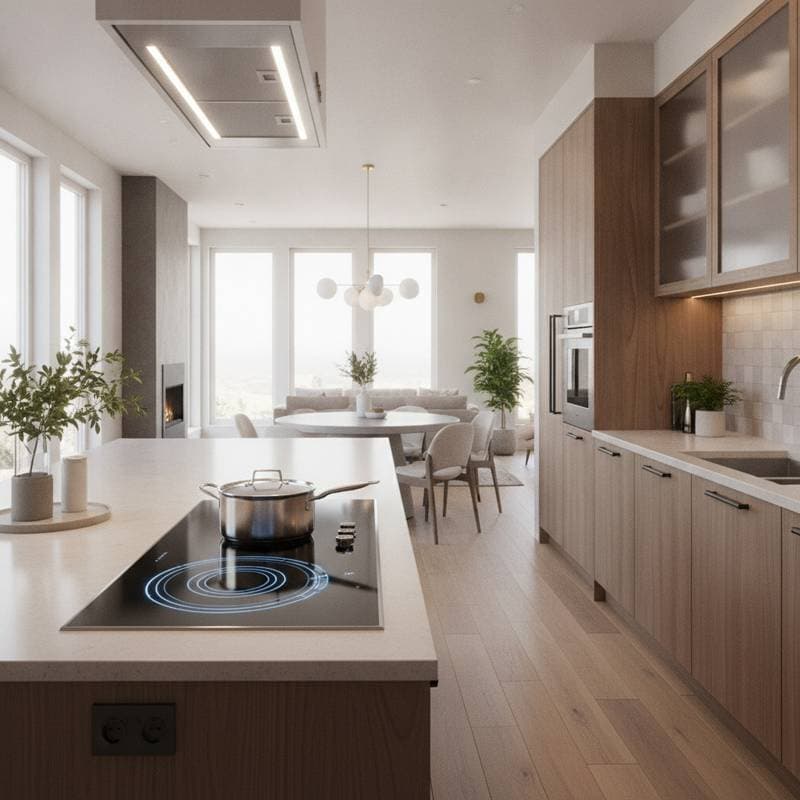
Induction cooktops blend technology with aesthetics effortlessly, thanks to their low profiles and compatibility with diverse materials like marble, wood, or quartz. They eliminate the need for prominent vents or supports, promoting a streamlined appearance.
When replacing gas or coil-electric units, verify that the new model fits your existing cutout dimensions; many do so without cabinet alterations. Portable versions rest flush on counters for a refined look in non-permanent settings.
In smaller living areas, such as studios or compact homes, induction elevates functionality. Pair it with magnetic trivets or organized storage to create an efficient cooking zone.
Advantages of Electrification
Adopting induction supports broader electrification efforts, reducing fossil fuel dependence and indoor pollutants while enhancing safety. Without open flames or gas risks, the kitchen environment improves significantly.
This upgrade serves as an accessible starting point for sustainable home improvements, yielding quick gains in efficiency and security alongside aesthetic enhancements.
Installation Guidance
Draw on proven steps to simplify the process.
-
Inspect the outlet for grounding and condition if selecting a plug-in model; refrain from extension cords.
-
Measure the countertop space against the product's specifications for built-in units.
-
Ensure adequate ventilation, such as a range hood, despite reduced heat output.
-
Select cookware where a magnet adheres to the base, including most stainless steel and cast iron pieces.
-
Use provided clips or brackets to secure built-in installations for stability.
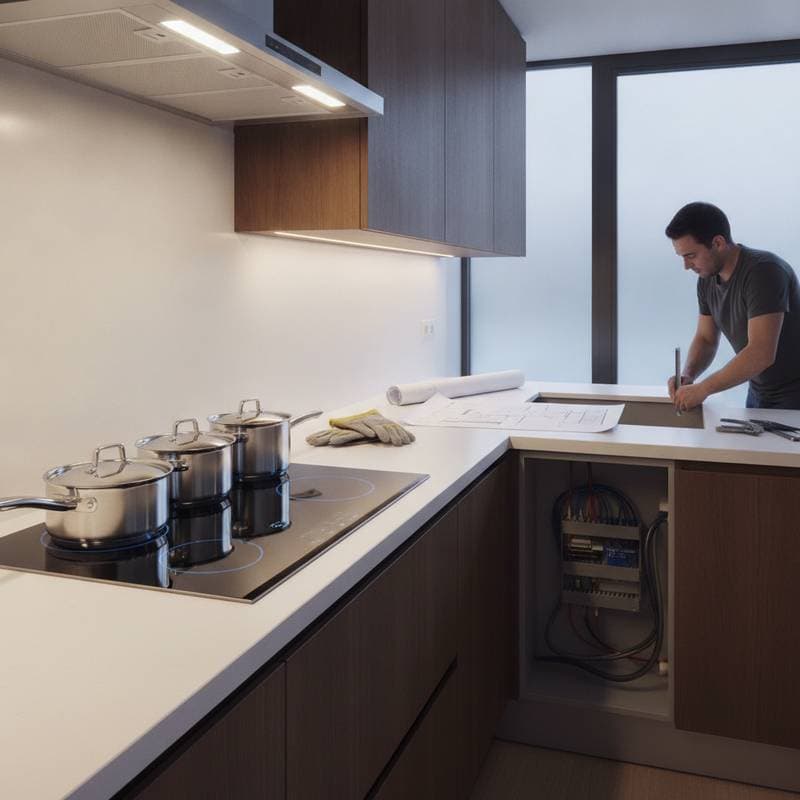
Consult an electrician for wiring verification if doubts arise, though many setups bypass this requirement.
Case Studies in Application
In one renovation of an older bungalow, a 120-volt dual-burner unit replaced an outdated electric range, fitting the original cutout precisely. The result included a contemporary appearance, lower energy consumption, and accelerated cooking times.
For a renter seeking an upscale entertaining setup without permanent changes, two portable single-burner units stored in a wooden tray provided versatility. During gatherings, they aligned to mimic a full cooktop; afterward, they tucked away neatly.
These instances demonstrate that innovative equipment enables upgrades without structural disruption.
Enhancing with Accessories
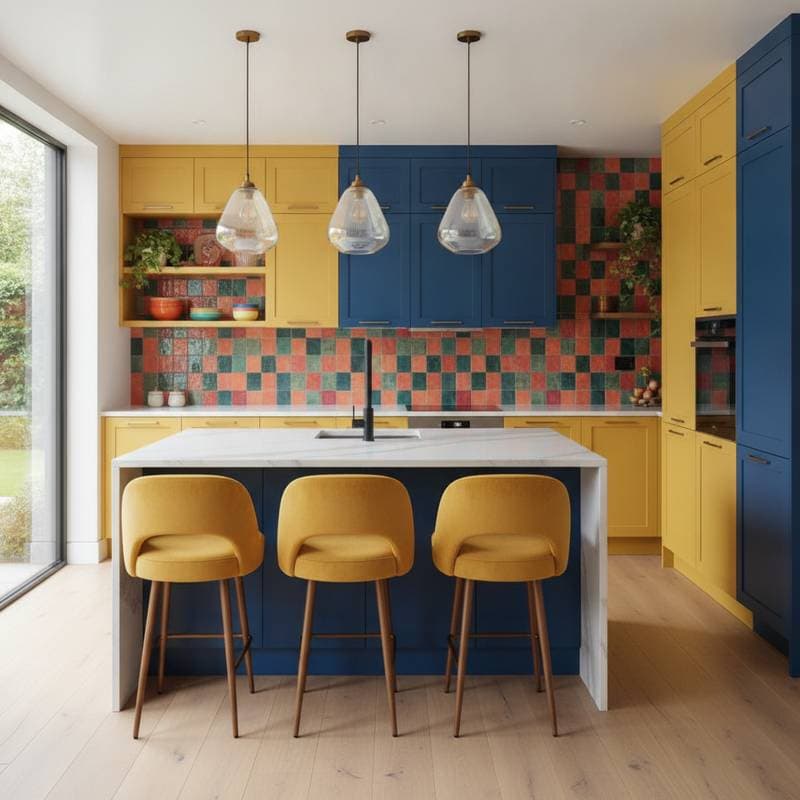
Extend the setup's potential through thoughtful additions. Coordinate with cabinet hardware in finishes like matte black or brushed metal for cohesion. Opt for cookware in varied colors and materials to add visual interest.
Incorporate induction-compatible griddles or woks for expanded versatility. Induction-ready sets maximize heat transfer through optimized bases.
Daily Use and Maintenance
Induction operation proves intuitive, with heat adjustments responding like precise controls. Spills clean easily without baking onto the surface, and the subtle magnetic operation adds a modern touch.
Maintain the unit by wiping with a soft cloth and gentle cleaner; steer clear of abrasives. This care preserves its elegance and longevity.
Steps to Implement Your Upgrade
Induction has evolved into an attainable choice for style, performance, and economy. Evaluate plug-in varieties, trial a portable option, or plan a built-in installation to suit your space.
Proceed with confidence to realize these benefits, reshaping your kitchen for enhanced daily living.