Induction Cooktops: A Seamless Upgrade Amid Gas Bans
The kitchen serves as the heart of the home, blending functionality with daily rituals. As regions enforce gas restrictions, cooking methods evolve to prioritize sustainability, health, and visual appeal. Induction cooktops present a refined solution for homeowners seeking responsive, clean cooking without extensive renovations. Thoughtful selection and installation make this upgrade straightforward and transformative.
Understanding the Shift to Induction
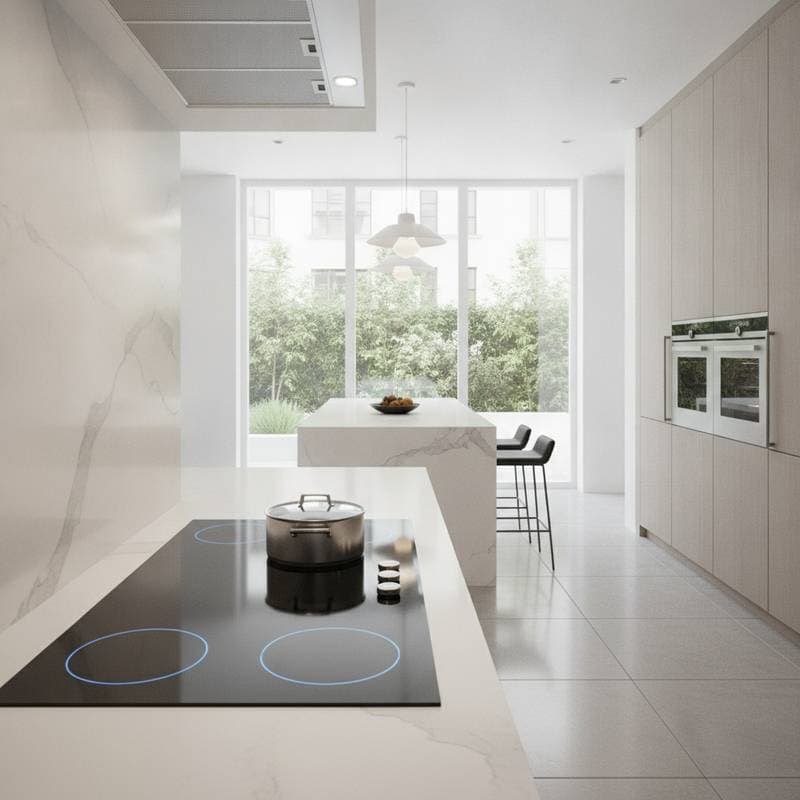
Energy codes increasingly limit gas use, turning potential constraints into design opportunities. Interior designers view induction as a means to achieve streamlined aesthetics. Without gas lines or heavy ventilation, countertops gain uninterrupted flow. Materials like stainless steel, marble, or quartz integrate smoothly, positioning the cooktop as an elegant, unobtrusive feature.
How Induction Technology Works
Induction employs electromagnetic fields to heat pots directly, bypassing the cooktop surface. This approach delivers rapid boiling, precise simmering, and immediate temperature changes. The surface remains cooler than traditional options, reducing burn risks and simplifying cleanup. Users familiar with gas find the adjustment intuitive after selecting compatible cookware.
Installing Induction Without Major Work
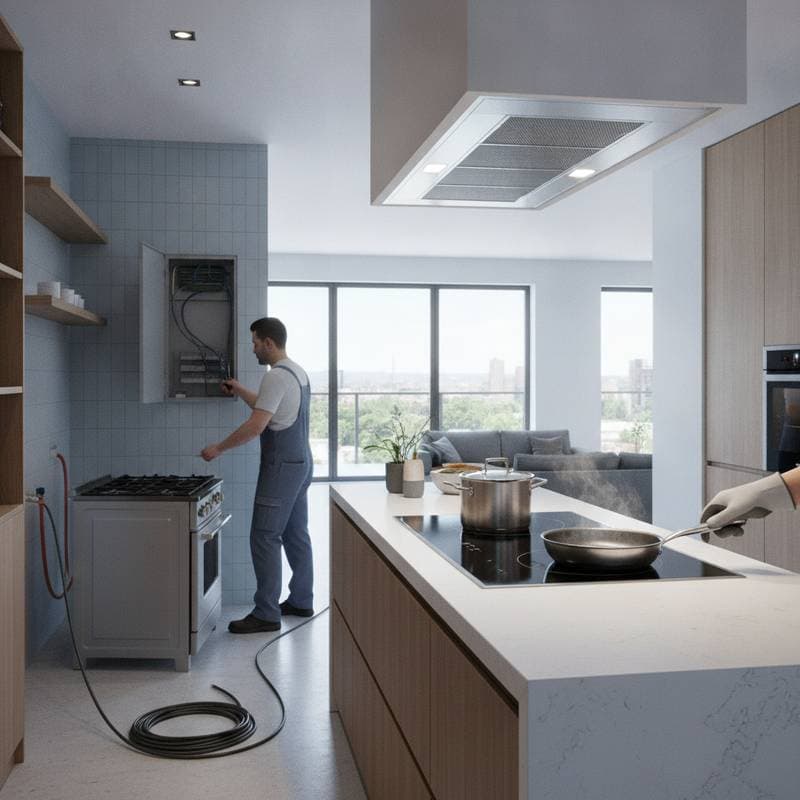
Homeowners often fear that induction demands significant electrical upgrades. Most installations avoid such disruptions. Plug-in models fit existing cutouts from gas units. Built-in options, like the Bosch Benchmark Series 36-inch model, typically need only a 240-volt outlet, a simpler task than gas line modifications.
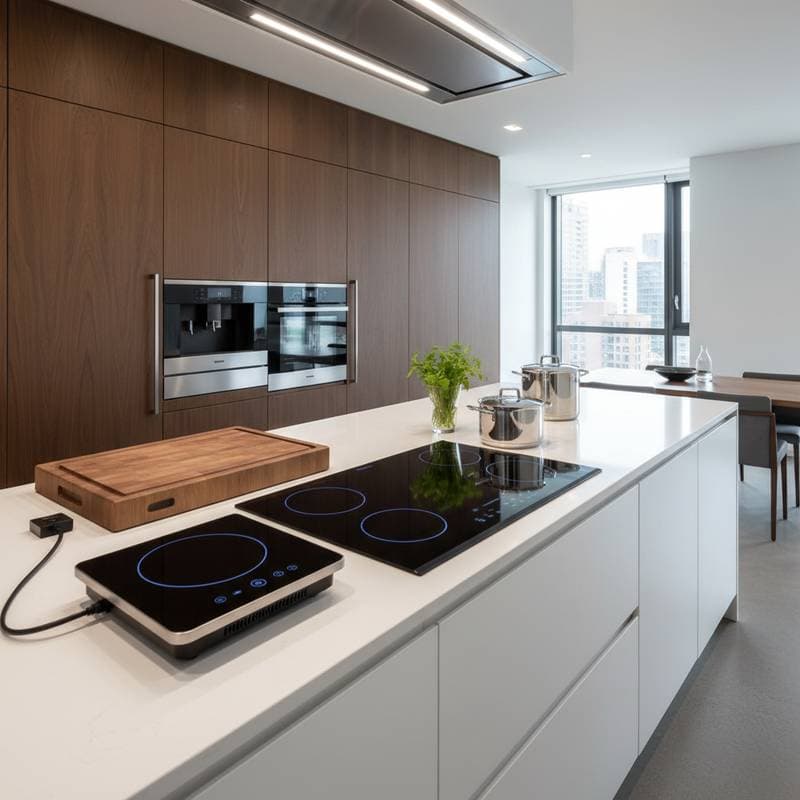
For flexibility, portable burners from brands such as Duxtop and Breville provide professional results on countertops. These units store compactly and complement current appliances, allowing gradual adoption. Electricians note that induction conversions rank among the least invasive kitchen changes.
Enhancing Kitchen Aesthetics
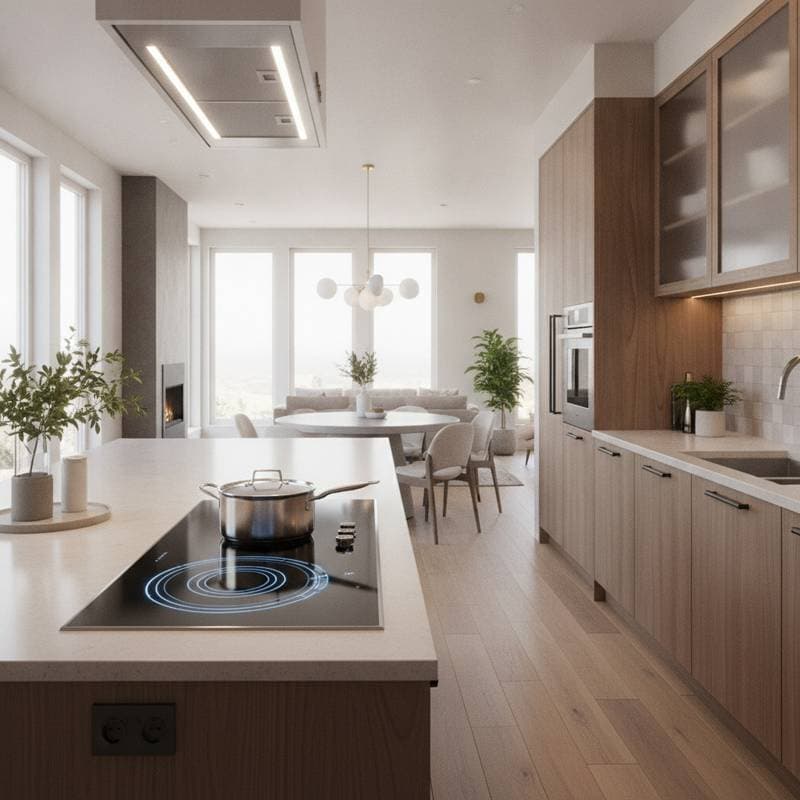
Induction aligns with contemporary desires for serene spaces. Its smooth ceramic glass surface, often in black with minimal trim, contrasts subtly against stone or wood counters. Designers pair it with matte graphite cabinets for unity or light oak and honed marble for balanced textures.
Lighting elevates the setup further. Without gas flames, focus shifts to ambient illumination. LED strips under cabinets or pendant lights over islands accentuate the reflective glass, underscoring cleanliness and precision in the cooking area.
Selecting Compatible Cookware
Induction demands magnetic materials, such as cast iron, enameled steel, or specific stainless steel. Test items with a refrigerator magnet for suitability. This requirement opens doors to stylish options from Le Creuset and Demeyere, featuring colors like deep red or brushed silver that enhance the kitchen palette.
Achieving Superior Performance
Chefs prize gas for its responsiveness, yet induction matches this with advanced controls. Settings range from delicate melting to intense searing. Bridge elements merge burners for large cookware, while sensors ensure even heat distribution.
The quick cooldown suits open layouts, easing meal transitions. This precision attracts serious cooks and those valuing reliable, unobtrusive tools.
Improving Air Quality and Health
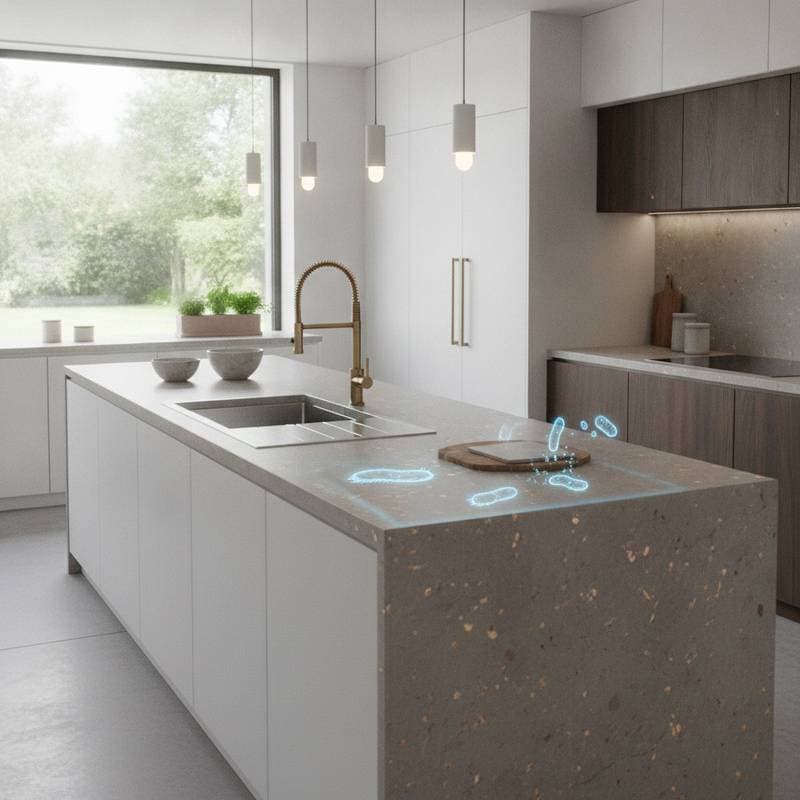
Induction eliminates combustion byproducts like nitrogen dioxide, fostering healthier indoor environments. This benefit suits wellness-focused homes emphasizing pure air and minimal noise.
Architects appreciate the design freedom. Lighter or hidden hoods become feasible, as noted by Lena Ortiz of Atelier Lumen: "The absence of open flame allows us to design lighter ventilation hoods or even conceal them entirely. That changes the visual character of the kitchen." The outcome is a calmer space that supports cooking and relaxation.
Boosting Energy Efficiency
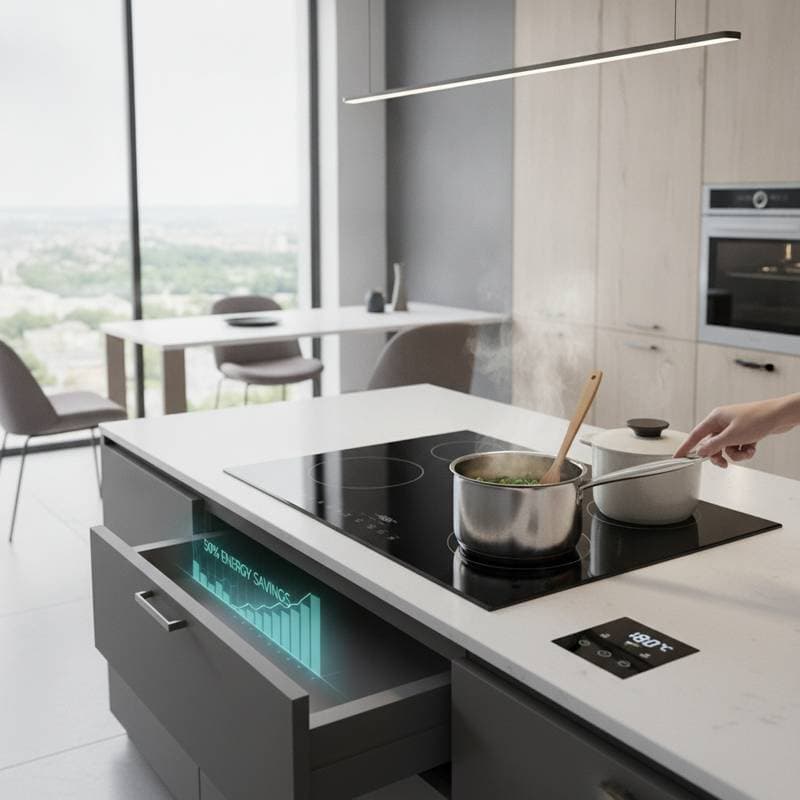
Induction transfers nearly all energy to the cookware, outperforming gas in efficiency. This reduces bills and eases electrical demands. In renewable-powered homes, it forms a sustainable loop without compromising quality.
Manufacturers emphasize eco-friendly aspects, using recyclable ceramic glass and sustainable packaging. The technology supports architectural trends where enduring energy savings matter as much as initial materials.
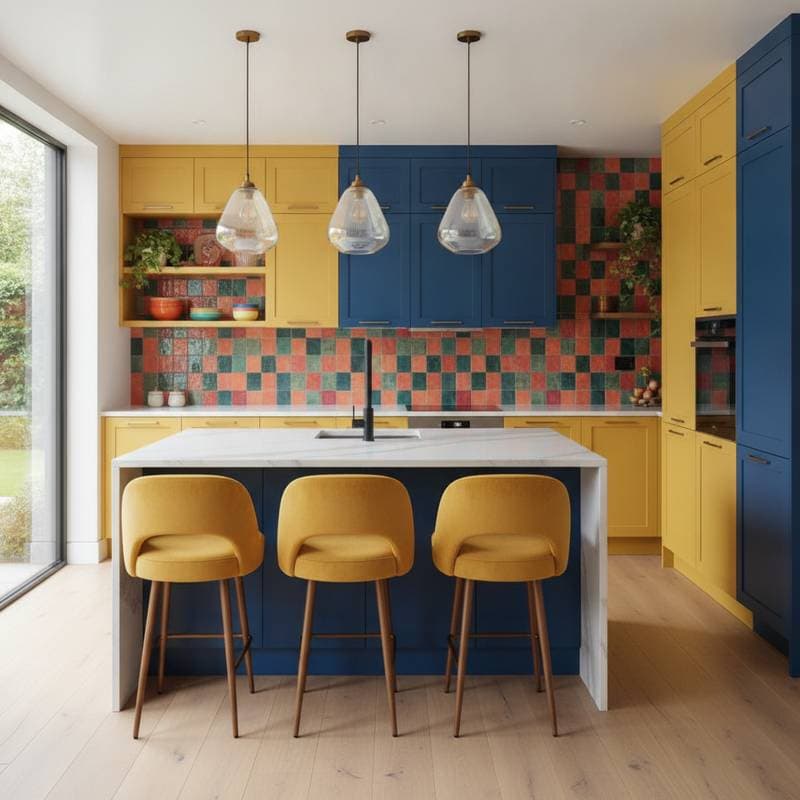
Blending Induction with Diverse Styles
Induction adapts to various aesthetics. In classic kitchens, it contrasts ornate cabinets and brass accents, adding modern edge to elements like Farrow & Ball "Pigeon" islands and soapstone counters.
Minimalist designs benefit from flush-mounted units by Gaggenau and Miele, which align seamlessly with surfaces. Placed in expansive islands, they serve preparation and social functions equally, promoting a sculptural, knob-free layout.
Fostering Connection Through Cooking
Induction subtly alters the cooking experience with its quiet operation and prompt response. Free from flame scents, it encourages focused, mindful preparation, whether for solo routines or group meals.
As Caleb Monroe of Form & Function Studio observes: "Induction gives the kitchen a sense of calm authority. It feels intelligent without being intrusive. You press a control, and it simply responds." This understated reliability elevates everyday interactions.
Embracing Induction for Lasting Benefits
Adopting induction addresses regulations while delivering cleaner, more efficient cooking. It harmonizes with existing designs, maintaining cool surfaces and fresh air.
Start with a portable model to assess fit, then advance to built-in installation aligned with your vision. Combine with strategic lighting, magnetic cookware, and complementary finishes to amplify the cooktop's sleek form.
Induction merges progress with personal ritual, honoring heritage while advancing it. In an era of mindful choices, it embodies values of efficiency and grace, transforming each cooking session into a refined practice.