Transition from Gas to Induction: Redefine Your Kitchen Experience
Kitchens reflect personal narratives through their tools and layouts. Traditional gas setups evoke familiarity with their visible flames and aromas from ongoing preparations. In contrast, induction cooking introduces modern accuracy via smooth, responsive surfaces. This change extends beyond mechanics to reshape interactions with heat, power sources, and spatial aesthetics. Induction technology, once confined to commercial settings, now suits residential spaces that prioritize reliability alongside environmental responsibility, blending utility with visual appeal.
Understanding Invisible Heat Technology
Induction operates through electromagnetic principles that seem effortless. Coils under a ceramic-glass layer generate a magnetic field, which directly warms compatible cookware. Heat targets the vessel alone, sparing the air and surface from excess warmth. Consequently, users encounter no flames, minimal energy loss, and rapid startup times for tasks like quick sautés or precise searing.
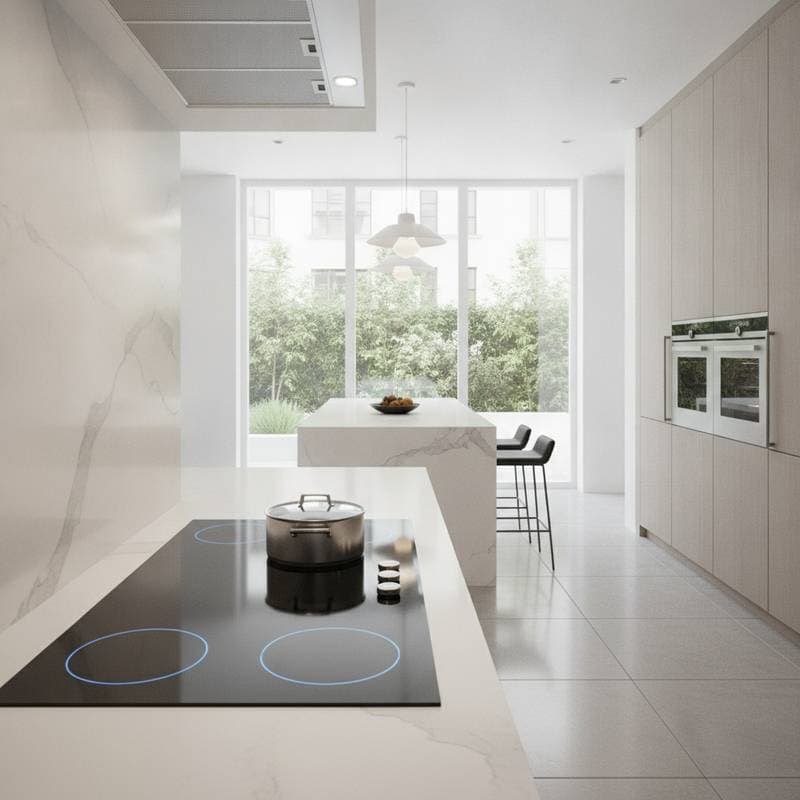
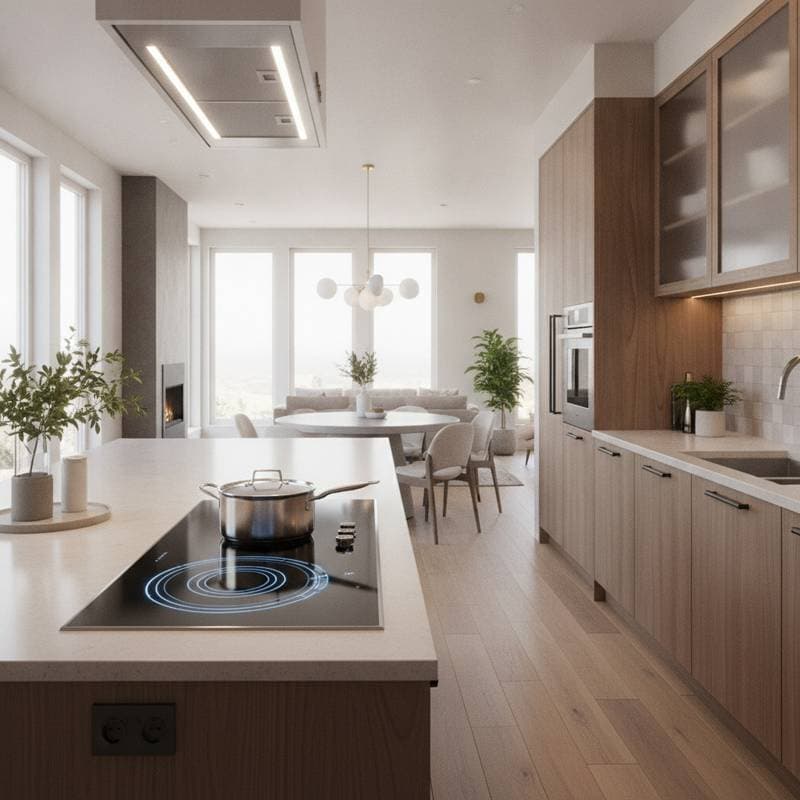
Design professionals, such as Patricia Ramos of Studio Prato Interiors, view these surfaces as embodiments of restrained power. Ramos frequently combines matte black induction areas with light oak cabinets and polished marble counters to establish a balanced, enduring aesthetic. The cooktop integrates unobtrusively, resembling a built-in element rather than a standalone device.
Achieving Precision in Everyday Cooking
Induction excels in temperature regulation, with zones reacting swiftly to dial changes for unmatched control compared to gas. Users can gently melt ingredients without burning, maintain low simmers for sauces, or accelerate boiling processes. Such immediacy supports intuitive cooking rhythms, ideal for timing-sensitive recipes.
Chefs in professional environments rely on this consistency, and residential users gain similar advantages. Options like Miele’s KM 7200 FR or the Bosch Benchmark Series feature adaptable zones that conform to various pot dimensions, promoting uniform heating. These attributes not only shorten preparation times but also ensure repeatable results, enhancing routine dinners and elaborate gatherings alike.
Enhancing Air Quality and Spatial Design
Gas appliances emit pollutants including carbon dioxide and nitrogen dioxide, which impact indoor atmospheres. Induction avoids burning processes altogether, fostering purer air conditions. Families focused on health and ecological impact find this adjustment sensible and principled. Without flames, ventilation options expand; compact downdraft vents or hidden overhead units supplant large exhaust hoods, preserving open vistas and structural continuity.
Interior architect Daniel Cho of Forma Studio incorporates induction into expansive kitchen-living areas where form and purity matter equally. Cho notes, “It is about creating spaces for real lifestyles. When the kitchen merges with living areas, clean, silent power facilitates interaction rather than disrupting it.”
Integrating Materials for Cohesive Aesthetics
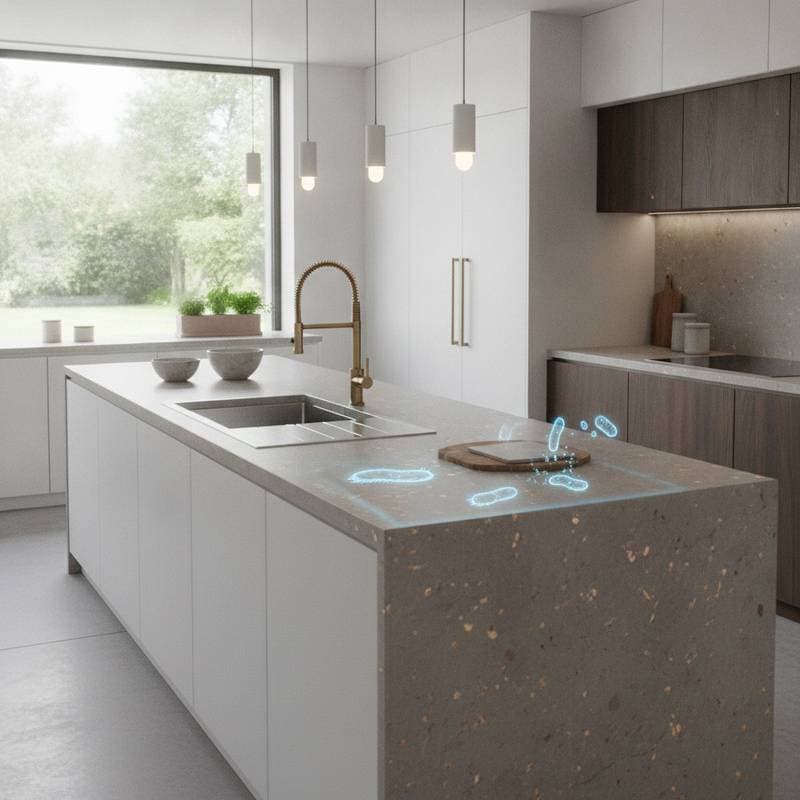
Adopting induction alters a kitchen’s visual harmony by introducing a flat glass plane that suits streamlined preferences. This seamless expanse complements textured elements such as grooved wood, matte metals, or composite stones. Designers sometimes select tinted underlays for the cooktop to add nuanced layers and light play.
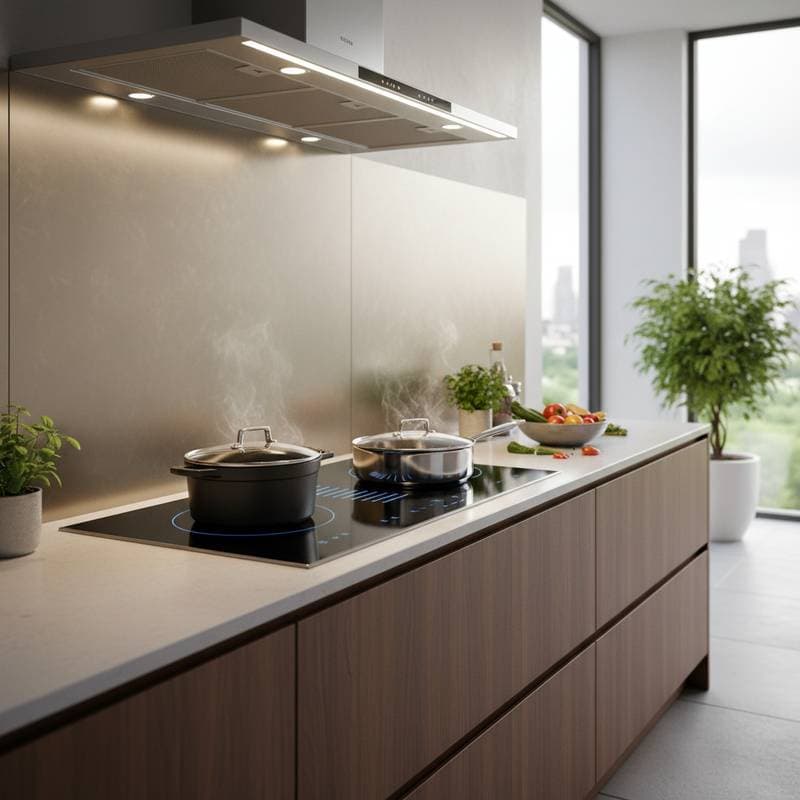
To build a unified scheme, pair Graphite 1603 painted cabinets from Benjamin Moore with light quartz surfaces or a soft stainless steel splashback. These choices accentuate the induction’s polish while introducing subtle warmth. The overall effect appears deliberate, positioning the cooktop as an architectural component.
Embracing Energy Efficiency for Practical Benefits
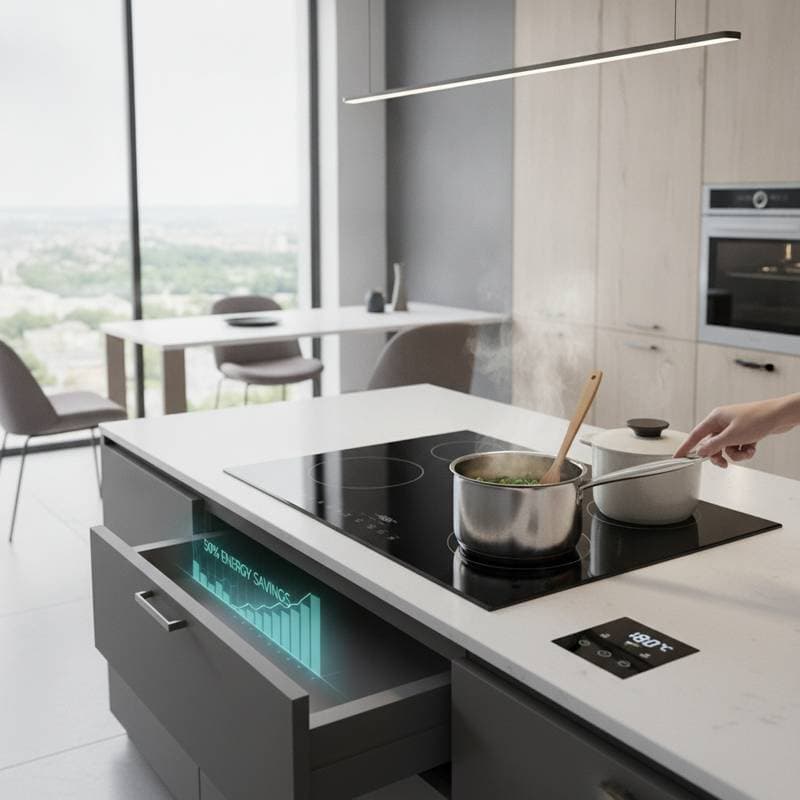
Induction channels about 90 percent of its power directly to cookware, surpassing gas and traditional electric efficiencies. This targeted approach reduces utility costs and prevents kitchen overheating. The refinement stems from intelligent design rather than excess, making each use feel considered and effective.
Such systems align with growing adoption of renewables like solar installations or eco-friendly grids. Induction supports low-impact routines without compromising speed or elegance, positioning it as a forward-thinking choice for discerning households.
Simplifying the Upgrade Process
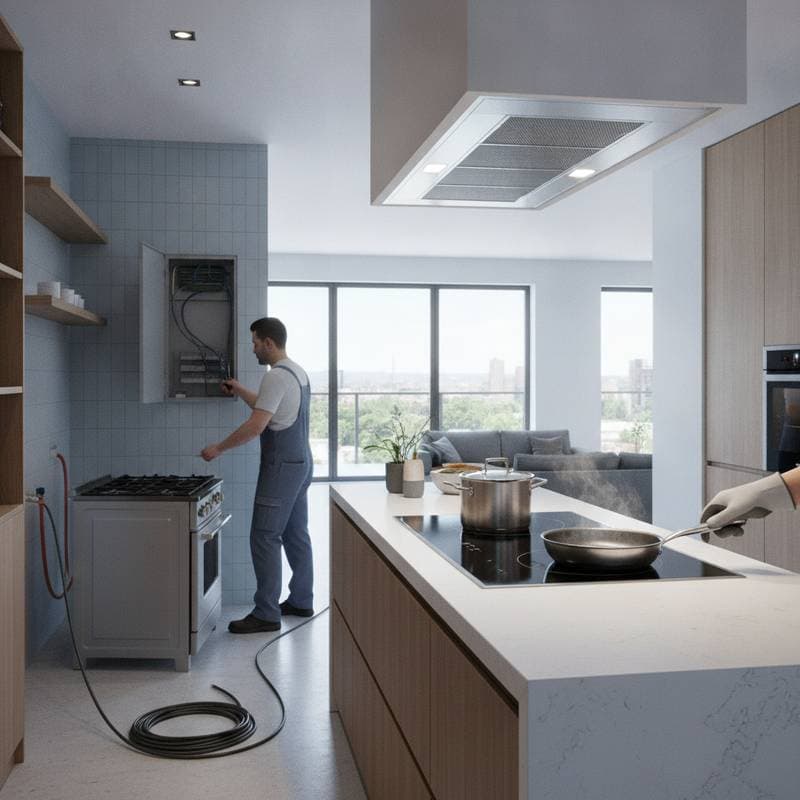
Switching to induction often avoids full renovations. Drop-in models from various brands slot into standard openings, easing the swap. Electrical readiness proves essential; induction demands specific wiring, so engage a qualified electrician for assessment and setup. Post-installation, upkeep involves simple wiping, free from residue buildup common in gas setups.
During planned updates, induction enables versatile configurations. Lacking gas piping, layouts can prioritize panoramas, gathering spots, or unique features. Consider a multifunctional island with an embedded cooking area that recedes when idle, supporting both preparation and casual meals.
Experiencing the Daily Impact of Induction
Once implemented, induction alters routine interactions with cooking tools. The field operates soundlessly, responds promptly, and cleans effortlessly, redefining productivity. Ambient lighting softens, storage aligns fluidly, and surfaces stay temperate for direct serving. This blend of form and function yields balanced spaces for those valuing aesthetics and utility.
Kitchens adapt to evolving needs and preferences over time. Selecting induction represents a commitment to meticulous energy use and supportive design. It respects the cook’s process while honoring the home’s structure. Through the subtle activation of an induction zone, the evolution of culinary practice becomes tangible under direct touch.