Future-Proof Baths: Universal Design for Aging in Place
Homeowners often enter their bathroom and appreciate its current comfort. Few consider, however, how the space will accommodate needs ten or twenty years ahead. Proactive planning prevents the need for rushed renovations triggered by slips, injuries, or mobility challenges. Universal design principles enable the creation of a stylish, practical, and safe bathroom that serves every age and ability.
This approach supports aging in place while preserving aesthetics and convenience. The following sections outline essential strategies to achieve such a space.
Why Universal Design Matters
Universal design creates environments that accommodate all users, irrespective of physical ability, height, or mobility. This philosophy avoids institutional appearances like prominent grab bars or cumbersome equipment. Instead, it emphasizes subtle, thoughtful modifications that simplify daily tasks.
Such bathrooms benefit young families, elderly visitors, or individuals recovering from procedures. Long-term financial advantages include reduced renovation costs and enhanced property value. Prospective buyers increasingly seek accessible features that integrate seamlessly without a clinical feel.
Key Features of a Universal Bathroom
Effective universal bathroom planning prioritizes fluid navigation, straightforward access, and secure footing. Focus on these foundational elements to build a resilient space.
Step-Free Shower Entry
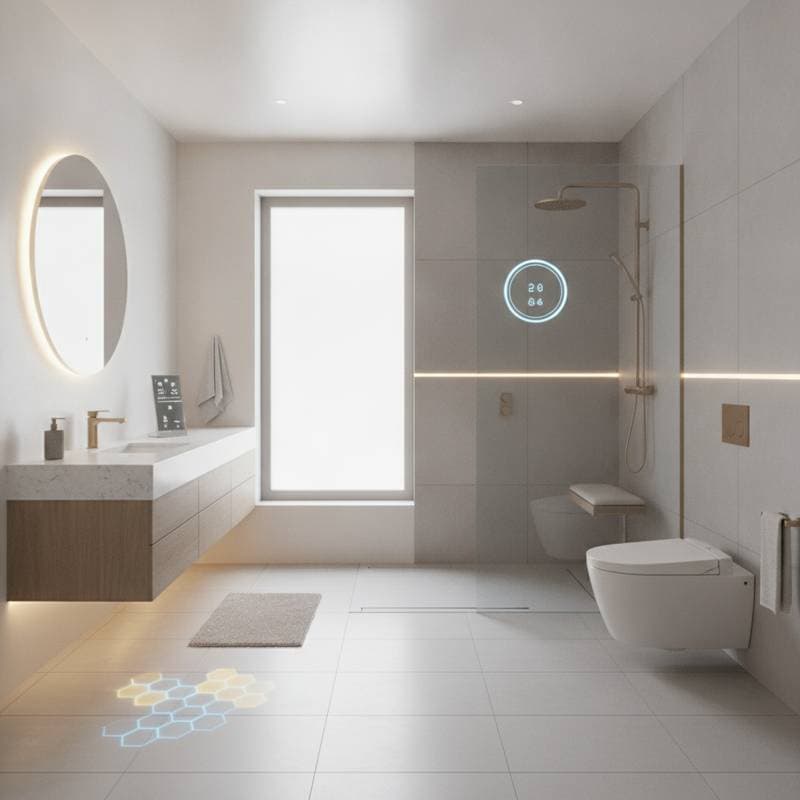
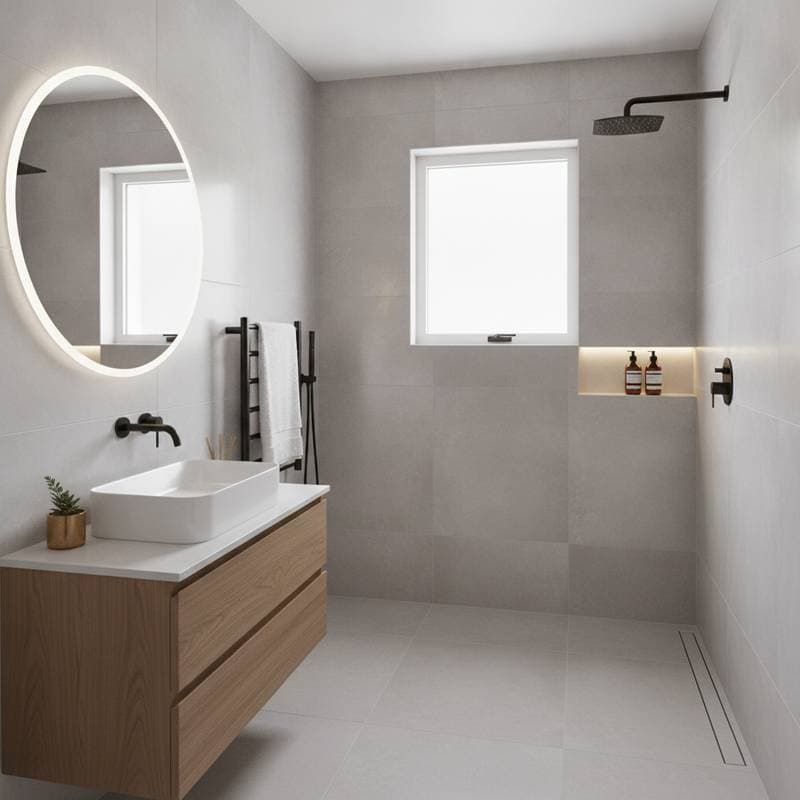
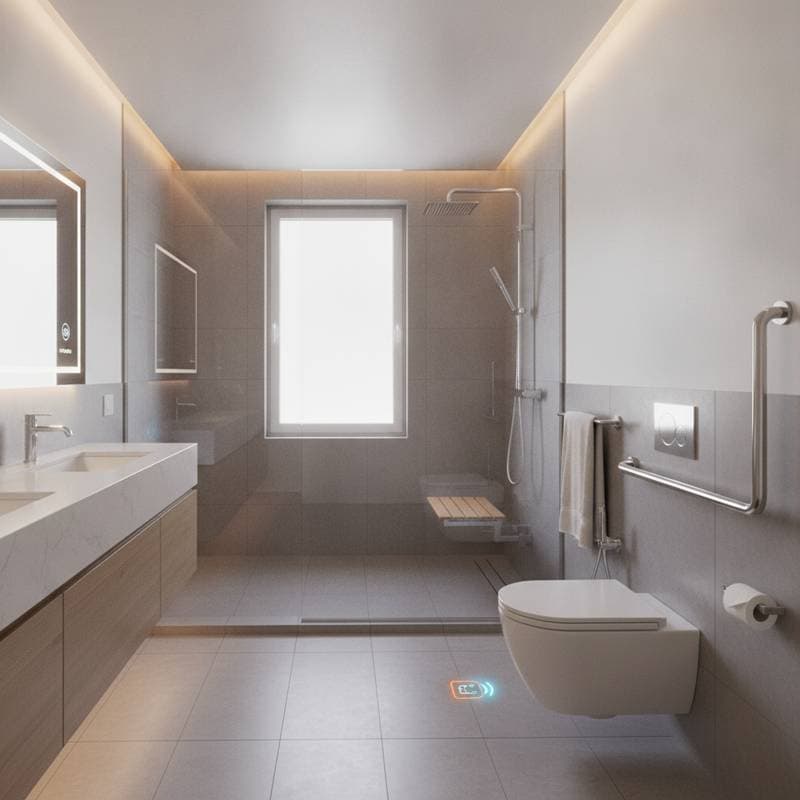
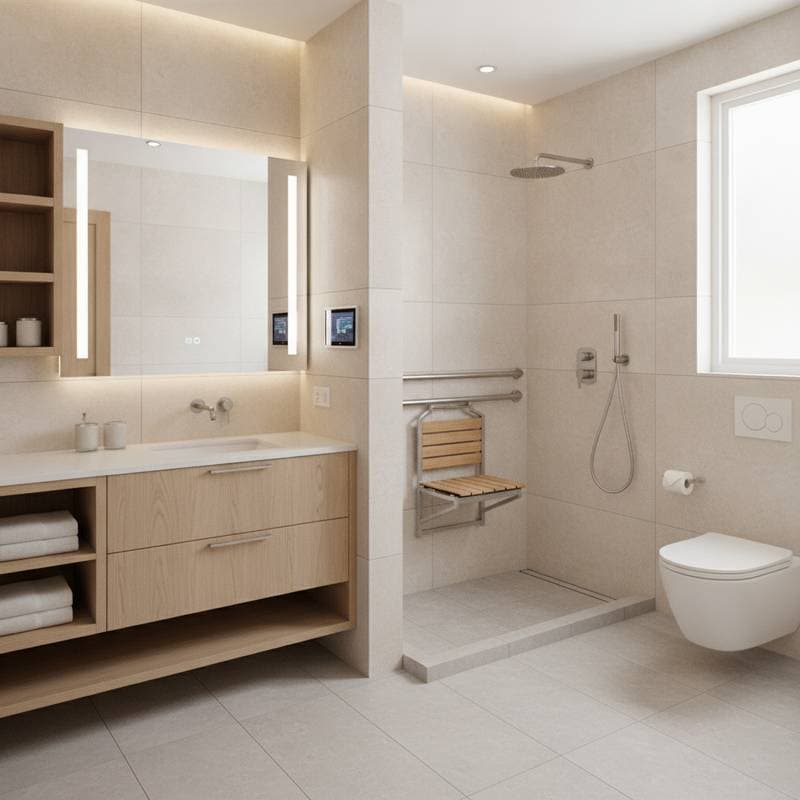
Curbless or zero-threshold showers form the cornerstone of accessible design. These eliminate raised lips that hinder entry, particularly for those using walkers or wheelchairs. Contemporary installations feature a streamlined, modern aesthetic suitable for upscale homes.
For optimal performance, ensure the floor slopes gently toward the drain to avoid water accumulation. Professional assessment may necessitate subfloor modifications during installation.
Installation guidance: Consult a plumber to verify drainage efficiency. Costs range from $2,500 to $7,000, influenced by materials such as tile, waterproof membranes, and plumbing adjustments.
Slip-Resistant Flooring Solutions
Bathroom falls represent a primary risk for injuries. Select flooring with a coefficient of friction of 0.6 or greater to enhance traction. Matte-finish porcelain or vinyl options deliver reliable grip without abrasive textures.
Heated floors mitigate condensation buildup, further minimizing hazards. Affordable vinyl installations cost $3 to $5 per square foot, whereas high-end porcelain reaches $10 to $15 per square foot.
Adaptable Fixture Heights
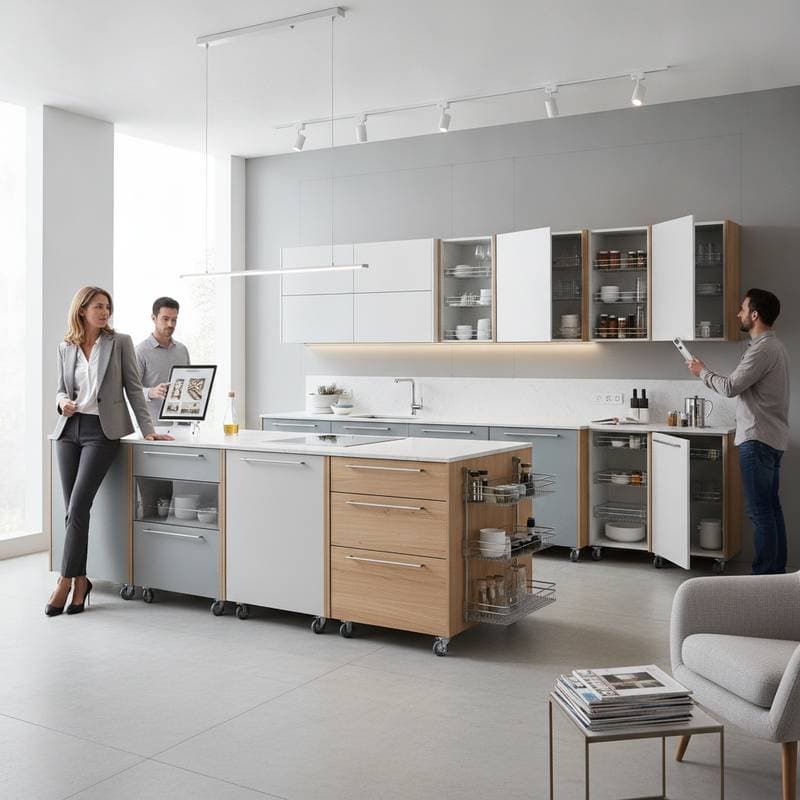
Universal bathrooms adjust to individual users for optimal ergonomics. Incorporate slide-bar showerheads, handheld sprayers, and adjustable vanities to provide versatility. Wall-mounted or floating sinks offer ample knee space for seated access.
Select cabinetry with rounded edges and ergonomic handles to prevent injuries. These choices maintain a polished appearance while prioritizing safety.
Expanded Doorways and Open Floor Areas
Standardize doorways at 36 inches wide to facilitate wheelchair and walker passage. Maintain a minimum 5-foot diameter of clear floor space within the room for easy maneuvering. Opt for pocket or outward-swinging doors to maximize usable area in compact designs.
If structural constraints exist, engage a carpenter for reframing. This modification typically costs $400 to $800 per doorway.
Strategic Grab Bar Placement
Grab bars provide stability for all users on slick surfaces, extending beyond senior-specific applications. Available in finishes like brushed nickel or matte black, they coordinate with existing hardware for a unified look.
Install wood blocking in walls during initial construction to support future additions. Reinforcement adds only $100 to $200 per section but avoids costly retrofits later.
Elevated Toilet Seating
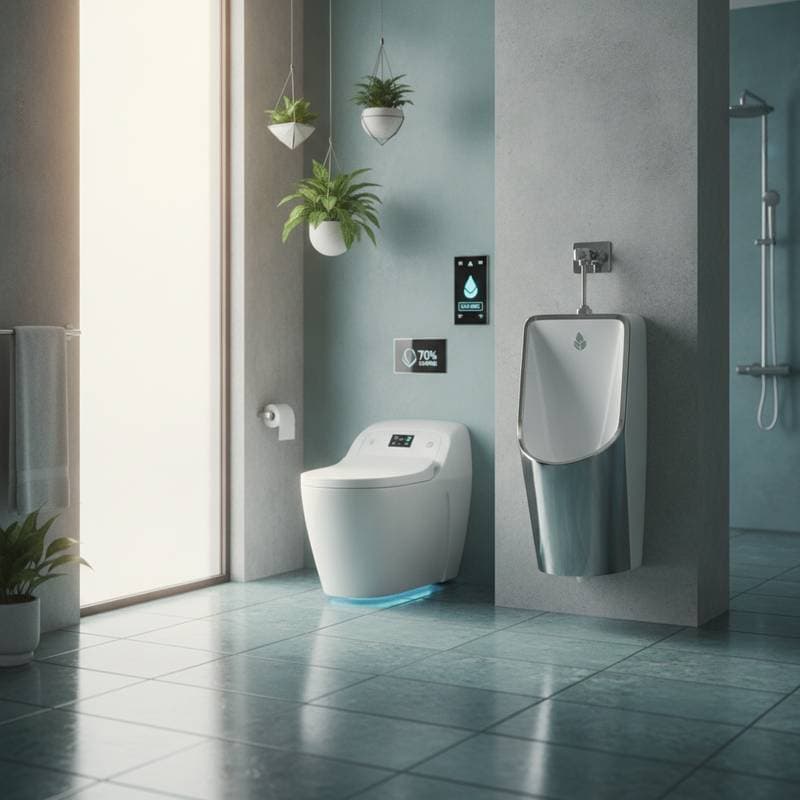
Comfort-height toilets measure 17 to 19 inches from floor to seat, easing transitions for standing or sitting. These models resemble standard units visually but offer superior usability. Many install them proactively for general comfort.
Quality options range from $300 to $700, including professional installation.
Integrating Function with Aesthetic Appeal
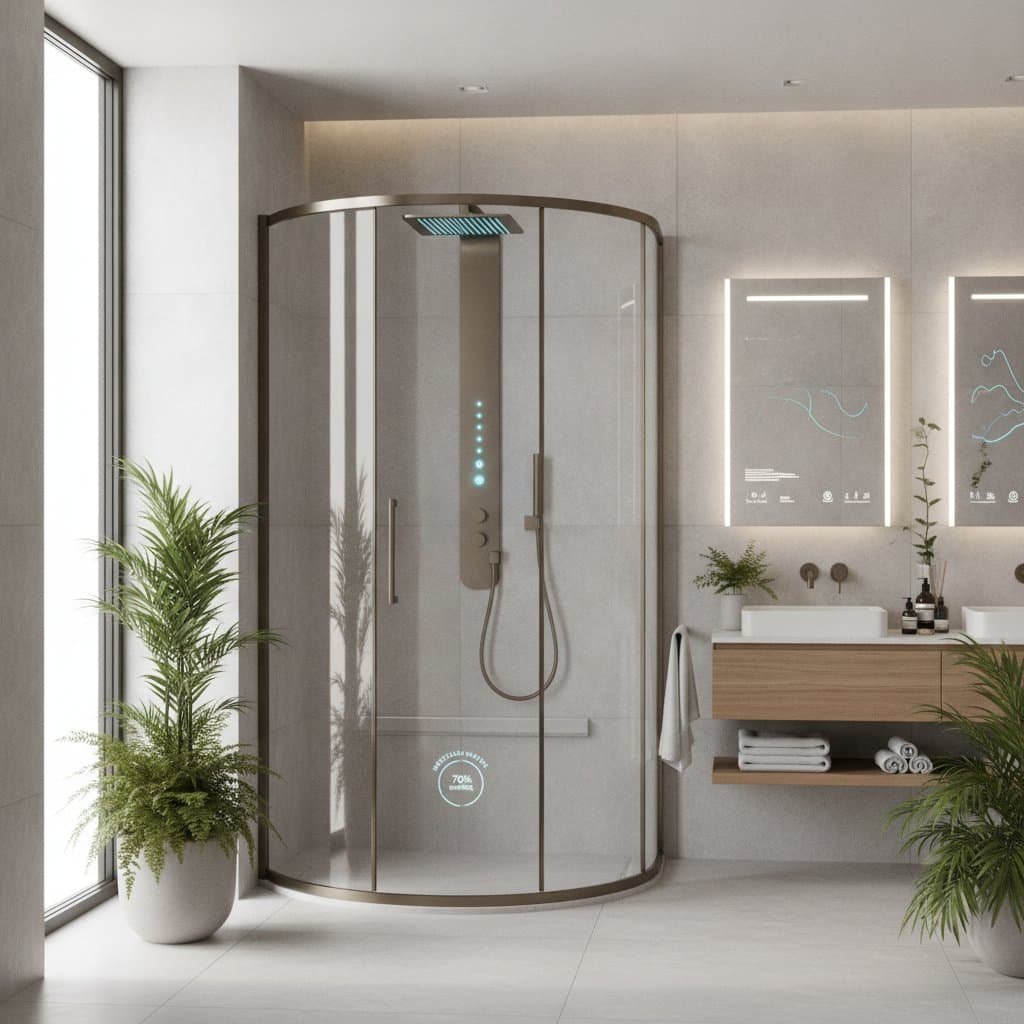
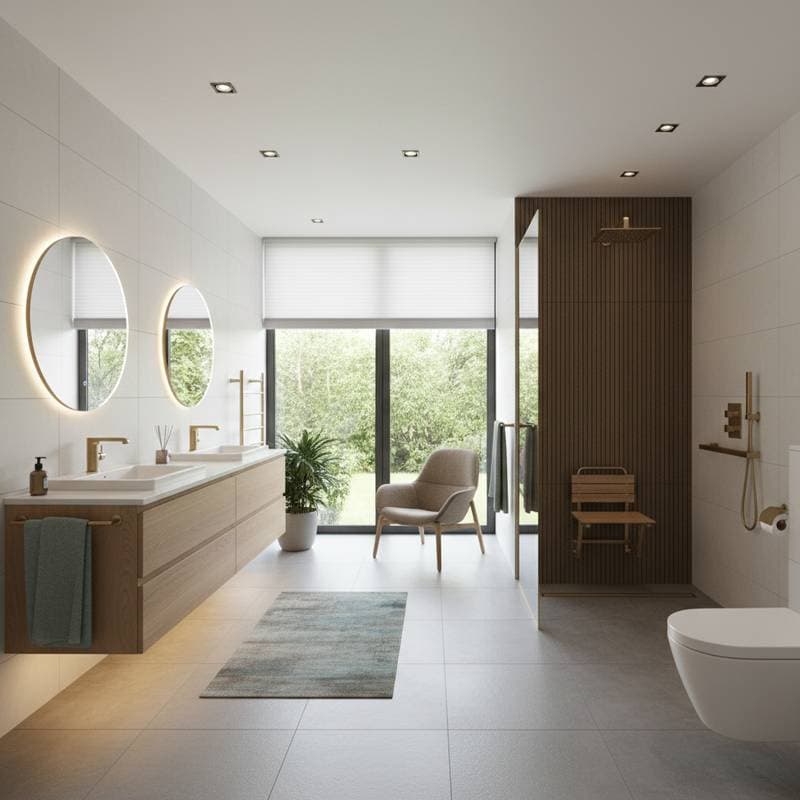
Universal design harmonizes utility and elegance through contemporary materials. Frameless glass panels, linear drains, and wall-hung faucets complement barrier-free configurations without compromise.
To achieve visual cohesion:
- Align grab bar finishes with faucets and hardware.
- Employ uniform tiling to create seamless transitions.
- Select warm, diffused lighting to eliminate harsh shadows.
- Integrate recessed niches for storage, reducing clutter and trip risks.
Layered illumination enhances safety and ambiance. Combine overhead fixtures, task-oriented vanity lights, and low-level night options. Motion-activated sensors promote nighttime navigation and prevent accidents.
Budgeting for Your Remodel
Expenses fluctuate based on project scale, location, and selections. Consider these benchmarks:
- Basic enhancements: $1,000 to $3,000 for grab bars, lighting upgrades, and minor fixture swaps.
- Comprehensive mid-level project: $10,000 to $20,000 covering new showers, flooring, and vanities.
- Luxury full renovation: $25,000 to $40,000 incorporating layout alterations, advanced plumbing, and premium surfaces.
Regional labor rates vary, and certain accessibility improvements may qualify for rebates or incentives. Verify compliance with local codes regarding clearances and gradients, especially for resale considerations.
Ensuring Safety Through Expert Involvement
Certain tasks suit capable DIY efforts, such as hardware replacements or non-slip mat placements. However, delegate electrical, structural, and plumbing work to certified professionals to avert risks like leaks or shocks.
For intricate elements like waterproofing or tiling, partner with contractors versed in universal standards. They guarantee precise slopes, effective drainage, and robust reinforcements.
Vet potential hires by reviewing accessibility-focused portfolios and client testimonials. Confirm familiarity with relevant guidelines to align outcomes with your vision.
Realizing Lasting Benefits
A universally designed bathroom elevates safety while representing a strategic home investment. It fosters prolonged independence and comfort within familiar surroundings. Market appeal strengthens as buyers prioritize inclusive, stylish features.
Immediate gains include simplified maintenance and refined daily experiences. Initiate with affordable changes like enhanced lighting or elevated toilets, then scale to broader transformations.
Assessing and Implementing Upgrades
Evaluate your existing bathroom for obstacles such as thresholds, slick floors, or awkward reaches. Prioritize modifications that deliver the highest impact on security and usability.
Collaborate with designers or contractors skilled in blending form and function. Develop a customized blueprint that respects your dimensions, finances, and preferences. This investment yields a sanctuary that endures, merging practicality, sophistication, and reassurance across life's phases.