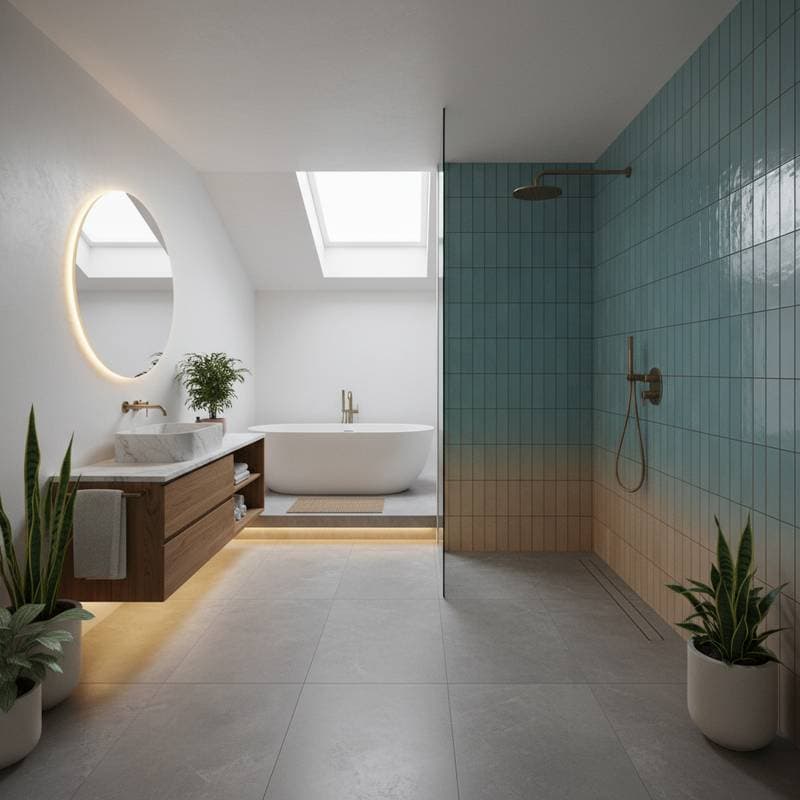
Doorless Wet Rooms: Redefining Bathroom Accessibility
Bathrooms have evolved from utilitarian spaces into personal sanctuaries that emphasize design and wellbeing. The modern wet room intersects architecture, accessibility, and artistry. Doorless wet rooms offer a bold reimagining of bathing experiences by removing physical barriers. This approach creates visual and functional freedom, turning daily rituals into seamless acts of design.
The Essence of Openness
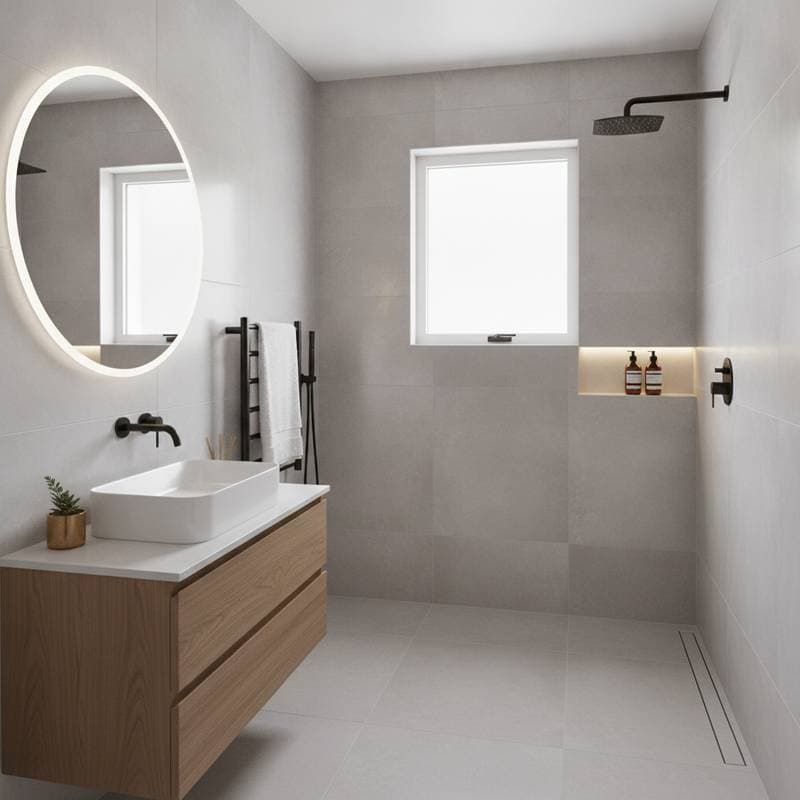
Doorless wet rooms prioritize uninterrupted flow. Without shower doors or curtains, the eye travels freely across the space, fostering a sense of expansiveness even in compact bathrooms. This design philosophy emphasizes continuity, where materials, surfaces, and light connect without breaks.
Architect Sophie Laurent of Studio Lune Interiors describes this spatial fluidity as a choreography of water and architecture. She recommends large-format porcelain tiles in soft, desaturated tones like Farrow & Ball Pavilion Gray for visual consistency. The lack of thresholds or partitions boosts accessibility and creates a calm, inclusive atmosphere.
Accessibility as a Core Principle
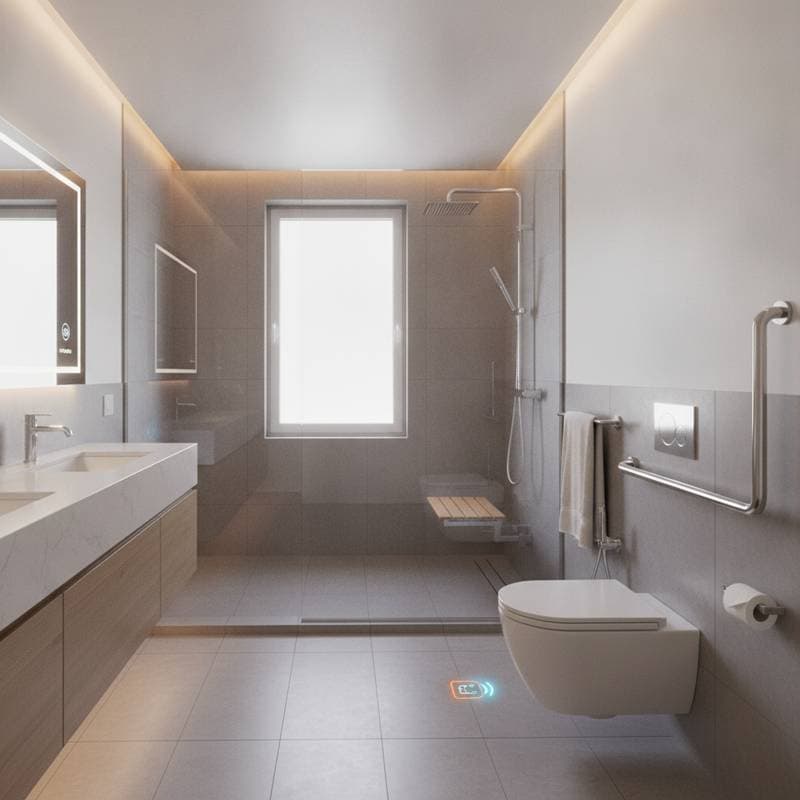
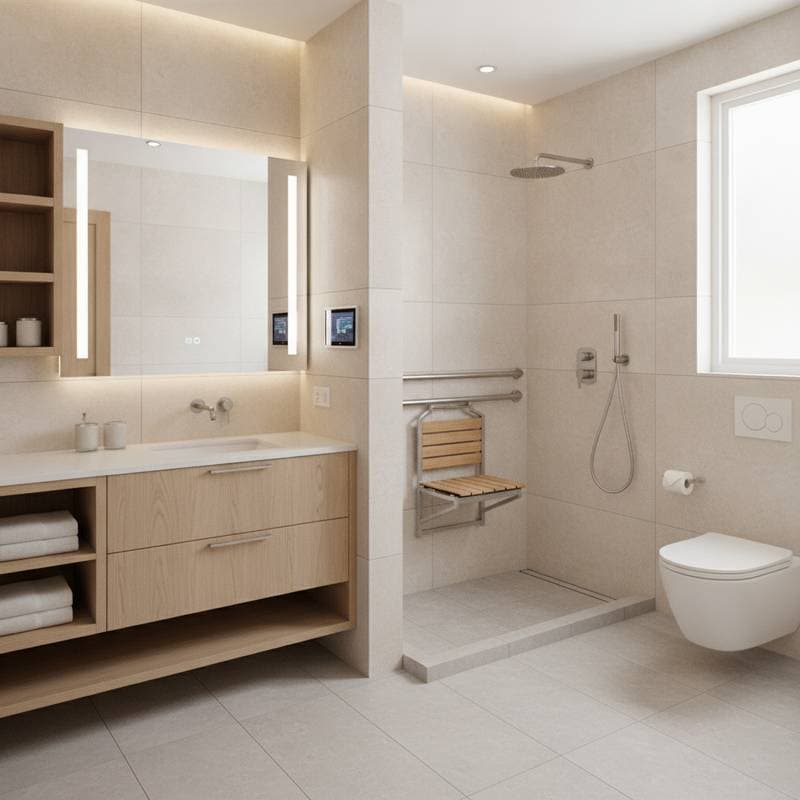
Doorless wet rooms provide one of the most inclusive bathroom designs. They eliminate steps, lips, and doors, accommodating users of all ages and mobility levels. Accessibility integrates seamlessly into the overall design rather than standing apart.
Architectural designer Luca Moreno of Casa Forma Design Group uses linear drains flush with the floor for smooth transitions between dry and wet areas. He selects non-slip porcelain or textured natural stone, such as flamed basalt, to ensure safety alongside elegance. The outcome delivers luxury that feels practical and universally welcoming.
Spatial Planning and Proportion
Successful doorless wet rooms demand precise proportion and layout. Water containment occurs without barriers, so designers position showerheads or rain fixtures on the wall farthest from the entry to minimize splash zones.
Clara Jensen, founder of Nord Haus Architecture, highlights subtle flooring gradients. A slope of 1.5 to 2 percent toward the drain promotes proper flow while preserving a level appearance. Frameless glass panels or half-height partitions guide water without fully enclosing the space.
Material Harmony
Materials shape the mood of a doorless wet room. Surfaces endure moisture while enhancing sensory appeal. Designers blend microcement, tumbled limestone, or matte ceramic mosaics for tactile variety.
Underfloor heating under European oak-effect porcelain tiles counters the chill of stone or concrete. Brushed nickel or aged brass hardware adds sophistication and resists corrosion. The palette remains rich yet understated, focusing on texture over decoration.
The Role of Light
Light shapes the ambiance in doorless wet rooms. Natural light alters scale perception and softens hard surfaces. Clerestory windows or frosted glass panels introduce daylight while preserving privacy.
Lighting consultant Marin Ellis of Illume Studio advocates layered illumination with IP-rated recessed LEDs around niches and ceilings. Light influences how moisture and reflections appear, making stone shimmer or tiles glow. Dimmable warm-white options foster enveloping calm during evening use.
The Architectural Drain
The drain serves as a key yet subtle element in wet rooms. In doorless setups, it integrates as an architectural feature. Linear drains, circular grates, or concealed channels from brands like ACO or Infinity Drain blend into the floor.
Align drains with tile joints for precision or use custom covers matching surrounding materials. This merger of function and form upholds minimalism. A well-executed system recedes visually, emphasizing simplicity.
Color, Mood, and Sensory Balance
Color selections affect perception and emotion in doorless wet rooms. Pale neutrals promote serenity, while deeper shades build intimacy. Benjamin Moore Wrought Iron on accent walls anchors reflective surfaces, and Dulux Egyptian Cotton adds approachable warmth.
Textures balance color dynamics. Polished plaster ceilings with honed marble floors contrast sheen and matte finishes. Water-tolerant surfaces unify the environment, evoking a sculpted cohesion.
Integrating Technology
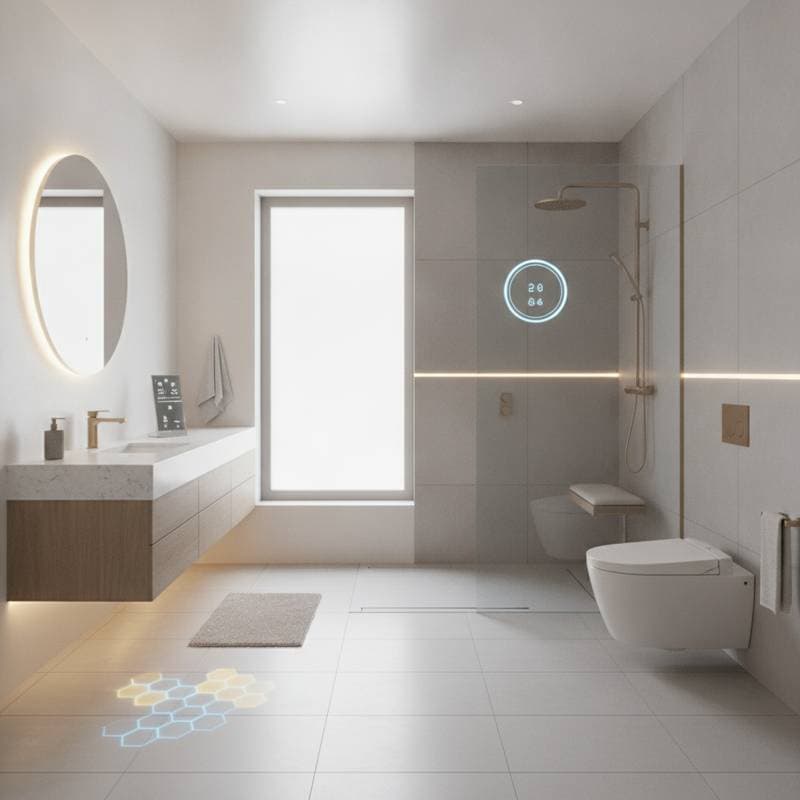
Technology enhances wet rooms without overwhelming aesthetics. Concealed thermostatic valves, digital shower controls, and underfloor heating improve usability while maintaining purity.
Alex Park, senior designer at WaterForm Studio, installs smart drainage sensors to monitor flow and detect issues early. Anti-fog mirror panels and recessed towel warmers sustain a spa-like feel without clutter. Innovation remains discreet, supporting the design narrative.
The Emotional Impact
Doorless wet rooms extend beyond function to evoke emotional shifts. Removing barriers promotes physical and psychological openness. Stepping into an unconfined shower instills subtle liberation.
Interior stylist Renee Clarke of Atelier Calm views it as a return to elemental simplicity. Her designs pair limewashed plaster walls with handmade zellige tiles for tactile interplay. Water sounds against these surfaces enrich routines with reflection.
Sustainability and Durability
Sustainability threads through modern wet room design. Doorless formats use fewer materials, hardware, and maintenance efforts. Durable options like porcelain slabs, recycled glass mosaics, or eco-resin composites ensure performance with low environmental impact.
Contractor James Porter of Element Build & Design notes that robust construction lasts decades without overhaul. Waterproofing membranes such as Schluter-KERDI or Mapei Mapelastic prevent leaks and damage. The space achieves timeless appeal in form and function.
Adapting to Daily Life
Embracing a doorless wet room reshapes experiences of privacy, comfort, and routine. Openness requires habits like wall-mounted storage for clear surfaces, quick-drying textiles, and consistent ventilation for air quality. The continuity between shower, floor, and room cultivates mindful space engagement.
Materials develop graceful patinas over time, narrating daily stories. This design honors simplicity without starkness, lifting everyday function to artistic levels.
Adding Personal Elements
Minimal architecture in doorless wet rooms allows details to infuse personality. A sculptural freestanding basin in Corian Glacier White, a teak and rattan woven stool, or eucalyptus in a vase soften geometry. Accessories integrate intentionally, aligning with architectural restraint.
Incorporate color via textiles for seasonal flexibility. Indigo-dyed towels or a linen shower curtain as a soft divider adjust moods. This preserves conceptual purity while permitting individuality.
Collaborative Execution
Doorless wet rooms succeed through teamwork among architects, designers, waterproofing experts, and lighting specialists. Precision governs every phase, from gradients and joints to fixture placements.
Project manager Isabelle Torres of Forma Studio Build stresses early dialogue. Invisible elements like membranes, slopes, and drain alignments demand perfection before tiling. This foundation enables the visible design to appear effortless.
Embracing Fluid Living
Doorless wet rooms transcend trends to embody boundary-free living. They unify water, material, and light into cohesive compositions. Finished in cool concrete or warm limestone, each becomes a ritual-shaped artwork.
Advancing materials and technologies refine the concept, yet core values persist: accessibility, fluidity, and beauty in harmony. These spaces reflect intentional habitation choices.