2026 Trends Revolutionizing Aging-in-Place Bathrooms
As individuals age, tasks such as entering the shower or reaching under the sink may become increasingly challenging. Planning modifications allows residents to remain in their homes indefinitely. The bathroom demands priority attention in such preparations, as it presents risks of slips and falls, yet modifications prove straightforward.
Positive developments abound. Designs for aging in place have advanced beyond outdated, clinical appearances. Current trends fuse safety, convenience, and aesthetics so seamlessly that observers rarely detect the accessibility focus.
Why Aging-in-Place Design Matters
Aging-in-place design enables prolonged residence in familiar surroundings without forfeiting safety or autonomy. The bathroom requires particular focus due to water exposure, slick surfaces, and regular activity. Updating fixtures, layouts, and materials minimizes hazards while enhancing usability across generations.
Contemporary universal design emphasizes integrated accessibility. Rather than prominent grab bars or elevated seats that suggest medical intent, modern elements integrate smoothly into diverse bathroom motifs.
The Shift to Universal, Stylish Solutions
Product developers and designers now produce items compliant with accessibility criteria alongside premium visuals. Emphasis falls on versatility, ease, and enduring adaptability. Remodeling an existing space or planning new builds benefits from these trends, yielding environments effective today and tomorrow.
1. Zero-Threshold Showers with Integrated Drain Systems
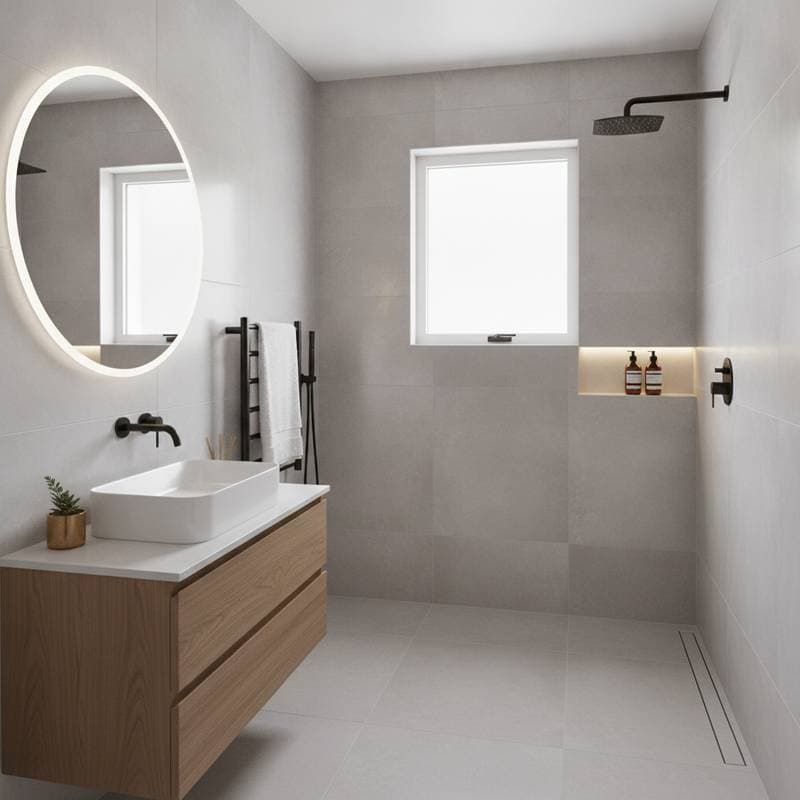
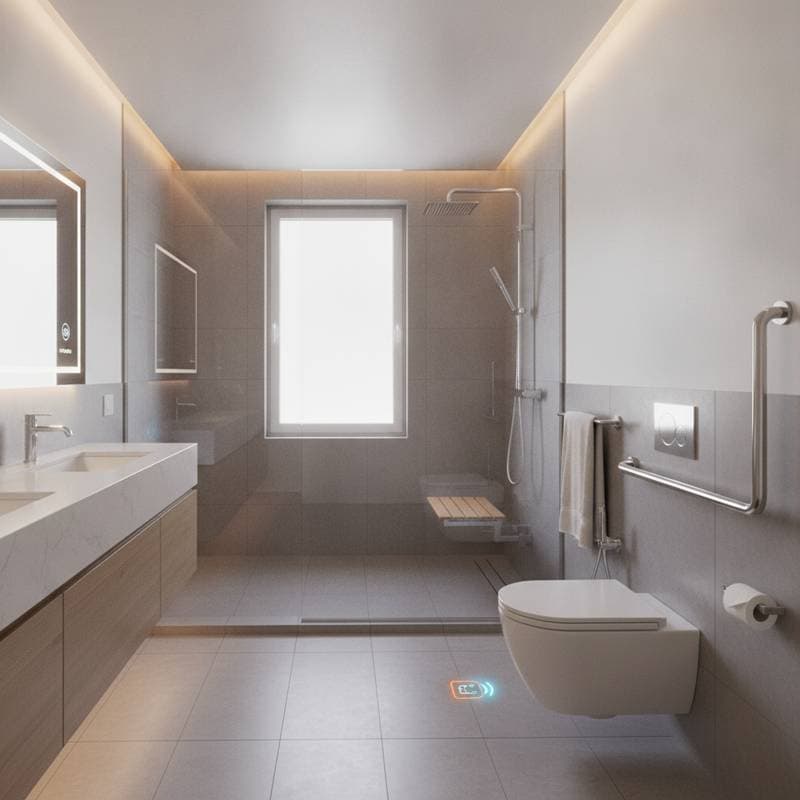
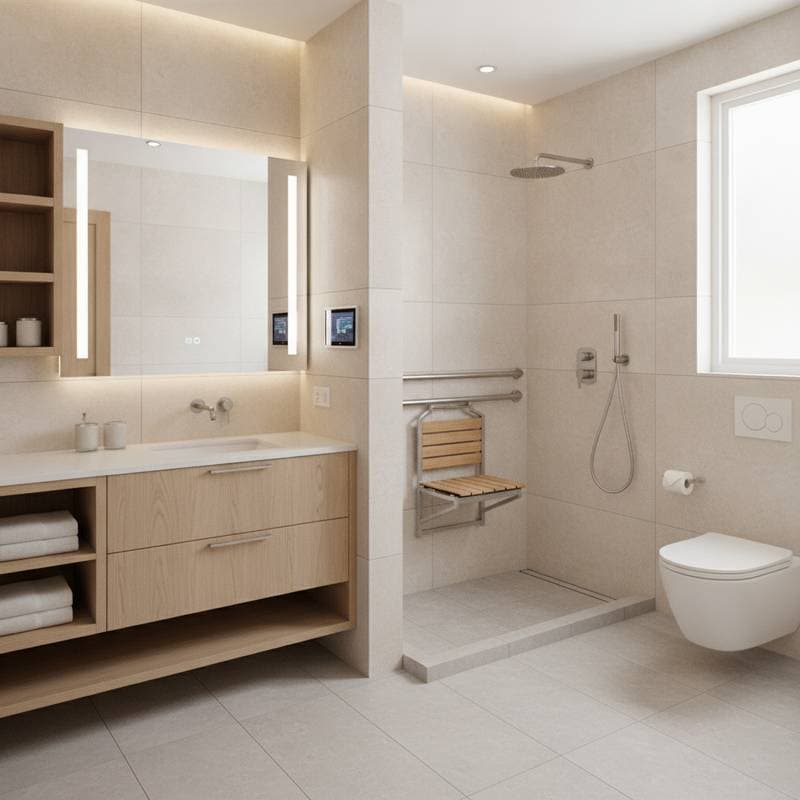
Barrier-free showers form the foundation of bathrooms suited for aging in place. These eliminate curbs or steps between the shower and floor, facilitating entry on foot, with wheelchairs, or using walkers.
Key features:
- Linear drains with gentle slopes to manage water flow
- Porcelain or textured tiles resistant to slipping
- Smooth floor transitions from shower to bathroom
Cost range: Conversions typically range from $5,000 to $12,000, influenced by tile selections, plumbing modifications, and installation efforts.
Safety tip: Insist on a waterproofing membrane beneath tiles to avert leaks. Homes with wooden subfloors necessitate expert installation.
2. Smart Fixtures that Simplify Daily Tasks
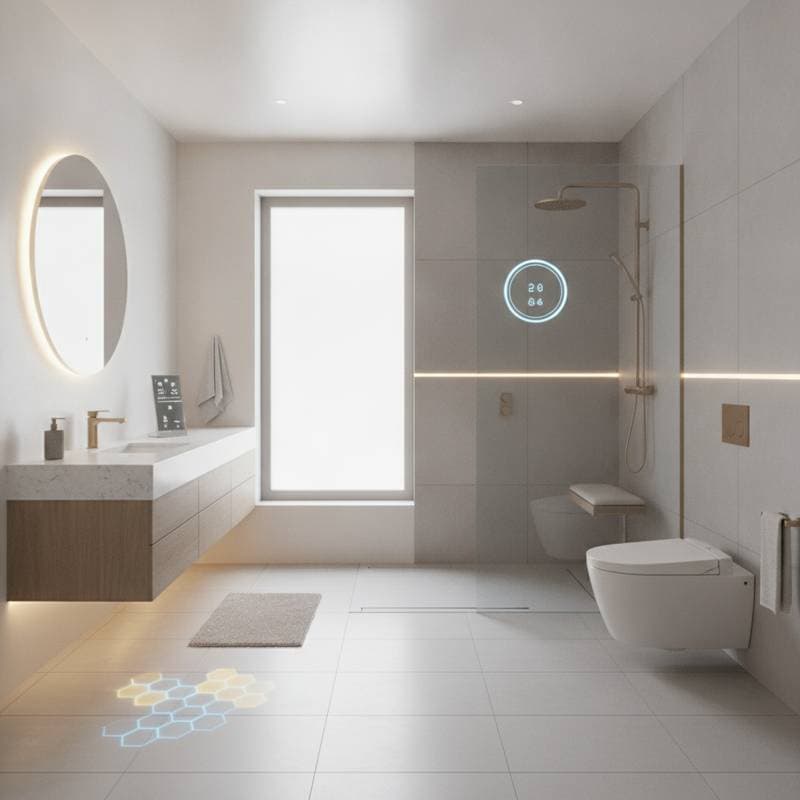
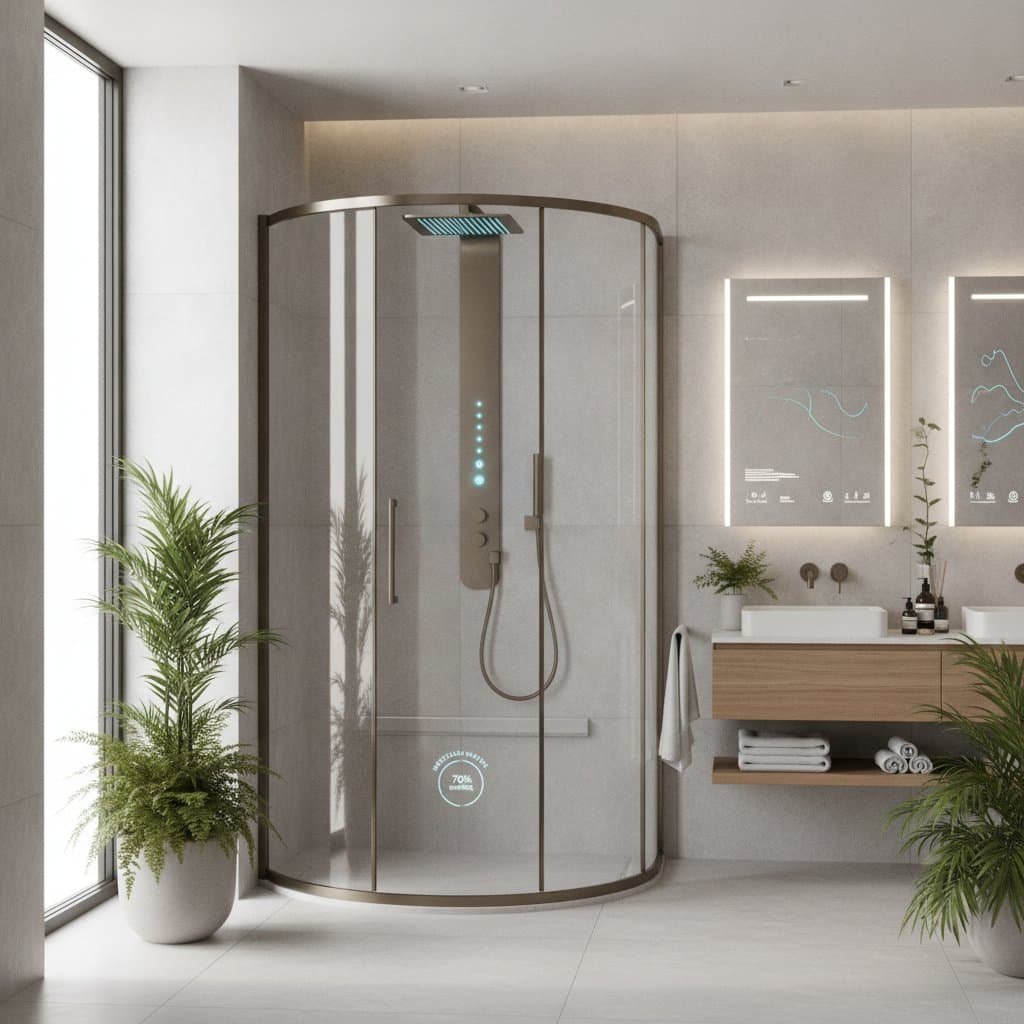
Technology significantly influences accessible bathroom configurations. Sensor-based faucets, automated illumination, and electronic temperature regulators ease physical demands on hands and joints, bolstering security.
Examples include:
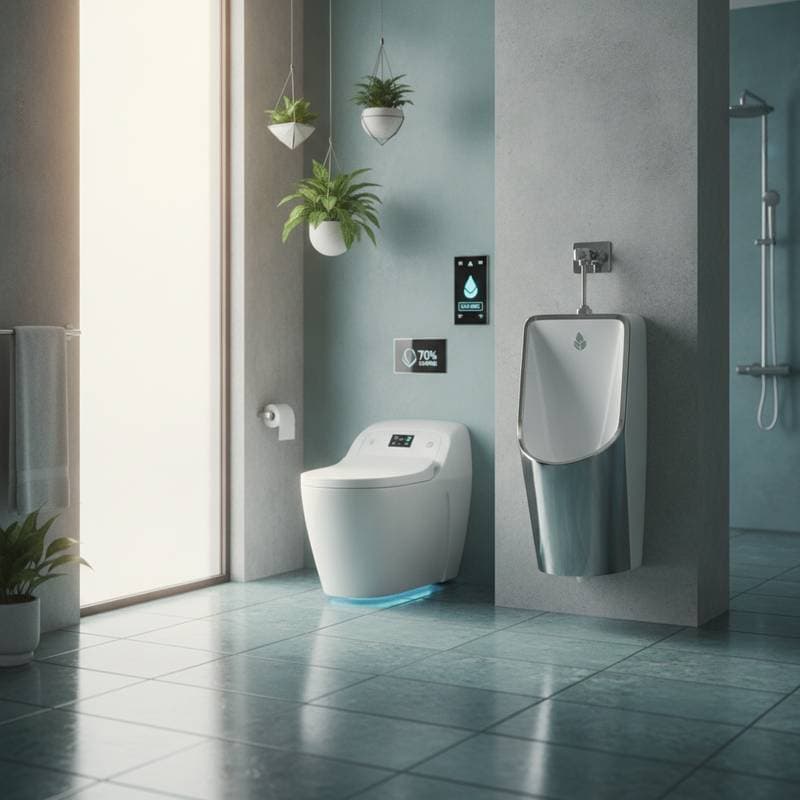
- Smart toilets equipped with auto-flush, self-sanitizing capabilities, and mild bidet options
- Voice-controlled lighting that avoids switch struggles
- Digital shower panels sustaining exact water temperatures
Cost range: Basic smart faucets begin at $300, escalating to $4,000 or higher for advanced toilets and shower setups.
Such enhancements benefit beyond seniors, rendering bathrooms intuitive for children, visitors, and all users.
3. Adjustable-Height Vanities and Sinks
Conventional vanities frequently prove too elevated or extended for wheelchair or aid users. Adjustable or suspended vanities address this by providing knee space and height versatility.
Design tips:
- Select wall-mounted sinks with sturdy brackets for support.
- Integrate tilting or extending mirrors accessible from seated positions.
- Incorporate single-lever faucets for effortless operation.
Cost range: Installed custom floating vanities span $1,200 to $3,500. Mechanically or electrically adjustable versions may exceed $5,000.
4. Comfort-Height Toilets and Bidet Attachments
Modest alterations yield substantial daily benefits. Comfort-height toilets elevate two to three inches above standard heights, aiding sitting and rising.
Bidet attachments enhance cleanliness and limit bending or twisting. Individuals with arthritis or restricted mobility gain considerable autonomy from this addition.
Cost range:
- Comfort-height toilets: $250 to $700
- Bidet attachments: $100 to $800, varying by functionalities
Pro tip: During toilet replacement, install a fortified wall mount adjacent for a grab bar functioning also as a towel rail. This supplies reinforcement discreetly.
5. Non-Slip Flooring with Style
Safety-oriented flooring has progressed remarkably. Slip-resistant options mimic natural stone, wood, or ceramic appearances convincingly.
Popular materials:
- Matte-finish textured porcelain tiles
- Anti-slip coated luxury vinyl planks
- Rubber surfaces for optimal grip
Cost range: Installation costs $4 to $10 per square foot, contingent on selections.
Safety tip: Steer clear of shiny tiles or buffed stone. Minimal water accumulation heightens peril.
6. Lighting That Reduces Shadows and Glare
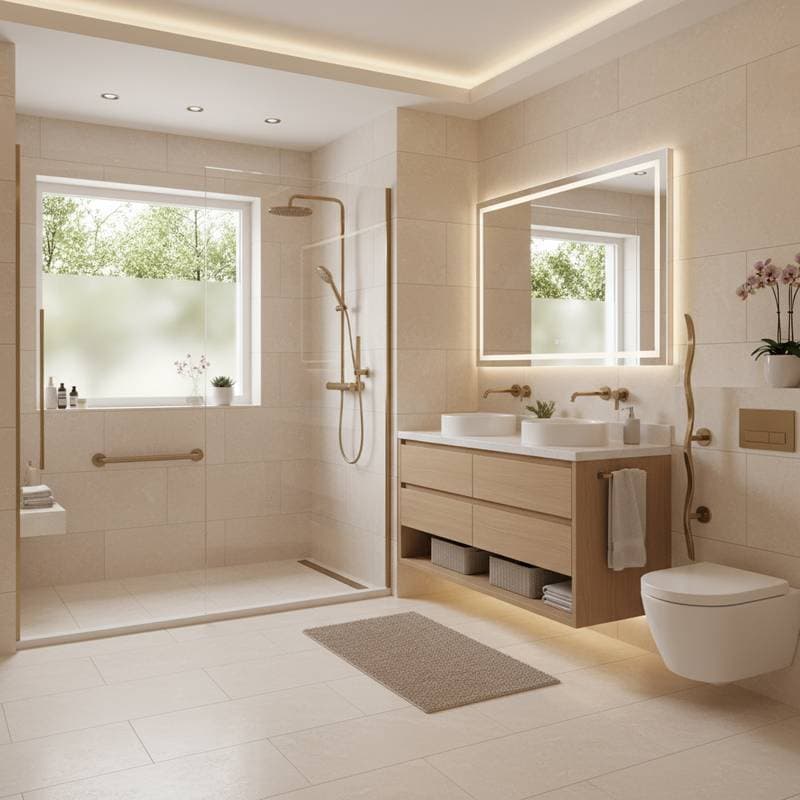
Inadequate illumination transforms secure bathrooms into hazards. Layered lighting schemes now deliver balanced intensity and soothing tones.
Key zones to illuminate:
- Vanity zones via eye-level side sconces
- Shower and toilet regions with moisture-rated recessed lights
- Under-cabinet toe-kick illumination for nocturnal movement
Cost range: Expenditures range from $500 to $2,500, based on fixture caliber and electrical demands.
For those experiencing visual decline, lighting enhancements offer economical yet impactful gains.
7. Grab Bars that Disappear into the Design
Obsolete bulky chrome bars have yielded to integrated versions resembling towel bars, shelves, or dispensers. These ensure security without aesthetic disruption.
Installation tips:
- Secure into studs or reinforced walls
- Match finishes to faucets or accents
- Position near toilets, shower accesses, and enclosures
Cost range: Installed bars cost $100 to $400 each, depending on aesthetics and substrates.
Practical Considerations Before You Begin
Aging-in-place projects demand collaboration among specialists. Consider these elements prior to commencement:
- Permits: Plumbing and electrical alterations usually require approvals. Confirm adherence to local regulations.
- Timeline: Simple fixture or lighting changes complete in days. Comprehensive overhauls extend weeks.
- Budgeting: Partial updates commence at $8,000; full renovations range $20,000 to $35,000, factoring materials and configurations.
- Professional help: Engage contractors versed in universal or aging-in-place principles to uphold safety protocols.
Implementing Your Bathroom Upgrade
Bathroom adaptations for aging in place preserve elegance. Intelligent design accommodates life stages seamlessly.
On limited funds, prioritize economical, influential changes such as grab bars, elevated toilets, and traction flooring. These elevate safety and usability sans complete overhaul.
Through meticulous strategy, expert input, and precise execution, bathrooms emerge as visually appealing, secure sanctuaries fostering independence over decades. Preparation for aging in place extends beyond foresight; it cultivates enduring well-being.