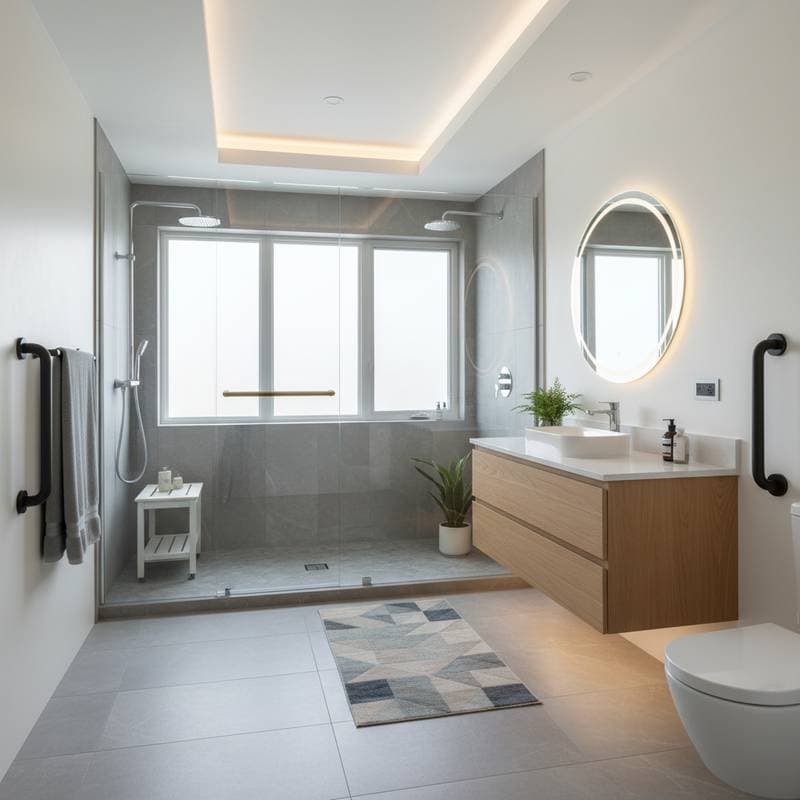
2025 Universal Trends for Age-Friendly Bathrooms
Homeowners increasingly inquire about bathroom remodels that support comfortable aging in place. Designs once labeled as specialized accessibility features now integrate into standard renovations. Effective age-friendly bathrooms unite safety, comfort, and contemporary aesthetics without resembling clinical settings. These spaces appear attractive, provide ease for all users, and contribute enduring value to the property.
As a contractor experienced in constructing numerous such bathrooms, observe that successful projects hinge on thorough planning. Many individuals delay modifications until a health issue demands urgent action. Such circumstances often result in expensive errors. Early preparation allows creation of a bathroom that suits current needs, maintains visual appeal, and accommodates future requirements.
The following outlines key universal trends shaping modern age-friendly bathrooms, along with practical implementation strategies for remodels.
1. Comfort Height Fixtures and User-Friendly Controls
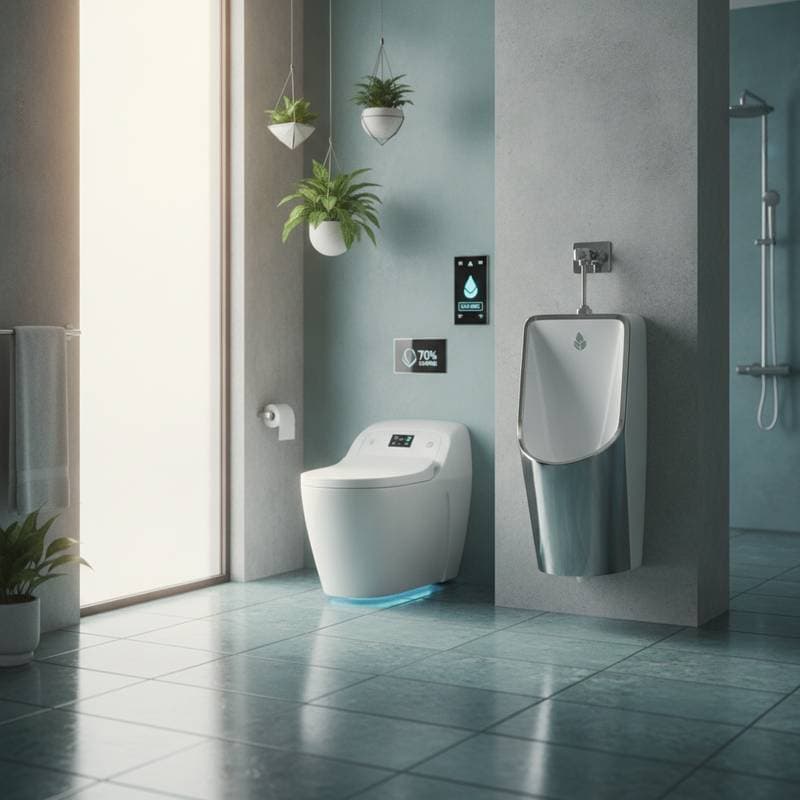
Fixtures previously termed handicap height now appear as comfort height options. Toilets and vanities elevated two to three inches above standard levels minimize stress on knees and hips. This adjustment proves particularly beneficial for older adults and those recuperating from procedures.
Upgrades for toilets and vanities:
- Comfort height toilets reach seventeen to nineteen inches from floor to seat. Select models featuring elongated bowls and soft-close lids for enhanced usability.
- Floating vanities installed at adjustable heights offer versatility for seated tasks. These designs also facilitate straightforward floor cleaning beneath.
- Lever handles or touchless faucets simplify handwashing for individuals with arthritis or reduced grip strength.
In remodels for clients focused on aging, emphasize that all controls and handles must operate using a closed fist. This criterion ensures broad accessibility.
2. Smart Technology for Safety and Convenience
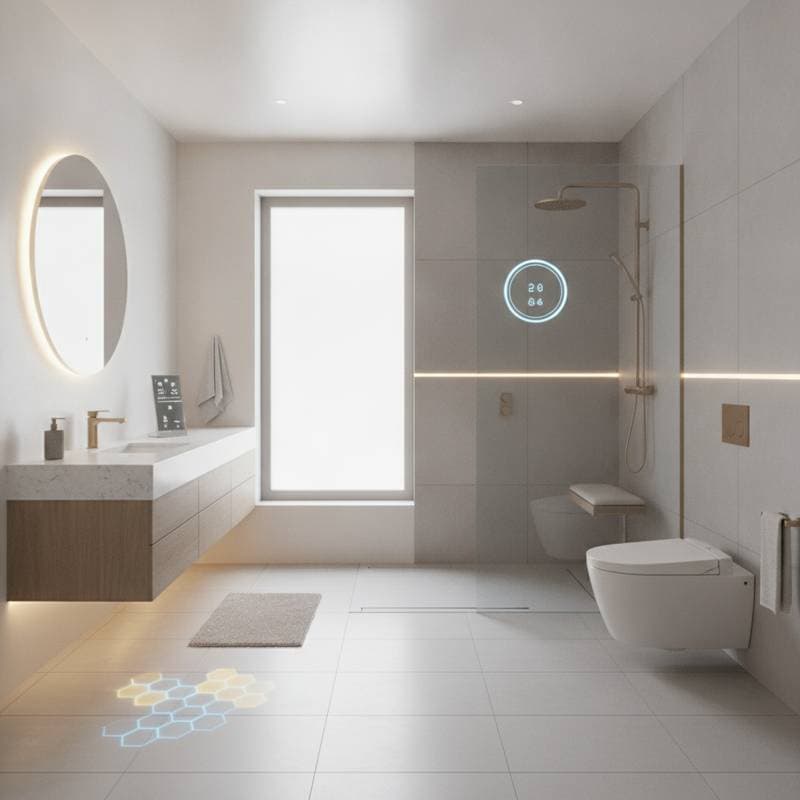
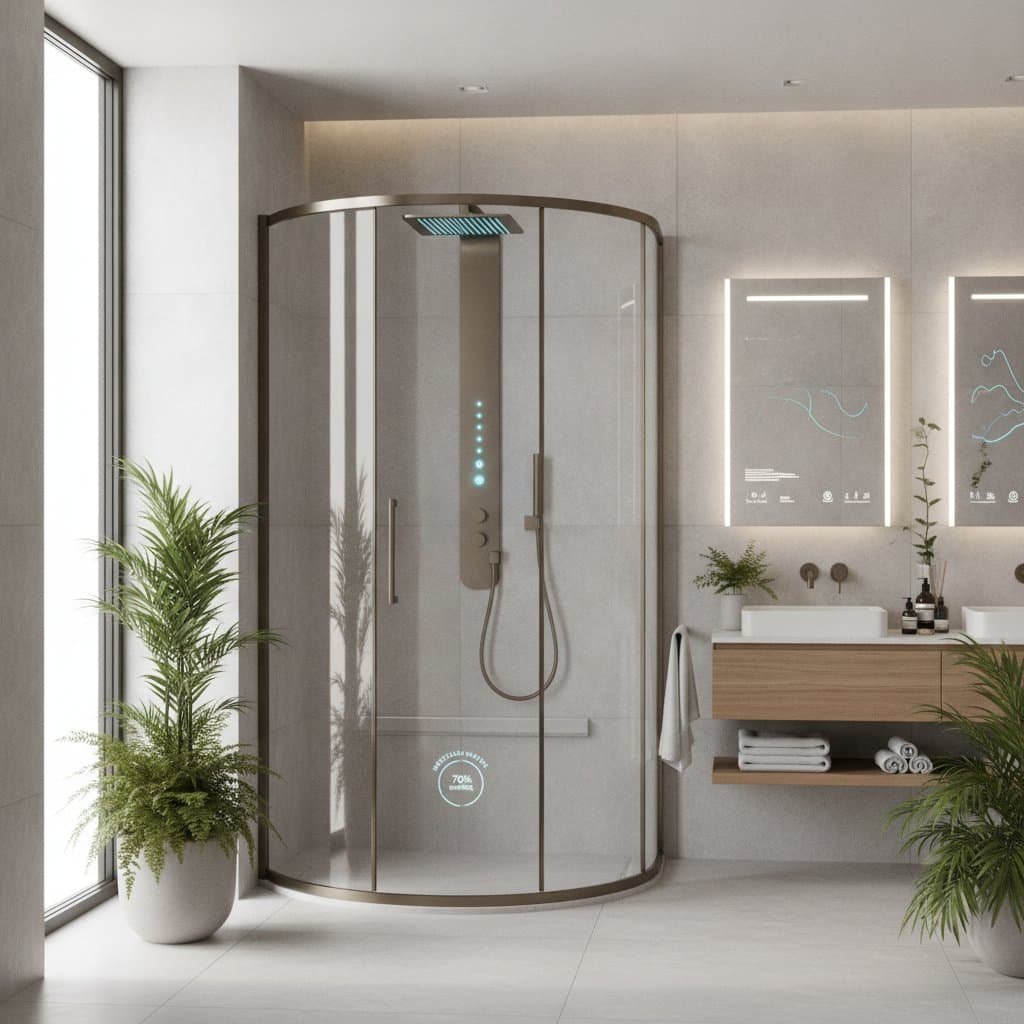
Bathroom technology has evolved beyond heated floors and ventilation systems. Current options include digital shower controls, voice-activated illumination, temperature sensors, and fall-detection devices. These elements enhance daily routines by prioritizing safety and ease.
Practical technology upgrades:
- Digital shower controls set precise water temperature and flow rates to avoid scalding and reduce manual adjustments.
- Heated flooring systems deliver steady warmth, minimizing condensation and providing comfort for bare feet.
- Emergency call buttons or voice assistants enable quick alerts to family members during falls or assistance needs.
- Smart mirrors incorporate adjustable lighting and defogging functions to maintain clear visibility amid steam.
Prior to incorporating technology, confirm the user's familiarity with the features. Recommend initiating with one or two elements rather than outfitting the entire space immediately. This approach preserves simplicity and eases ongoing maintenance.
3. Slip-Resistant and Low-Maintenance Materials
Choices in flooring and wall materials directly affect safety and upkeep demands. Glossy tiles offer visual appeal yet pose risks when wet. Porcelain and luxury vinyl emerge as leading selections for age-friendly bathrooms due to their balance of grip, resilience, and cleaning efficiency.
Tips for material selection:
- Porcelain tile provides superior durability and moisture resistance. Opt for textured or matte surfaces to maximize traction.
- Luxury vinyl tile or plank delivers cushioning underfoot and installs without grout lines, reducing cleaning challenges.
- Quartz or solid-surface countertops withstand stains and feature seamless construction to prevent moisture accumulation.
Steer clear of natural stone unless sealing and maintenance protocols remain rigorous. Even treated, these materials can develop slipperiness and demand frequent upkeep. Assess surface performance in realistic scenarios beyond initial appearance.
4. Warm and Inviting Aesthetics
Age-friendly bathrooms must avoid sterile or institutional vibes. Leading designs draw inspiration from spa and wellness environments. Warm hues, organic textures, and strategic lighting cultivate a sense of comfort and respect.
Design trends balancing style and accessibility:
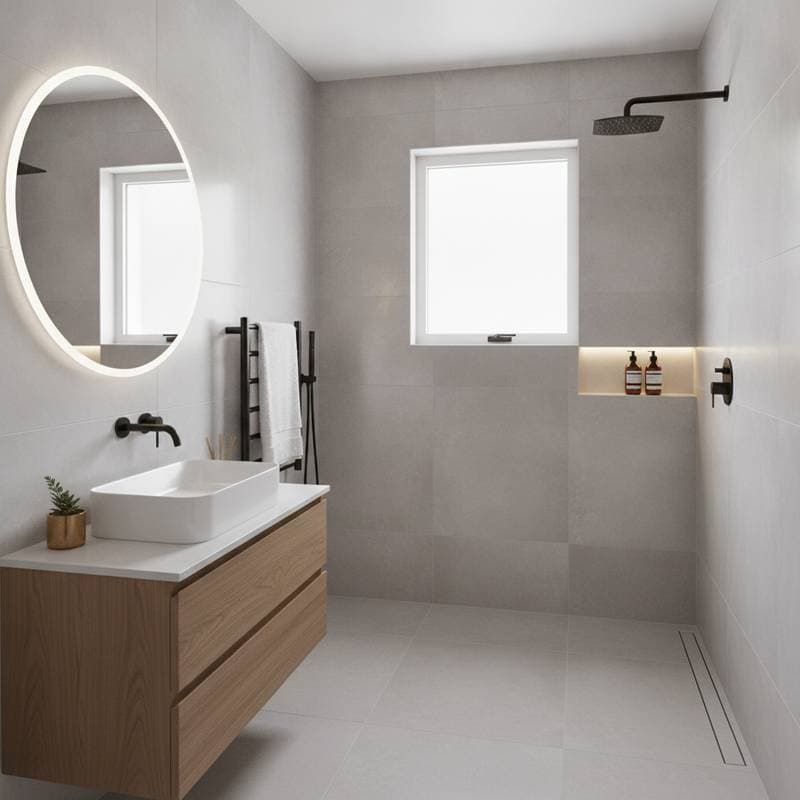
- Earth-tone palettes with gentle beige, gray, and subdued green foster tranquility.
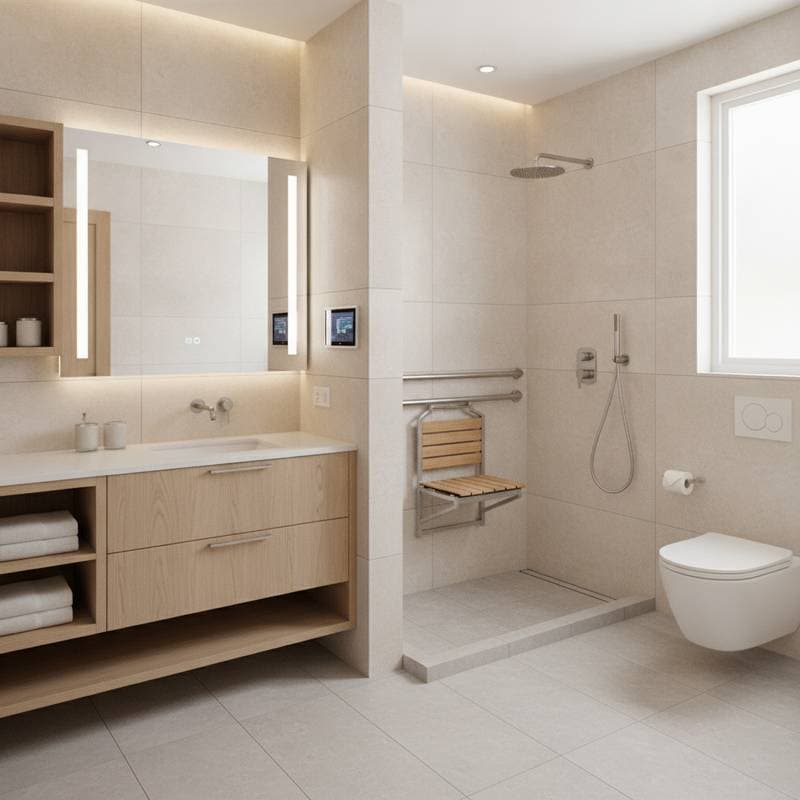
- Wood-look finishes applied to cabinetry or tile introduce warmth without upkeep demands.
- Open shelving paired with hidden storage ensures essentials remain reachable while preserving a tidy aesthetic.
Address client concerns about grab bars or elevated fixtures compromising style by presenting images of contemporary accessible bathrooms comparable to high-end spas. Integration forms the foundation: functionality and elegance reinforce one another.
5. Planning for Future Adaptability
Even without immediate accessibility needs, incorporating forward-thinking elements curbs future expenses. Universal design principles build in flexibility to handle varying conditions without comprehensive overhauls.
Steps to future-proof the bathroom:
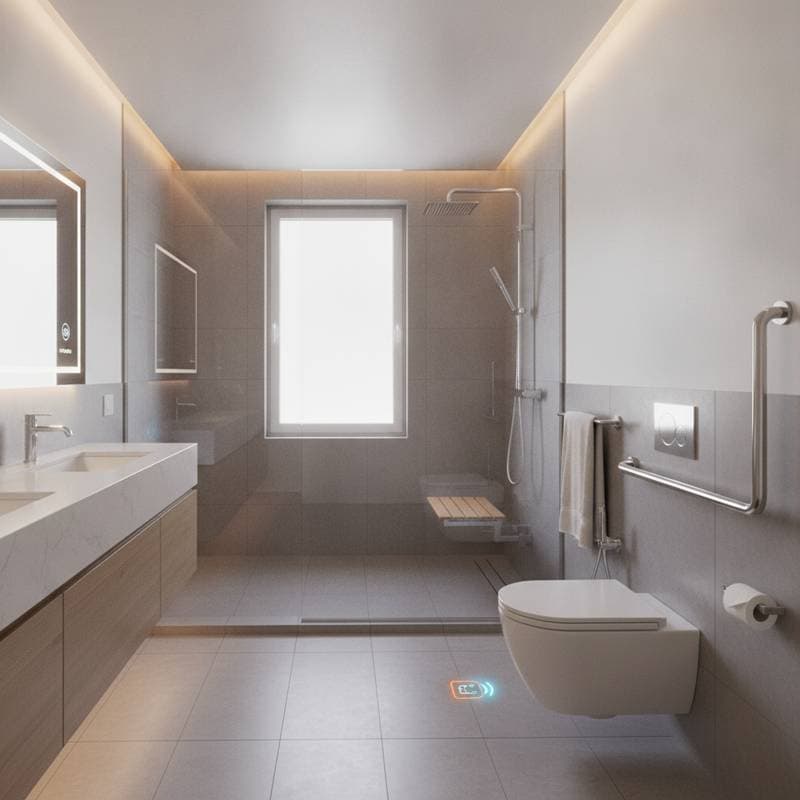
- Reinforce walls behind key fixtures to support eventual grab bar installations.
- Install electrical conduits for devices like bidets or health monitoring tools.
- Incorporate adjustable or removable components, including handheld showerheads, fold-down benches, and modular shelving units.
These preparations incur minimal additional cost during initial construction yet yield substantial benefits over time. Clients frequently express gratitude for swift adaptations years later, avoiding disruptive renovations like tile removal or wall reconstruction.
Sustaining Your Age-Friendly Investment
Regular maintenance preserves the functionality and appearance of an age-friendly bathroom. Schedule annual inspections of fixtures, seals, and technology to address wear promptly. Clean materials according to manufacturer guidelines to uphold slip resistance and hygiene. Periodically review usage patterns and adjust features as needs evolve. These practices extend the space's lifespan, safeguard health, and maintain the home's elevated value for years ahead.