Accessible Bathrooms That Look Luxurious in 2026
Aging in place requires thoughtful design that prioritizes safety without sacrificing visual appeal. Homeowners now seek bathroom upgrades that integrate functional elements seamlessly into high end aesthetics. This approach supports independence across all life stages while maintaining a polished appearance.
Core Planning Principles
Begin by assessing current layout constraints and user mobility needs. Measure door widths, fixture heights, and floor space to identify precise modifications. Consult with a designer experienced in universal design to align safety features with style goals.
Select materials that resist moisture and provide stable surfaces. Focus on durable options that age gracefully under daily use. Budget allocation should cover both visible upgrades and hidden structural supports.
Shower and Bath Innovations
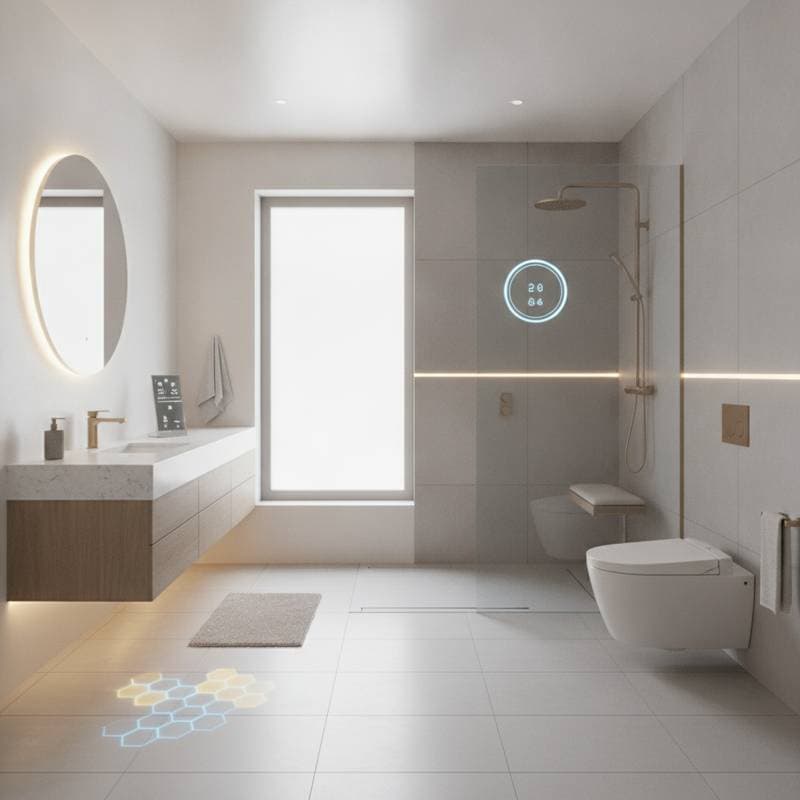
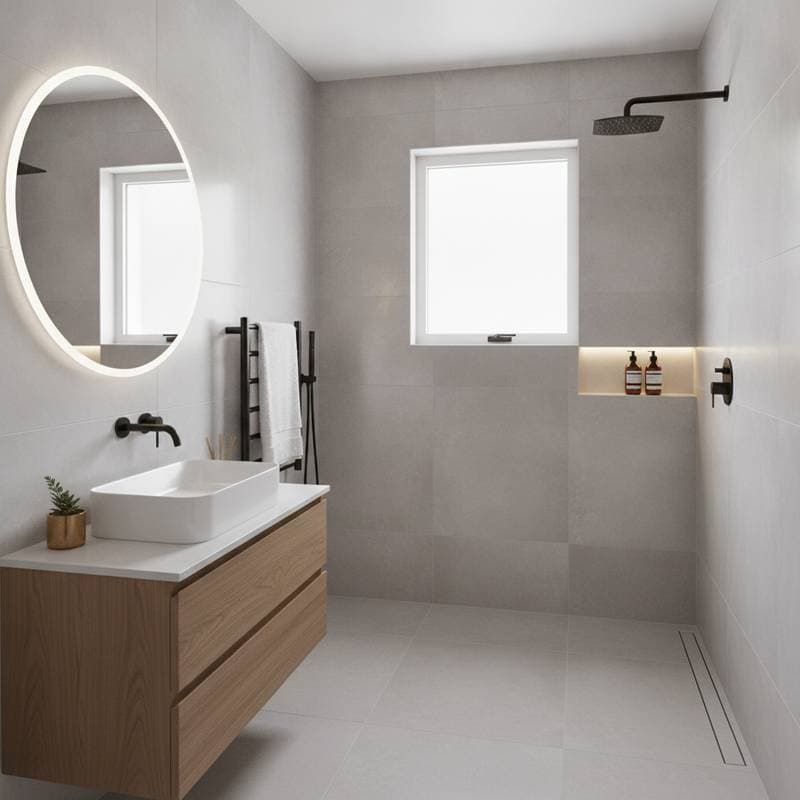
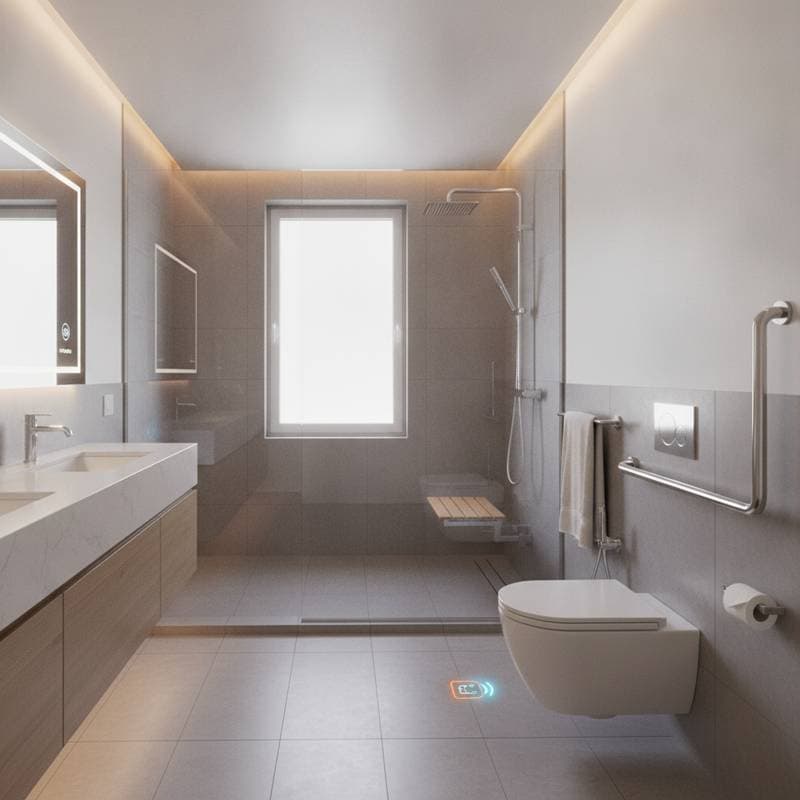
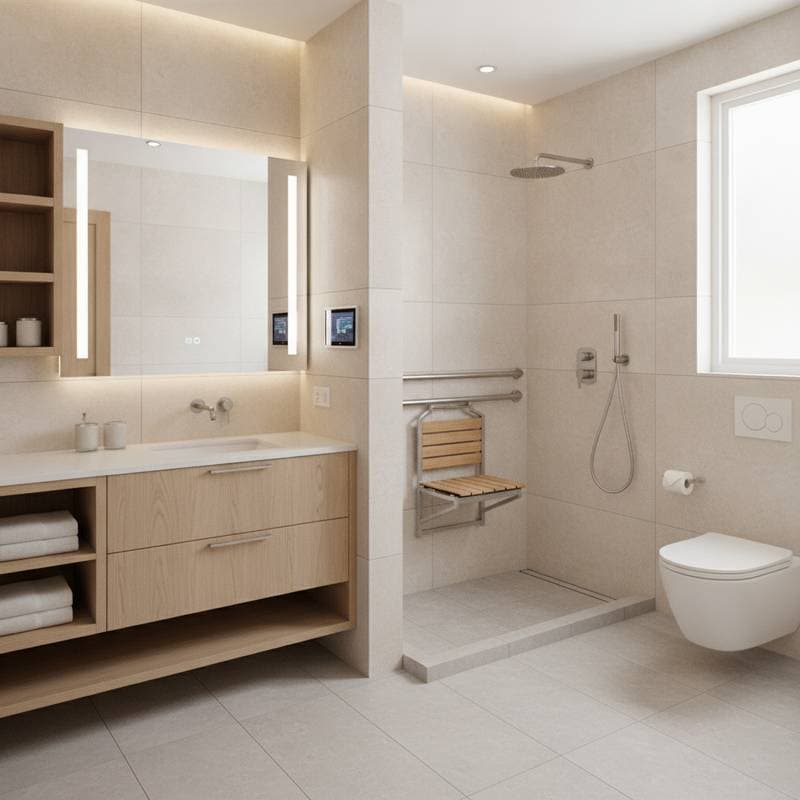
Curbless showers eliminate trip hazards while creating an open, spa like atmosphere. Install linear drains and textured yet slip resistant flooring to maintain safety standards. Rainfall showerheads paired with handheld wands offer flexibility for seated or standing use.
Freestanding tubs with integrated grab points combine soaking luxury with support. Position controls at accessible heights and incorporate anti scald valves for added protection. These choices deliver comfort alongside refined silhouettes.
Storage and Fixture Updates
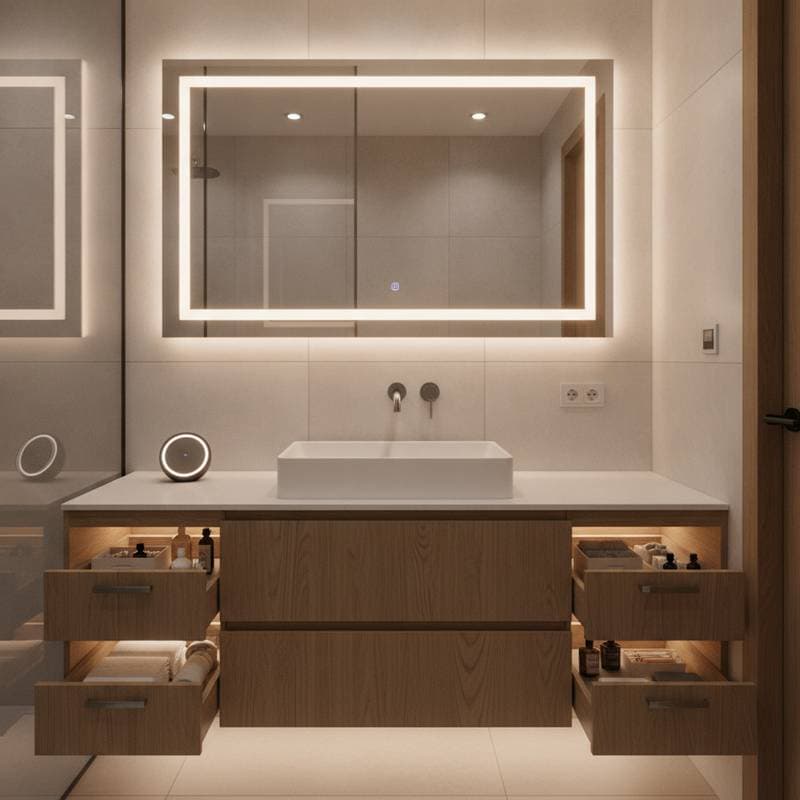
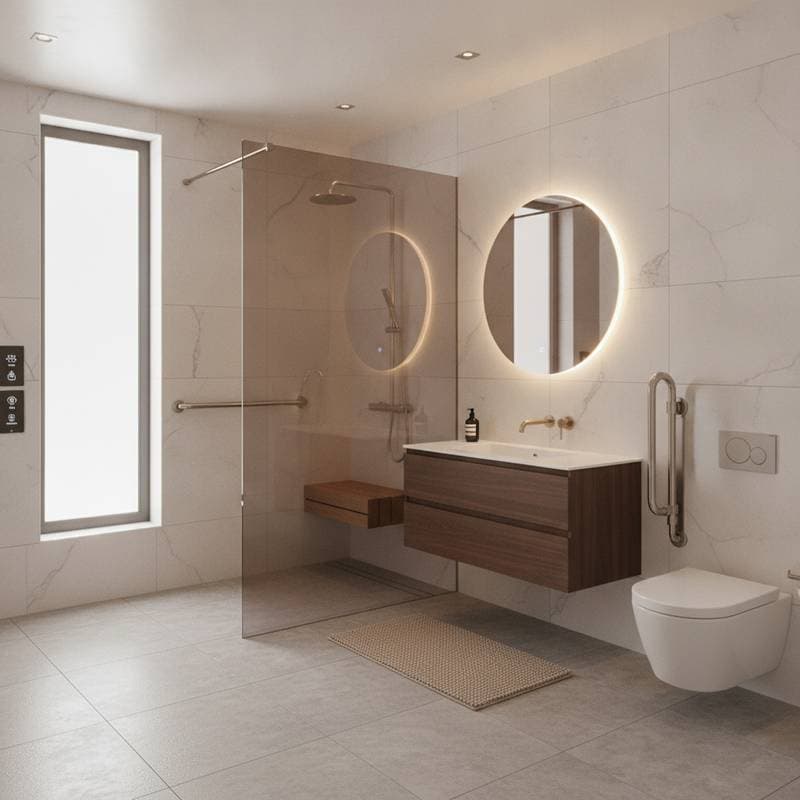
Wall mounted vanities free floor space and allow wheelchair clearance underneath. Choose models with soft close drawers and integrated charging stations for electric toothbrushes. Lever style faucets replace traditional knobs for easier operation.
Floating shelves and recessed niches keep essentials within reach without cluttering surfaces. Opt for quartz or solid surface counters that withstand humidity and clean effortlessly. Lighting positioned at multiple levels reduces shadows around mirrors and task areas.
Technology Integration
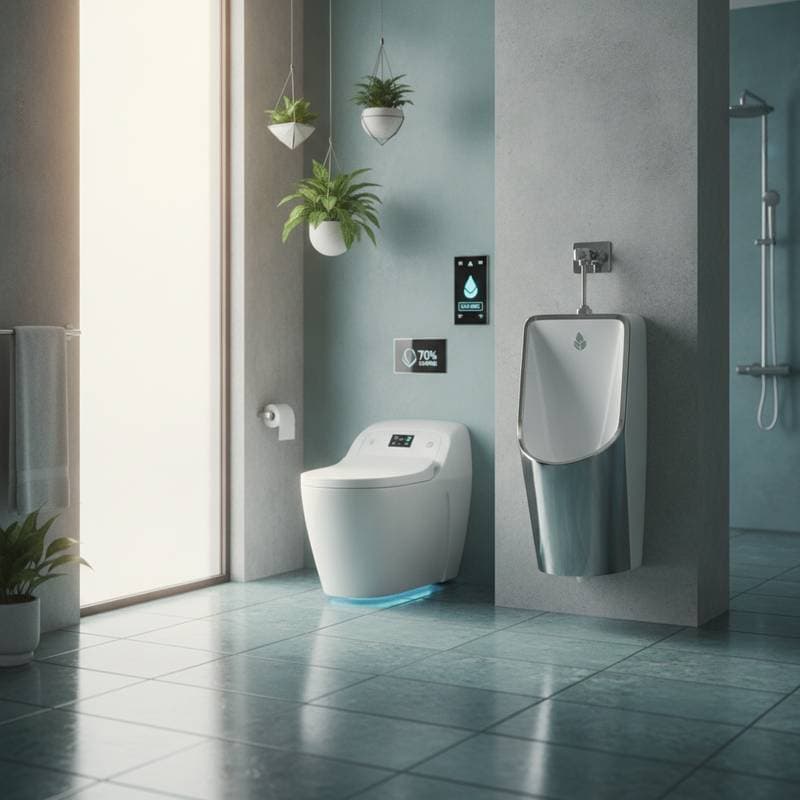
Smart controls manage water temperature and lighting through voice commands or wall panels. Install occupancy sensors that activate ventilation automatically to prevent mold growth. Heated floors provide comfort underfoot and can be zoned for energy efficiency.
Motion activated night lights guide safe passage without disturbing sleep. Leak detection systems send alerts to mobile devices before minor issues escalate. These features enhance daily routines while preserving a streamlined look.
Material and Finish Selections
Porcelain tiles in large formats reduce grout lines and create continuous visual flow. Matte finishes hide water spots better than glossy alternatives. Wood look planks rated for wet areas add warmth without compromising performance.
Metal accents in brushed nickel or matte black coordinate with grab bars and towel holders. Neutral palettes allow accessories to evolve over time. Layered textures through towels, rugs, and window treatments introduce depth.
Implementation Steps
Obtain permits early when structural changes affect plumbing or electrical systems. Hire licensed contractors familiar with accessibility codes to ensure compliance. Phase work to minimize disruption, starting with non invasive updates like fixtures before tackling flooring.
Test all elements during installation to confirm reach ranges and clearances. Adjust as needed before final sealing and finishing. Schedule regular maintenance checks to preserve both function and appearance over years of use.
Long Term Benefits
These upgrades increase property value by appealing to a broad range of buyers. Residents gain confidence and autonomy in spaces designed for real life needs. The result is a bathroom that supports wellness today and adapts gracefully for tomorrow.