2026 Trends Revolutionizing Aging-in-Place Bathrooms
Bathrooms often become less convenient and more hazardous with age. Tasks such as entering a bathtub or traversing slick floors demand greater effort and caution. Homeowners increasingly seek modifications that enhance safety, comfort, and navigation while preserving aesthetic appeal. Current aging-in-place design trends convert these necessities into sophisticated enhancements.
This overview examines forthcoming accessible bathroom innovations and provides guidance for incorporating them into remodels.
Why Bathrooms Matter Most for Aging in Place
Bathrooms rank among the primary sites for home injuries, particularly slips and falls. As mobility declines, subtle design elements significantly influence daily safety and autonomy. Aging-in-place renovations aim to sustain long-term residency in familiar surroundings with assurance and ease.
Historically, accessible features appeared utilitarian or provisional. Contemporary approaches integrate universal design with premium materials, merging utility and elegance. Emerging patterns demonstrate that accessibility need not resemble institutional settings.
The Shift Toward Universal Design
Universal design crafts environments usable by individuals of all ages and abilities. This philosophy suits multigenerational families or those committed to lifelong home occupancy. In bathrooms, it emphasizes seamless pathways, instinctive configurations, and adaptability to evolving requirements.
Anticipate these elements gaining prevalence:
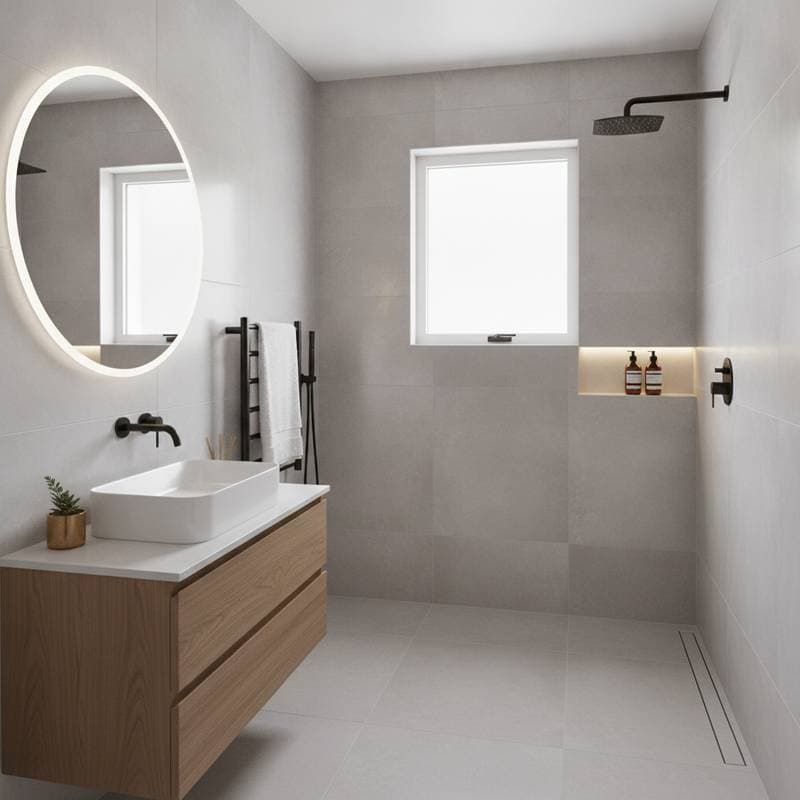
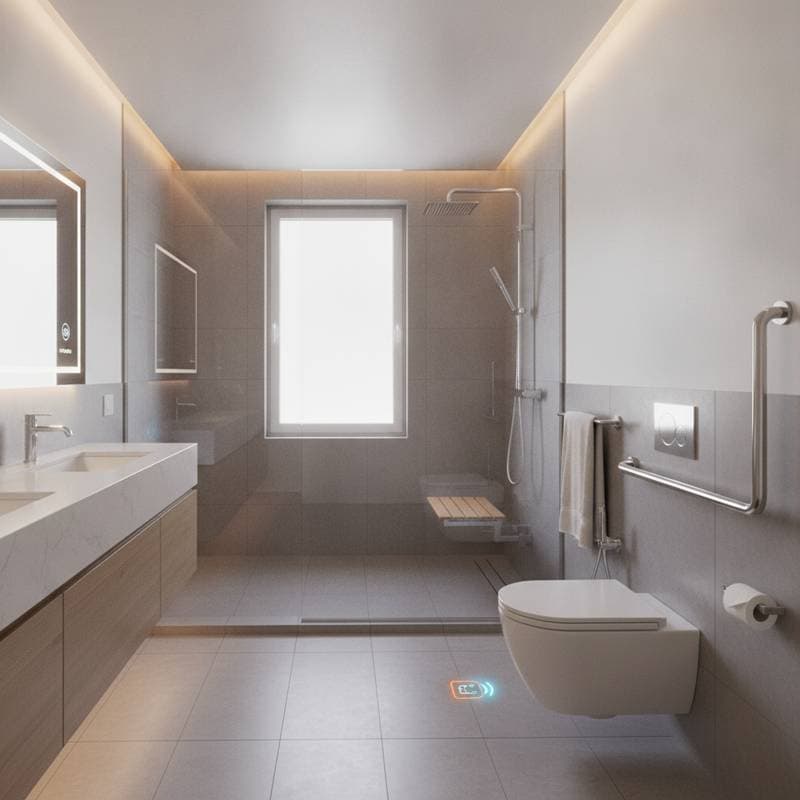
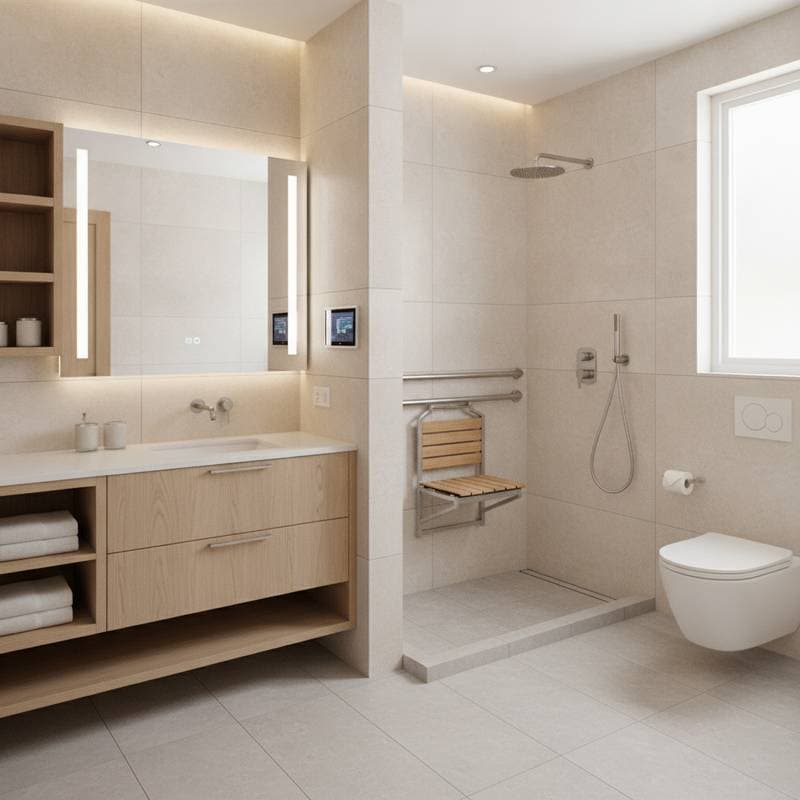
- Zero-threshold showers featuring broad, unobstructed entrances
- Adjustable-height vanities accommodating seated or standing positions
- Comfort-height toilets minimizing stress on knees and hips
- Lever-style handles on sinks and faucets facilitating secure grasp
- Slip-resistant flooring ensuring grip in wet conditions
Such modifications elevate safety and convenience for all household members.
Trend 1: Spa-Level Comfort Meets Accessibility
Traditional accessibility prioritized function over form. Today, designs deliver both therapeutic relaxation and visual allure, evoking private spas.
Walk-in tubs now incorporate contoured seats, therapeutic jets, and rapid drainage. Basic units begin at $2,000, while advanced versions with heated benches and electronic interfaces exceed $8,000.
Curbless showers eliminate entry barriers for a fluid, expansive appearance. Installation by experts ranges from $5,000 to $10,000, influenced by tiling choices and drainage modifications. Although initial costs are substantial, these investments yield enduring security and property appreciation.
Incorporate integrated benches and adjustable showerheads to foster indulgence alongside practicality across life stages.
Trend 2: Smarter Fixtures and Sensors
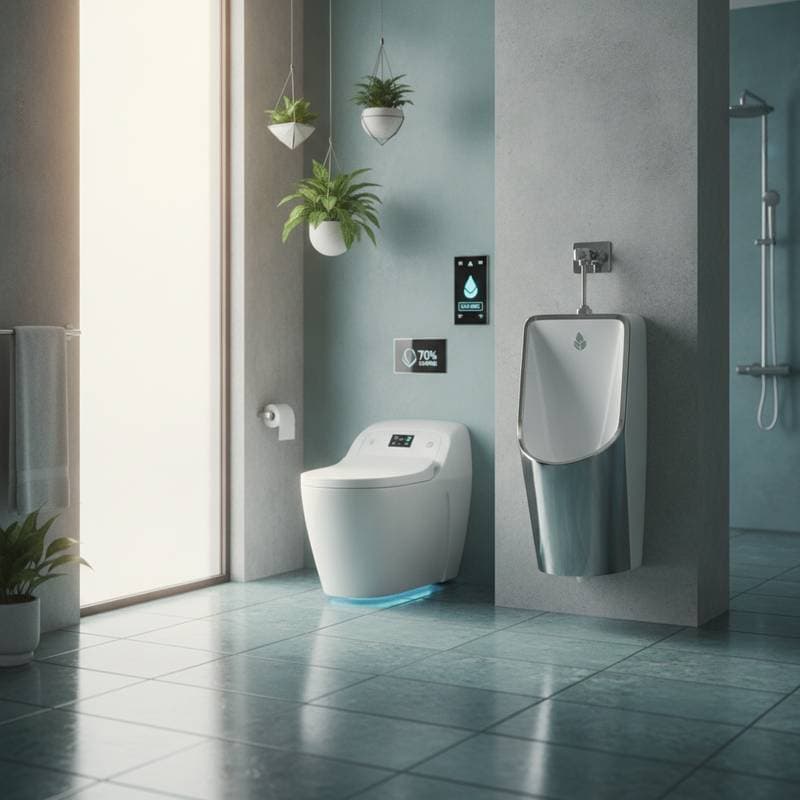
Technology subtly enhances bathroom safety by preempting mishaps and streamlining routines.
Key innovations encompass:
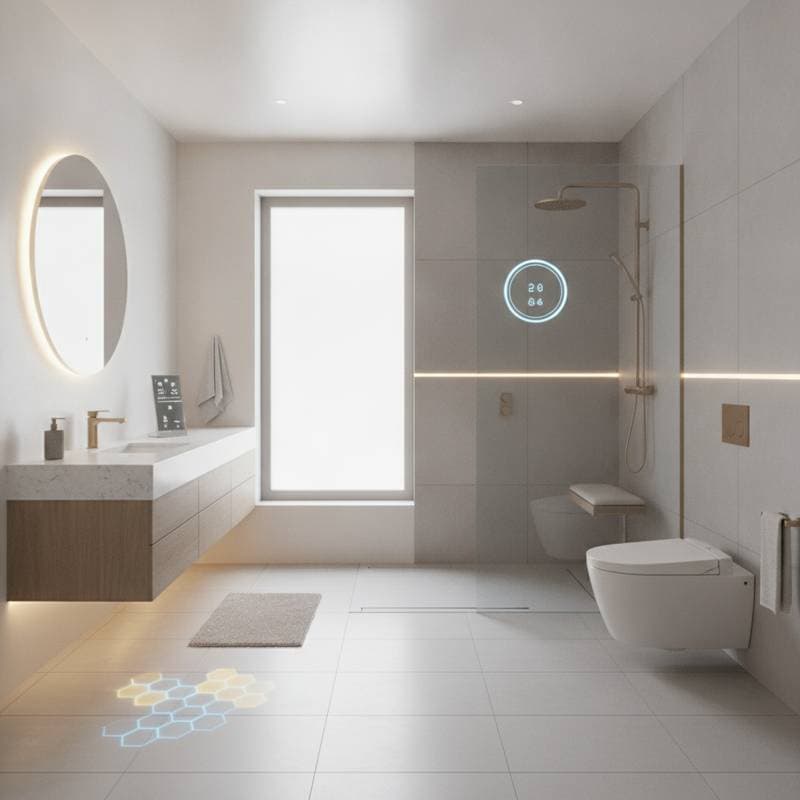
- Motion-activated lights illuminating paths to avert nocturnal stumbles
- Thermostatic faucets guarding against burns from hot water
- Voice-activated showers enabling touchless regulation of flow and temperature
- Sensors detecting leaks or excess moisture, issuing timely notifications
Smart faucet or shower integrations add $500 to $2,000 to budgets, yet deliver reassurance and ease. Compatibility with voice assistants allows remote or spoken adjustments.
Trend 3: Warm, Natural Materials
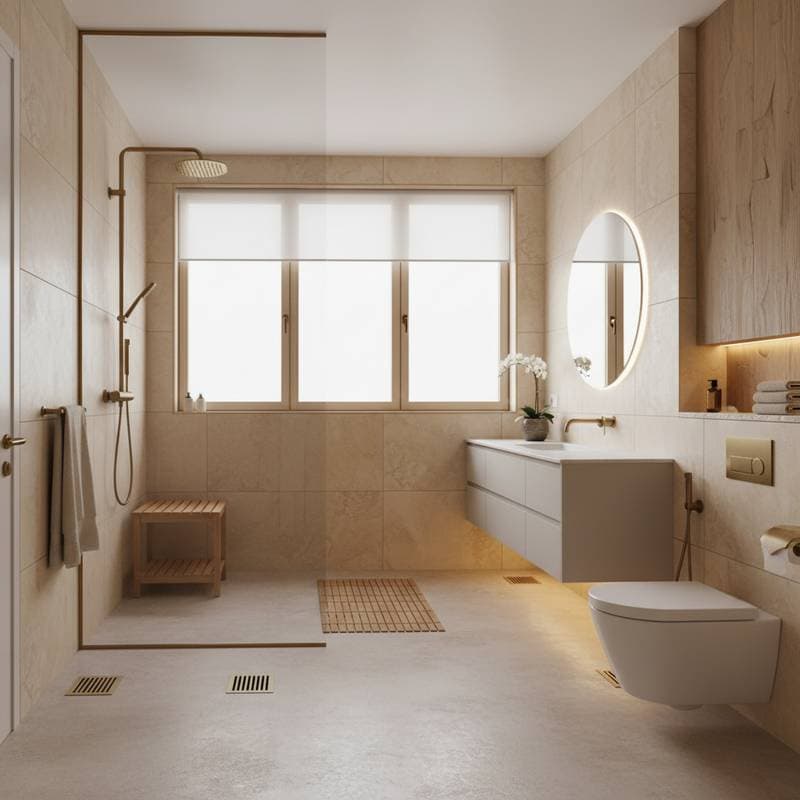
Aging-in-place aesthetics reject cold, clinical palettes in favor of inviting hues, tactile surfaces, and gentle illumination.
Selections such as matte porcelain tiles, composite stone counters, and bamboo vanities offer warmth, resilience, and non-slip properties. Finishes in brushed nickel or matte black provide subtle definition without reflective glare.
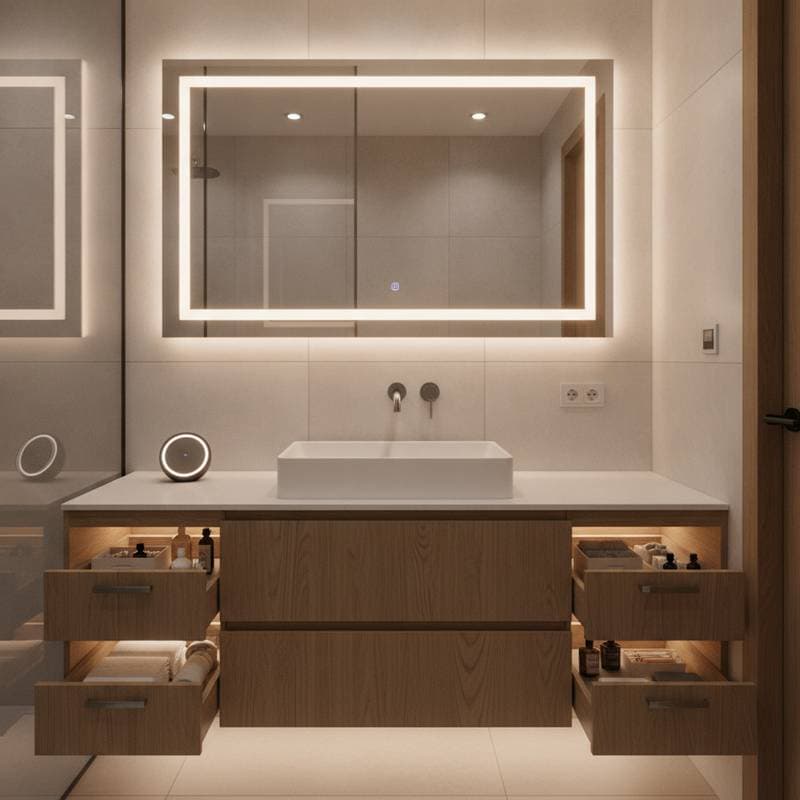
Strategic lighting layers—ambient, focused, and decorative—minimize shadows and boost clarity. Comprehensive upgrades cost $800 to $2,500, scaled to bathroom dimensions and component standards.
Trend 4: Flexible Layouts for Future Needs
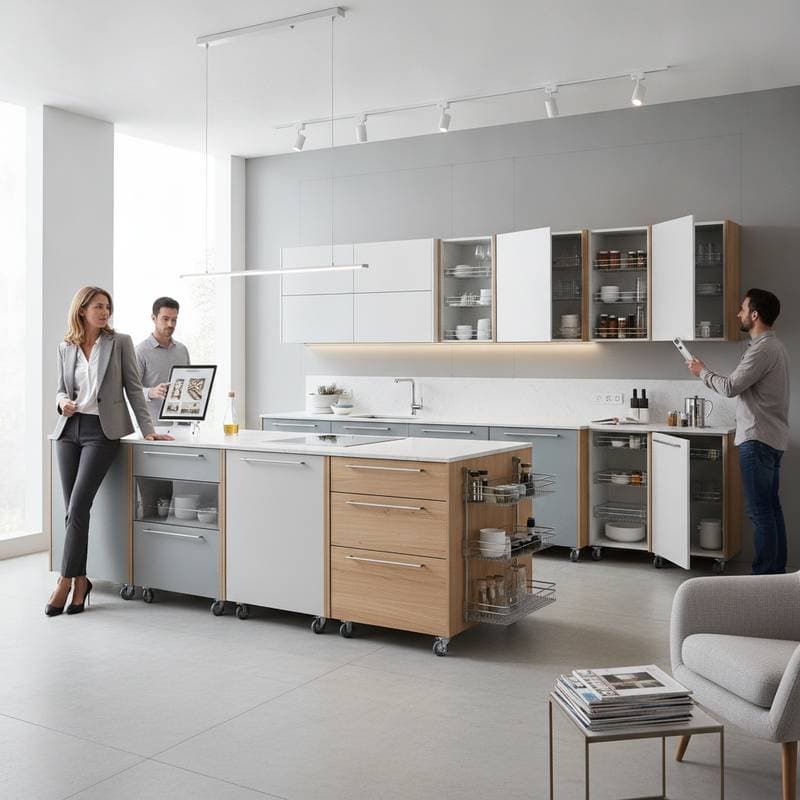
Forward-thinking design anticipates adaptations to shifting physical demands. This involves preemptively strengthening structures for grab bars or allocating space for mobility aids.
For comprehensive renovations, implement these measures:
- Expand doorways to a minimum of 36 inches to simplify passage.
- Embed wall blocking for prospective grab bar mounts, even if deferred.
- Opt for flooring with a wet coefficient of friction at least 0.42.
- Install wall-hung sinks or suspended vanities permitting under-space for wheelchair access.
These enhancements contribute $1,500 to $3,000 to total expenses but avert future retrofitting costs.
Trend 5: Color and Contrast for Visibility
Age-related vision changes heighten the value of defined edges and surfaces. Designers employ understated contrasts to delineate boundaries without disruptive starkness.
Pair darker floors with pale vanity bases to aid depth perception. Highlight grout lines to mark tile perimeters, curbing missteps. Diffuse lighting mitigates glare and strain.
These strategies bolster security while cultivating serene environments. A professional color analysis incurs $200 to $500, yielding substantial practical benefits.
Cost and Planning Considerations
Accessible bathroom expenses vary by dimensions, selections, and scope. Consider this outline:
- Basic DIY alterations (under $2,000): Secure grab bars, place non-slip mats, fit handheld showerheads, and enhance illumination.
- Moderate renovation ($10,000 to $25,000): Convert tubs to walk-in showers, modernize fixtures, refine lighting, and optimize storage.
- High-end overhaul ($25,000 to $45,000+): Reconfigure layouts, install curbless entries, integrate intelligent systems, customize storage, and apply opulent surfaces.
Plumbing or electrical alterations often necessitate permits; consult local authorities. Engage specialists versed in universal design or aging-in-place certifications.
Remodel durations span two to six weeks. Intricate tiling or alterations may prolong timelines, requiring interim bathing solutions.
Safety and Professional Help
Certain tasks suit capable homeowners, including grab bar fixation or lighting swaps. Plumbing, wiring, or framing demands licensed expertise to prevent hazards and repairs.
Inquire about flooring traction evaluations and sealing guarantees. Confirm contractor credentials, insurance, and client testimonials from comparable undertakings. Prioritize enduring functionality over mere completion.
Implementing Your Vision
Aging-in-place bathroom updates preserve style and self-reliance by tailoring spaces to personal evolution. Assess primary obstacles—such as tub barriers, dim lighting, or inadequate storage—then select feasible enhancements within financial means.
Incremental adjustments like superior illumination or elevated toilets simplify routines. For major projects, envision longevity to ensure sustained utility.
Blending accessibility, innovation, and intentional aesthetics crafts enduring sanctuaries. These choices safeguard well-being, foster autonomy, and augment residence worth.