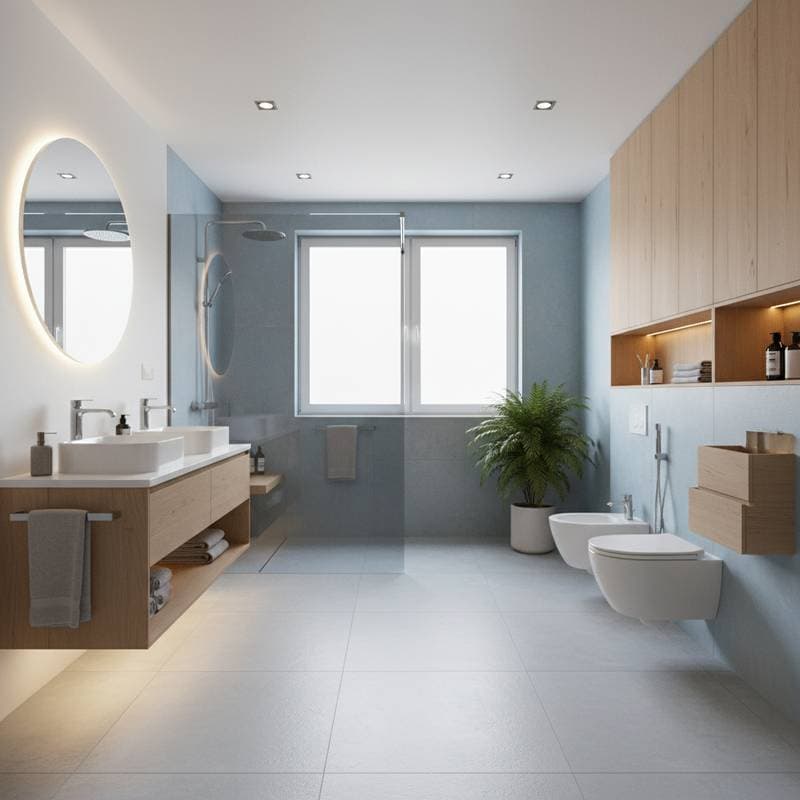
2026 Universal Designs for Aging-in-Place Bathrooms
The bathroom serves as one of the most personal areas in any home, yet it can present significant challenges as mobility and vision change over time. Aging-in-place design addresses these needs by crafting adaptable environments that maintain comfort and visual appeal. Universal design principles elevate bathrooms beyond mere functionality, incorporating refined materials, intuitive features, and subtle technology to create welcoming, enduring spaces.
This selection outlines five key design approaches that define 2026 trends in aging-in-place bathrooms. Each integrates expert craftsmanship with practical empathy, supporting independence while preserving aesthetic harmony.
1. The Connected Bathroom: Technology with Empathy
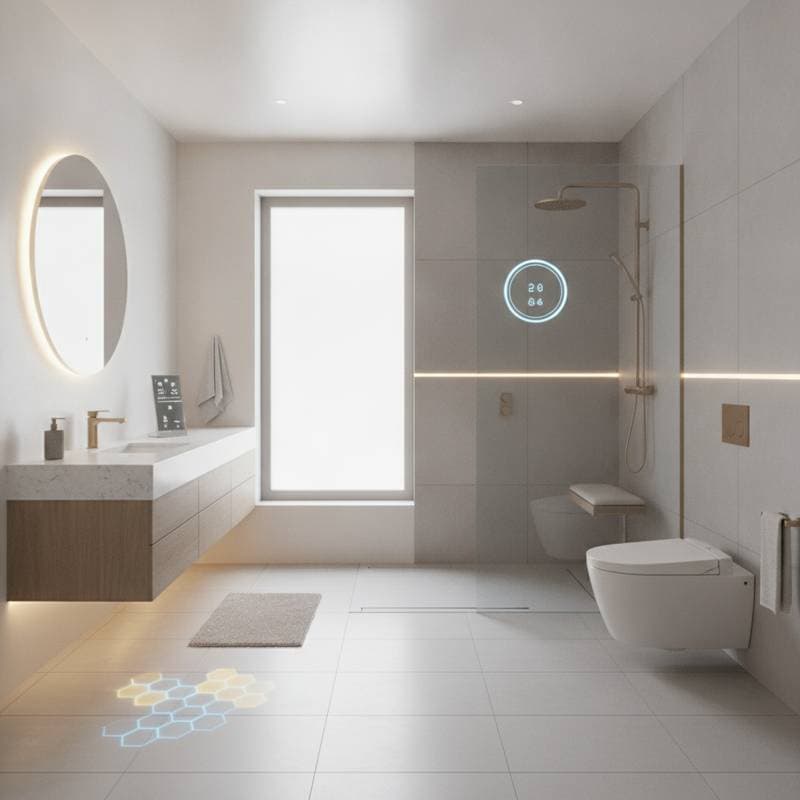
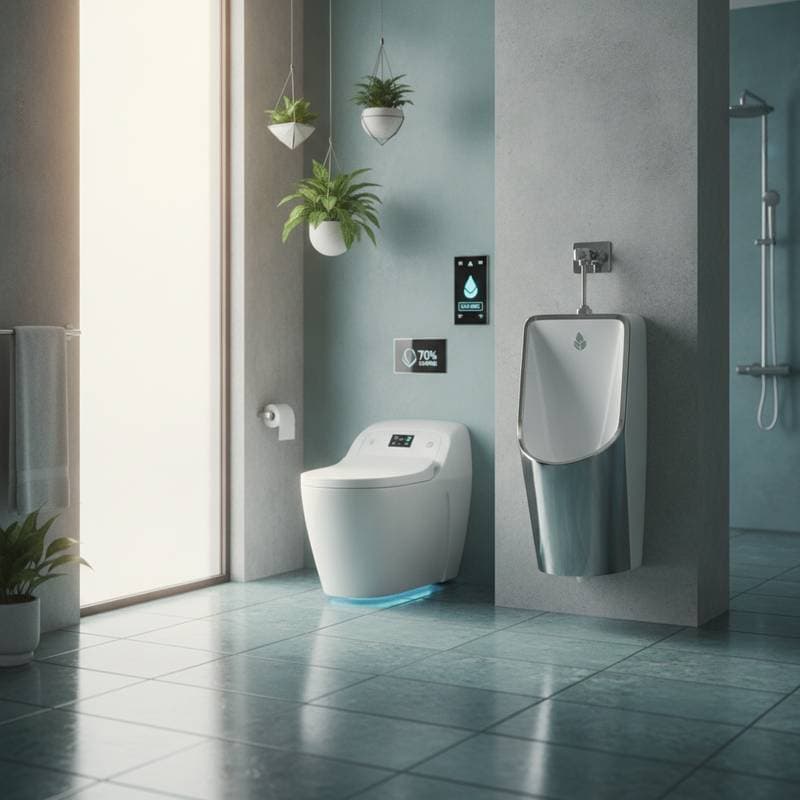
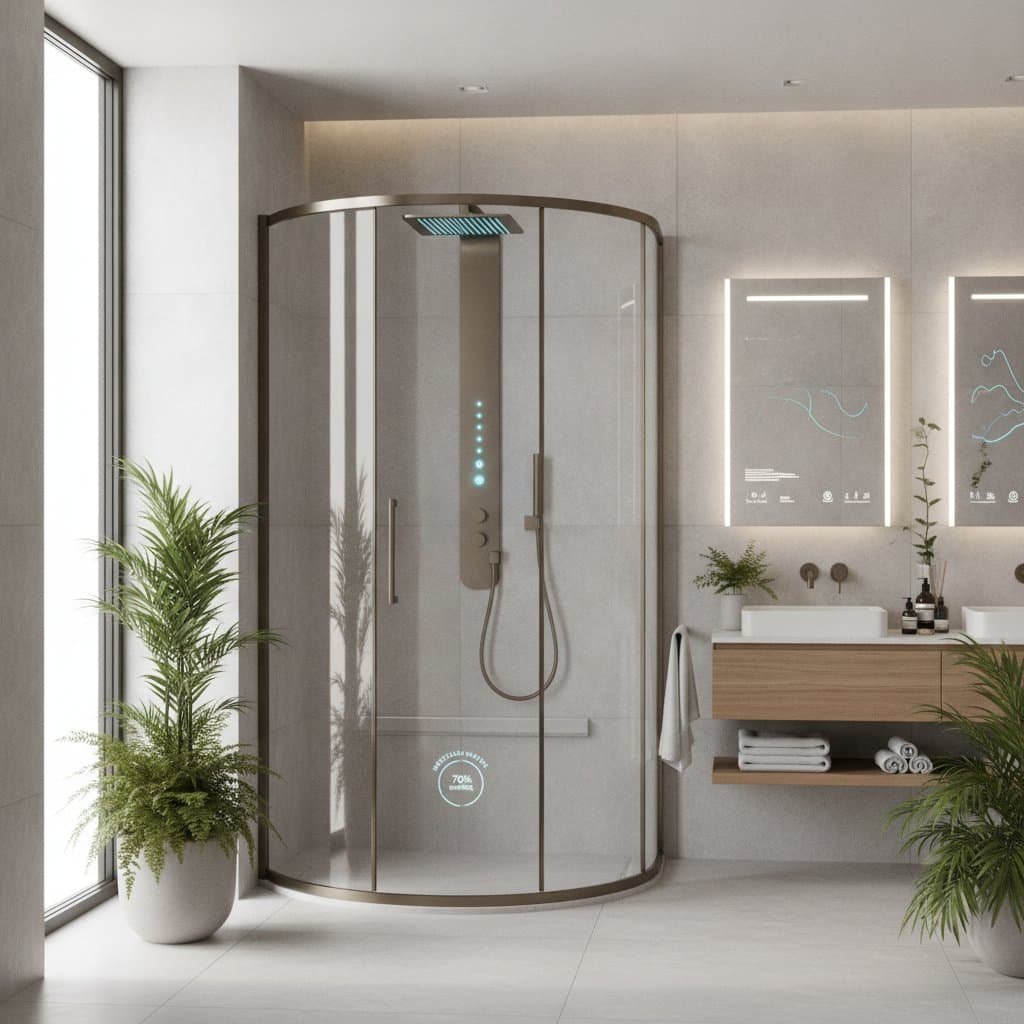
Technology in bathrooms has evolved from gimmicks to seamless aids. Systems now operate quietly in the background, enhancing daily routines without drawing focus. SmartHome Bath Systems offers voice-activated mirrors and touchless faucets that respond to basic voice prompts, adjusting lighting, water temperature, and airflow to user preferences.
Designer Elena Ruiz of Forma Collective notes that these features extend independence effortlessly. Slim sensors hide behind mirrors and counters, ensuring technology remains unobtrusive. This approach turns the bathroom into a responsive partner that anticipates needs and promotes ease.
2. Safety Through Subtle Reinforcement
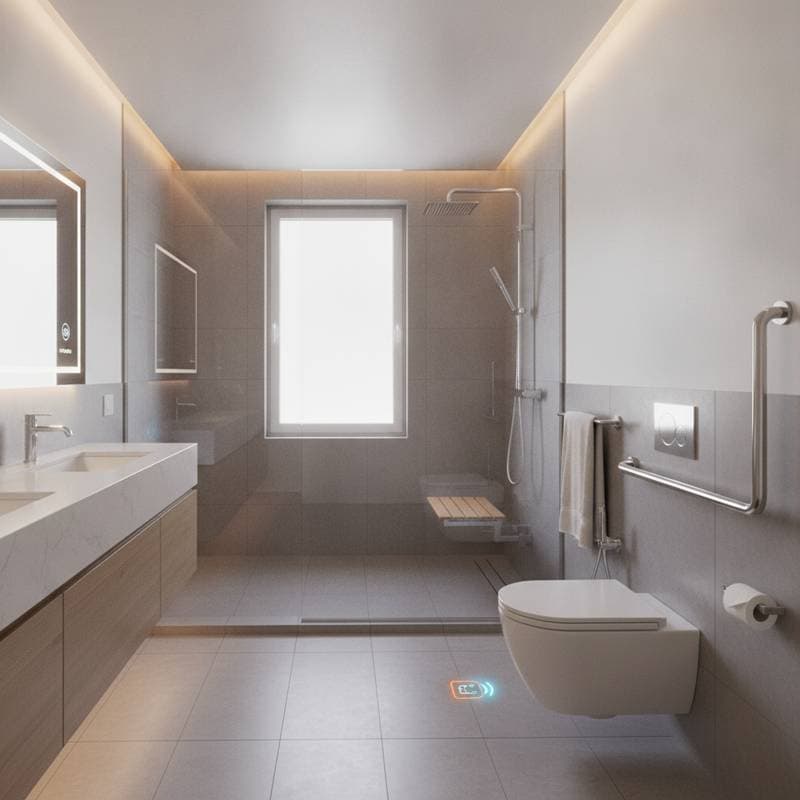
Safety measures blend into the design fabric rather than standing out. Contractors such as MasonBuilt Renovations add blocking behind walls at key points, like near toilets and showers, for future grab bar installations without major disruptions. This preparation allows adaptations as requirements evolve.
Grab bars now function as stylish accents from the outset. Satin nickel options from Kohler or matte black variants from Delta coordinate with modern fixtures, providing support near the vanity, toilet, and shower entrance. Positioned thoughtfully, these elements offer reassurance without altering the room's refined look.
3. Integrated Seating as Architectural Element
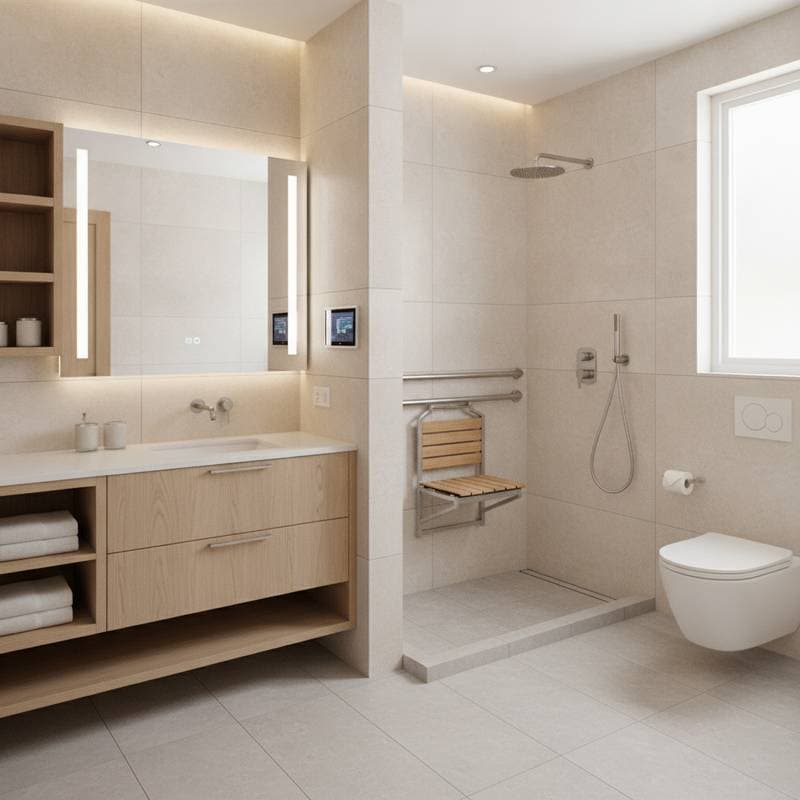
Shower areas gain versatility through built-in seating that encourages relaxation and security. Benches crafted from durable solid surfaces like Corian or quartz deliver firm support and easy maintenance. Architectural firm Harper + Venn creates wall-integrated benches with hidden brackets, making them appear as natural extensions of the space.
A rounded front edge minimizes discomfort during use, and the open underside simplifies cleaning. Pair these with a handheld shower on an adjustable bar to suit both standing and seated preferences. Harper + Venn views these benches as functional art pieces that foster tranquility.
4. Textural Contrast for Visual Clarity
Visual cues guide movement subtly as eyesight shifts with age. Interior designer Karina Soto employs material differences to delineate areas clearly yet minimally. Matte graphite tiles on floors contrast with soft white walls in Farrow & Ball Wevet paint, enhancing edge definition without overwhelming the senses.
Brushed brass grab bars from Inox Design serve dual purposes as towel holders, merging utility with elegance. Soto adds tactile elements, such as ribbed tiles at shower thresholds or varied floor textures near vanities, to aid navigation. These details boost safety and enrich the room's tactile appeal.
5. Adaptive Lighting That Responds to Movement
Lighting shapes both atmosphere and security in bathrooms. Layered systems now adapt via automation for optimal visibility. Thomas Ridell Lighting Studio combines overhead LED panels, mirror-integrated lights, and low-level path guides, activated by motion sensors to illuminate routes softly at night.
Select warm tones from 2700K to 3000K for a soothing effect, and use polished nickel fixtures with frosted diffusers to cut glare. This setup anticipates user paths, instilling confidence during dim conditions and creating a serene environment.
Building Inclusive Spaces
Universal design thrives by integrating seamlessly into routines, feeling intuitive rather than imposed. Effective aging-in-place bathrooms prioritize personal comfort over rigid standards. Designers move toward inclusive aesthetics where utility and beauty coexist equally.
Materials drive this shift forward. Non-slip porcelain tiles replicate natural stone textures authentically. Matte black hardware provides sharp contrast alongside modern flair. Neutral paints in shades like pale greige or soft sage ensure smooth visual flow across surfaces, influencing ease of movement and emotional resonance.
Proportions enhance usability significantly. Opt for doorways at least 32 inches wide, five-foot turning circles, and positioned fixtures for unobstructed paths. Floating vanities and recessed lights expand the sense of space, while strategic mirrors reflect light effectively. These choices turn potential constraints into opportunities for graceful adaptation.
Adding Personal Elements
Core design frameworks set the stage, but individual touches bring warmth and identity. Introduce framed artwork, woven storage baskets, or ceramic accents to infuse character into accessible layouts. These items soften the space and evoke a sense of home.
Layer colorful linens, natural scents from diffusers, and adjustable lighting to elevate functionality into ritual. Place a window-side bench or cushioned vanity stool for moments of pause. Rachel Lin of Haven Studio calls this emotional ergonomics, where visual and sensory details support holistic well-being.
Such spaces endure beyond trends, evolving with residents while retaining their essence. Lin stresses that aging-in-place designs must feel permanent and nurturing, not provisional.
Evolving with Needs
Flexibility defines lasting aging-in-place solutions. Refinish surfaces, update fixtures, and refresh smart integrations as preferences or technologies change. Strong foundations, including reinforced structures, ample clearances, and modular setups, keep updates straightforward.
This forward-thinking approach ensures bathrooms remain supportive allies over time. Independence persists, wrapped in comfort and style that matures alongside life stages.