Why Induction Surpasses Gas in Kitchen Renovations
Homeowners undertaking a kitchen renovation often debate the best choice for the cooking range. Gas stoves hold a lingering reputation as the professional choice, yet this view no longer aligns with current realities. Induction technology excels over gas in key areas such as efficiency, safety, design adaptability, and adherence to evolving building regulations. As a remodeling contractor experienced with both systems, I observe how induction enhances kitchens, controls budgets, and improves everyday functionality in unexpected ways.
The Overlooked Expenses of Gas Stoves
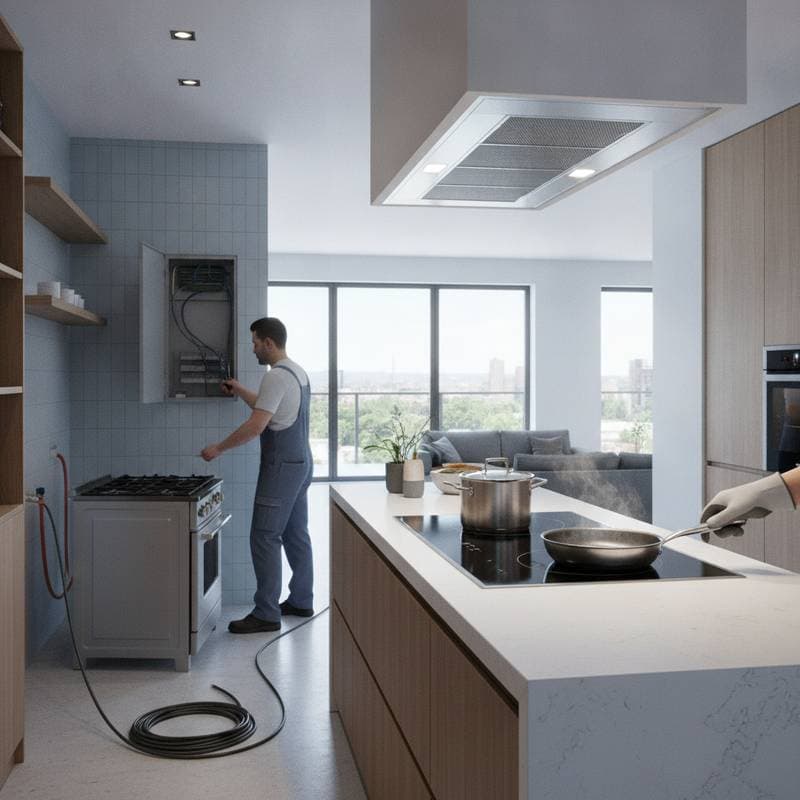
Gas ranges promise responsive control and robust power, but these benefits involve significant drawbacks that surface during renovations. Infrastructure poses the initial challenge: gas installations demand venting systems, supply lines, and clearances for combustion. Relocating the range or modifying walls requires rerouting these elements, along with professional inspections, which can increase project costs by $2,000 to $5,000 before any cabinetry work begins.
Air quality presents another concern. Gas combustion produces nitrogen dioxide, carbon monoxide, and additional pollutants. In well-sealed, energy-efficient homes, these emissions accumulate rapidly. Even effective range hoods struggle to maintain safe levels during intensive cooking sessions. I have encountered projects where stunning kitchens needed added ventilation upgrades after occupants reported headaches and breathing difficulties; such retrofits often exceed the price difference between gas and induction units.
Regulatory changes add further complexity. Certain municipalities now mandate electric-compatible kitchens in new builds and major remodels. Selecting gas at present may necessitate expensive conversions down the line to meet these standards.
Precision and Safety Advantages of Induction
Induction cooktops employ electromagnetic fields to heat pots and pans directly, bypassing the need to warm surrounding air or burner surfaces. This method achieves quicker heating and exact temperature regulation. Removing the pan halts the heat immediately, a responsiveness that impresses users familiar only with the delays of gas or conventional electric stoves.
Contractors appreciate induction for its installation and performance benefits:
- Streamlined installation. Absence of gas lines eliminates venting needs beyond basic code compliance and combustion spacing. This design grants greater layout versatility.
- Enhanced safety. The cooktop surface remains cool away from the pan, minimizing burn hazards. It also avoids open flames near combustible materials like towels or cookbooks.
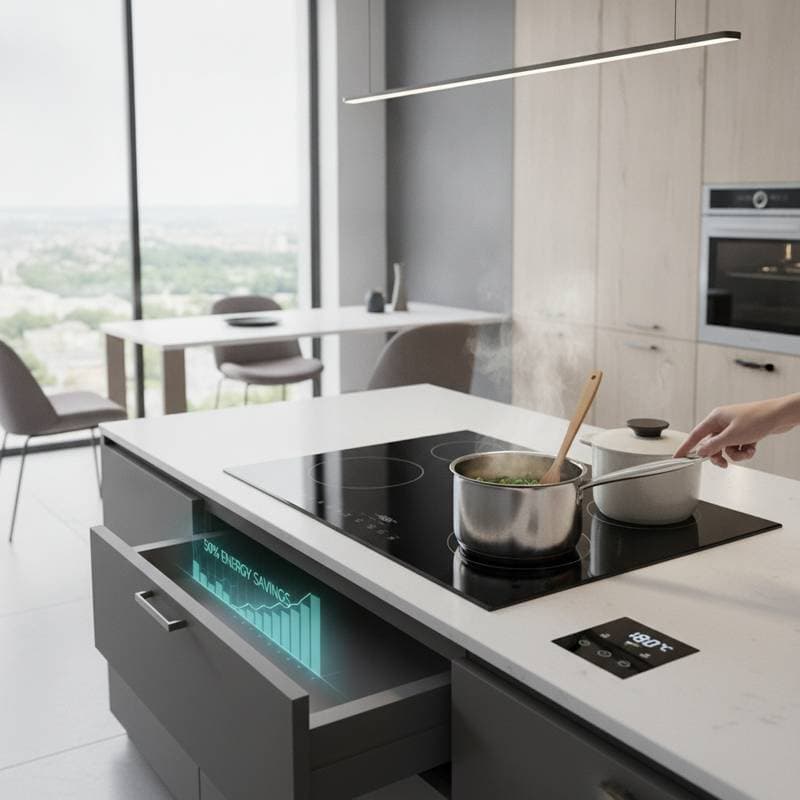
- Superior energy use. Approximately 85 to 90 percent of energy transfers straight to the cookware. Gas systems achieve less than 50 percent efficiency, as substantial heat dissipates into the environment.
- Improved air purity. Without combustion, no exhaust gases emerge. This preserves cleaner kitchen environments and reduces strain on heating, ventilation, and air conditioning systems.
- Simplified upkeep. The smooth glass top cleans in moments. Users avoid dealing with grimy burner grates or ignition components.
Performance Outcomes in Actual Renovations
In a recent renovation, a client sought premium cooking capabilities within a streamlined aesthetic. They initially planned for a six-burner gas range, but ventilation demands complicated the setup. Opting for induction permitted a compact recirculating hood and preserved the open layout without intrusive ductwork. The clients reported boiling water almost twice as quickly compared to their previous gas stove.
Another renovation involved a family with young children prioritizing safety. Induction proved ideal, as the surface heats only beneath the cookware. When the toddler brushed the cooktop's edge by mistake, no injury occurred. This reliability outweighs any perceived advantages of gas flames for professional cooking.
Economic Considerations
Clients frequently view induction as a premium feature, but the cost differential narrows considerably. A quality induction range matches the price of average gas models when accounting for ventilation, plumbing, and safety installations. Operational expenses favor induction as well. Its efficient electricity consumption lowers utility bills over time, particularly in areas with elevated gas rates or rebates for electric appliances.
Upkeep expenses further tilt the balance. Gas stoves demand regular attention to burners, igniters, and valves. Induction models feature minimal mechanical elements and resist wear. Repairs, when needed, typically involve electronics, which prove straightforward to address.
Design Versatility and Long-Term Viability
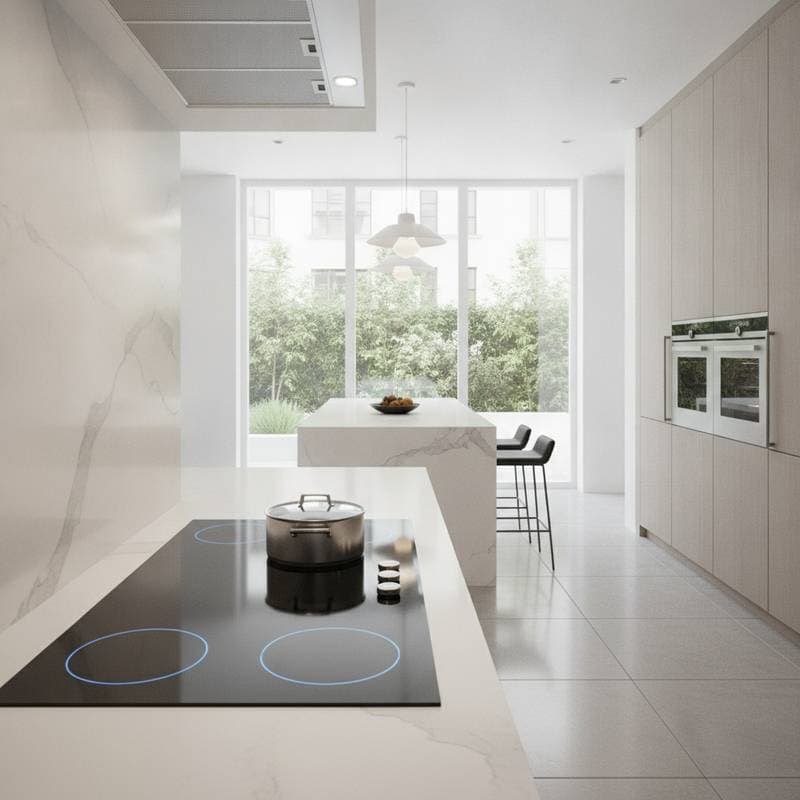
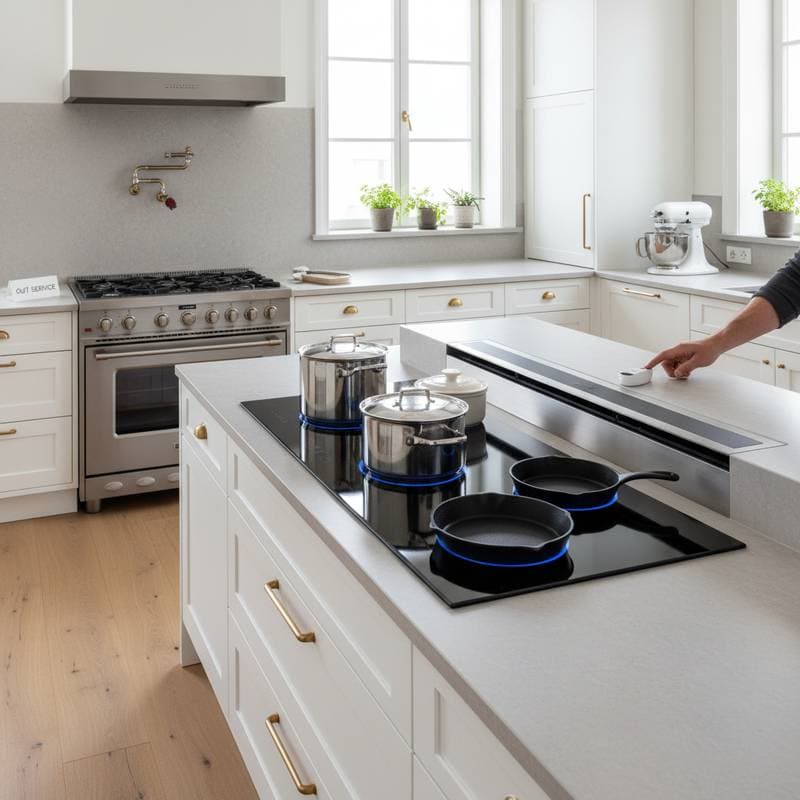
Induction unlocks creative possibilities often ignored in planning. Lacking flames, adjacent materials face no thermal stress, allowing countertops to integrate fluidly around the unit. Downdraft vents become feasible, supporting sleeker profiles and optimized space utilization.
Looking ahead, induction aligns with emerging norms. Urban areas increasingly restrict gas infrastructure for ecological and safety benefits. Adopting induction preempts retrofit expenses and regulatory hurdles. It also boosts property marketability, as prospective buyers favor all-electric, low-emission residences.
Addressing Frequent Concerns with Induction
Potential users fear restrictions on pots and pans. Contemporary induction units accommodate any ferrous material, such as stainless steel or cast iron. A simple magnet test on the base confirms compatibility.
Noise levels trouble some, recalling hums from older models. Today's versions operate quietly, particularly when mounted on sturdy surfaces.
Practical Advice from a Contractor for Seamless Installation
- Assess electrical needs. Induction requires a dedicated 240-volt circuit. Engage an electrician to evaluate capacity and add the appropriate breaker if necessary.
- Prepare countertops accurately. Cutout dimensions may vary from gas models. Confirm measurements prior to fabricating or ordering new surfaces.
- Evaluate cookware inventory. Apply the magnet test to current items. Upgrade incompatible pieces incrementally to manage costs.
- Plan ventilation adequately. Induction generates no fumes, yet hoods remain essential for moisture and aromas. Compact, low-noise options typically meet requirements.
- Select reliable brands. Prioritize manufacturers with robust support networks and comprehensive warranties. Electronic components endure well, but accessible service ensures longevity.
Realize the Advantages in Daily Use
After installation, homeowners experience tangible improvements in usability and hygiene. Kitchens maintain comfortable temperatures, surfaces clean effortlessly, and no residual odors persist. Cooking gains consistency, while energy monitoring simplifies routine management.
Selecting induction represents a strategic investment in reliability, security, and enduring value. For those embarking on a kitchen renovation, this choice delivers substantial, lasting enhancements.