Why Induction Cooktops Outperform Gas Stoves
The kitchen reflects ongoing shifts in technology, design, and daily living. Induction cooktops now lead this change by delivering exact heat control, lower energy use, and surfaces that integrate cleanly into modern homes.
Precision Heat Control
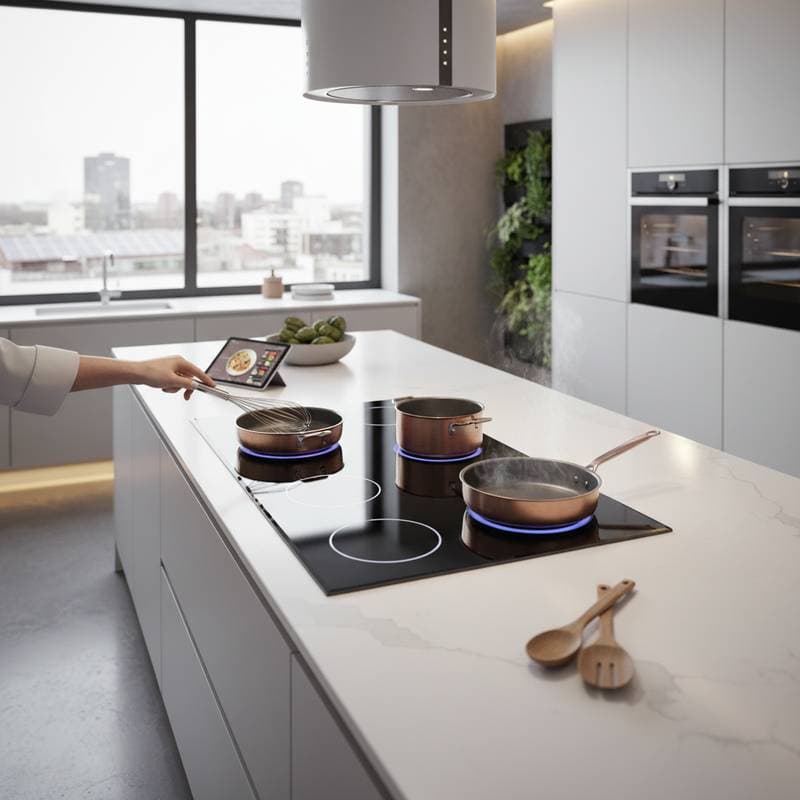
Induction uses electromagnetic fields to heat cookware directly. This produces immediate temperature changes without the lag common in gas systems. Chefs note that water reaches a boil faster and simmering stays consistent. Designer Marta Feliciano explains that the technology provides command over every degree rather than relying on visual flame cues.
Energy Efficiency Gains
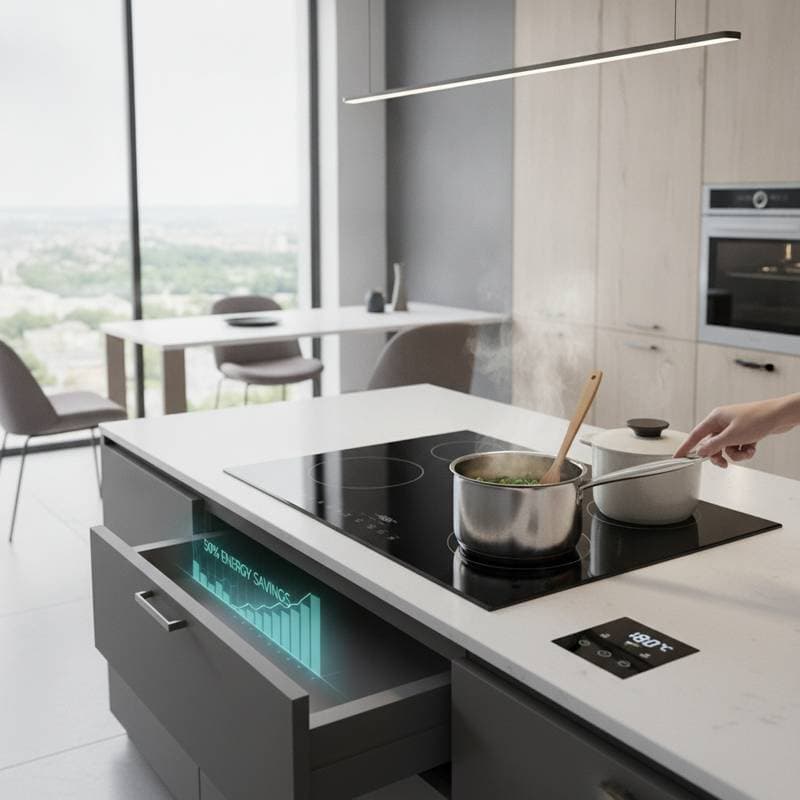
Nearly all energy transfers straight to the pan, which reduces waste and keeps kitchens cooler. Gas models lose more than half their heat to the surrounding air. Architect Niko Perez observes that clients in urban apartments value the lower room temperatures and reduced utility costs during daily meal preparation.
Clean Design Integration
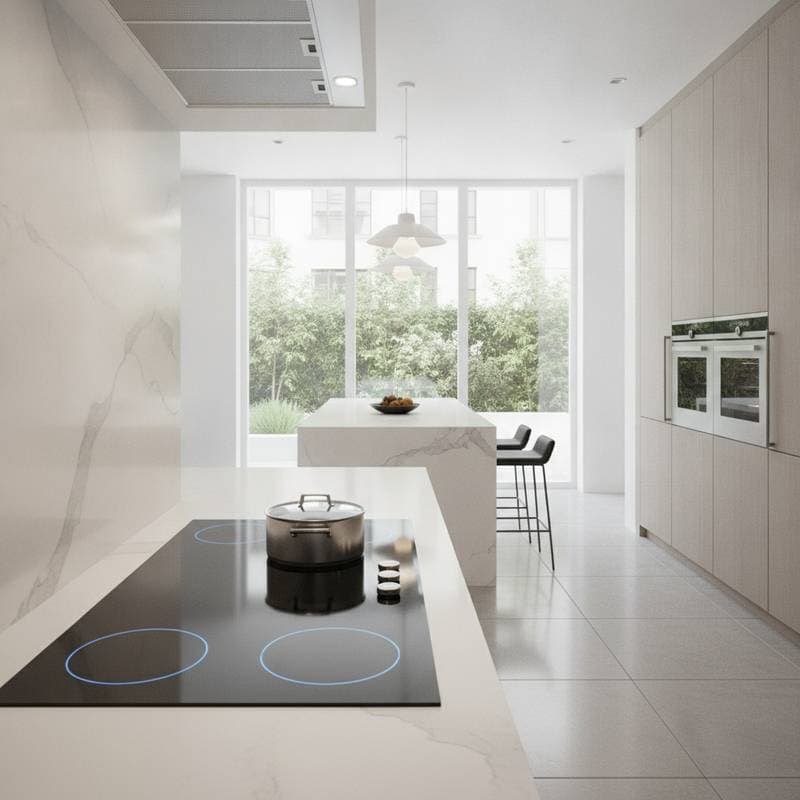
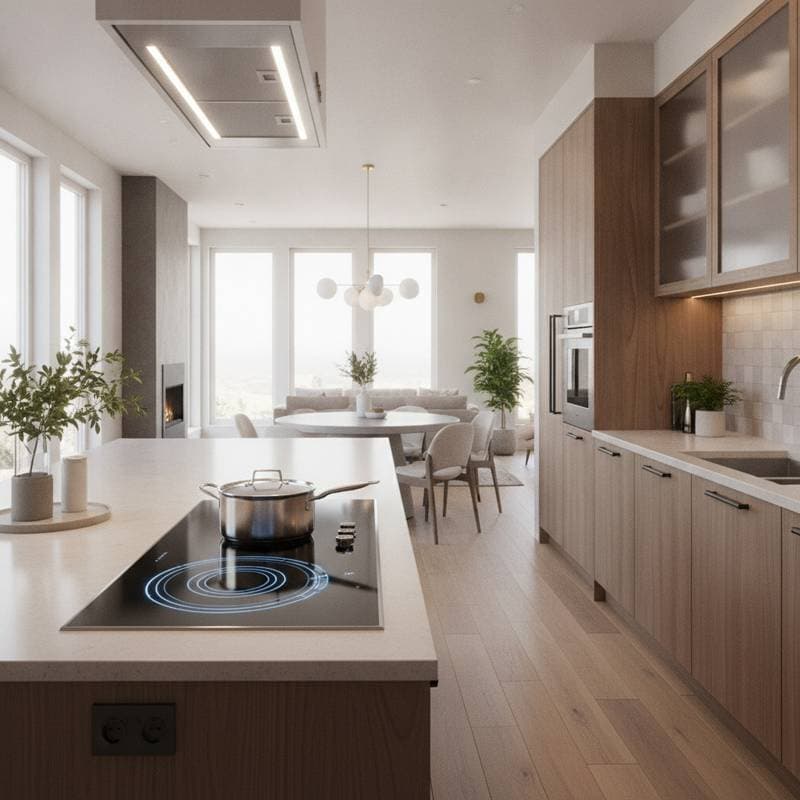
Induction units sit flush with countertops to create uninterrupted surfaces. Finishes range from matte black ceramic glass to reflective graphite gray. In one project, a honed marble island paired with a Gaggenau unit allowed the stone veining to remain the focal point while controls stayed subtle beneath the surface.
Improved Indoor Air Quality
Gas combustion produces nitrogen dioxide and fine particles that linger indoors. Induction eliminates open flames and combustion byproducts. Sustainable design consultant Lara Cheng reports that clients notice fresher air and fewer odors after switching, which supports wellness-focused homes.
Built-In Safety Features
The cooktop stays cool except where magnetic cookware contacts the surface. Automatic shutoff sensors from brands such as Miele and Bosch activate when no pan is present. Child locks and residual heat indicators add further protection for households with children or multiple generations.
Reduced Noise Levels
Induction operates without flame hiss or extra ventilation demands. This quiet performance suits open-plan spaces where cooking overlaps with conversation. Interior designer Evelyn Kwan incorporates the technology to let natural materials like oak and limestone define the room atmosphere.
Compatibility with Current Cookware
Modern pans with multi-layered bases respond well to induction. Enameled cast iron and stainless steel options from Le Creuset and Mauviel deliver even heating. Chef Julien Robard recommends these pieces for reliable results across everyday recipes.
Simplified Cleaning and Upkeep
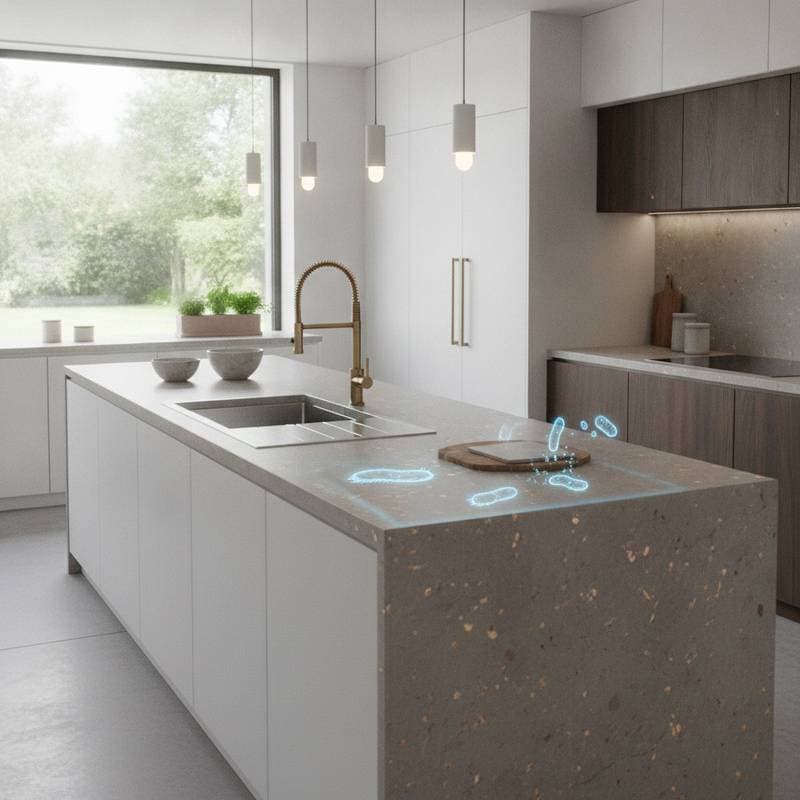
Flat glass surfaces wipe clean without grates or burner crevices. Spills do not bake on because the area around the pan stays cooler. Compact projects often pair white Corian counters with integrated induction zones to maintain a uniform appearance.
Infrastructure and Layout Flexibility
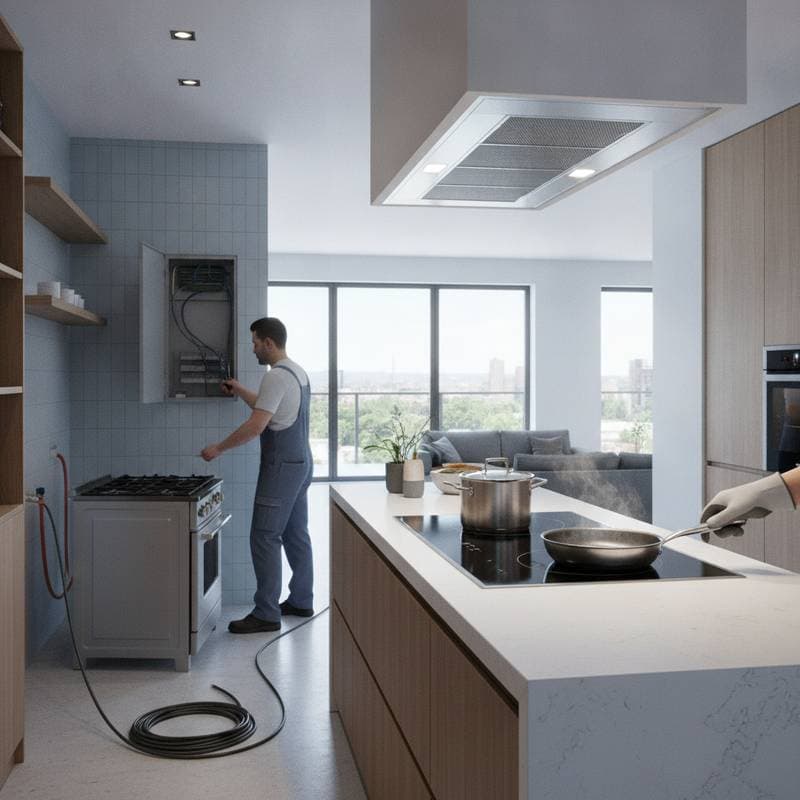
Builders now favor electric infrastructure in new projects. Induction removes the need for gas lines, which frees island placement and allows lighter ventilation designs. Catherine Morales notes that this freedom supports creative kitchen layouts in both renovations and new builds.
The Shift Toward Intentional Cooking
Induction encourages attentive cooking through rapid response. The technology fits natural wood, stone, and metal palettes while supporting calmer kitchen environments. Homeowners report that the absence of flame redirects focus to the cooking process itself.
Planning Your Conversion
Assess countertop materials and electrical capacity before installation. Lower heat output preserves cabinet finishes, which opens options for lacquered or leather surfaces. Portable units let renters test the technology without permanent changes. European makers now supply graphite, ivory, and champagne tones that coordinate with stone counters.
Induction represents a practical step toward kitchens that balance performance, health, and visual clarity.