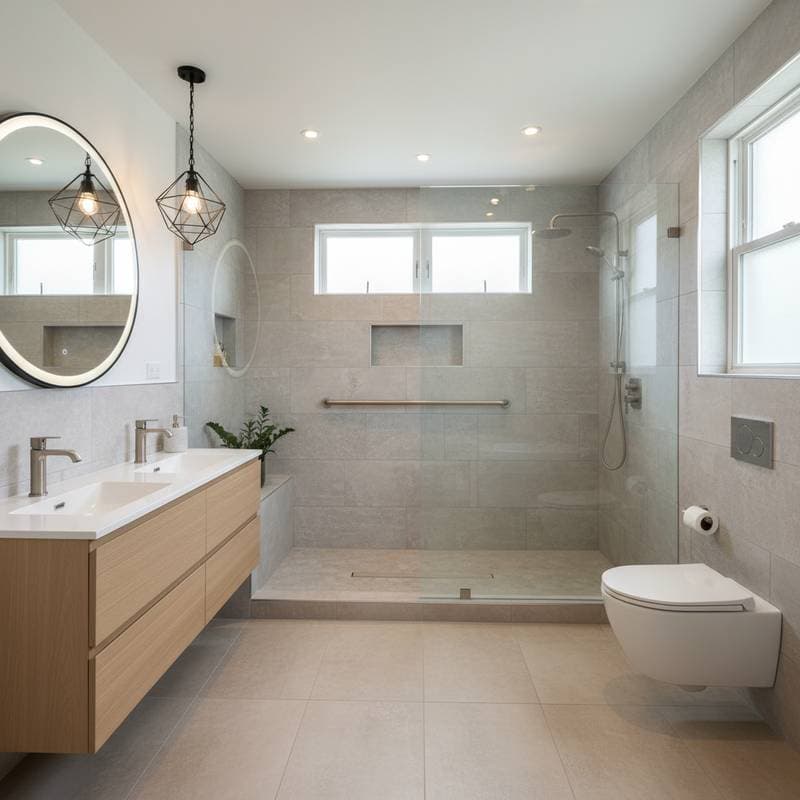
Universal Design: Aging-in-Place Bathrooms for 2026
Homeowners frequently prioritize aesthetics and immediate comfort in bathroom remodels, yet they neglect long-term usability. Bathrooms rank among the most dangerous spaces in a residence, particularly for seniors, due to slick surfaces, confined areas, and inadequate illumination. As a contractor experienced with numerous bathroom renovations, I emphasize that incorporating accessibility from the outset safeguards investments and preserves autonomy. Universal design transforms bathrooms into versatile environments that adapt to all life phases while upholding aesthetic appeal.
Why Universal Design Matters
Overlooking accessibility in initial plans often results in expensive modifications down the line. Homeowners frequently incur significant costs to remove recently installed tiles for doorway expansions or curbless shower installations. These adjustments prove simpler and less costly when integrated during the primary construction. Universal design focuses on environments that operate securely and efficiently for individuals across all ages and capabilities, featuring elements such as step-free access, adequate lighting, accessible controls, and low-risk surfaces.
Such bathrooms promote extended independent living. They also elevate property value. Real estate professionals note that accessibility enhancements increasingly attract buyers rather than deter them. Success hinges on meticulous planning and skilled implementation.
Common Mistakes That Create Problems Later
Homeowners often emphasize current needs, selecting high-threshold showers or wall-mounted vanities that appear magazine-worthy but hinder functionality as mobility declines. Consider these frequent design pitfalls that lead to future challenges:
-
Narrow Doorways
Doorways under thirty-two inches wide obstruct passage for walkers or wheelchairs. Widening them post-installation of tiles and trim exceeds the expense of original setup. -
High Shower Curbs
A four-inch curb poses minimal issue initially but evolves into a substantial obstacle. Zero-threshold designs remove tripping risks and facilitate wheeled access when required. -
Slippery Flooring
Polished tiles offer visual allure yet turn hazardous in moisture. Opt for matte surfaces with slip-resistance ratings appropriate for damp zones. -
Poor Lighting and Glare
Sole reliance on overhead fixtures without vanity task lights generates shadows that impair clear vision. Multi-layered illumination reduces fall risks and supports grooming tasks. -
Lack of Reinforcement for Grab Bars
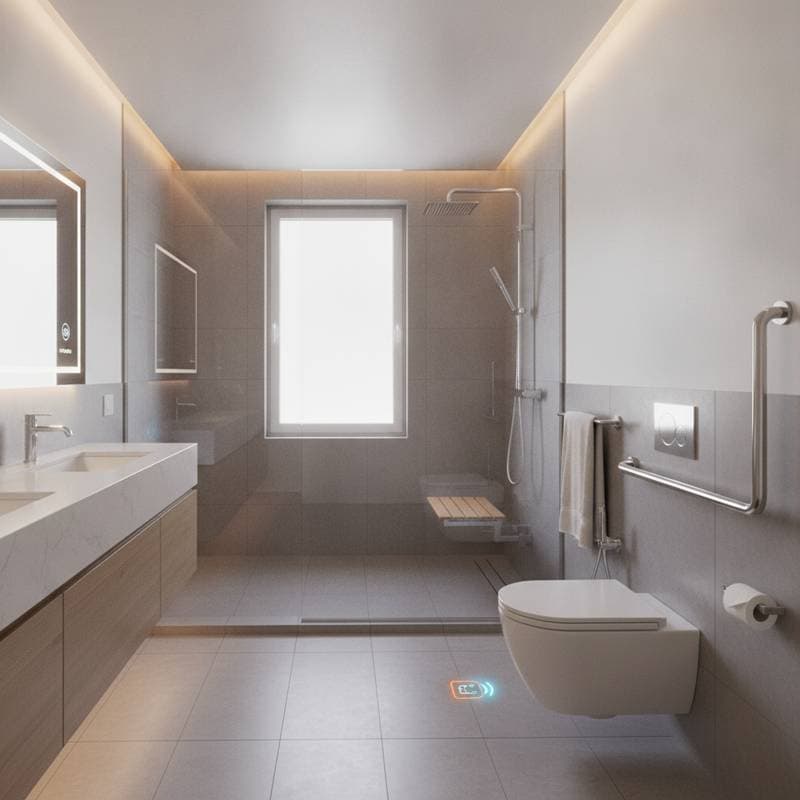
Forego visible grab bars if undesired, but add wall blocking during framing. This addition incurs negligible cost upfront and avoids extensive repairs afterward.
Building a Bathroom That Works for Everyone
Universal design integrates luxury with practicality through informed choices that balance safety, ease, and visual harmony. Follow these steps to develop a bathroom suited for graceful aging in place.
-
Plan for Space and Movement
Target a minimum five-foot turning radius in the primary zone. This allowance accommodates mobility devices comfortably. Minor fixture shifts can achieve this without altering the overall layout significantly. -
Choose a Curbless Shower
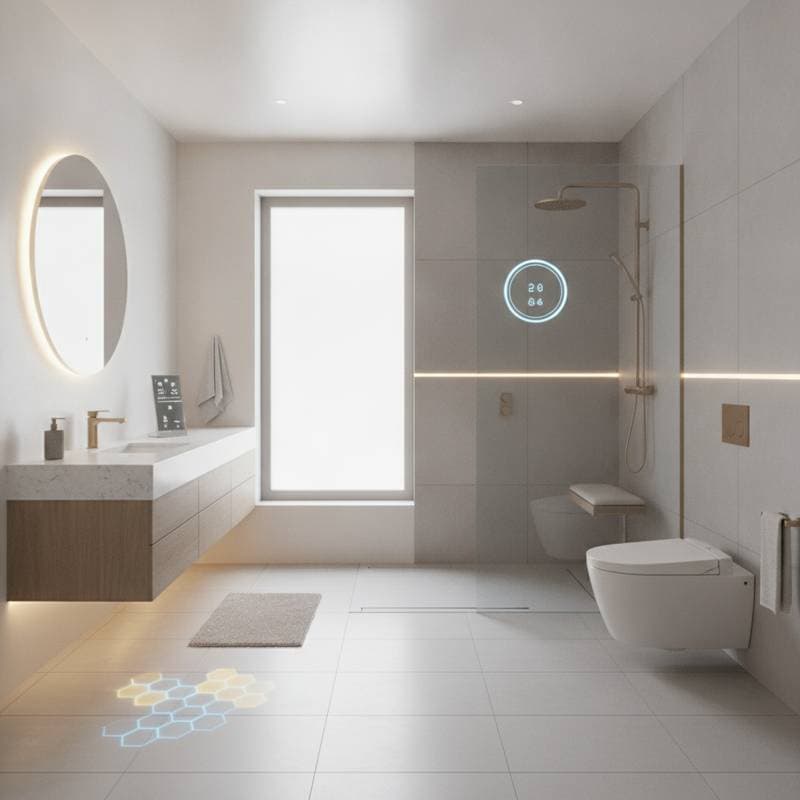
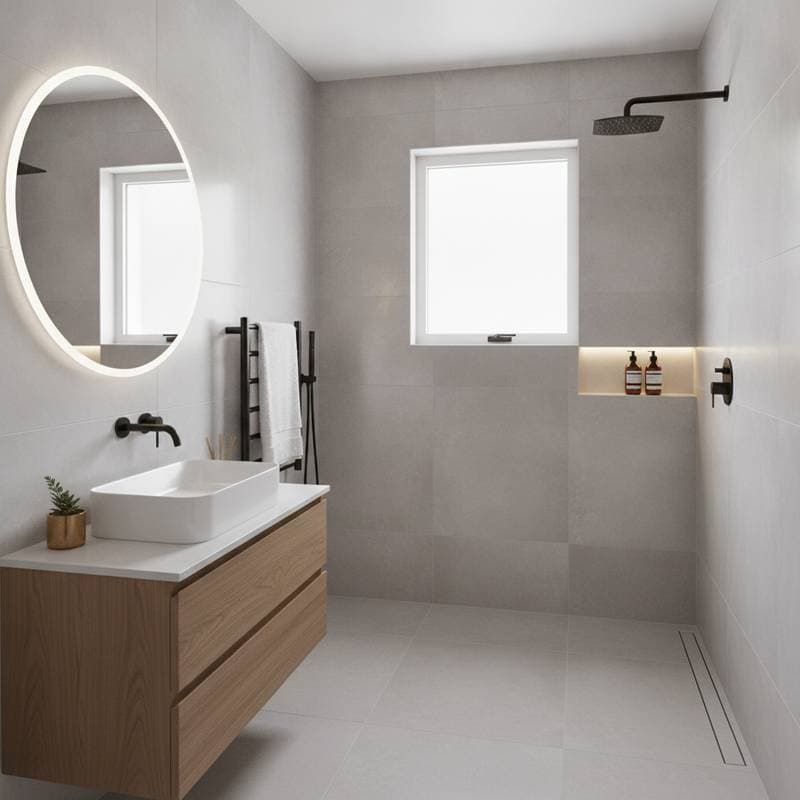
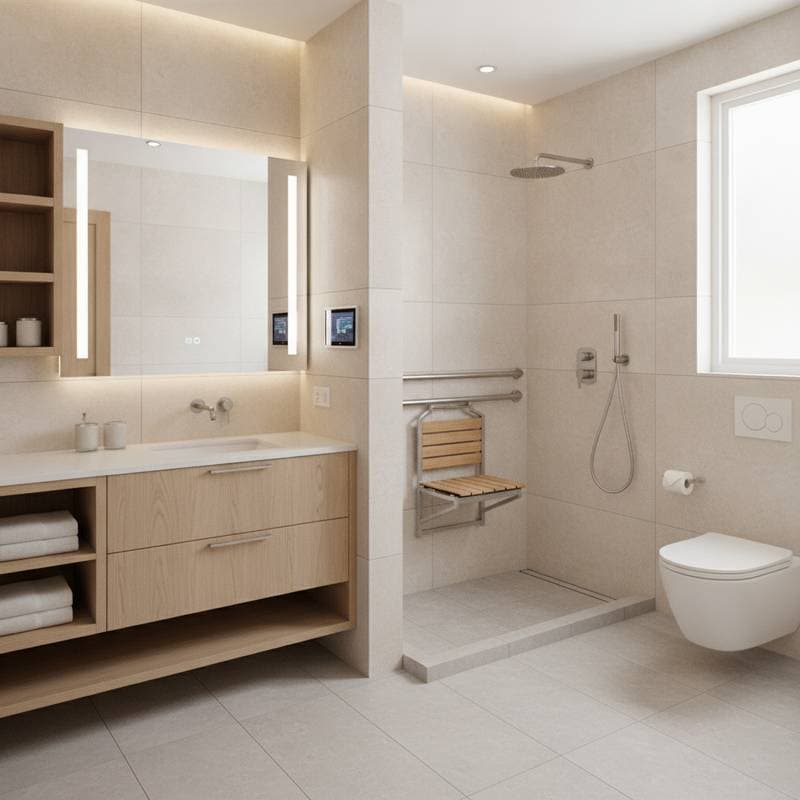
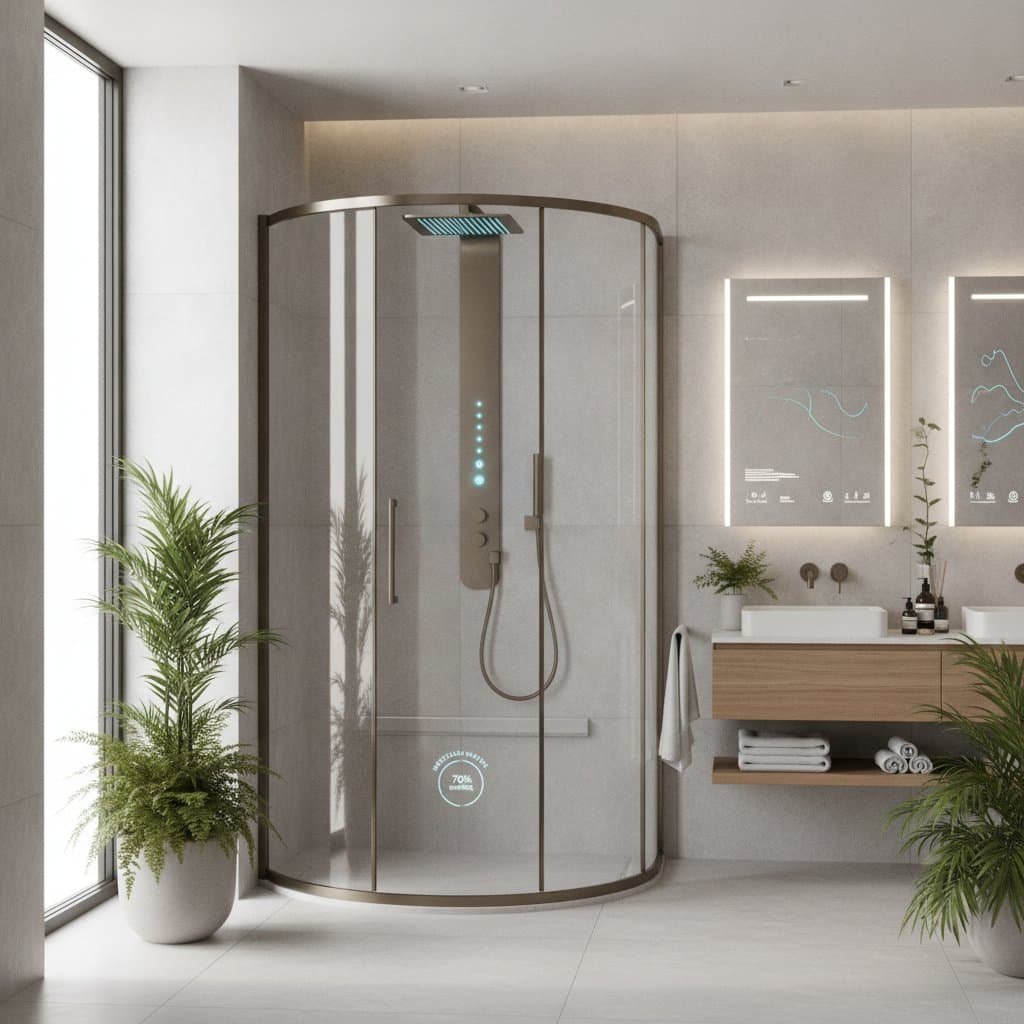
This feature delivers accessibility alongside a contemporary aesthetic. A subtle floor slope directs water to a linear drain, containing it sans barrier. Include a handheld showerhead on an adjustable rail for height versatility, plus an integrated or foldable bench for seated use. -
Install Lever Handles and Touch Controls
Traditional knobs challenge those with reduced grip strength. Levers or sensor-based options simplify operation. Thermostatic valves ensure steady temperatures, mitigating scald risks. -
Use Comfort-Height Toilets
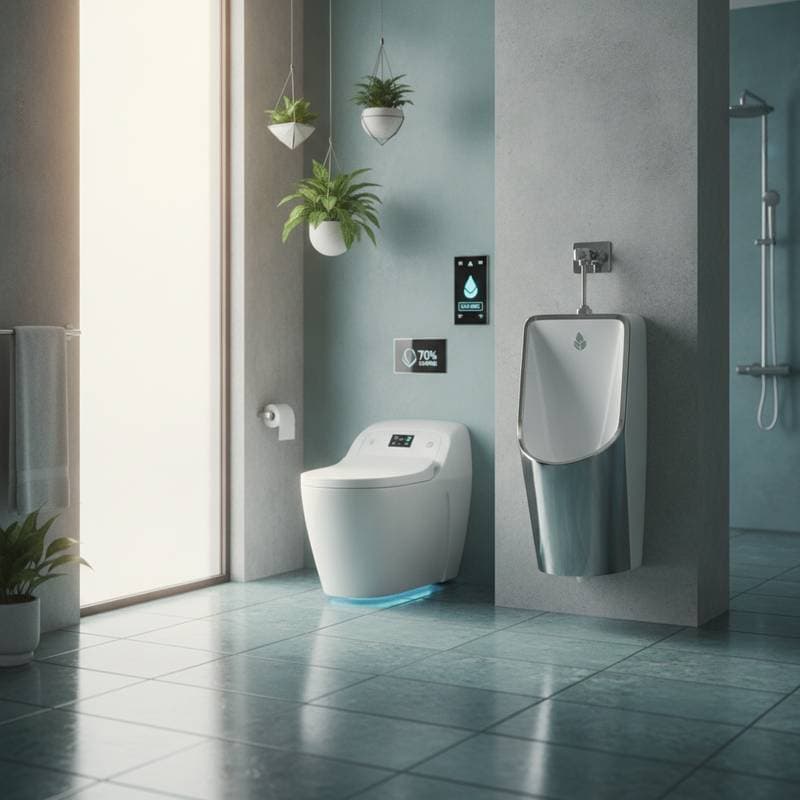
These models elevate two to three inches above standard heights, easing transitions for individuals with joint concerns. Position a robust adjacent wall to accommodate potential grab bar additions. -
Select Non-Slip Flooring
Textured porcelain tiles or moisture-resistant vinyl planks provide longevity and security. Evaluate samples by sliding a wet palm across them; slickness when dry signals greater peril when damp. -
Light It Properly
Employ varied sources: ceiling recesses for ambient glow, mirror-adjacent sconces for precise tasks, and subtle toe-level lights for nighttime paths. Steer clear of reflective surfaces that amplify glare. -
Incorporate Smart Storage
Favor extendable drawers and accessible shelves to minimize stooping. Position everyday items at waist-to-shoulder levels. Eschew deep recesses that demand excessive reaching. -
Add Reinforcement in Key Areas
Embed sturdy blocking in walls beside the toilet, shower, and tub. This preparation supports future grab bars without necessitating structural alterations.
The Contractor’s Perspective
Builders view universal design as a collaborative effort among specialists. Tilers need awareness of drainage slopes for seamless entries. Electricians position outlets and switches for reachability while designing illumination layers. Plumbers place controls at optimal heights. These elements form the foundation of durable construction.
Clients inquire about expenses, and I clarify that early universal inclusions often remain budget-neutral. A broader doorway or lever faucets add marginal costs compared to knobs. Retrofitting drives up bills substantially. In one case, a five-year-old bathroom required full reconstruction after a knee surgery rendered the tub inaccessible; the redo doubled the price of an initial walk-in conversion.
Legal and Safety Considerations
Local codes mandate standards for outlets, airflow, and clearances around fixtures. Accessibility standards extend these with specifications for navigation areas, bar locations, and reach distances. Though homes rarely face commercial mandates, these criteria offer reliable guidance. Adherence safeguards occupants and mitigates risks during resale or leasing.
Insurers reward features that curb injury probabilities, sometimes providing premium reductions for fall-prevention upgrades. Maintain detailed records of these enhancements to bolster insurance claims and market appeal.
Design Without the Institutional Look
Concerns persist that accessibility yields a clinical appearance, but current innovations dispel this notion. Coordinating finishes unite grab bars with hardware accents. Teak or composite fold-down seats harmonize with surrounding tiles. Linear-drain curbless showers define modern luxury. The aim: a serene, spa-inspired retreat that prioritizes security.
Maintaining Your Investment
Preserve the universal bathroom's integrity with routine upkeep. Seal grout lines to block moisture intrusion. Inspect sealant around fixtures routinely. Swap out degraded anti-slip mats promptly. For automated systems or lights, conduct regular functionality checks.
Aging in place extends beyond chronological advancement; it sustains autonomy, ease, and self-respect within familiar surroundings. Universal design remodels advance this vision. These strategic selections yield dividends in daily well-being and enduring worth.