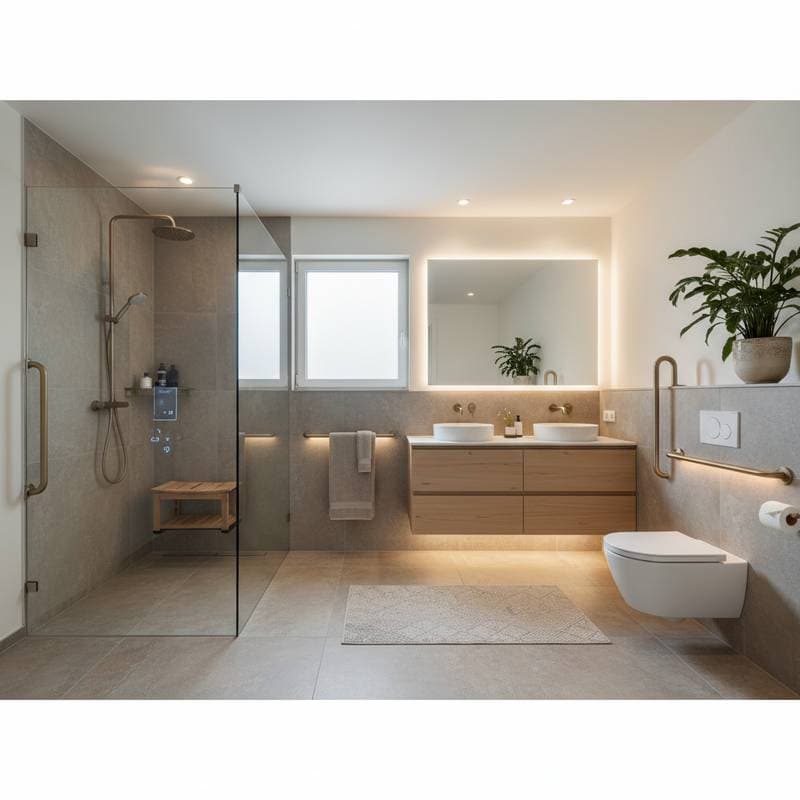
Transforming Aging-in-Place Bathrooms for Safety and Independence
Aging-in-place bathrooms extend well beyond basic grab bars and seats. As a contractor specializing in long-term home remodels, I observe homeowners seeking designs that balance aesthetics with robust safety. These spaces must support daily independence while mitigating risks like falls and strain. Current trends emphasize proactive features that adapt to changing mobility needs, ensuring bathrooms remain functional and inviting over time.
The following sections outline key trends drawn from real-world installations, building code requirements, and client feedback. Each focuses on practical enhancements that deliver immediate benefits and future-proof homes.
1. Zero-Threshold Showers and Accessible Entries
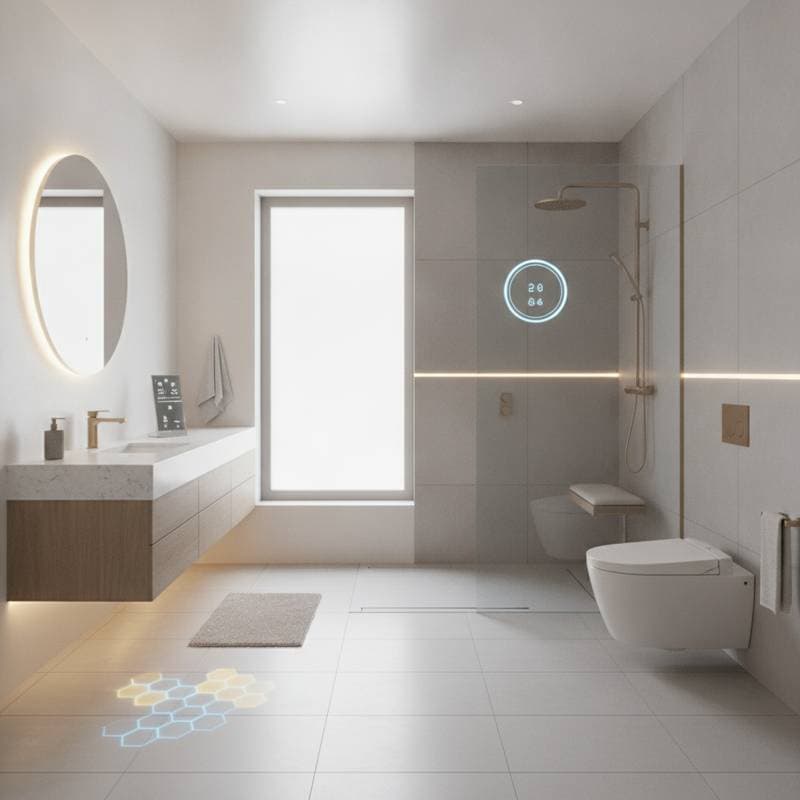
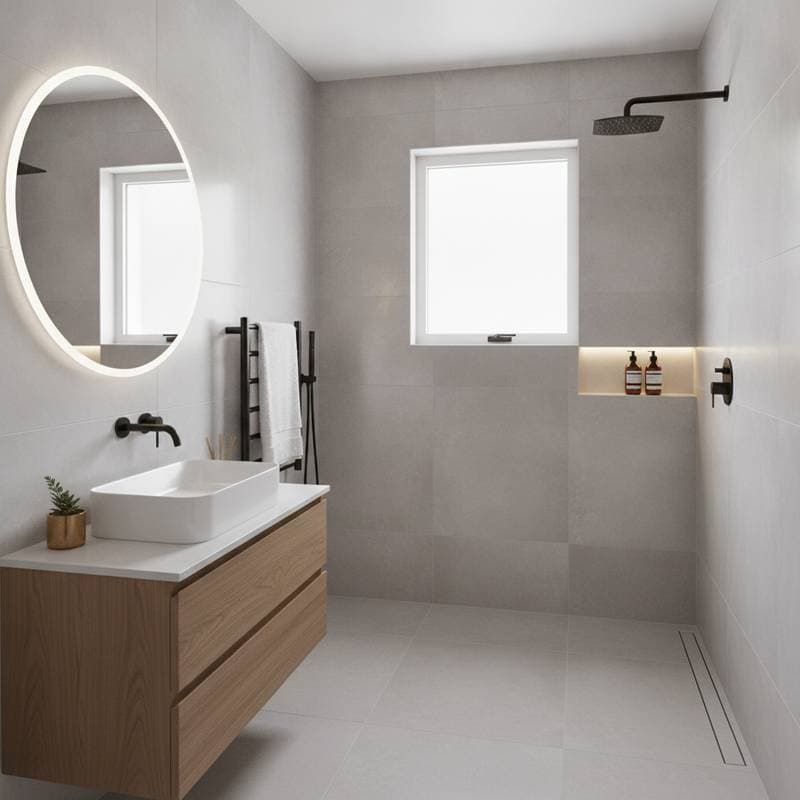
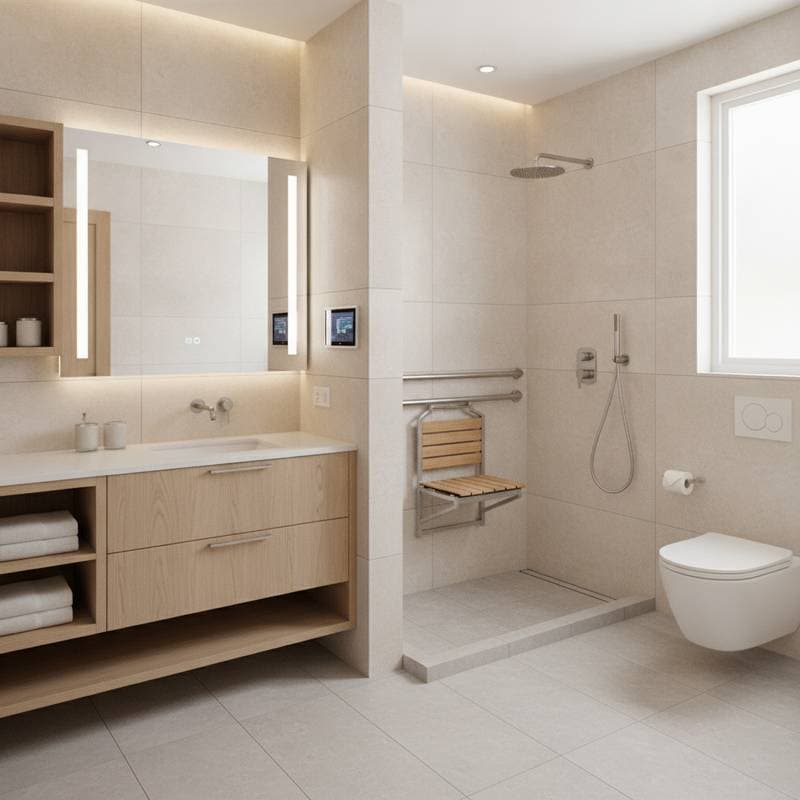
Traditional shower curbs pose significant trip hazards, particularly for those with reduced balance. Zero-threshold showers eliminate these barriers by creating seamless transitions from the bathroom floor to the shower area. This design mimics a curb-less entry, often with a slight slope for drainage, allowing wheelchair access and easier step-overs.
Key Implementation Details
- Curbless Pan Installation: Use pre-sloped shower pans made from durable, waterproof materials like acrylic or composite. Ensure proper waterproofing membranes to prevent leaks.
- Wide Entry Doors: Opt for sliding or pivot doors at least 32 inches wide to accommodate mobility aids without swinging into tight spaces.
- Integrated Drainage: Position linear drains along the back wall to maintain a flat entry while efficiently channeling water.
Homeowners appreciate how these changes simplify routines and reduce injury risks. In my projects, they transform bathrooms into welcoming, barrier-free zones.
2. Smart Temperature Control Systems
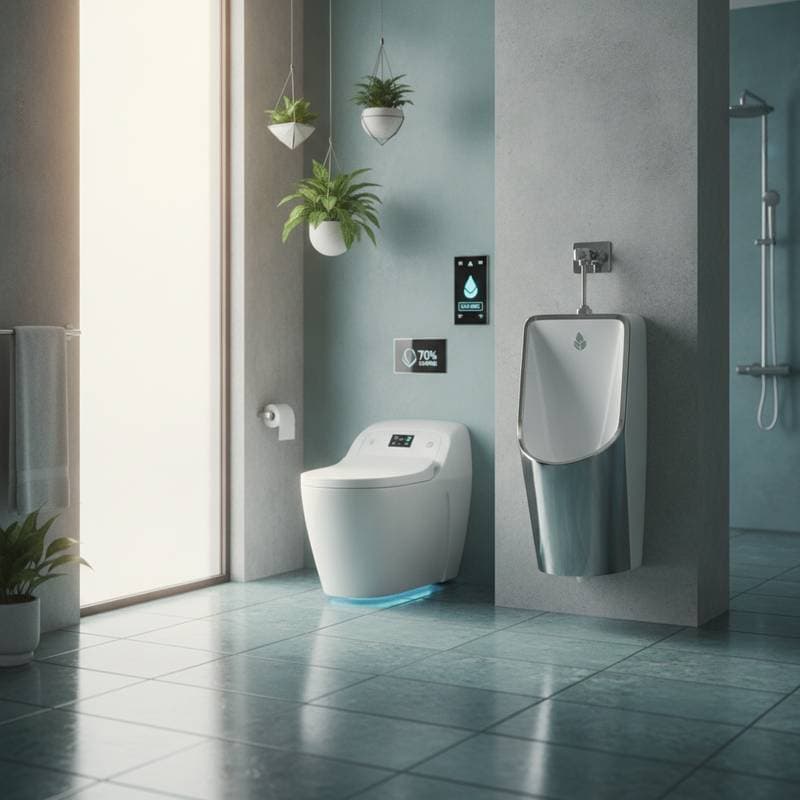
Scalding remains a hidden danger in bathrooms, especially for older adults with delayed reflexes. Smart temperature controls maintain consistent water levels, automatically adjusting to avoid burns. These systems integrate sensors that monitor and regulate flow in real time.
Essential Components
- Thermostatic Mixing Valves: These devices combine hot and cold water streams to hold a fixed temperature, now mandated by many building codes for residential safety.
- Digital Interface Panels: Mount large-display controls on walls for easy visibility. Advanced models support voice commands for hands-free operation.
- Automatic Safety Shutoffs: Built-in mechanisms halt water flow if temperatures exceed safe thresholds, providing an extra layer of protection.
Clients who adopt these systems report greater confidence during showers. The investment yields lasting comfort and eliminates worries about sudden heat surges.
3. Anti-Slip Flooring and Surface Treatments
Slippery floors account for a large portion of bathroom falls. Modern anti-slip solutions incorporate textured materials and coatings that enhance traction without compromising appearance. These upgrades prove essential in wet environments where water splashes routinely.
Effective Options
- Textured Porcelain Tiles: Select tiles with high slip-resistance ratings, such as those meeting ADA standards, for floors and shower walls.
- Vinyl or Rubber Mats: Integrate permanent, seamless flooring alternatives that absorb impact and provide cushioning underfoot.
- Chemical Etching: Apply treatments to existing surfaces to increase grip, ideal for budget-conscious retrofits.
From field experience, these features prevent mishaps during hurried movements. They maintain a clean, modern look while prioritizing stability.
4. Comfort-Height Fixtures
Low-profile toilets and sinks strain joints and backs over time. Comfort-height models elevate these elements to chair-like levels, typically 17 to 19 inches for toilets, easing transitions for users with arthritis or weakened legs.
Supporting Enhancements
- Lever-Style Handles: Switch to single-lever faucets and door handles that demand minimal force, accommodating varied grip strengths.
- Adjustable Handheld Showers: Secure units on sliding rails that serve dual purposes as support bars, adjustable to user height.
- Sensor-Based Faucets: Install touchless models that activate with a wave, minimizing physical effort while ensuring hygiene.
These adjustments appeal to forward-thinking families. They foster ease in use and integrate seamlessly into contemporary designs.
5. Integrated Grab Bars and Support Elements
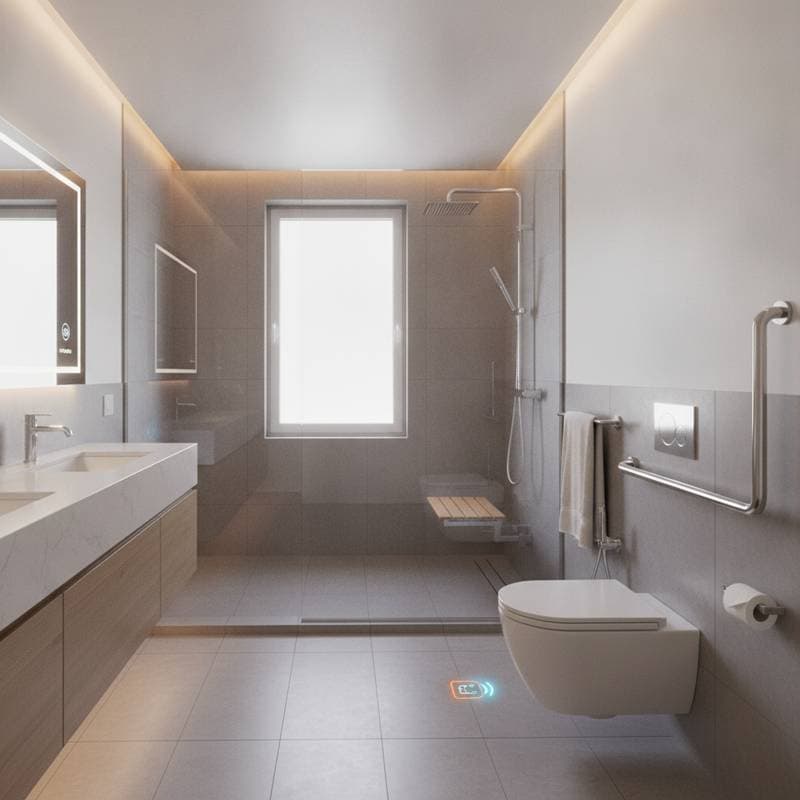
Grab bars have evolved from utilitarian add-ons to stylish, concealed supports. Positioned strategically, they offer stability without detracting from decor, using finishes that match hardware and tiles.
Strategic Placement
- Shower and Tub Walls: Mount horizontal bars at 33 to 36 inches high, reinforced to support full body weight.
- Near Toilets: Install fold-down models that tuck away when not needed, preserving open space.
- Vertical Rails: Combine with handheld showers for multi-functional aid during transfers.
Inspectors emphasize proper anchoring into wall studs for reliability. Clients value how these blend function with form, enhancing confidence in movement.
6. Enhanced Lighting and Visual Cues
Dim lighting and subtle color transitions contribute to disorientation. Layered illumination strategies, paired with high-contrast elements, clarify paths and reduce shadows in aging eyes.
Lighting Solutions
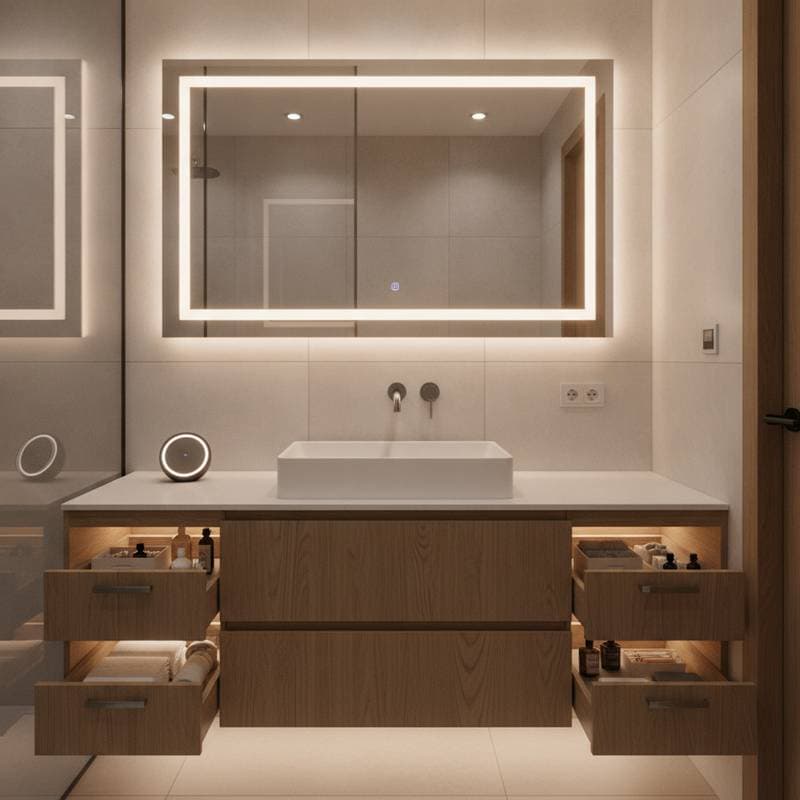
- LED Under-Cabinet Strips: Place along vanities and shower thresholds for even, low-level glow during nighttime use.
- Dimmable Overhead Fixtures: Allow brightness adjustments to combat glare while providing ample task lighting.
- Contrasting Color Schemes: Differentiate floors from walls with bold tones, such as dark mats on light tiles, to highlight edges.
Motion-sensor lights activate automatically, averting searches for switches in the dark. This setup significantly cuts stumble risks on frequent late-night trips.
7. Voice and Touchless Controls
Technology now enables effortless environmental management. Voice systems command lights, fans, and water without physical interaction, ideal for limited reach or dexterity.
Integration Tips
- Compatible Smart Hubs: Link devices to platforms like Alexa or Google Home for intuitive voice responses.
- Manual Overrides: Retain tactile buttons nearby to address tech glitches or power outages.
- Water-Resistant Ratings: Verify IP-rated components suitable for humid conditions to ensure longevity.
For clients with mobility challenges, these controls restore autonomy. They minimize awkward stretches, promoting safer interactions.
8. Emergency Alert Systems
Even optimized bathrooms carry risks. Discreet monitoring tools detect falls and alert help swiftly, integrating with wearables or home networks.
Reliable Choices
- Wall-Mounted Buttons: Position waterproof units within arm's reach of key areas like tubs and commodes.
- Smart Voice Alerts: Enable phrases like 'help' to trigger calls to emergency contacts or services.
- Sensor Networks: Use floor or camera-based detectors to identify prolonged inactivity and respond accordingly.
These additions have proven vital in isolated living situations. They provide reassurance, turning potential crises into manageable events.
9. Low-Maintenance Surfaces
Cleaning challenges intensify with age. Durable, antimicrobial materials simplify upkeep, warding off mold and residue that lead to slips.
Durable Selections
- Minimal-Grout Tiles: Large-format options reduce seams, cutting cleaning time and bacterial harbors.
- Seamless Wall Panels: Acrylic or solid-surface sheets create smooth, mold-resistant shower surrounds.
- Treated Fixtures: Apply nano-coatings to sinks and counters for effortless wipe-downs.
Efficiency in maintenance conserves energy for enjoyment. These choices sustain hygiene without demanding excessive effort.
10. Advanced Ventilation Strategies
Excess humidity fosters slick floors and allergens. High-performance exhausts maintain dry, fresh air, essential for respiratory health and surface integrity.
Optimization Methods
- High-Volume Fans: Select quiet units with 80+ CFM ratings for rapid moisture removal.
- Sensor-Activated Operation: Humidity detectors engage fans automatically post-shower.
- Proper External Venting: Direct ducts outside to avoid recirculating damp air indoors.
Overlooked ventilation upgrades prevent long-term issues. They ensure bathrooms stay comfortable and safe year-round.
Planning Your Bathroom Upgrade
Implementing these trends starts with assessing your space and needs. Consult local codes and a trusted contractor to prioritize features like zero-threshold entries or smart controls. Budget for quality materials that endure, and test layouts for personal fit. These steps create bathrooms that support vibrant, independent living well into the future.