Japandi Wabi-Sabi: Embracing Imperfect Beauty in 2025 Kitchens
Many kitchens suffer from a sterile polish or overwhelming clutter, leaving little room for genuine comfort. The Japandi Wabi-Sabi style addresses this by merging Japanese minimalism with Scandinavian coziness, resulting in spaces that honor natural flaws and foster tranquility. This approach creates environments grounded in authenticity, using organic elements to build a sense of calm without excessive effort or expense.
Readers will discover practical steps to implement this design, from selecting materials that evolve over time to arranging layouts that support daily routines. The focus remains on balance, where imperfection enhances rather than detracts from functionality.
Defining Japandi and Wabi-Sabi Principles
Japandi emerges from the fusion of Japanese aesthetics, which emphasize clean lines, skilled workmanship, and alignment with the natural world, and Scandinavian principles, which prioritize practical utility, hygge-inspired warmth, and abundant natural light. This combination yields interiors that appear contemporary yet deeply rooted in organic forms.
Wabi-Sabi, a core Japanese philosophy, reveres the transient and imperfect aspects of life, finding elegance in asymmetry, patina, and gradual wear. In kitchen applications, it promotes tolerance for subtle imperfections, such as the faint cracks in terracotta tiles or the softened grain of aged timber, transforming these features into narratives of use and time.
Advantages of Japandi Wabi-Sabi for Kitchen Spaces
Kitchens endure constant activity, demanding both durability and appeal. Japandi Wabi-Sabi excels here by integrating resilient natural substances, streamlined configurations, and tactile surfaces that invite interaction. Imperfections like a subtle groove in a butcher block or faint mineral deposits on slate integrate seamlessly, adding character without compromising hygiene.
Homeowners increasingly adopt this style for several compelling reasons:
- Inviting Simplicity: It counters the chill of stark modernism through layered textures and subdued hues that evoke comfort.
- Eco-Conscious Practices: Emphasis on restoration, repurposing, and durable selections minimizes environmental impact and waste.
- Serene Atmosphere: Unobtrusive arrangements reduce visual noise, providing respite in demanding households.
- Enduring Appeal: Materials develop patina naturally, decreasing the frequency of updates and preserving aesthetic integrity over years.
Essential Components of a Japandi Wabi-Sabi Kitchen
Design selections should promote deliberate restraint, ensuring each element supports effortless usability and subtle harmony. The following components form the foundation of this aesthetic.
Natural, Evolving Materials
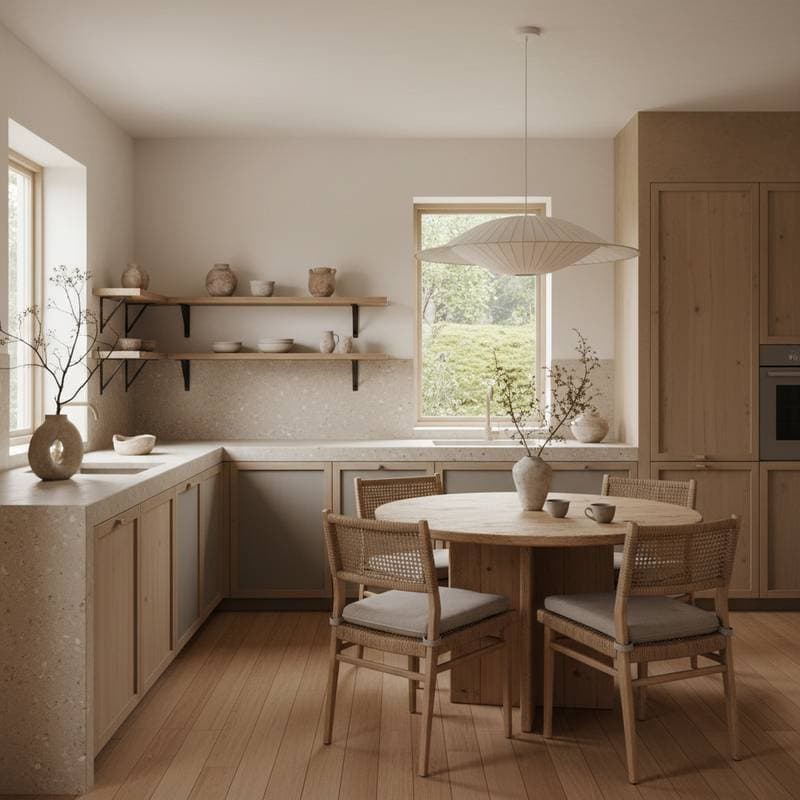
Prioritize substances that mature attractively, such as timber, rock, earthenware, and fiber textiles. Opt for cabinets in light woods like oak or ash treated with matte oils to highlight grain patterns, or incorporate deeper tones from walnut for subtle contrast. Steer clear of glossy varnishes; instead, apply penetrating oils that permit surface evolution through daily contact.
Estimated expenses per square foot include:
- Natural wood cabinetry: $150 to $400
- Stone or concrete countertops: $70 to $200
- Handmade tile backsplash: $20 to $60
Pair coarse elements, like unpolished granite, with finer ones, such as matte porcelain, to achieve visual interest without excess.
Subdued, Nature-Inspired Palette
Select hues drawn from the earth, including soft taupes, warm sands, gentle charcoals, and hints of sage. Employ white sparingly as a neutral base to amplify light, ensuring the overall scheme remains restorative rather than clinical. Source low-VOC paints from reputable brands, budgeting $40 to $70 per gallon for durable, odor-free coverage.
Streamlined, Purposeful Arrangements
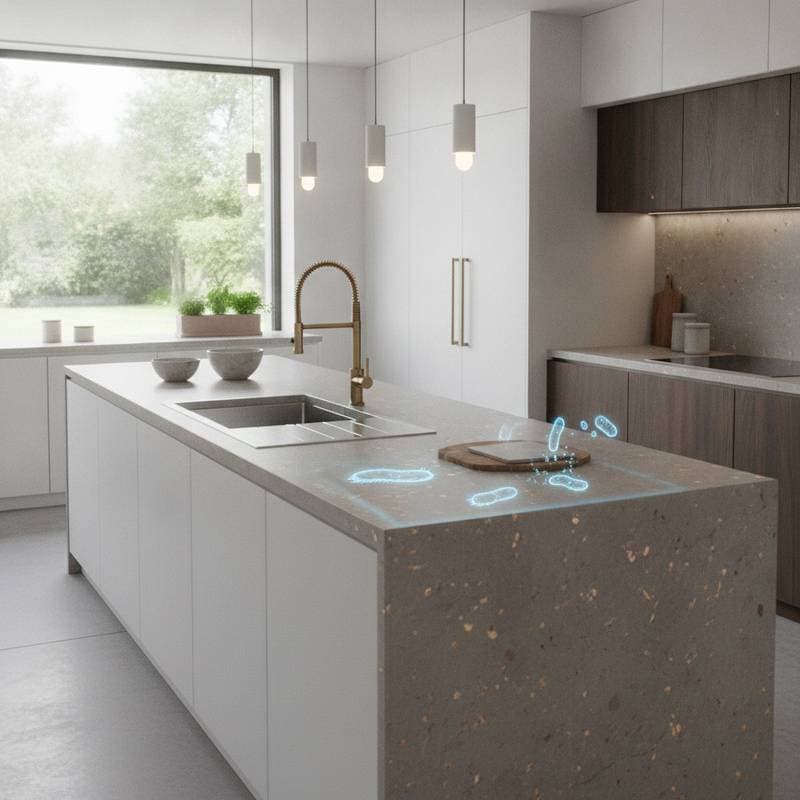
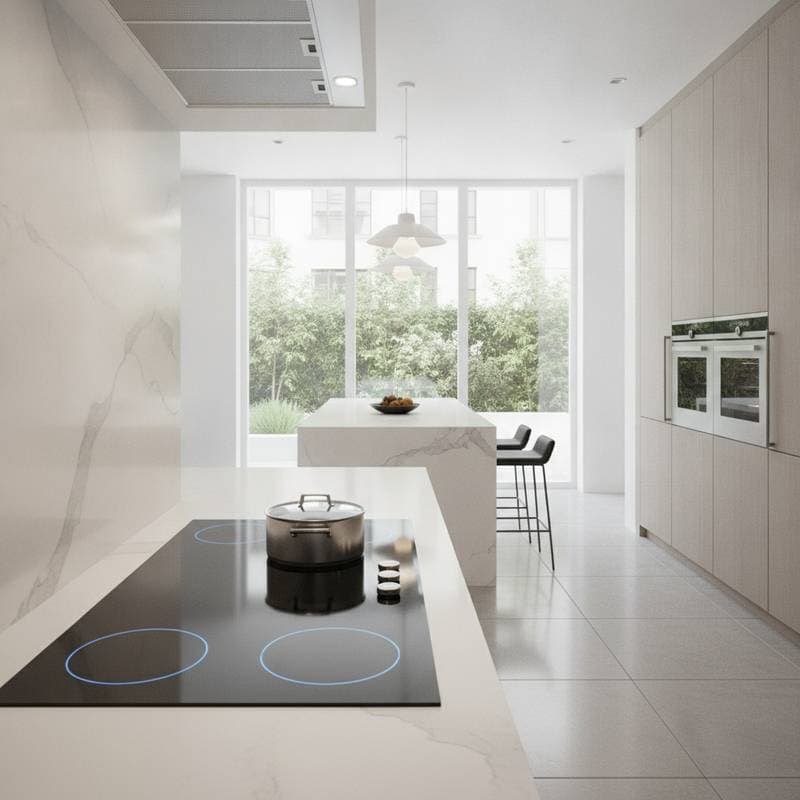
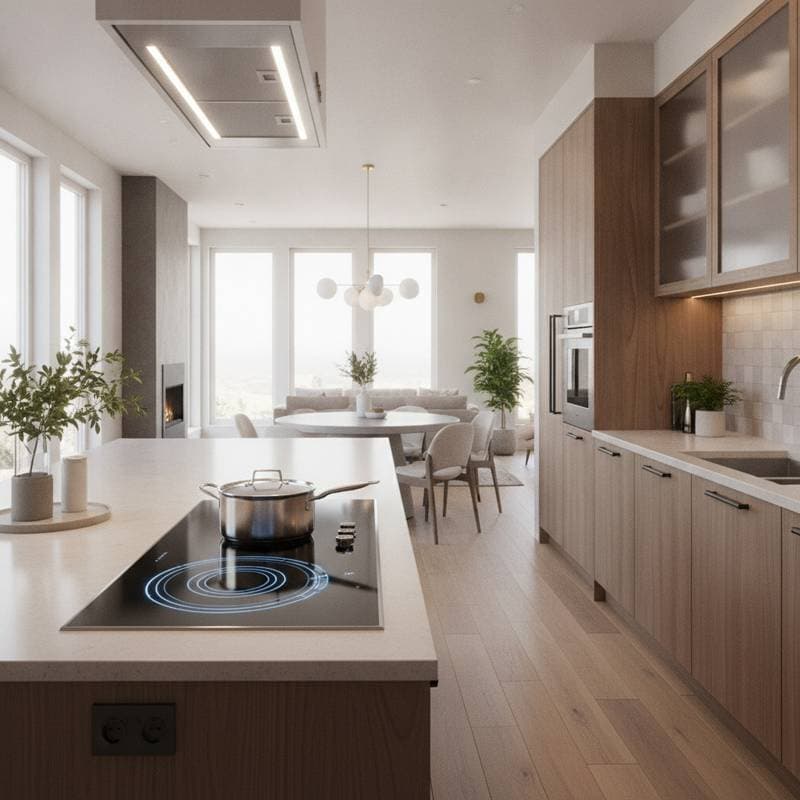
Base layouts on workflow efficiency, favoring open plans that facilitate movement. Install slab-front cabinetry with recessed or integrated pulls, complemented by wall-mounted shelves for accessible storage. Minimize overhead units to preserve an airy feel; where feasible, position a freestanding island in veined marble or live-edge wood as a multifunctional centerpiece.
Artisanal Accents
Incorporate elements crafted by hand to embody Wabi-Sabi's spirit, such as irregular ceramic vessels, braided rush mats, or salvaged timber seating. These additions, often featuring asymmetrical forms or visible joinery, introduce narrative depth at minimal cost, enhancing the space's lived quality.
Layered, Ambient Illumination
Illuminate thoughtfully to mimic daylight's softness, blending window access with overhead and task lighting. Select fixtures in blackened metal or ceramic with diffusers; pair them with bulbs rated 2700K to 3000K for a golden glow. Budget $300 to $1200 for a full setup, including wiring adjustments by certified electricians.
Harmonizing Flaws with Practicality
This design philosophy rejects disorder in favor of curated imperfection, where minor marks or irregular surfaces coexist with meticulous upkeep. Maintain surfaces by wiping down with mild solutions and reserving counter space for select items, such as a hand-thrown pitcher or heirloom knife block, to evoke warmth.
During renovations, blend contemporary and vintage pieces strategically: position a salvaged timber mantel over an induction range or fit a vintage enamel basin into a sleek vanity. Such juxtapositions infuse personality while promoting resource efficiency.
Budgeting for Implementation
Adapt the style to various financial scopes by prioritizing high-impact changes.
- Entry-Level ($2,000 to $6,000): Refresh existing cabinets with neutral paint and new pulls, introduce freestanding shelves, and swap fixtures for affordable pendants or tiles.
- Moderate ($10,000 to $30,000): Update surfaces with quartz composites mimicking stone, refinish cabinet faces in natural veneers, and lay cork or linoleum flooring.
- Luxury ($40,000 and above): Commission bespoke joinery, source rare granites, and integrate custom sconces for a personalized sanctuary.
Account for professional fees, such as $50 to $150 hourly for carpentry or $40 to $100 per square foot for surface fitting, to ensure quality execution.
Practical Care and Safety Measures
Preserve natural components through routine maintenance: apply food-safe oils to wooden elements monthly to avert splintering, and refresh sealant on porous stones annually to resist spills. Examine salvaged items thoroughly for contaminants like insects or outdated finishes prior to use.
Engage qualified contractors for any structural modifications, including electrical upgrades or plumbing reroutes, and secure necessary approvals to comply with local codes.
Tailoring to Environment and Routine
Adjust elements to suit climate and setting: apply marine-grade sealants to woods in damp areas, or add wool runners and under-cabinet heaters in chillier zones. Compact urban kitchens benefit from multifunctional islands, whereas rural ones thrive with vaulted ceilings showcasing raw joists and artisanal dishware.
Flexibility defines the approach, allowing seamless integration into diverse scales and lifestyles while upholding principles of material synergy and personal rhythm.
Experiencing the Evolving Kitchen
A Japandi Wabi-Sabi kitchen develops alongside its users, with each mark or fade contributing to its unique character. Preparing meals in such a setting cultivates mindfulness, as the inherent textures and gentle illumination underscore the value of unpretentious elegance.
This design not only withstands the rigors of everyday life but also enriches it, fostering spaces where functionality meets quiet inspiration for lasting satisfaction.