The 2025 Kitchen Revolution: Induction Replaces Gas Stoves
The kitchen has always reflected cultural evolution, serving as a space where technology meets tradition. For decades, the blue flame of a gas burner represented control, warmth, and culinary mastery. A quiet yet decisive shift now occurs. Sleek glass surfaces, magnetic fields, and precise digital controls redefine cooking methods. This transition from gas to induction goes beyond a technical upgrade. It reimagines the connections between energy, design, and daily life in the modern home.
1. The Allure of Invisible Power
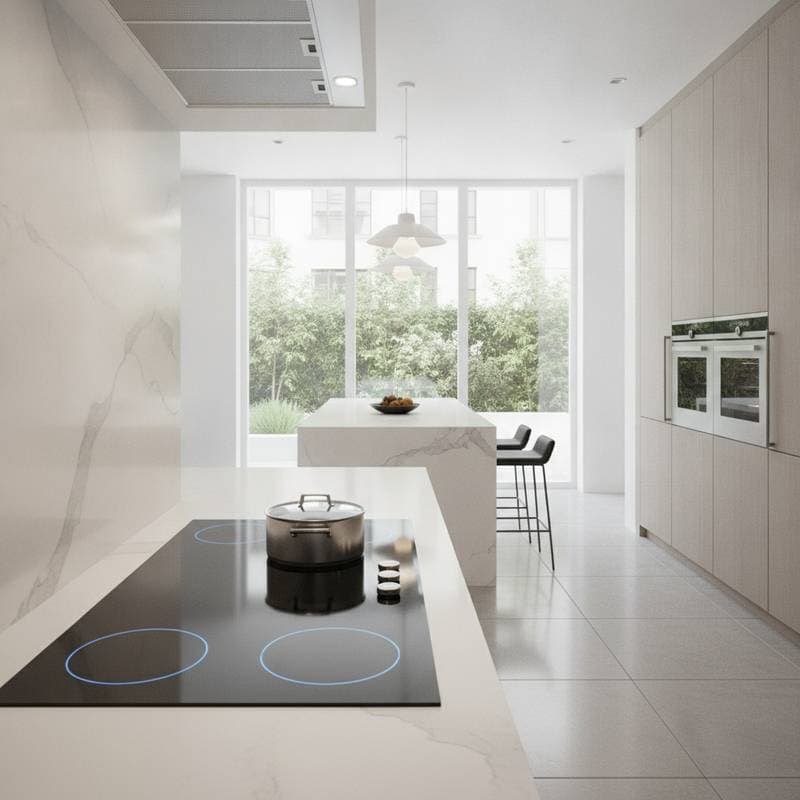
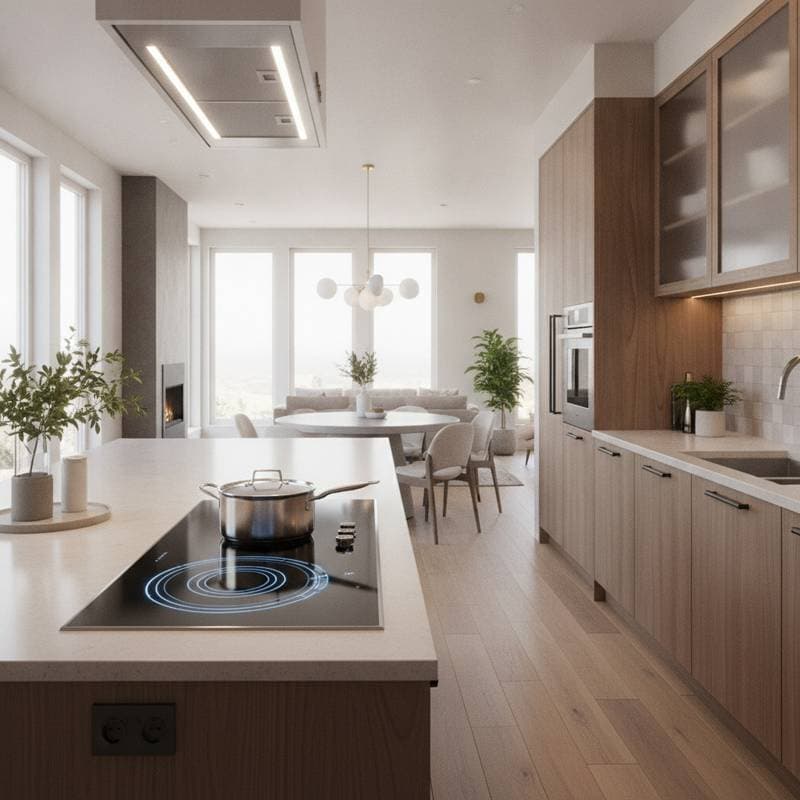
Induction cooking seems like magic upon first use. Copper coils beneath the smooth ceramic surface generate an electromagnetic field that heats cookware directly, without warming the surrounding air. This process delivers instant responsiveness and high efficiency. Designers such as Patricia Urquiola call induction the poetry of precision, turning cooking into a sculptural act. Without flames, countertops stay visually calm, free from bulky grates or heavy knobs.
Contemporary kitchens often incorporate Neolith sintered stone or Caesarstone quartz countertops that integrate seamlessly with induction zones. This creates a fluid, architectural effect that honors minimalism while preserving performance. Homeowners can select cookware that responds best to induction, such as cast iron or stainless steel with a magnetic base, to maximize heat transfer.
2. Healthier Air, Healthier Homes
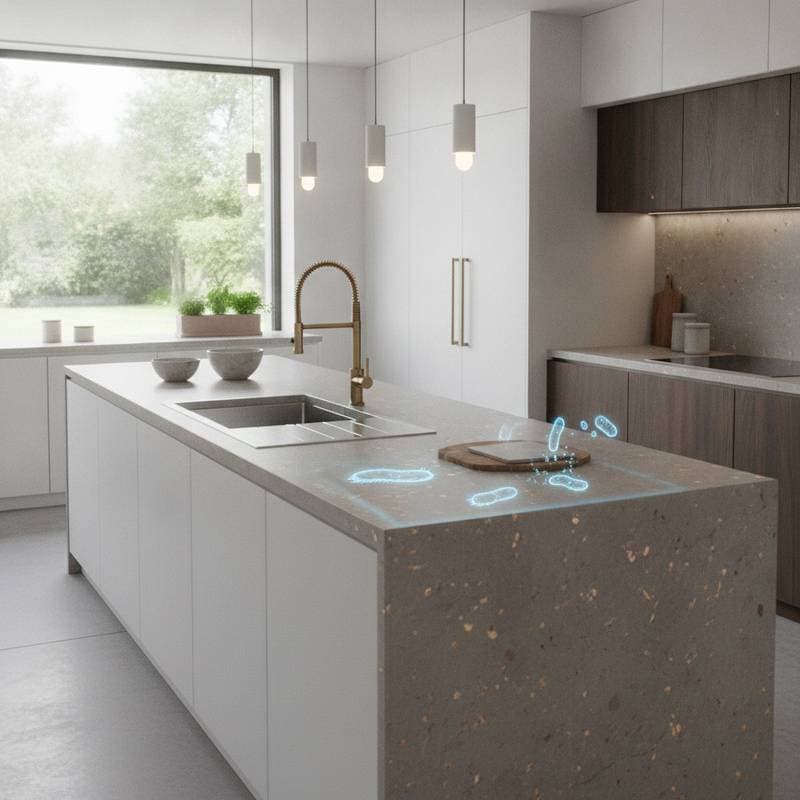
The shift from gas supports wellness goals. Research indicates that gas stoves emit nitrogen dioxide and other combustion byproducts, which harm indoor air quality. Architects and designers now focus on clean-air strategies, including advanced range hoods and full electrification.
Studio Shamshiri, recognized for sophisticated residential projects, finished a Los Angeles kitchen that highlighted induction for both aesthetics and environmental advantages. The design combined a Gaggenau 400 series cooktop with hidden ventilation, ensuring clear lines and pure air. In energy-efficient, tightly sealed homes, removing open flames proves practical and responsible. Consider installing air quality monitors to track improvements after the switch.
3. Temperature with a Thought
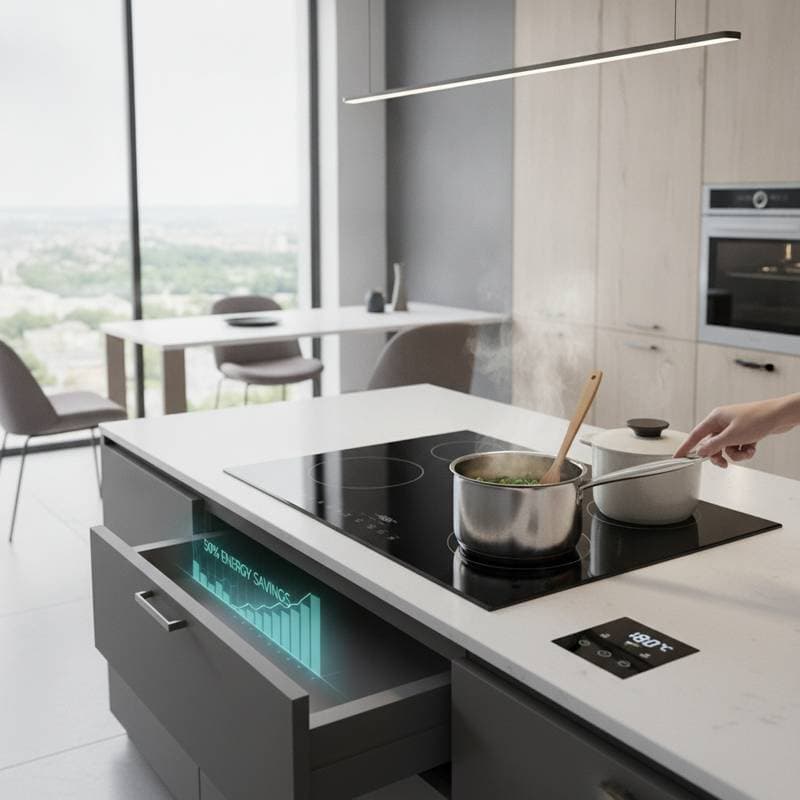
Induction provides unmatched control, replacing intuition with fingertip adjustments. It maintains a delicate simmer or sears a steak with equal precision, responding in seconds. This suits techniques like tempering chocolate or reducing sauces.
Professional chefs welcome this precision. Chef Daniel Patterson describes induction as a language of precision that liberates creative thinking. Replicating exact temperatures ensures consistency, while digital sliders offer clear visual feedback. Experiment with preset programs on models from brands like Bosch to automate common tasks.
4. The Beauty of Minimal Design
Induction aligns with modern aesthetics of refined simplicity. Its flat surface integrates into countertop compositions, particularly in open-plan spaces where kitchens blend with living areas.
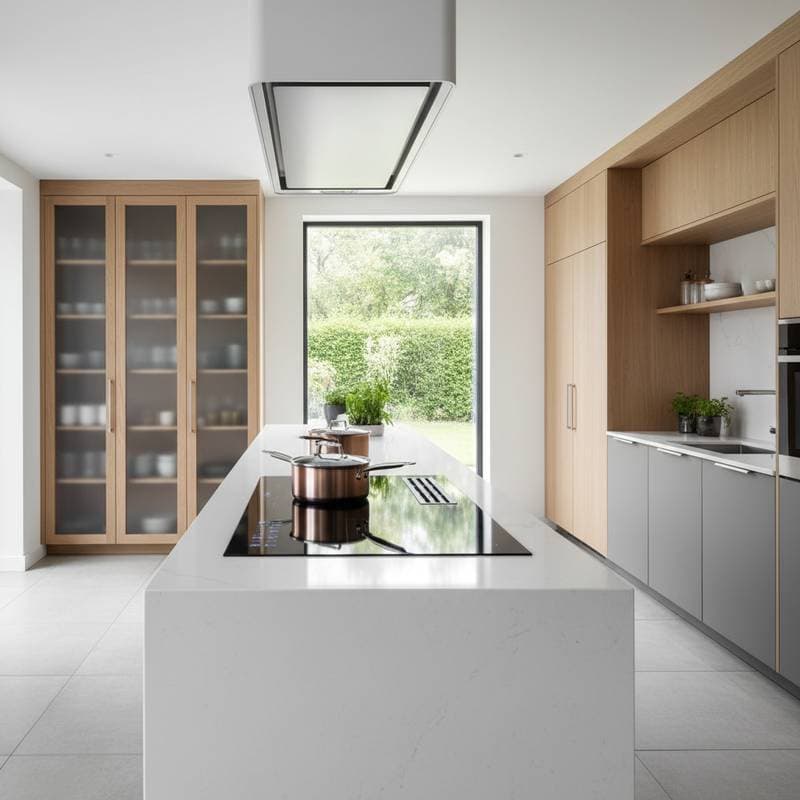
Designers incorporate induction into cabinetry made from European oak, walnut veneer, or matte lacquer finishes. In a coastal residence by Bates Masi + Architects, the cooktop sat flush in a monolithic island of honed Dolomite marble, fostering visual continuity between workspace and sculpture. Without heavy hardware, lighting, architecture, and textures gain prominence. Plan layouts that position induction zones for easy access during entertaining.
5. Color, Light, and Surface Harmony
Induction surfaces have advanced beyond black glass. Brands such as BORA and Miele provide muted gray and soft graphite options that match neutral palettes. Pair these with brushed nickel fixtures and Benjamin Moore Revere Pewter cabinetry for a layered, sophisticated appearance.
The glass reflectivity amplifies natural light, and soft LED indicators offer gentle illumination without stark contrasts. This visual quietness complements kitchens designed as living spaces. Introduce art, textiles, and warm materials freely, as induction avoids competing with these elements. Select finishes that resist fingerprints for a consistently clean look.
6. Electrification Meets Aesthetics
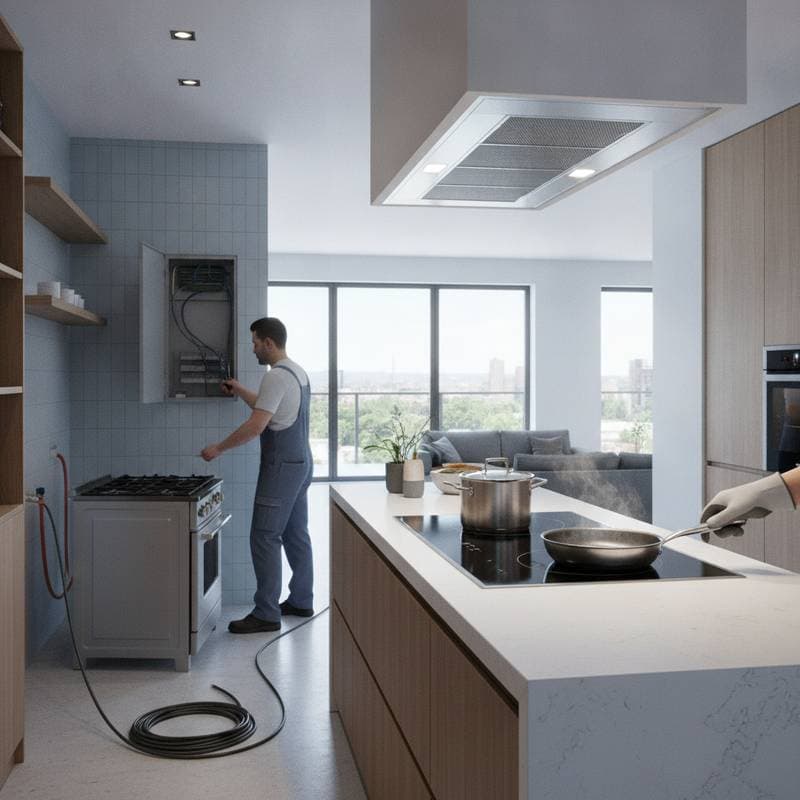
Municipalities promote all-electric homes, placing induction at the forefront. Kitchen electrification, once a technical term, now inspires creative design. Without gas lines, layouts gain flexibility; islands can float without vent stacks or clearance needs.
Le Whit Studio completed a Manhattan apartment kitchen centered on an induction island clad in Fenix NTM soft-touch laminate in deep marine blue. The outcome balanced function and form, showing how sustainability enhances aesthetics. Explore rebates for electrification upgrades through local utility programs to offset costs.
7. Rethinking Rituals
Switching from gas to induction requires emotional adaptation. The flame's sound formed a key part of cooking rituals. Induction brings new benefits: silence, speed, and futuristic calm. Kitchens stay cooler without heat spillover, and cleaning proves simple since spills do not bake onto surfaces.
Interior designer Kelly Wearstler views the modern kitchen as a gallery of daily life. Induction supports this by harmonizing form and function. Gradually introduce induction in secondary cooking areas to ease the transition while enjoying its advantages.
8. Embracing Induction for Everyday Benefits
Choosing induction involves more than technology; it reflects commitments to energy awareness, design integrity, and wellness. Kitchens often feel more spacious and serene after the change. Homeowners report greater satisfaction with precise cooking and easy maintenance.
Designers advance integration by embedding induction into multi-material surfaces, pairing it with smart ventilation and energy monitors. This evolution sustains the kitchen's inventive spirit through elegance, efficiency, and climate respect. Start by assessing your current setup and consulting a designer to visualize induction's impact on your space.