Barrier-Free Showers That Do Not Look Institutional
Aging in place requires thoughtful home modifications that prioritize safety without sacrificing aesthetics. Barrier-free showers represent a prime example of this balance, offering seamless access while maintaining a luxurious appearance. In 2025, design innovations make these features accessible to homeowners seeking both functionality and elegance.
Homeowners often worry that safety upgrades will result in a clinical look. Current trends counter this concern by integrating sleek materials and custom finishes. These elements ensure bathrooms remain inviting spaces that support independence for years to come.
The Rise of Aging-in-Place Bathroom Design
Aging-in-place design focuses on creating environments that adapt to changing mobility needs over time. This approach emphasizes universal design principles, which benefit users of all ages and abilities. Bathrooms, as high-risk areas for falls, benefit greatly from these updates.
Statistics highlight the importance of such modifications. Falls in bathrooms account for a significant portion of home injuries among older adults. By incorporating barrier-free elements early, homeowners can prevent accidents and enhance daily comfort.
Designers now prioritize multifunctional spaces that evolve with residents. For instance, a shower that serves a young family today can accommodate mobility aids tomorrow. This forward-thinking strategy adds long-term value to the home.
Essential Features of Stylish Barrier-Free Showers
Curbless Entries for Seamless Access
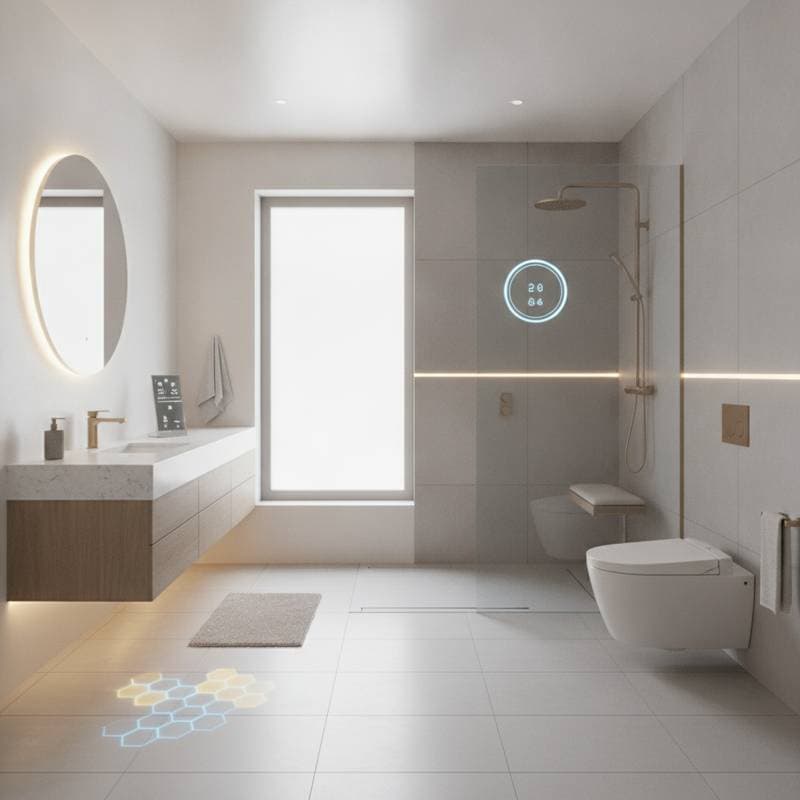
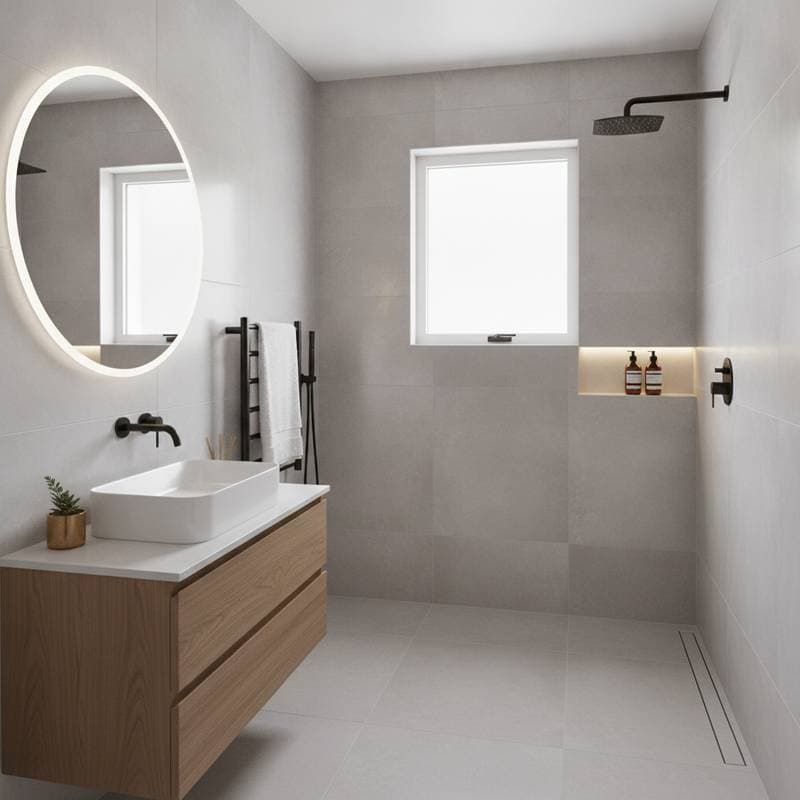
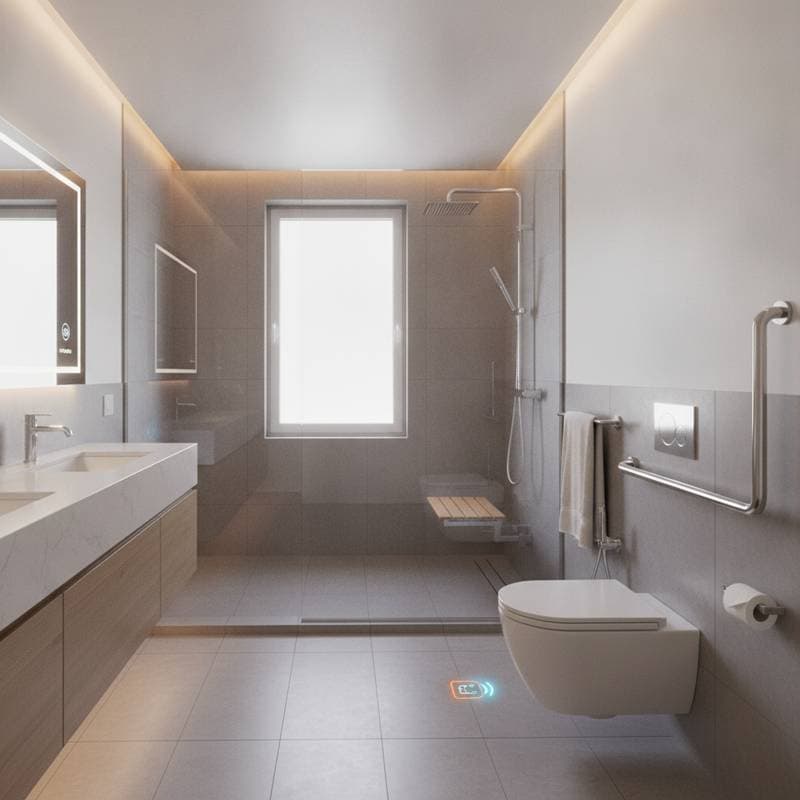
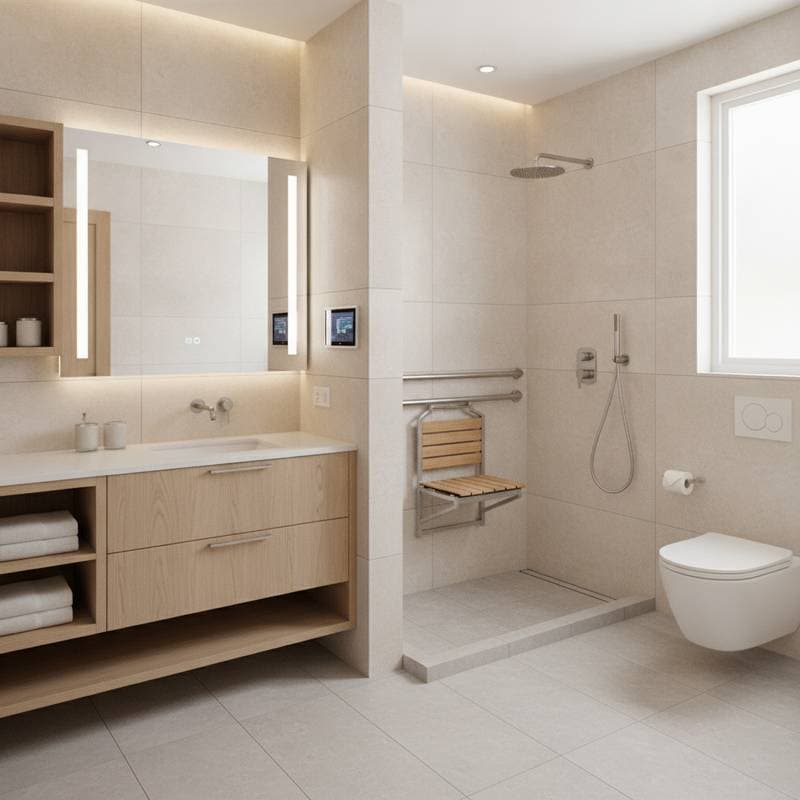
Curbless showers eliminate the traditional step-up threshold, creating a flush transition from the bathroom floor. This design reduces tripping hazards and allows for wheelchair access if needed. To avoid a stark appearance, pair the entry with wide-format tiles that mimic natural stone or wood grains.
Installation involves sloping the floor gently toward the drain, typically at a one-quarter-inch drop per foot. Professional plumbers ensure proper waterproofing to prevent leaks. The result is a spa-like shower area that feels expansive and modern.
Non-Slip Surfaces with Aesthetic Appeal
Safety flooring materials have advanced beyond rough, utilitarian textures. Opt for porcelain tiles with subtle textured patterns or vinyl compositions that replicate marble veining. These options provide excellent traction while contributing to a sophisticated look.
Test surfaces for a coefficient of friction above 0.6 to meet safety standards. Combine with wall-mounted benches crafted from teak or composite materials for seated showering. Such additions promote stability without overwhelming the design.
Stylish Fixtures and Hardware
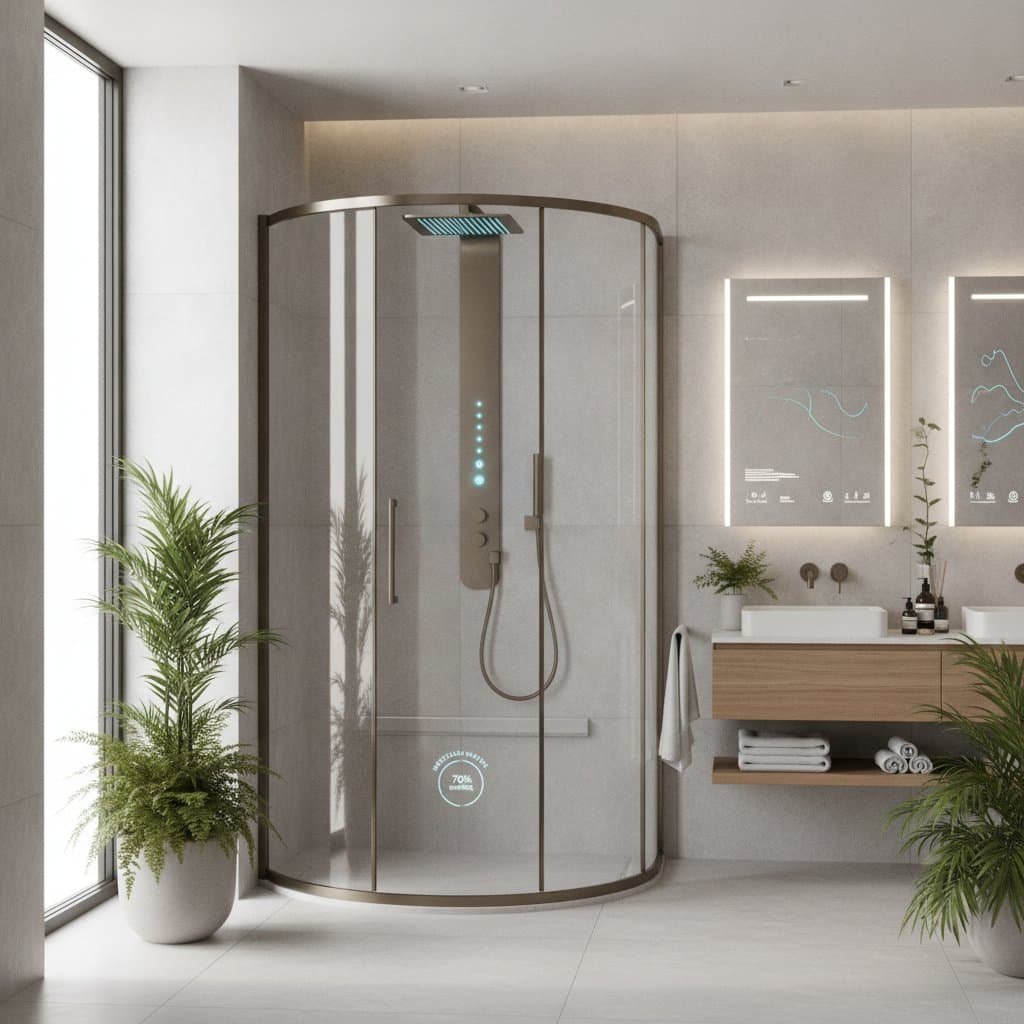
Choose rain showerheads with adjustable heights and handheld sprayers for versatility. Matte black or brushed nickel finishes blend seamlessly with contemporary decor. Thermostatic valves maintain consistent water temperature, adding a layer of convenience and safety.
Incorporate fold-down seats and built-in niches for toiletries, lined with matching tiles. These features maximize usability while preserving clean lines. The overall effect is a shower that rivals high-end hotel bathrooms.
Incorporating Grab Bars and Support Elements
Grab bars no longer resemble hospital equipment. Modern versions feature concealed mounting systems and finishes like oil-rubbed bronze or chrome that coordinate with towel racks. Position them at 33 to 36 inches above the floor for optimal support.
Install reinforced wall backing during remodeling to handle up to 250 pounds of force. For a polished look, integrate bars into tile patterns or as decorative accents. This approach ensures they serve a practical purpose without drawing undue attention.
Consider L-shaped or vertical configurations for comprehensive coverage. Pair with non-slip mats or treads for added security. These subtle integrations enhance confidence during use.
Enhancing with Smart Lighting and Layouts
Strategic lighting illuminates paths and highlights textures without glare. Motion-sensor LED strips under vanities or along shower perimeters activate automatically. Dimmable options allow for mood setting, from bright task lighting to soft ambiance.
Layouts should feature at least 30 inches of clear space around fixtures for maneuverability. Open shelving and lever-handled faucets simplify access. Zone the bathroom into wet and dry areas to maintain organization and flow.
Voice-activated controls integrate with home systems for hands-free operation. This technology supports independence, especially for those with limited dexterity. The result is an intuitive space that anticipates user needs.
Steps to Remodel Your Bathroom Effectively
Assess Your Current Space and Needs
Begin by evaluating mobility challenges and daily routines. Measure the room to determine feasible changes, such as widening doorways to 32 inches. Consult with an occupational therapist for personalized recommendations.
Identify must-have features based on lifestyle. For example, if frequent guests use the space, prioritize versatile elements. This assessment guides the project scope and budget.
Select Materials and Professionals
Research durable, low-maintenance materials suited to your climate. Choose waterproof membranes for shower walls to ensure longevity. Hire certified contractors experienced in accessible design to avoid costly errors.
Review portfolios for examples of stylish installations. Obtain multiple quotes and verify licenses. Clear communication with the team ensures the vision translates accurately.
Implement and Test the Design
Phased construction minimizes disruption, starting with demolition and plumbing updates. Install temporary barriers to protect other areas. After completion, test all features for functionality and adjust as necessary.
Conduct a walkthrough to confirm ease of use. Gather feedback from household members. Fine-tuning at this stage prevents future regrets.
Budgeting for Barrier-Free Upgrades
Basic curbless shower conversions range from $5,000 to $10,000, depending on size and materials. Adding grab bars and lighting increases costs by $1,000 to $3,000. Full remodels with layout changes may reach $15,000 to $25,000.
Factor in potential savings from energy-efficient fixtures, which lower utility bills. Explore tax credits for accessibility improvements in eligible homes. Prioritize high-impact changes to stay within financial limits.
Long-term benefits often outweigh initial expenses. Reduced medical costs from fall prevention add substantial value. View the investment as enhancing quality of life and property resale potential.
Planning for Future Adaptability
Design with modularity in mind, selecting adjustable-height counters and removable panels. Incorporate reinforced framing for potential lift installations later. These provisions allow updates without major overhauls.
Regular maintenance, such as sealing grout annually, preserves functionality. Stay informed on emerging technologies like automated doors. This proactive mindset ensures the space remains relevant.
Building a Lasting, Comfortable Sanctuary
Barrier-free showers transform bathrooms into secure retreats that evolve with life stages. By blending innovative features with timeless style, homeowners achieve environments that foster well-being. Start planning today to enjoy independence and elegance tomorrow.