Transform Your Kitchen with AI Color Matching in 2026
Color defines how people experience a kitchen. It shapes mood, influences appetite, and reflects personal rhythm. Yet many homeowners find the search for the perfect paint color frustrating. Artificial intelligence now brings precision, personalization, and ease to the process.
AI color matching connects the emotional qualities of color with data analysis. The tools read light, texture, and material in real time. They then recommend hues that work together across the entire space.
The Science of AI Color Matching
AI color matching uses image recognition and machine learning. Tools scan kitchen surfaces to identify undertones, light exposure, and neighboring materials. They suggest hues that keep cabinetry, walls, and countertops in balance.
Designers report that the software detects subtle details the human eye can miss. One professional noted that it can identify a faint green undertone in marble and recommend a paint that avoids visual conflict. This replaces guesswork with reliable guidance.
Matching Color to Natural Light
Every kitchen has lighting that changes throughout the day. AI tools measure both natural and artificial light. They simulate how a color will look in morning sun or under evening lamps.
A north-facing kitchen may receive a warm gray with taupe undertones to offset cool daylight. A bright, south-facing room may suit a deep charcoal that grounds the space. These suggestions come from algorithms trained on many lighting conditions.
Personalization Through Preference Data
AI systems analyze past design choices, wardrobe colors, and saved interior images. They detect recurring tones that match a homeowner personality. The result is a palette shaped by individual taste rather than generic trends.
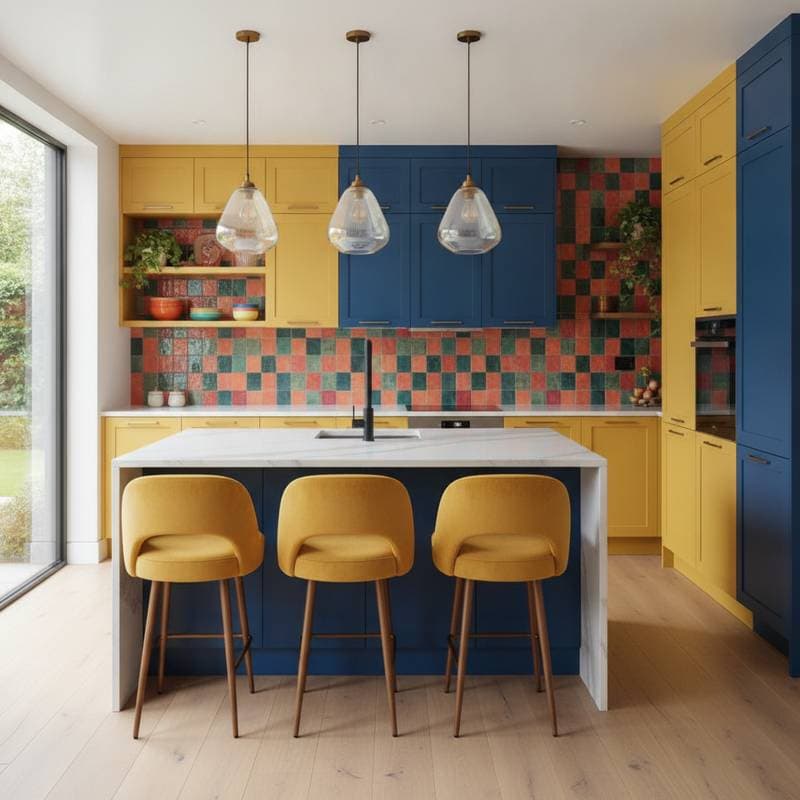
People who prefer organic textures often receive earthy neutrals. Those drawn to modern statements may see deep blue-green options that pair with brass fixtures. The technology refines its output as it learns more about each user.
Coordinating Cabinetry and Countertops
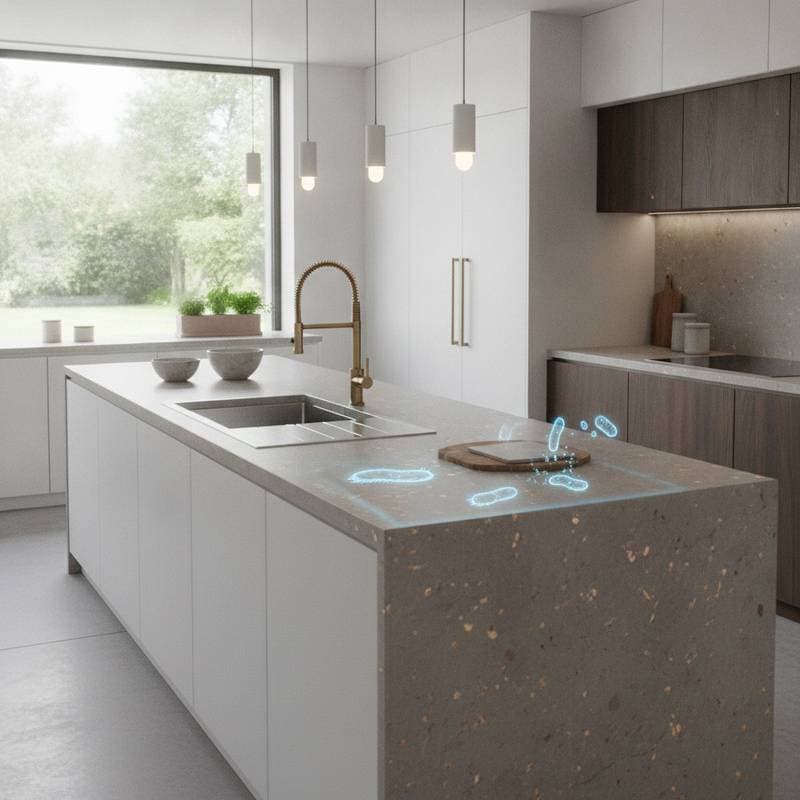
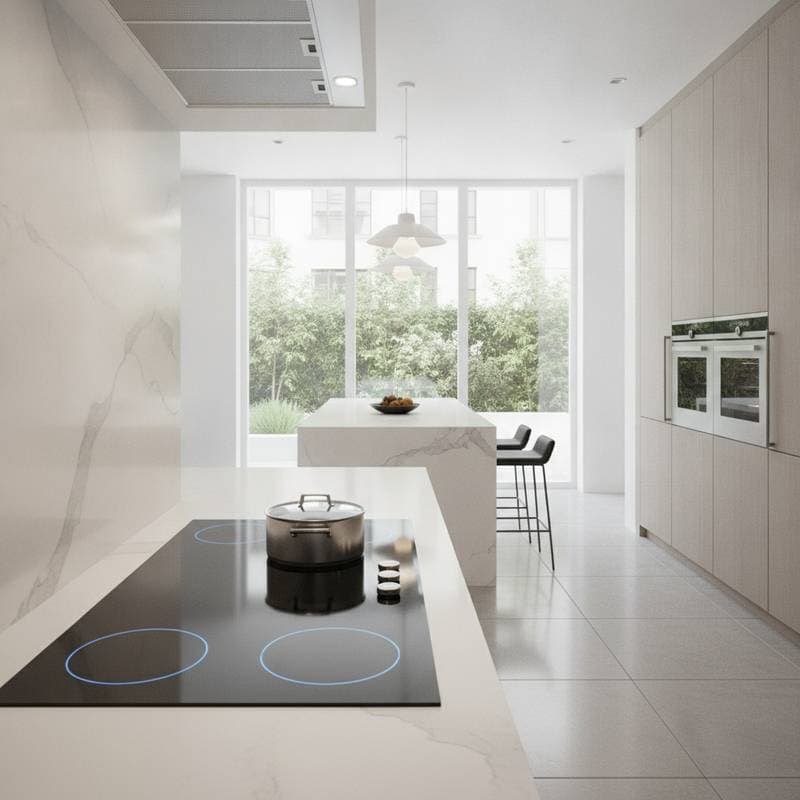
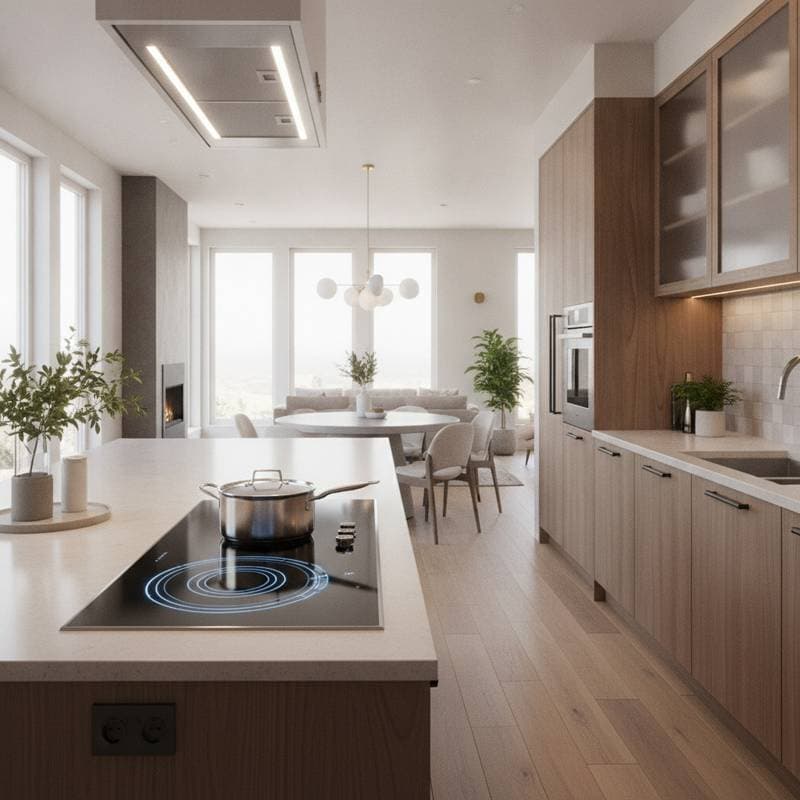
AI excels at creating harmony among different surfaces. For European oak cabinets with a satin finish, the system may suggest a soft beige that picks up golden undertones. With Calacatta quartz counters, it adjusts the wall color to complement veining instead of competing with it.
Designers note that the data supports instinct. Every material in the kitchen ends up feeling connected. The finished palette appears effortless even when tones and textures differ.
Sustainability and Smart Paint Choices
New AI-linked paints consider air quality and durability. Systems evaluate ventilation, humidity, and heat exposure. They then recommend low-VOC formulas that stay vibrant in kitchen conditions.
This approach delivers lasting color without sacrificing environmental standards. The finish remains consistent and the space stays healthier.
Forecasting Timeless Color Trends
AI tools review design publications, social media, and manufacturer data. They identify which tones are likely to stay relevant. Homeowners planning long-term renovations receive guidance that favors enduring selections over passing fashions.
Muted clay tones and desaturated greens often appear in these forecasts. The technology turns color selection into a forward-looking strategy.
Collaboration Between Designers and Clients
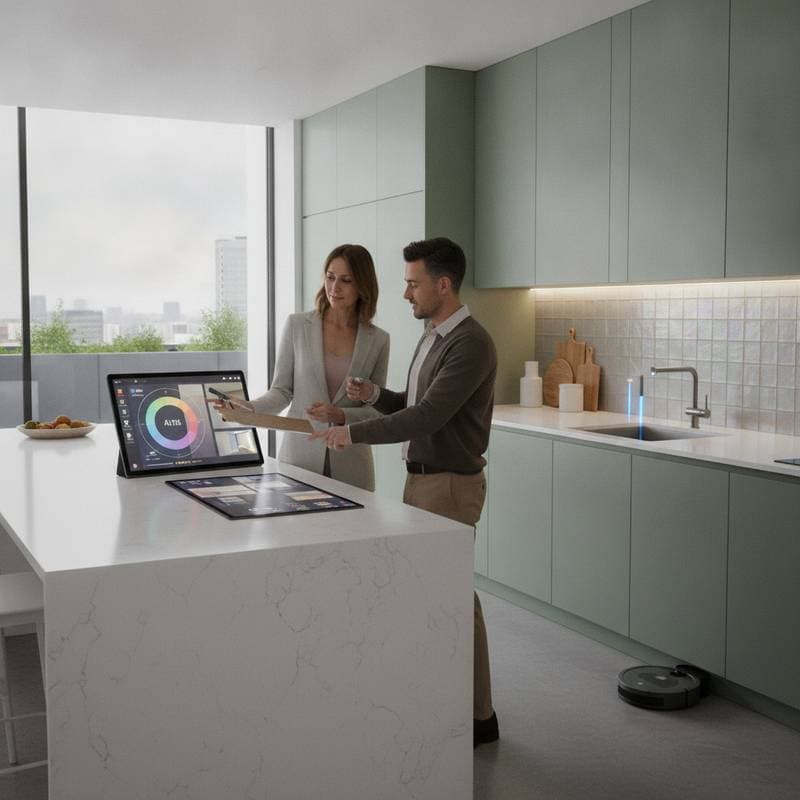
AI visualization lets designers share interactive palettes with clients. Augmented reality shows how different wall colors work with chosen backsplashes. Clients see the effect of a warmer white or deeper gray without waiting for physical samples.
This shared view reduces miscommunication. Decisions become faster and more confident.
Accounting for Texture and Finish
Color perception changes with surface texture and sheen. AI evaluates reflectivity and material density together. A matte cabinet may need an eggshell wall to maintain visual balance with brushed nickel hardware.
The system recommends finishes that preserve intended depth and mood. The final result feels consistent across the room.
Connection to Smart Home Lighting
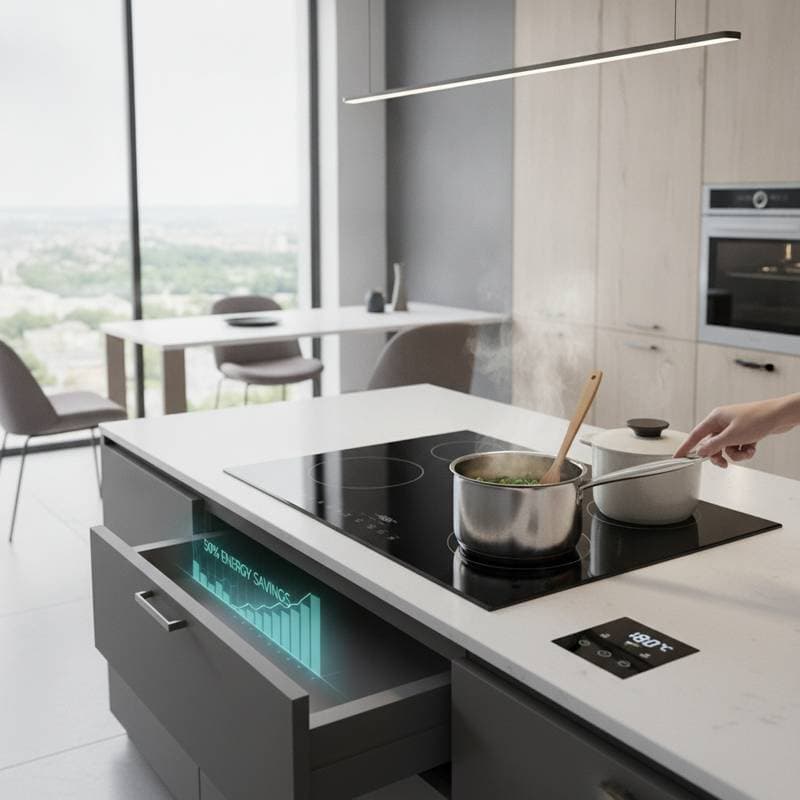
AI color tools now link with smart lighting systems. Lights can shift temperature and brightness to suit the chosen wall color. Morning settings may highlight a fresh white while evening settings warm a soft gray.
The kitchen becomes responsive to time of day and activity. Color works as a living element rather than a fixed choice.
The Emotional Impact of Accurate Color
AI color matching lets homeowners recreate hues tied to personal memories. A favorite childhood room or a calm seaside palette can be matched with precision. The kitchen then supports daily rhythm and emotional comfort.
Living With the Finished Space
Once the palette is set, the kitchen becomes a sensory environment. Light, material, and color interact throughout the day. Homeowners experience the room as an evolving expression of their own taste.